

 プレビュー
プレビュー
 シェアする
シェアする シェアする
シェアする
 詳細を見る
詳細を見る

 ダウンロード
 似ている作品
 X線調査
X線調査 スライドショー
 Stats
StatsBreton Woman Sitting at the Seashore
 Acrylic On Canvas
- WallArt
- Post-Impressionism
 29.0 x 45.0 cm
 ワルシャワ国立美術館
 詳細を見る
詳細を見る
ジークレー/アートプリント
迅速な制作と多彩な仕上げオプションを備えた、ミュージアムクオリティのジークレーまたはキャンバスプリント。 ( 手描きの絵画を購入 Switch to Digital Image)




P118B $10

P118H $10

P118W $10

P438Z $10

P508JH $12

P508YH $12

P805H $10

P805Z $10

P919BZ $10

P919G $10

P919XJ $10

P959ZH $10

P968JZ $12

W106C $8

W218G $10

W218JH $8

W218Y $10

W307PJ $10

W316G $10

W316PJ $8

W316Y $10

W398PJ $8

W4111J $10

W500HY $15

W500JH $15

W692G $12

W849H $8

W940BG $15

W953PJ $8




作品のオリジナル比率に合わせた、当店の規定サイズからお選びください。

特定のフレームやスペースに合わせて、ご自身でサイズを指定することも可能です。選択されたサイズが元の画像の比率と一致しない場合、作品をトリミングするか、鏡面反射または単色での塗りつぶしによって画像を拡張いたします。制作を開始する前に、ご確認用のデジタルモックアップをお送りいたします。
画面上のプレビューには、実際のトリミングや拡張は反映されませんのでご注意ください。最終的な構図を正確に確認できるのは、モックアップのみとなります。
カスタムサイズも承っておりますが、元の比率を維持するためには、あらかじめ用意されたリストからサイズを選択することをお勧めいたします。


 ガラスオプションは、110cm未満のサイズでのみご利用いただけます。

Breton Woman Sitting at the Seashore
ジークレー/アートプリント
複製画のサイズ
-


合計金額
$ 62
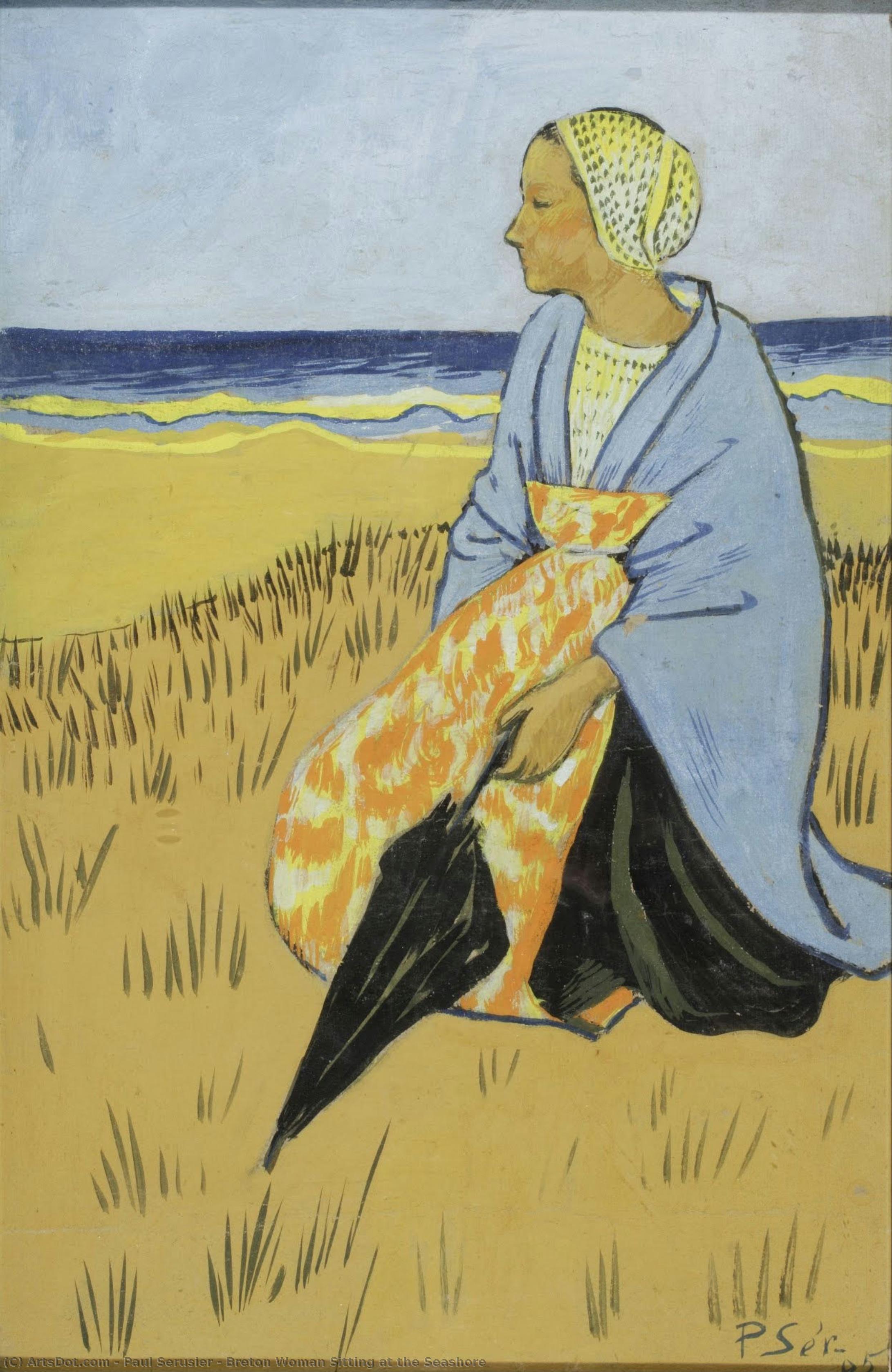
Breton Woman Sitting at the Seashore - Paul Sérusier: A Reflection of Mythic Brittany
The allure of Breton folklore permeates Paul Sérusier’s “Breton Woman Sitting at the Seashore,” a painting that transcends mere depiction to embody the spirit of Symbolism and its fascination with hidden meanings. Created around 1890, this artwork resides within the esteemed collection of Gabriela Zapolska, offering viewers a glimpse into the artistic sensibilities of a bygone era. Situated in Huelgoat, Brittany – a region steeped in Celtic traditions and imbued with an aura of ancient mystery – Sérusier sought inspiration from local legends and beliefs, channeling them into a visual language that prioritizes emotion over precise representation.- Subject Matter & Composition: The painting portrays a solitary woman seated upon the sands of Brittany’s coastline. Her posture exudes quiet contemplation as she wraps her arms around herself, conveying a sense of introspection and vulnerability. Surrounding her is a tableau vivant – a staged scene capturing a moment of serene beauty—populated by figures engaged in ritualistic practices amidst a dense forest backdrop. This deliberate arrangement underscores the artist's intention to evoke atmosphere rather than literal accuracy.
- Style & Technique: Sérusier’s approach aligns perfectly with the tenets of Symbolism, rejecting Impressionist concerns for objective observation in favor of subjective experience. He employs a reductive color palette dominated by browns, reds, and blacks—a deliberate choice designed to heighten emotional impact and suggest the darkness beneath the surface of tranquility. The painting's execution showcases Sérusier’s mastery of cloisonnism, a technique characterized by geometric divisions of color that create an illusion of depth and luminosity. This method departs radically from traditional oil paint application, prioritizing visual suggestion over meticulous detail.
The Legend Embodied: Echoes of Breton Mythology
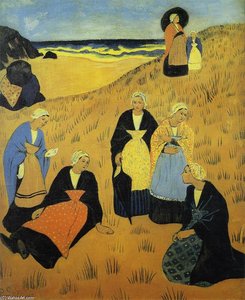
“The Snake Eaters,” as the painting’s larger counterpart is known, delves into an obscure Breton myth concerning a ritualistic dance performed by four individuals in a forest setting. Sérusier's artistic vision mirrors the Symbolist preoccupation with exploring the subconscious and accessing primal emotions. The figures are rendered with simplified forms—a stylistic hallmark of cloisonnism—emphasizing their presence as symbols rather than realistic representations. This deliberate abstraction serves to amplify the painting’s mystical quality, inviting viewers to contemplate themes of transformation and spiritual awakening.- Symbolic Resonance: The forest itself symbolizes the realm of the unconscious mind, mirroring the artist's desire to capture intangible feelings and impressions. The muted color scheme—browns, reds, blacks—further reinforces this symbolic dimension, evoking associations with earth, blood, and darkness – elements frequently utilized in Symbolist art to convey profound psychological states.
- Historical Context: Sérusier’s work emerged during the formative years of the Nabis movement, alongside artists like Gauguin and Vuillard. This collective championed a distinctive aesthetic characterized by bold simplification and expressive color—a reaction against Impressionism's focus on capturing fleeting visual sensations.
A Legacy of Quiet Intensity: Influence & Artistic Significance
“Breton Woman Sitting at the Seashore” stands as a testament to Sérusier’s pioneering spirit and his unwavering commitment to exploring the depths of human emotion. Its understated beauty—coupled with its masterful technique—continues to inspire artists and collectors alike, cementing its place within the canon of Symbolist art. Like “The Snake Eaters,” it exemplifies the movement's conviction that art should transcend mere representation, striving instead to communicate profound truths about the human condition.Gabriela Zapolska’s collection ensures that this evocative artwork remains accessible to discerning audiences, inviting contemplation and appreciation for its enduring artistic merit.
関連作品
アーティストの略歴
生い立ちと教育
ポール・セルスリエは、1864年11月9日、パリに生まれました。幼少期から絵画への強い情熱を抱き、アカデミー・ジュリアンに入学し、そこで才能を開花させます。しかし、伝統的なアカデミーの教育だけでは満たされず、より革新的な表現を模索するようになります。セルスリエは、美術教師としての活動も始め、その中で自身の芸術的ビジョンを深めていきました。この時期から、後のナビ派や抽象絵画の先駆者となる独自のスタイルを築き始める兆しが見え隠れします。ポン=アヴェンでの出会いと「タリスマン」
1888年の夏、セルスリエはポール・ゴーギャンの存在に導かれるように、ブルターニュ地方の小さな村ポン=アヴェンへと旅立ちます。この地で、彼はゴーギャンを中心とした画家グループに参加し、その指導のもとで画風を大きく変貌させることになります。特に重要なのが、「タリスマン」という作品です。これは、セルスリエがクロワゾニズム(cloisonnism)の技法を用いて描いたもので、純粋な抽象表現に限りなく近い絵画として、美術史において非常に重要な位置を占めています。ゴーギャンの影響を受けながらも、セルスリエは独自の色彩感覚と構図によって、従来の写実的な絵画とは一線を画す作品を生み出しました。この「タリスマン」は、単なる絵画というよりも、画家自身の内面世界を表現した象徴的な存在として捉えられています。ナビ派における活動と芸術的探求
セルスリエは、ポスト印象派の画家グループであるナビ派(Les Nabis)にも参加します。ピエール・ボナール、エドゥアール・ヴュイヤール、モーリス・ドニといった同世代の画家たちと共に、従来の美術の枠にとらわれない自由な表現を追求しました。ナビ派は、「預言者」という意味を持つ言葉に象徴されるように、絵画を通して神秘的な世界や精神性を表現しようと試みました。セルスリエは、ナビ派の中で、色彩や形態の実験的な探求を積極的に行い、装飾性豊かな作品を数多く制作しました。彼の作品は、単なる視覚的な美しさだけでなく、画家自身の思想や感情が込められた深遠なメッセージを含んでいます。晩年の教育活動と「絵画のABC」
セルスリエは、晩年になるとアカデミー・ランソンで教鞭を執り、後進の育成にも力を注ぎました。彼は、自身の芸術的経験や思想を若い世代に伝え、彼らの才能を開花させるために尽力しました。また、1921年には「絵画のABC(ABC de la peinture)」という著書を出版し、自身の絵画理論を展開します。この本の中で、セルスリエは、色彩や形態の重要性、画家自身の内面世界を表現することの大切さを説いています。彼は、絵画を単なる技術的な技能としてではなく、精神的な探求の手段として捉え、その思想は多くの画家たちに影響を与えました。1927年10月7日、セルスリエはモルライクスで生涯を閉じましたが、彼の芸術的遺産は、現代美術にも大きな足跡を残し続けています。クロワゾニズムとナビ派への影響
セルスリエの作品は、クロワゾニズムという技法によって特徴づけられます。これは、大胆で平坦な形態を暗い輪郭線で区切ることで、絵画に独特の装飾性と象徴性を与える表現方法です。この技法は、19世紀末に登場し、現代美術の発展に大きな影響を与えました。セルスリエは、クロワゾニズムを通して、従来の写実的な絵画から脱却し、画家自身の内面世界を表現することに成功しました。また、ナビ派の画家たちも、セルスリエの影響を受けながら、色彩や形態の実験的な探求を行い、独自のスタイルを確立していきました。セルスリエは、抽象絵画の先駆者としてだけでなく、ナビ派の発展にも大きく貢献した重要な画家と言えるでしょう。彼の作品は、現代美術における表現の自由と多様性を追求する精神を象徴するものとして、今後も多くの人々に愛され続けることでしょう。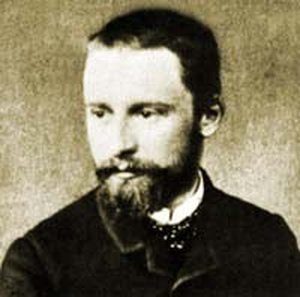
ポール・セルスィエ
1864 - 1927 , フランス
基本情報
- Artistic Movement Or Style: ポスト印象派
- Artists Or Movements Influenced By This Artist: ['ナビ派']
- Artists Who Influenced This Artist: ['ポール・ゴーギャン']
- Date Of Birth: 1864年11月9日
- Date Of Death: 1927年10月7日
- Full Name: ルイ=ポール=アンリ・セリュシエ
- Nationality: フランス人
- Notable Artworks (List Of Titles):
- 「タリスマン」
- 「逆雨」
- Place Of Birth (City And Country): フランス、パリ
関連記事
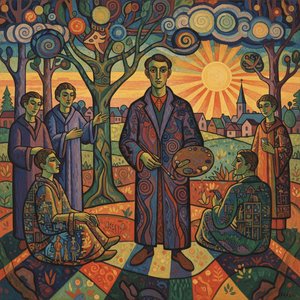
Paul Sérusier: Pioneering Synthetism & The Nabis’ Symbolic Revolution
Discover Paul Sérusier's pivotal role in the Nabis movement & the birth of Synthetism. Explore 'The Talisman,' his influence on modern art, and a deeper understanding of this symbolic revolution. Expert analysis & insights.
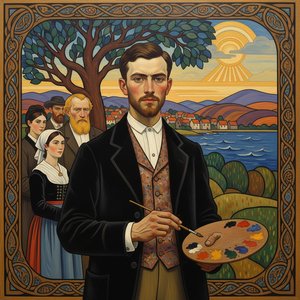
Émile Bernard: Pioneering Synthetism & the Post-Impressionist Quest for Essence
Explore the life & work of Émile Bernard, a pivotal Post-Impressionist pioneer of Synthetism. Discover his influence on Van Gogh & Gauguin and learn about collecting his art with ArtsDot.
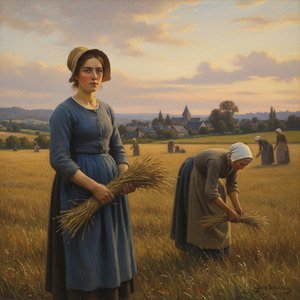
Jules Breton: Capturing the Poetic Soul of French Rural Life
Explore the captivating world of Jules Breton, master of French Realism. Discover his iconic paintings of rural life, learn about his artistic journey, and find high-quality reproductions to elevate your art collection at ArtsDot.

ポール・セザンヌ:至高の25選 - 傑作と革新の軌跡 | ArtsDot
ポール・セザンヌの至高の25選。ポスト印象派を代表する画家、セザンヌの傑作と革新的な技法を紐解きます。ArtsDotで高品質な複製画やインテリアアートを見つけ、芸術の世界をご自宅に。今すぐコレクションをご覧ください。
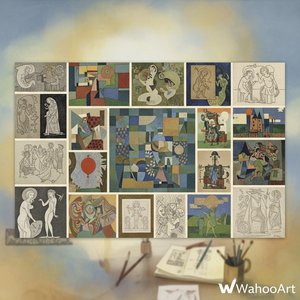
パウル・クレー傑作25選:色彩と象徴に満ちた芸術の世界 | ArtsDot
パウル・クレーの傑作25選🎨 色彩と象徴に満ちた抽象絵画の世界を旅。ドイツ表現主義からバウハウスまで、クレーの革新的な技法と感動的な作品群をArtsDotで。高品質な美術品複製やインテリアアートも豊富です。オンラインストアで全コレクションをご覧ください。