

 プレビュー
プレビュー
 プリントを購入
 シェアする
シェアする シェアする
シェアする
 詳細を見る
詳細を見る

 ダウンロード
 似ている作品
 X線調査
X線調査 スライドショー
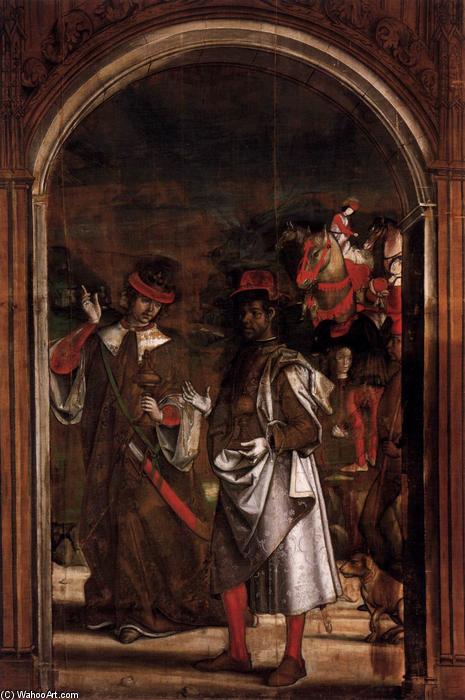
Two Wise Men
 Oil On Board
- WallArt
- Baroque
 350.0 x 206.0 cm
 プラド美術館
 詳細を見る
詳細を見る




P118B $10

P118H $10

P118W $10

P438Z $10

P508JH $12

P508YH $12

P805H $10

P805Z $10

P919BZ $10

P919G $10

P919XJ $10

P959ZH $10

P968JZ $12

W106C $8

W218G $10

W218JH $8

W218Y $10

W307PJ $10

W316G $10

W316PJ $8

W316Y $10

W398PJ $8

W4111J $10

W500HY $15

W500JH $15

W692G $12

W849H $8

W940BG $15

W953PJ $8




作品のオリジナル比率に合わせた、当店の規定サイズからお選びください。

特定のフレームやスペースに合わせて、ご希望のサイズをご入力いただけます。選択されたサイズが元の画像の比率と異なる場合、アートワークをトリミングするか、手描きで要素を追加して絵画を拡張いたします。デジタルモックアップ を制作し、制作開始前にご確認(承認)をいただきます。
画面上のプレビューは、実際のトリミングや拡張を正確に反映しているものではありません。最終的な構図は、モックアップによってのみ正確にご確認いただけます。
カスタムサイズもご利用いただけますが、元の比率を維持するためには、あらかじめ用意されたリストからサイズを選択することをお勧めいたします。
ご注文後、ArtsDot.com チームより詳細な指示をお送りするとともに、仕上がりイメージ(モックアップ)をご提供いたします。


 ガラスオプションは、110cm未満のサイズでのみご利用いただけます。

Two Wise Men
複製技法
複製画のサイズ
-


合計金額
$ 263
作品解説
A Masterpiece of Dramatic Depth: Unveiling Pedro Berruguete's "Two Wise Men"
Pedro Berruguete’s “Two Wise Men,” a monumental panel painting dating from the early 16th century, stands as a compelling testament to the evolving artistic landscape of Spain. More than simply a depiction of a biblical scene – the Adoration of the Magi – it's a carefully constructed meditation on faith, power, and the human condition, rendered with a dramatic intensity that echoes both the Gothic traditions Berruguete inherited and the burgeoning Renaissance ideals he embraced. The painting’s enduring appeal lies not just in its technical brilliance but also in its ability to evoke a profound sense of mystery and spiritual contemplation.
Born in Paredes de Nava around 1450, Berruguete emerged as a pivotal figure during a period of significant artistic transition. He skillfully blended the expressive fervor of Gothic painting – particularly its use of vibrant color and dynamic figures – with the burgeoning humanist principles and geometric precision characteristic of the Italian Renaissance. This synthesis is strikingly evident in “Two Wise Men,” where the artist masterfully employs linear perspective to create an illusion of depth, drawing the viewer into a richly detailed and emotionally charged scene. The painting’s origins are shrouded in some mystery, though it's believed Berruguete spent time studying with Justus van Gent in Urbino, Italy, absorbing the influence of Florentine masters like Botticelli and Perugino.
The Composition: A Dance of Light, Gesture, and Symbolism
At first glance, the painting presents a seemingly straightforward depiction of the Magi – figures from the Bible renowned for their wisdom and devotion – approaching the infant Jesus. However, Berruguete elevates this familiar narrative through his masterful manipulation of composition and gesture. The central focus rests upon two principal male figures: one, clad in opulent robes of pale gold and adorned with a pointed hat, exudes an aura of authority and importance; the other, dressed in simpler attire, holds aloft a white cloth – a potent symbol of offering or perhaps even sacrifice. These figures are not merely static representations but rather dynamic participants in a carefully choreographed scene.
The background is dominated by an arched doorway, receding into a dark and atmospheric space populated with partially visible figures, hinting at a larger procession or gathering. This architectural element serves to heighten the sense of depth and drama, drawing the viewer’s eye towards the foreground and emphasizing the central figures. The use of chiaroscuro – the dramatic interplay of light and shadow – is particularly noteworthy, creating a powerful contrast between illuminated areas and deep shadows that sculpts the forms of the figures and imbues the scene with an almost theatrical quality. The red robes worn by some of the figures add to the sense of importance and grandeur.
Technique and Materials: A Testament to Skill and Craftsmanship
“Two Wise Men” is executed in oil on panel, a technique that allowed Berruguete to achieve remarkable detail and luminosity. The artist’s meticulous brushwork reveals a deep understanding of color theory and texture – from the shimmering fabrics to the rough surfaces of the figures' clothing. The painting demonstrates a mastery of layering techniques, building up complex forms through multiple applications of paint. The use of tempera grassa, a type of oil-based paint favored by Berruguete, contributed to the richness and durability of the colors.
Furthermore, the panel itself—likely poplar wood—adds to the painting’s character, bearing the marks of time and handling. These subtle imperfections are not blemishes but rather evidence of the artwork's history and authenticity, reminding us that we are engaging with a tangible object created by a skilled artisan. The overall effect is one of both grandeur and intimacy, inviting viewers to contemplate the profound questions raised by the scene.
Emotional Resonance: A Window into Renaissance Spirituality
Beyond its technical merits, “Two Wise Men” possesses a powerful emotional resonance. The painting’s somber palette—dominated by browns, ochres, and blacks—creates an atmosphere of solemnity and contemplation. The figures' gestures – the outstretched hands, the averted gazes – convey a sense of reverence, humility, and perhaps even uncertainty. It is not merely a depiction of a biblical event but rather an exploration of faith, devotion, and the human search for meaning. The painting’s enduring appeal lies in its ability to evoke a profound sense of mystery and spiritual contemplation, inviting viewers to reflect on their own beliefs and values.
関連作品



アーティストの略歴
ペドロ・ベルルゲテ:ゴシックの遺産とルネサンスの黎明を繋ぐ架け橋
ペドロ・ベルルゲテ(c. 1450 – 1504)は、スペイン美術史における極めて重要な人物であり、ゴシック絵画の荘厳な威厳から、イタリア・ルネサンスの芽生えゆく楽観主義へと向かう決定的な転換期を象徴しています。カスティーリャ地方のパレデス・デ・ナバに生まれた彼の正確な誕生年は、当時の芸術家に多く見られるように、記録が乏しいことから今なお謎に包まれています。しかし、貴族の血筋を引く彼は、芸術への探求のための確かな基盤を持っており、その情熱は最終的にスペインの視覚的風景を塗り替えることとなりました。 決定的な伝記的事実が欠けていることは、美術史家にとってもどかしい障壁ではありますが、ベルルゲテの作品群(オーヴル)は、彼がいかに様式的な革新を深く理解し、見事に体現していたかを雄弁に物語っています。彼はゴシック伝統の影の中から現れ、その表現豊かな熱情と細部への緻なく緻密な描写を吸収しながらも、同時にブルネレスキやドナテッロといったフィレンツェの巨匠たちが提唱したヒューマニズムの理想と幾何学的な精密さを取り入れました。この二面性は彼の絵画の中に鮮明に現れており、様式化された人物像が、丁寧に描き込まれた衣襞(ドレーパリー)や建築的要素と共存しています。これこそが、立ち上がりつつあったルネサンス的美学の真骨頂なのです。 彼の芸術的な旅路は、宗教的な激動の時代の中で勢いを増していきました。ベルルゲテの最も名高い作品には、初期の異端審問の場面が描かれており、当時の不安や道徳的葛藤を、一切の妥協のないリアリズムで捉えています。それと同時に、彼はカスティーリャの教会のために息を呑むほど美しいレタブロ(祭壇画)のパネルを制作し、その卓越した技術力と、深い精神的な物語を伝える能力を証明しました。これらの依頼を通じて、彼は当時の第一級の芸術家としての地位を確立し、美術史の正典における自らの場所を不動のものとしたのです。 1480年頃のベルルゲテによるイタリア渡航を巡る推測は、とりわけ興味深いものです。いくつかの証拠は、彼がウルビーノにあるフェデリコ3世・ダ・モンテフェルトロの宮廷に滞在し、ロレンツォ・デ・メディチの庇護のもとで育まれた活気ある芸術的環境に身を投じていたことを示唆しています。ユストゥス・ファン・ヘントも同時期にウルビーノで活動していたため、作品の帰属については議論が続いていますが、イタリア・ルネサンスの芸術家たちの影響がベルルゲテの思考や技法に浸透していたことは疑いようもありません。彼は1482年にスペインへと戻り、トレドやアビラに工房を構え、そこで自身の様式をさらに洗練させ、記念碑的な傑作を生み出し続けました。 そしておそらく最も重要なこととして、ベルルゲテは、ルネサンス期におけるスペイン最大の彫刻家とも目されるアロンソ・ベルルゲテ(c. 1475–1561)の父として知られています。この血縁関係は、ベルルゲテの重要性をさらに高めるものです。息子の彫刻における偉大な功績は、父の芸術的遺産の証となり、スペイン美術の中に力強い伝統を築き上げました。「ペドロ」と「アロンソ」という二人の名は、古い巨匠が若い才能を育み、芸術的な革新を前へと推し進めた、当時のスペインにおける広範な文化的変遷を反映しているのです。 署名や包括的な記録の欠如により、ベルルゲテの作品の帰属を特定することは依然として困難な課題です。しかし、様式分析と状況証拠を組み合わせることで、「ダビデ」、「エゼキエル」、「ソロモン」といった数々の傑作が彼の手によるものであることが説得力を持って結び付けられています。これらの作品は、ゴシックの荘厳さとルネサンスのダイナミズムとの絶妙な均衡を体現しており、表現豊かな衣襞、記念碑的なスケール、そして細部への細心の注意が特徴です。スペイン美術に対するベルルゲテの貢献は否定しようのないものであり、彼は、古き良き伝統を敬いながらも新たな地平を受け入れようとする国家の精神を体現した、芸術的転換期の灯台として燦然と輝いています。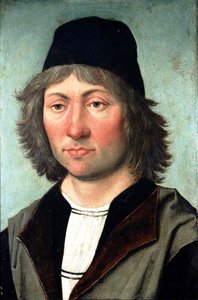
ペドロ・ベルルゲテ
1450 - 1504 , スペイン
基本情報
- Artistic Movement Or Style: ゴシックとルネサンスの移行期
- Artists Or Movements Influenced By This Artist: ['']
- Artists Who Influenced This Artist: ['']
- Date Of Birth: 1450年頃
- Date Of Death: 1504年
- Full Name: ペドロ・ベルゲテ
- Nationality: スペイン
- Notable Artworks:
- ダビデ
- エゼキエル
- ソロモン
- Place Of Birth: スペイン、パレデス・デ・ナバ
関連記事

バロック美術を極めた至宝:時代を彩る10大名作の世界
バロック美術の華!カラヴァッジョ、ベルニーニら巨匠が創り上げた10大名作を徹底解剖。ドラマチックな色彩と豪華絢爛の世界観に触れ、至宝のアートプリントで空間を彩ろう。ArtsDot.comで美術館品質の複製と洗練されたインテリアを見つけましょう!

バロックのドラマ:現代のインテリアに壮麗さと情感を取り込む
バロック様式の歴史、絵画、家具の魅力をご紹介。ArtsDotでは、高品質な油絵複製やカスタムポートレートをご提供し、現代のインテリアに壮麗さと情感を取り入れます。アートコンサルテーションも承ります。

The Dramatic Flourish: Exploring the Baroque Movement's Enduring Legacy in Art History
Explore the dramatic world of Baroque art! Discover iconic artists like Caravaggio & Rubens, defining techniques, and its lasting impact on art history. Expert insights for collectors & enthusiasts at ArtsDot.

The Visceral Stage: Exploring Dramatic Narratives & Emotional Intensity in Baroque Art
Explore the dramatic world of Baroque art! Discover iconic masters like Caravaggio & Rembrandt, their techniques, and the movement's lasting impact. Expert insights for collectors & enthusiasts at ArtsDot.

Theatricality & Triumph: Baroque Drama in Painting & Sculpture
Explore the dramatic world of Baroque art! Discover its history, defining characteristics, & lasting influence on painting & sculpture. Expert insights into Caravaggio, Zurbarán, and Bernini – plus high-quality reproductions at ArtsDot.

