

![La Verdadera Patria De Miguel De Cervantes (miguel De Cervantes’s True Homeland) (biblioteca Nacional De España)\n\n[4][fol.1] — Pedro José García Balboa](/media/artworks/images-full/fa/e7/fae7a8f523f4766aefea1a3e947558cc.jpg)
 プレビュー
プレビュー
 プリントを購入
 シェアする
シェアする シェアする
シェアする
 詳細を見る
詳細を見る

 ダウンロード
 似ている作品
 X線調査
X線調査 スライドショー
La verdadera patria de Miguel de Cervantes (Miguel de Cervantes’s true homeland) (Biblioteca Nacional de España)\n\n[4][fol.1]
 Acrylic On Canvas
- WallArt
- Baroque Rococo Revival
 1761
1761 31.0 x 22.0 cm
 Acción Cultural Española
 詳細を見る
詳細を見る
オンラインプレビューをはるかに凌ぐ、高解像度で鮮明なデジタル画像をご購入いただけます。
各ファイルは、社内の専門家が高度なツールと熟練した手作業によるレタッチを用いて、細心の注意を払って準備されています。すべての画像において、卓越した鮮明度、正確な色彩再現性、そして繊細なディテールを保証いたします。
最終ファイルは、プロフェッショナルな編集・印刷環境ですぐにご利用いただけるよう最適化された状態で、72時間以内にメールにてお届けいたします。これは、一流のデザインスタジオ、出版社、ギャラリーから信頼されているものと同等の品質です。
デジタル画像のご注文に付随する特典
高品質なデジタル画像配信を、確かな品質で。
ArtsDot.com を選ぶことは、単に画像を手に入れることではありません。それは、プロの手によって精密に仕上げられ、満足保証が付いた高品質なデジタルアートワークを受け取ることを意味します。ご注文いただいた際に自動的に付随する内容は、以下の通りです:

メールですぐにお届け
ご注文から72時間以内に、高解像度のデジタル画像ファイルがメールでお手元に届きます。すぐにそのままご利用いただけます。

AI技術で最適化されたデジタルファイル
お客様の作品は、高度なAIツールと専門家による手作業の編集を組み合わせてプロフェッショナルに最適化されており、細部のディテール、鮮明さ、そして正確な色再現性を最大限に引き出しています。

一生涯無料の再送サービス
ファイルを誤って削除したり、紛失してしまったりしましたか?ご安心ください。いつでも無料で再送いたします。

輸入手数料は一切かかりません
関税や手数料、配送料を気にすることなく、お気に入りのアートワークをすぐにお楽しみいただけます。デジタルダウンロードは常に免税です。

色彩再現の保証
プロ仕様のツールとカラーマネジメント技術を用いることで、デジタル画像が元の色を最大限に忠実に再現することを保証いたします。

60日間満足保証
ご購入いただいたデジタル画像にご満足いただけない場合は、60日以内であれば、修正または100%の返金(理由を問う必要はありません)をさせていただきます。

100% 返金保証
ご満足いただけない場合は、デジタルファイルを受け取ってから60日以内であれば、理由を問わず全額返金いたします。

まとめ買い割引
3枚購入で10%OFF - 5枚購入で15%OFF - 10枚以上購入で20%OFF。クリエイティブなプロジェクト、ギャラリー、エージェンシーに最適です。
Unveiling Cervantes’s Roots: A Chronicle in Ink
A Testament to Methodical Inquiry
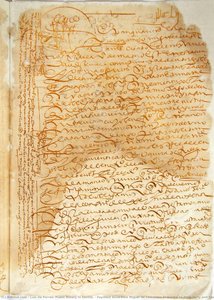
The composition is dominated by an open book, its pages filled with elegant cursive script – a visual echo of the meticulous research that led to Cervantes’s confirmed birthdate of 9 October 1547. The seal prominently displayed at the top of the page speaks volumes about the importance placed on this revelation; it represents authentication and the validation of years of speculation. Balboa skillfully employs chiaroscuro, using light and shadow to draw attention to the text and the seal, creating a dramatic focal point that underscores the significance of the discovery. The book’s aged appearance – suggesting parchment and ink – immediately transports the viewer back in time, grounding the narrative firmly within its historical context. The artist's deliberate choice of materials and techniques speaks to a reverence for tradition and a deep understanding of the visual language of scholarly documentation.Symbolism of Origin and Legacy
The painting’s subject matter is intrinsically linked to the broader intellectual currents of the time. The search for Cervantes’s origins was not merely an academic exercise; it reflected a growing interest in genealogy, personal identity, and the role of place in shaping human experience – themes central to Enlightenment thought. The reference to Juan Iriarte's 1748 discovery within the list of released captives is crucial. This document served as the catalyst for a systematic investigation into Alcalá de Henares’s baptism records, highlighting the power of archival research and the serendipitous nature of historical revelation. The image subtly celebrates the triumph of reason over conjecture, illustrating how careful observation and diligent inquiry can ultimately illuminate even the most obscured corners of the past.Balboa's Artistic Context & Technique
Pedro José García Balboa (1695-1772), a Benedictine monk and scholar, was deeply immersed in the intellectual landscape of his era. His work reflects the influence of the Enlightenment’s emphasis on empirical observation and rational inquiry. Balboa’s technical skill is evident in his precise rendering of detail – from the delicate script to the texture of the aged paper – demonstrating a mastery of draughtsmanship and an understanding of how to convey both factual information and emotional resonance through visual means. This piece exemplifies the Rococo style's emphasis on elegance, clarity, and detailed representation, characteristics that were highly valued within the artistic circles of 18th-century Spain.関連作品
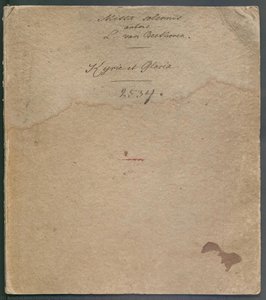
![Autograph Statement Requesting That The Guarantee Provided Be Considered Sufficient (biblioteca Nacional De España)\n\n[page 1] — Cervantes Saavedra, Miguel](/media/artworks/images-thumb/be/4d/be4d8356b5c62cf26a2aac9cd48fa43b.jpg)
![Spanish Landscape, Toledo [paisaije Español, Toledo] — ディエゴ・リベラ, Cubism](/media/artworks/images-thumb/67/22/67223cfb67a3e879b8599832c8849094.jpg)
作家の略歴
early life and education
pedro josé garcía balboa, also known as martín sarmiento or martiño sarmiento, was born on march 9, 1695, in villafranca del bierzo, el bierzo, spain. this spanish scholar, writer, and benedictine monk would go on to become an illustrious representative of the enlightenment.contributions and works
throughout his life, garcía balboa wrote on a wide variety of subjects, including:- literature: his writings showcased his mastery of the literary arts.
- medicine: garcía balboa's medical writings demonstrate his deep understanding of the subject.
- botany: his botanical studies reveal a keen interest in the natural world.
- ethnography, history, theology, and linguistics: these areas of study further solidify his reputation as a polymath.
artistic legacy
although primarily known for his written works, garcía balboa's influence can be seen in the artistic community. his contributions to the enlightenment have inspired numerous artists, including those featured at https://ArtsDot.com, such as:- diego velazquez: a renowned artist with works like francisco de quevedo (baroque, oil), showcased on ArtsDot.
- joseph chinard: a sculptor with notable works like juliette récamier (back) (museum of fine arts, lyon, france, marble).
- josé aguiar garcía: an artist with pieces such as portrait of don miguel de unamuno (244 x 168 cm, casa museo unamuno, salamanca, spain, oil on canvas).
museums and collections
garcía balboa's work can be found in various institutions, including:- the adalbert-stifter-institut des landes österreich (austria) museum: a museum dedicated to the life and work of adalbert stifter.
- radishchev art museum russia: a renowned institution housing an extensive collection of russian artworks.
conclusion
pedro josé garcía balboa, a true renaissance man, left an indelible mark on the world. his contributions to the enlightenment continue to inspire artists and scholars alike, with his legacy living on through the numerous institutions and artistic works that bear his influence. explore more of his world and the art he inspired at https://ArtsDot.com.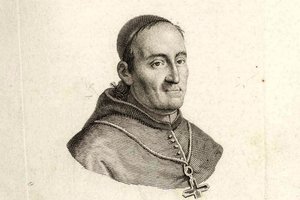
pedro josé garcía balboa
1695 - 1772 , Spain
プロフィール概要
- Artistic Movement Or Style: Fêtes galantes
- Artists Or Movements Influenced By This Artist: ['Carriera']
- Artists Who Influenced This Artist: ['Watteau']
- Date Of Birth: 1695
- Date Of Death: 1736
- Full Name: Jean-Baptiste Pater
- Nationality: French
- Notable Artworks:
- Bacchus and Ceres in the Clouds
- Portrait of a Lady
- Place Of Birth: Valenciennes, France

