

 プレビュー
プレビュー
 プリントを購入
 シェアする
シェアする シェアする
シェアする
 詳細を見る
詳細を見る

 ダウンロード
 似ている作品
 X線調査
X線調査 スライドショー
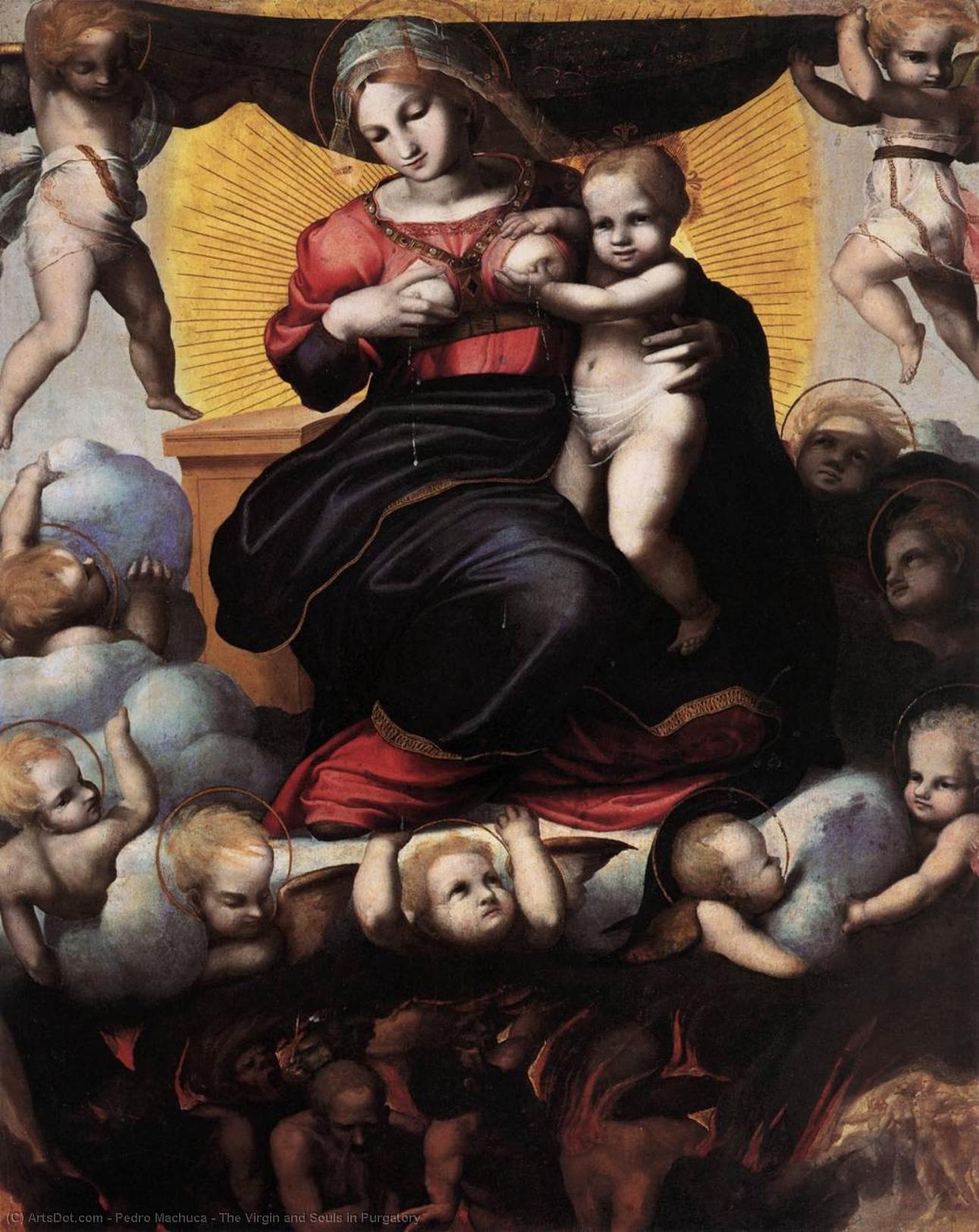
The Virgin and Souls in Purgatory
 Oil On Panel
- Mannerist Painting
 1517
1517 167.0 x 135.0 cm
 プラド美術館
 詳細を見る
詳細を見る
オンラインプレビューをはるかに凌ぐ、高解像度で鮮明なデジタル画像をご購入いただけます。
各ファイルは、社内の専門家が高度なツールと熟練した手作業によるレタッチを用いて、細心の注意を払って準備されています。すべての画像において、卓越した鮮明度、正確な色彩再現性、そして繊細なディテールを保証いたします。
最終ファイルは、プロフェッショナルな編集・印刷環境ですぐにご利用いただけるよう最適化された状態で、72時間以内にメールにてお届けいたします。これは、一流のデザインスタジオ、出版社、ギャラリーから信頼されているものと同等の品質です。
デジタル画像のご注文に付随する特典
高品質なデジタル画像配信を、確かな品質で。
ArtsDot.com を選ぶことは、単に画像を手に入れることではありません。それは、プロの手によって精密に仕上げられ、満足保証が付いた高品質なデジタルアートワークを受け取ることを意味します。ご注文いただいた際に自動的に付随する内容は、以下の通りです:

メールですぐにお届け
ご注文から72時間以内に、高解像度のデジタル画像ファイルがメールでお手元に届きます。すぐにそのままご利用いただけます。

AI技術で最適化されたデジタルファイル
お客様の作品は、高度なAIツールと専門家による手作業の編集を組み合わせてプロフェッショナルに最適化されており、細部のディテール、鮮明さ、そして正確な色再現性を最大限に引き出しています。

一生涯無料の再送サービス
ファイルを誤って削除したり、紛失してしまったりしましたか?ご安心ください。いつでも無料で再送いたします。

輸入手数料は一切かかりません
関税や手数料、配送料を気にすることなく、お気に入りのアートワークをすぐにお楽しみいただけます。デジタルダウンロードは常に免税です。

色彩再現の保証
プロ仕様のツールとカラーマネジメント技術を用いることで、デジタル画像が元の色を最大限に忠実に再現することを保証いたします。

100日間満足保証
ご購入いただいたデジタル画像にご満足いただけない場合は、100日以内であれば、修正または100%の返金(理由を問う必要はありません)をさせていただきます。

100% 返金保証
ご満足いただけない場合は、デジタルファイルを受け取ってから100日以内であれば、理由を問わず全額返金いたします。

まとめ買い割引
3枚購入で10%OFF - 5枚購入で15%OFF - 10枚以上購入で20%OFF。クリエイティブなプロジェクト、ギャラリー、エージェンシーに最適です。
The Enthralling Vision of Purgatory: Machuca’s “The Virgin and Souls in Purgatory”
Pedro Machuca's "The Virgin and Souls in Purgatory," painted in 1517, is more than just a religious depiction; it’s a profound meditation on faith, suffering, and the enduring hope for redemption. Created during a pivotal moment of artistic transition – bridging the late Gothic and burgeoning Renaissance styles – this panel offers a glimpse into the complex spiritual landscape of early 16th-century Spain, reflecting both the anxieties of a nation grappling with religious reform and the evolving aesthetic sensibilities of the era.
The painting immediately captivates with its dramatic composition. At the heart of the scene stands the Virgin Mary, rendered in a manner that balances idealized beauty with a palpable sense of sorrow and maternal concern. She cradles two infants, her sons, amidst a swirling vortex of souls trapped within Purgatory – a realm envisioned as an intermediate state between Heaven and Hell, where those who have died but are not yet fully purified undergo cleansing before entering eternal bliss. The figures themselves are rendered with a masterful blend of realism and Mannerist exaggeration; their faces etched with anguish, their bodies enveloped in ethereal light, they embody the weight of earthly sins and the yearning for divine grace.
Machuca’s technical skill is evident in his use of color and texture. The palette is dominated by rich, earthy tones – deep reds, browns, and ochres – creating a sense of somber intensity. He employs a technique known as *sfumato*, subtly blurring the edges of forms to evoke a hazy, dreamlike atmosphere. This effect is particularly pronounced in the depiction of the souls, who seem to float suspended in a smoky haze, their faces obscured by grief and regret. The artist’s attention to detail extends to the intricate folds of Mary's robes and the delicate rendering of the infants’ features, demonstrating his command of perspective and anatomical accuracy – hallmarks of the emerging Renaissance style.
A Window into 16th-Century Spain
To understand “The Virgin and Souls in Purgatory,” it’s crucial to consider its historical context. Spain at the beginning of the 16th century was a nation undergoing profound religious and political upheaval. The Catholic Church, still reeling from the Protestant Reformation, sought to reaffirm its authority and combat heresy. Machuca, working within the framework of this fervent religious climate, created an image that powerfully conveyed the importance of repentance, faith, and the promise of salvation. The painting reflects a prevalent belief in purgatory as a necessary stage for purification – a concept deeply rooted in medieval theology but increasingly emphasized during this period.
Interestingly, Machuca’s work also reveals a growing interest in classical antiquity, evident in the idealized portrayal of Mary and the overall composition. While firmly rooted in Christian iconography, the painting demonstrates a subtle shift towards a more humanist aesthetic – an embrace of beauty and proportion inspired by the art of ancient Greece and Rome. Machuca's background as an architect further informs his artistic vision; the careful arrangement of figures within the panel creates a sense of spatial depth and harmony, reflecting principles of architectural design.
Symbolism and Spiritual Depth
The painting is laden with symbolic meaning. The infants represent Christ and John the Baptist, symbolizing innocence and divine grace. The souls in Purgatory are not depicted as monstrous or terrifying, but rather as figures consumed by sorrow and longing – a testament to Machuca’s compassionate vision. The presence of angels above Mary underscores her role as intercessor, pleading for the souls' release from their suffering. Even the background clouds contribute to the overall atmosphere of spiritual turmoil and hope, suggesting the vastness and complexity of the afterlife.
The inclusion of a small child positioned on the right side of the panel is particularly intriguing. This figure, often interpreted as representing the future generation, symbolizes the enduring promise of redemption – the belief that through faith and good works, individuals can secure their place in Heaven and contribute to the salvation of others.
A Timeless Masterpiece: Reproduction Possibilities
"The Virgin and Souls in Purgatory" remains a profoundly moving work of art, offering viewers a glimpse into the spiritual anxieties and artistic aspirations of 16th-century Spain. Reproductions of this captivating panel provide an exceptional opportunity to bring its beauty and symbolism into any setting – from a private chapel to a grand salon. When selecting a reproduction, consider the quality of materials used and the attention to detail paid in recreating Machuca’s masterful technique. A faithful reproduction will not only enhance your décor but also serve as a powerful reminder of the enduring themes of faith, hope, and redemption that resonate throughout this timeless masterpiece.
関連作品
作家の略歴
Titian: A Venetian Master of Light and Color
The decade of the 1490s witnessed a burgeoning Renaissance across Europe, a period marked by renewed interest in classical art and a shift towards humanism. Within this vibrant landscape emerged Titian Vecellio (c. 1488/90 – August 27, 1576), an artist whose influence would reverberate through generations of painters. Born in Pieve di Cadore, a small town nestled in the foothills of the Dolomites in present-day Italy, Titian’s early life was steeped in the traditions of Venetian craftsmanship and artistic apprenticeship. His father, Gregorio Vecellio, was a military man, while his older brother, Francesco, followed in his footsteps as a painter, providing Titian with an initial grounding in the techniques of fresco painting. However, it was through his association with Gentile Bellini’s workshop that Titian truly began to hone his skills, absorbing the master's distinctive style and developing a keen eye for color and composition. The 1490s were pivotal years for Titian’s artistic development. He spent time under the tutelage of Marcantonio Raimondi, an engraver known for his meticulous reproductions of works by Raphael, gaining valuable experience in printmaking techniques. Crucially, he also worked closely with Giorgione, a fellow Venetian painter whose innovative use of color and atmospheric perspective profoundly influenced Titian’s own approach to painting. This collaboration, particularly during the decoration of the ‘Scuola del Santo’ in Padua, marked a significant turning point, establishing Titian as a rising star within the Venetian art world. The influence of Giorgione is evident in Titian's early works – a pastoral mood, an emphasis on light and shadow, and a willingness to experiment with unconventional color palettes—a departure from the more rigid conventions of earlier Renaissance painting.The Rise to Prominence: Portraits, Religious Scenes, and Public Commissions
Titian’s career truly took flight in the early 1510s as he transitioned from working primarily on public commissions to accepting portraits for wealthy patrons. His ability to capture the likenesses of his subjects with remarkable detail and psychological insight quickly gained him renown throughout Italy. He painted numerous portraits of prominent figures, including members of the Venetian aristocracy, foreign dignitaries, and even the Pope himself. These portraits are characterized by their elegance, sophistication, and a subtle sense of glamour—a hallmark of Titian’s artistic style. Simultaneously, he continued to undertake significant religious commissions, producing altarpieces for prominent churches in Venice and beyond. His ‘Assunta’ for Santa Maria Gloriosa dei Frari in Venice remains a landmark achievement, demonstrating his mastery of composition, color, and dramatic lighting.Expanding Horizons: The North Italian Courts and the Counter-Reformation
As Titian's reputation grew, he began to attract the attention of powerful patrons in Northern Italy, including Alfonso I d’Este of Ferrara and Philip II of Spain. He spent considerable time at these courts, adapting his style to suit the tastes of his new employers while retaining his own distinctive artistic voice. During this period, Titian's palette became increasingly vibrant and luminous, reflecting the influence of Mannerism—a movement that emphasized elegance, refinement, and a sense of artificiality. Furthermore, Titian’s work gained prominence during the Counter-Reformation, with the Catholic Church recognizing his ability to create emotionally resonant religious paintings. His works were frequently used in churches and chapels to inspire piety and devotion.Technique and Legacy: A Master of Color and Composition
Titian’s artistic legacy rests on several key innovations. He was a pioneer in the use of oil paint, allowing him to achieve unprecedented levels of color saturation and luminosity. His technique involved layering thin glazes of pigment upon each other, creating a rich, complex surface that shimmered with reflected light. He also developed a distinctive approach to composition, often employing asymmetrical arrangements and dynamic diagonals to create a sense of movement and drama. Titian’s influence extended far beyond his own lifetime, shaping the course of Venetian painting and inspiring generations of artists—from Rubens and Rembrandt to Monet and Matisse. His emphasis on color, light, and emotional expression continues to resonate with viewers today, solidifying his place as one of the greatest painters in Western art history. His works are held in major museums worldwide, including the National Gallery in London, the Galleria dell’Accademia in Venice, and the Prado Museum in Madrid, testament to their enduring beauty and artistic significance.
pedro machuca
1490 - 1550 , Spain
プロフィール概要
- Artistic Movement Or Style: Renaissance painting”
- Artists Or Movements Influenced By This Artist:
- Venetian School
- European painting
- Artists Who Influenced This Artist:
- Giorgione
- Gentile Bellini
- Date Of Birth: c. 1490
- Date Of Death: 1576
- Full Name: Tiziano Vecellio”
- Nationality: Venetian
- Notable Artworks:
- Assumption of the Virgin
- Venus of Urbino
- Bacchus and Ariadne
- Place Of Birth: Pieve di Cadore, Italy