


 プレビュー
プレビュー
 シェアする
シェアする シェアする
シェアする
 詳細を見る
詳細を見る

 ダウンロード
 似ている作品
 X線調査
X線調査 スライドショー
The Virgin and the Souls of Purgatory
 詳細を見る
詳細を見る
ジークレー/アートプリント
迅速な制作と多彩な仕上げオプションを備えた、ミュージアムクオリティのジークレーまたはキャンバスプリント。 ( 手描きの絵画を購入 画像を購入)




































作品のオリジナル比率に合わせた、当店の規定サイズからお選びください。

特定のフレームやスペースに合わせて、ご自身でサイズを指定することも可能です。選択されたサイズが元の画像の比率と一致しない場合、作品をトリミングするか、鏡面反射または単色での塗りつぶしによって画像を拡張いたします。制作を開始する前に、ご確認用のデジタルモックアップをお送りいたします。
画面上のプレビューには、実際のトリミングや拡張は反映されませんのでご注意ください。最終的な構図を正確に確認できるのは、モックアップのみとなります。
カスタムサイズも承っておりますが、元の比率を維持するためには、あらかじめ用意されたリストからサイズを選択することをお勧めいたします。


 ガラスオプションは、110cm未満のサイズでのみご利用いただけます。

The Virgin and the Souls of Purgatory
ジークレー/アートプリント
複製画のサイズ
-


合計金額
$ 62
関連作品
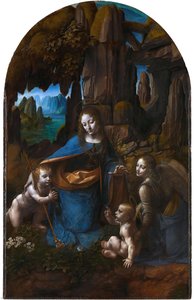
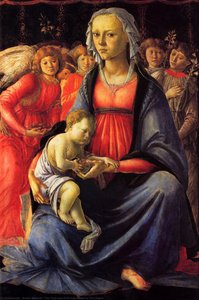
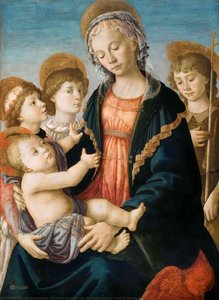
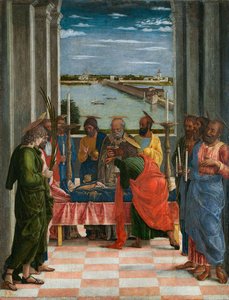
アーティストの略歴
Titian: A Venetian Master of Light and Color
The decade of the 1490s witnessed a burgeoning Renaissance across Europe, a period marked by renewed interest in classical art and a shift towards humanism. Within this vibrant landscape emerged Titian Vecellio (c. 1488/90 – August 27, 1576), an artist whose influence would reverberate through generations of painters. Born in Pieve di Cadore, a small town nestled in the foothills of the Dolomites in present-day Italy, Titian’s early life was steeped in the traditions of Venetian craftsmanship and artistic apprenticeship. His father, Gregorio Vecellio, was a military man, while his older brother, Francesco, followed in his footsteps as a painter, providing Titian with an initial grounding in the techniques of fresco painting. However, it was through his association with Gentile Bellini’s workshop that Titian truly began to hone his skills, absorbing the master's distinctive style and developing a keen eye for color and composition. The 1490s were pivotal years for Titian’s artistic development. He spent time under the tutelage of Marcantonio Raimondi, an engraver known for his meticulous reproductions of works by Raphael, gaining valuable experience in printmaking techniques. Crucially, he also worked closely with Giorgione, a fellow Venetian painter whose innovative use of color and atmospheric perspective profoundly influenced Titian’s own approach to painting. This collaboration, particularly during the decoration of the ‘Scuola del Santo’ in Padua, marked a significant turning point, establishing Titian as a rising star within the Venetian art world. The influence of Giorgione is evident in Titian's early works – a pastoral mood, an emphasis on light and shadow, and a willingness to experiment with unconventional color palettes—a departure from the more rigid conventions of earlier Renaissance painting.The Rise to Prominence: Portraits, Religious Scenes, and Public Commissions
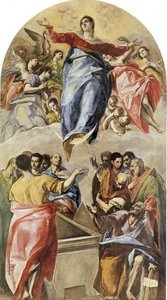
Titian’s career truly took flight in the early 1510s as he transitioned from working primarily on public commissions to accepting portraits for wealthy patrons. His ability to capture the likenesses of his subjects with remarkable detail and psychological insight quickly gained him renown throughout Italy. He painted numerous portraits of prominent figures, including members of the Venetian aristocracy, foreign dignitaries, and even the Pope himself. These portraits are characterized by their elegance, sophistication, and a subtle sense of glamour—a hallmark of Titian’s artistic style. Simultaneously, he continued to undertake significant religious commissions, producing altarpieces for prominent churches in Venice and beyond. His ‘Assunta’ for Santa Maria Gloriosa dei Frari in Venice remains a landmark achievement, demonstrating his mastery of composition, color, and dramatic lighting.Expanding Horizons: The North Italian Courts and the Counter-Reformation
As Titian's reputation grew, he began to attract the attention of powerful patrons in Northern Italy, including Alfonso I d’Este of Ferrara and Philip II of Spain. He spent considerable time at these courts, adapting his style to suit the tastes of his new employers while retaining his own distinctive artistic voice. During this period, Titian's palette became increasingly vibrant and luminous, reflecting the influence of Mannerism—a movement that emphasized elegance, refinement, and a sense of artificiality. Furthermore, Titian’s work gained prominence during the Counter-Reformation, with the Catholic Church recognizing his ability to create emotionally resonant religious paintings. His works were frequently used in churches and chapels to inspire piety and devotion.Technique and Legacy: A Master of Color and Composition
Titian’s artistic legacy rests on several key innovations. He was a pioneer in the use of oil paint, allowing him to achieve unprecedented levels of color saturation and luminosity. His technique involved layering thin glazes of pigment upon each other, creating a rich, complex surface that shimmered with reflected light. He also developed a distinctive approach to composition, often employing asymmetrical arrangements and dynamic diagonals to create a sense of movement and drama. Titian’s influence extended far beyond his own lifetime, shaping the course of Venetian painting and inspiring generations of artists—from Rubens and Rembrandt to Monet and Matisse. His emphasis on color, light, and emotional expression continues to resonate with viewers today, solidifying his place as one of the greatest painters in Western art history. His works are held in major museums worldwide, including the National Gallery in London, the Galleria dell’Accademia in Venice, and the Prado Museum in Madrid, testament to their enduring beauty and artistic significance.
pedro machuca
1490 - 1550 , Spain
基本情報
- Artistic Movement Or Style: Renaissance painting”
- Artists Or Movements Influenced By This Artist:
- Venetian School
- European painting
- Artists Who Influenced This Artist:
- Giorgione
- Gentile Bellini
- Date Of Birth: c. 1490
- Date Of Death: 1576
- Full Name: Tiziano Vecellio”
- Nationality: Venetian
- Notable Artworks:
- Assumption of the Virgin
- Venus of Urbino
- Bacchus and Ariadne
- Place Of Birth: Pieve di Cadore, Italy