

 プレビュー
プレビュー
 プリントを購入
 シェアする
シェアする シェアする
シェアする
 詳細を見る
詳細を見る

 ダウンロード
 似ている作品
 X線調査
X線調査 スライドショー
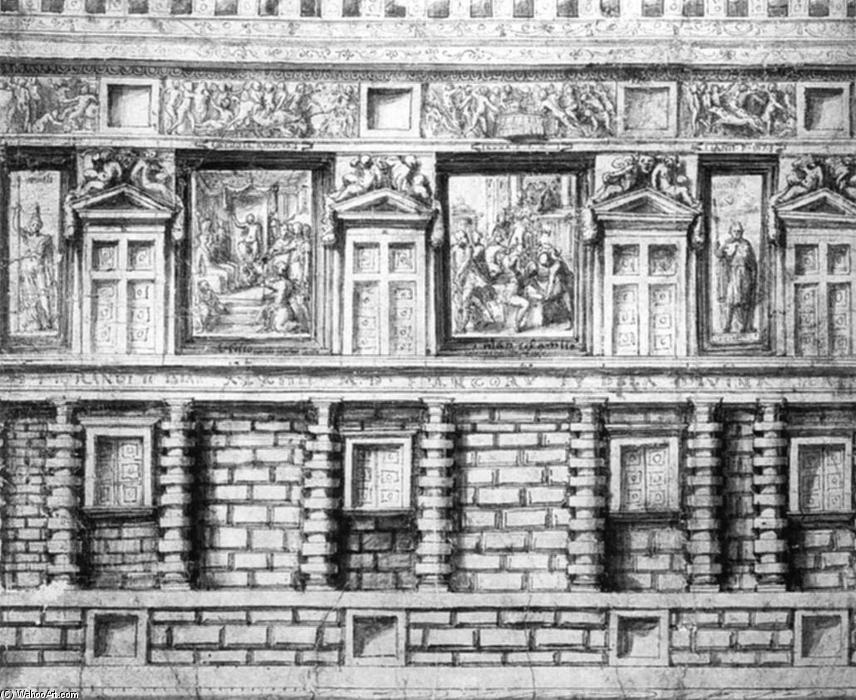
ドリア别墅北面壁画
 キャンバスにアクリル絵具
- ウォールアート
- Mannerist Style
 1532
1532 294.0 x 362.0 cm
 国立美術館 (Rijksmuseum)
 詳細を見る
詳細を見る
オンラインプレビューをはるかに凌ぐ、高解像度で鮮明なデジタル画像をご購入いただけます。
各ファイルは、社内の専門家が高度なツールと熟練した手作業によるレタッチを用いて、細心の注意を払って準備されています。すべての画像において、卓越した鮮明度、正確な色彩再現性、そして繊細なディテールを保証いたします。
最終ファイルは、プロフェッショナルな編集・印刷環境ですぐにご利用いただけるよう最適化された状態で、72時間以内にメールにてお届けいたします。これは、一流のデザインスタジオ、出版社、ギャラリーから信頼されているものと同等の品質です。
デジタル画像のご注文に付随する特典
高品質なデジタル画像配信を、確かな品質で。
ArtsDot.com を選ぶことは、単に画像を手に入れることではありません。それは、プロの手によって精密に仕上げられ、満足保証が付いた高品質なデジタルアートワークを受け取ることを意味します。ご注文いただいた際に自動的に付随する内容は、以下の通りです:

メールですぐにお届け
ご注文から72時間以内に、高解像度のデジタル画像ファイルがメールでお手元に届きます。すぐにそのままご利用いただけます。

AI技術で最適化されたデジタルファイル
お客様の作品は、高度なAIツールと専門家による手作業の編集を組み合わせてプロフェッショナルに最適化されており、細部のディテール、鮮明さ、そして正確な色再現性を最大限に引き出しています。

一生涯無料の再送サービス
ファイルを誤って削除したり、紛失してしまったりしましたか?ご安心ください。いつでも無料で再送いたします。

輸入手数料は一切かかりません
関税や手数料、配送料を気にすることなく、お気に入りのアートワークをすぐにお楽しみいただけます。デジタルダウンロードは常に免税です。

色彩再現の保証
プロ仕様のツールとカラーマネジメント技術を用いることで、デジタル画像が元の色を最大限に忠実に再現することを保証いたします。

100日間満足保証
ご購入いただいたデジタル画像にご満足いただけない場合は、100日以内であれば、修正または100%の返金(理由を問う必要はありません)をさせていただきます。

100% 返金保証
ご満足いただけない場合は、デジタルファイルを受け取ってから100日以内であれば、理由を問わず全額返金いたします。

まとめ買い割引
3枚購入で10%OFF - 5枚購入で15%OFF - 10枚以上購入で20%OFF。クリエイティブなプロジェクト、ギャラリー、エージェンシーに最適です。
北ドリア宮殿のファサード:ペリノ・デル・ヴァガの洗練された古典主義
ペリノ・デル・ヴァガは、イタリアのマニエリスモ時代を代表する画家の一人であり、その作品は洗練された技術と卓越した美的感覚で知られています。特に彼の描いた「北ドリア宮殿のファサード」は、当時の建築様式と芸術思想を反映しており、美術愛好家やインテリアデザイナーにとって特別な魅力を持っています。この絵画は1532年にペリノがイタリアのジェーノヴァで制作したもので、現在、アムステルダム国立美術館に収蔵されています。 この作品は、黒インクと紙に描かれた詳細な建築設計図であり、高さ約362センチメートルという広大なサイズ感も特徴です。ペリノ・デル・ヴァガの卓越した技術は、特に古典的な建築様式における細部の表現において顕著に現れています。柱やピエゾドームなどの要素が組み込まれ、窓には複雑な彫刻が施され、人物像が配置されています。これらの要素は、当時のイタリア社会における権威と美意識を象徴しており、見る人に深い感動を与えます。特に窓に描かれた人物像は、日常生活の情景を描き出し、宮殿の居住者の生活様式を物語っています。 ペリノ・デル・ヴァガは、フィレンツェで生まれ、リドオルフォ・ギリランダイオの下で美術教育を受けました。彼の指導者は「イル・ヴァガ」と名付けられ、この指導者から彼は卓越した技術と古典的な美意識を吸収しました。「イル・ヴァガ」との出会いは、ペリノの芸術家としての道を大きく変えるものであり、その後の作品に大きな影響を与えました。彼は特にジェーノヴァやピストイアで制作した壮大なフレスコ画は、当時のイタリア美術における傑作として高く評価されています。これらのフレスコ画は、単なる美しい絵画だけでなく、当時の社会情勢と文化的な価値観を伝えるものであり、ペリノ・デル・ヴァガの芸術家としての功績を証明しています。 この絵画は、宮殿建設プロジェクトにおける設計図としても機能しており、当時の建築技術と芸術家の創造性を反映しています。ペリノ・デル・ヴァガは、光と影の表現において驚くべき技巧を見せており、特に窓に描かれた人物像は、宮殿の居住者の日常生活を生き生きと描き出しています。この絵画は、単なる美しい建築物だけでなく、当時の社会生活と文化的な価値観を伝えるものであり、ペリノ・デル・ヴァガの芸術家としての才能を示すとともに、マニエリスモ美術における卓越した技術と美的感覚を表現しています。この作品は、見る人に感動と驚きを与え、イタリア美術史に永遠の名を刻んでいます。関連作品
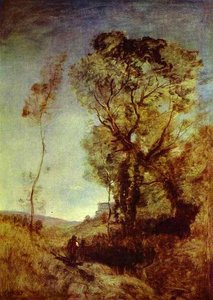

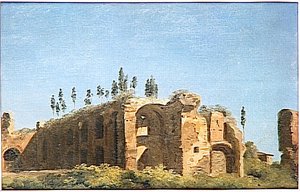
作家の略歴
The Wandering Spirit of the Florentine Renaissance
Pietro Buonaccorsi, known to history through the evocative moniker Perino del Vaga, remains one of the most captivating figures of the transition from the High Renaissance to the intricate complexities of Mannerism. Born in Florence around 1501 into a lineage of artistic talent, his very name—Vaga, meaning wandering or idle—suggests a restless creative energy that would eventually carry him far beyond the borders of his native Tuscany. While his early years were rooted in the humanist traditions of Florence, his artistic soul was forged through a series of profound encounters and migrations that allowed him to weave together the disparate threads of Italian art into a singular, decorative brilliance.
His formative training began under the watchful eye of Ridolfo Ghirlandaio, where he mastered the foundational principles of Florentine clarity and anatomical precision. Yet, it was an encounter with a mysterious mentor, often referred to simply as il Vaga, that truly ignited his fascination with the theatrical and the illusionistic. This early mentorship instilled in him a lifelong devotion to the art of decoration, teaching him how to manipulate space and light to transform flat surfaces into windows of infinite depth. As he matured, Perino’s work began to reflect a sophisticated understanding of quadratura, the technique of using architectural perspective to deceive the eye, a skill that would later make him indispensable to the great patrons of Italy.
A Journey Through Power and Patronage
The trajectory of Perino’s career is a map of the most influential courts of the sixteenth century. His early successes in Florence, working on prestigious commissions for the Medici family, established him as a master of aristocratic grandeur. His ability to decorate the monumental spaces of the Palazzo Vecchio and design intricate tapestries demonstrated a versatility that caught the attention of the Roman elite. By approximately 1530, Perino had relocated to Rome, a move that would redefine his artistic destiny. In the shadow of the Vatican, he found a powerful protector in Cardinal Alessandro Farnese III, whose patronage allowed Perino to engage with the most ambitious architectural and decorative projects of the age.
During his Roman period, Perino became a vital contributor to the visual identity of the Papal court. His hand can be seen embellishing the magnificent Palazzo Farnese and contributing to the monumental task of decorating St. Peter’s Basilica. In these sacred and secular halls, he applied the principles of Mannerism—elongated forms, complex poses, and a vibrant, sometimes jarring color palette—to create environments that were as much about emotional impact as they were about religious devotion. His work during this era represents a bridge between the balanced harmony of the previous century and the expressive, often restless energy of the burgeoning Mannerist movement.
Legacy of the Master Decorator
Beyond the walls of Rome, Perino’s influence stretched into the maritime strength of Genoa and the historic centers of Pistoia. His frescoes in these cities serve as enduring testaments to his ability to command large-scale narratives. Whether depicting the celestial grace of a Madonna with Child or the dramatic tension found in works like The Fall of the Giants, Perino possessed a unique talent for blending the monumental with the delicate. His mastery of perspective, inspired by the architectural innovations of Andrea Palladio and the muscular dynamism of Michelangelo, allowed him to create spaces that felt both physically imposing and spiritually transcendent.
The historical significance of Perino del Vaga lies in his role as a primary architect of the Mannerist aesthetic. He did not merely paint figures; he designed atmospheres. His ability to integrate painting with architecture, creating seamless transitions between reality and illusion, left an indelible mark on the decorative arts of Europe. Though his life was cut short in 1547, the legacy of his wandering brush remains visible in the grand palaces and sacred basilicas of Italy, reminding us of a master who could turn stone and plaster into living, breathing drama.
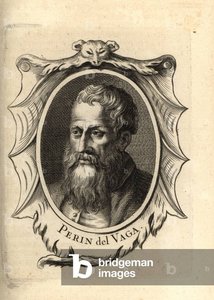
perino del vaga (piero buonaccorsi)
1501 - 1547 , Italy
プロフィール概要
- Artistic Movement Or Style: Mannerist Painting
- Artists Who Influenced This Artist:
- Andrea Doria
- Ridolfo Ghirlandaio
- Date Of Birth: Florence, Italy (1501)
- Date Of Death: October 19, 1547
- Full Name: Piero Buonaccorsi
- Nationality: Italian
- Notable Artworks:
- Madonna with Child
- North Façade of the Villa Doria
- Adoration of the Child
- Place Of Birth: Florence