

 プレビュー
プレビュー
 プリントを購入
 シェアする
シェアする シェアする
シェアする
 詳細を見る
詳細を見る

 ダウンロード
 似ている作品
 X線調査
X線調査 スライドショー
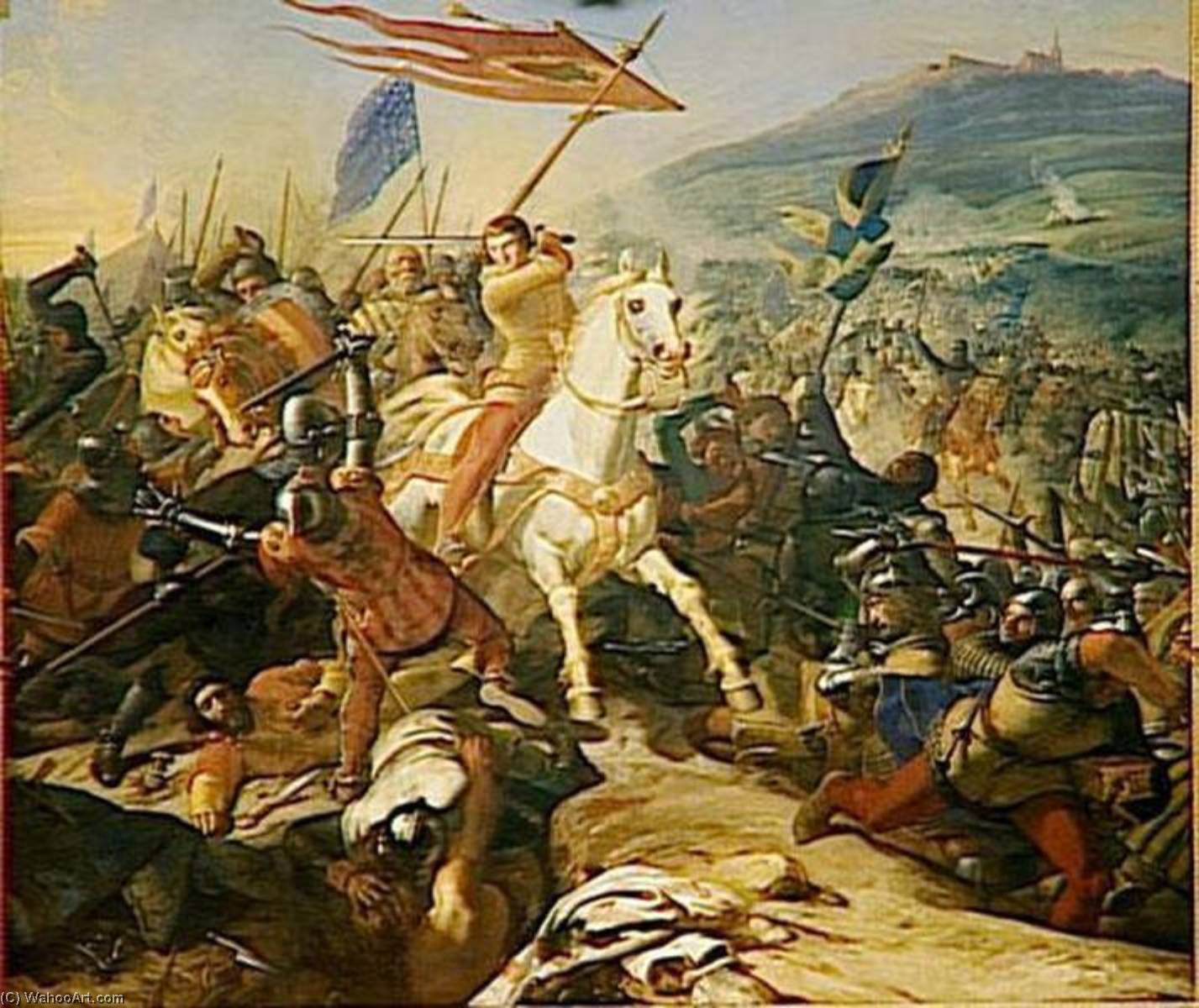
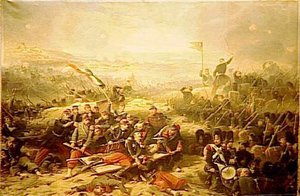
BATAILLE DE MONS EN PUELLE.18 AOUT 1304

 詳細を見る
詳細を見る
オンラインプレビューをはるかに凌ぐ、高解像度で鮮明なデジタル画像をご購入いただけます。
各ファイルは、社内の専門家が高度なツールと熟練した手作業によるレタッチを用いて、細心の注意を払って準備されています。すべての画像において、卓越した鮮明度、正確な色彩再現性、そして繊細なディテールを保証いたします。
最終ファイルは、プロフェッショナルな編集・印刷環境ですぐにご利用いただけるよう最適化された状態で、72時間以内にメールにてお届けいたします。これは、一流のデザインスタジオ、出版社、ギャラリーから信頼されているものと同等の品質です。
デジタル画像のご注文に付随する特典
高品質なデジタル画像配信を、確かな品質で。
ArtsDot.com を選ぶことは、単に画像を手に入れることではありません。それは、プロの手によって精密に仕上げられ、満足保証が付いた高品質なデジタルアートワークを受け取ることを意味します。ご注文いただいた際に自動的に付随する内容は、以下の通りです:

メールですぐにお届け
ご注文から72時間以内に、高解像度のデジタル画像ファイルがメールでお手元に届きます。すぐにそのままご利用いただけます。

AI技術で最適化されたデジタルファイル
お客様の作品は、高度なAIツールと専門家による手作業の編集を組み合わせてプロフェッショナルに最適化されており、細部のディテール、鮮明さ、そして正確な色再現性を最大限に引き出しています。

一生涯無料の再送サービス
ファイルを誤って削除したり、紛失してしまったりしましたか?ご安心ください。いつでも無料で再送いたします。

輸入手数料は一切かかりません
関税や手数料、配送料を気にすることなく、お気に入りのアートワークをすぐにお楽しみいただけます。デジタルダウンロードは常に免税です。

色彩再現の保証
プロ仕様のツールとカラーマネジメント技術を用いることで、デジタル画像が元の色を最大限に忠実に再現することを保証いたします。

60日間満足保証
ご購入いただいたデジタル画像にご満足いただけない場合は、60日以内であれば、修正または100%の返金(理由を問う必要はありません)をさせていただきます。

100% 返金保証
ご満足いただけない場合は、デジタルファイルを受け取ってから60日以内であれば、理由を問わず全額返金いたします。

まとめ買い割引
3枚購入で10%OFF - 5枚購入で15%OFF - 10枚以上購入で20%OFF。クリエイティブなプロジェクト、ギャラリー、エージェンシーに最適です。
関連作品
作家の略歴
A Legacy Forged in Classicism: The Life and Art of Charles-Philippe Larivière
Charles-Philippe Larivière, born in 1798 and passing in 1876, stands as a compelling figure within the landscape of 19th-century French academic painting. Though perhaps not a household name today, his career embodies the transition between Neoclassical rigor and the burgeoning Romantic sensibility, ultimately solidifying his reputation as a skilled history painter specializing in scenes of both grand public events and intimate medieval narratives. Larivière’s artistic journey was one deeply rooted in formal training, nurtured by some of the most prominent artists of his time—Paulin Guérin, Jean-Antoine Girodet-Trioson, and Antoine-Jean Gros—and punctuated by prestigious accolades that propelled him into a position of official recognition within the French art establishment. His life unfolded against a backdrop of shifting political tides and evolving artistic tastes, influencing both the subject matter he chose to depict and the manner in which he approached his craft.Early Training and Roman Sojourn
Larivière’s dedication to painting was evident early on, leading him to enter the École des Beaux-Arts in 1813. This immersion into the established artistic curriculum provided a solid foundation in draftsmanship and composition. His talent quickly became apparent; he achieved second prize in the coveted Prix de Rome competition in 1819, followed by a *médaille d'encouragement* in 1820—signals of his burgeoning potential. However, it was his triumph in 1824, winning first prize with “The Death of Alcibiades,” that truly marked a turning point. This victory secured him the esteemed opportunity to reside at the Villa Medici in Rome from 1824 to 1830. The years spent in Italy were formative, allowing Larivière to study firsthand the masterpieces of classical antiquity and Renaissance art. While steeped in this tradition, he also absorbed the growing currents of Romanticism that swept across Europe, a duality that would become characteristic of his mature style.A Painter of History: Themes and Techniques
Upon returning to France, Larivière established himself as an official artist specializing in historical paintings. His subject matter was diverse, yet consistently focused on moments of national significance or dramatic episodes from the past. He became particularly known for his depictions of battles—not merely as scenes of conflict, but as opportunities to explore themes of heroism, sacrifice, and patriotism. The *Ancien Régime* provided ample inspiration, with Larivière recreating pivotal clashes like “The Battle of the Dunes” with meticulous detail and a sense of theatrical grandeur. He also turned his attention to medieval history, bringing to life events such as the battles of Montgisard and Castillon. His technique blended the precision of classical training with a Romantic flair for dramatic lighting and emotional intensity. Larivière’s canvases are characterized by carefully rendered figures, dynamic compositions, and a rich palette that evokes both realism and a sense of historical atmosphere. He wasn't solely focused on large-scale battle scenes; portraits of prominent public figures and religious works also featured in his oeuvre, demonstrating the breadth of his skill.Recognition and Public Commissions
Larivière’s talent did not go unnoticed. He debuted at the Paris Salon in 1827 and continued to exhibit regularly, earning medals in both 1831 and 1855—testaments to his growing reputation among critics and collectors. Crucially, he benefitted from significant public commissions, a hallmark of success for an academic painter of the period. Perhaps most notably, he contributed three paintings to the *Galerie des Batailles* at the Château de Versailles, solidifying his place within the national artistic narrative. In 1836, he was awarded the Légion d'honneur, further cementing his status as a respected artist. His international recognition extended beyond France; he received the Tunisian *Nichan Iftikhar*, acknowledging his contributions to the arts on a broader scale.Lasting Influence and Artistic Legacy
Charles-Philippe Larivière’s artistic lineage is noteworthy, being the grandson of painter Charles Lepointre. His familial connection to the art world undoubtedly influenced his early development. He also held a close relationship with Albert Maigna through marriage. Beyond personal connections, his work reflects a fascinating intersection of artistic movements. While firmly grounded in classical principles—evident in his precise draftsmanship and compositional balance—he embraced the emotional intensity and dramatic flair of Romanticism. His portraits of historical figures for the Musée d'Histoire de France at Versailles, including Marshals Rochambeau, Bugeaud, and Saint-Arnaud, remain valuable historical documents. Even his decorative work, such as the chapel dedicated to Saint-Eustache and cartoons for stained glass windows at the Chapelle Royale de Dreux, demonstrate his versatility. The final painting by Larivière to enter a French public collection—"Le Tasse convalescent au couvent de Saint-Onufre," acquired in 2001 by the Museum of Grenoble—serves as a poignant reminder of his enduring artistic legacy. His work continues to offer insights into the complexities of 19th-century French art and the evolving representation of history, heroism, and national identity.
philippe lariviere
1798 - 1876
プロフィール概要
- Artistic Movement Or Style: Academic painting, Romanticism
- Artists Who Influenced This Artist:
- Paulin Guérin
- Girodet-Trioson
- Antoine-Jean Gros
- Date Of Birth: 1798
- Date Of Death: 1876
- Full Name: Charles-Philippe Larivière
- Nationality: French
- Notable Artworks:
- Death of Alcibiades
- Battle of the Dunes
- Montgisard
- Castillon

