

 プリントを購入
 シェアする
シェアする シェアする
シェアする
 詳細を見る
詳細を見る

 ダウンロード
 似ている作品
 スライドショー
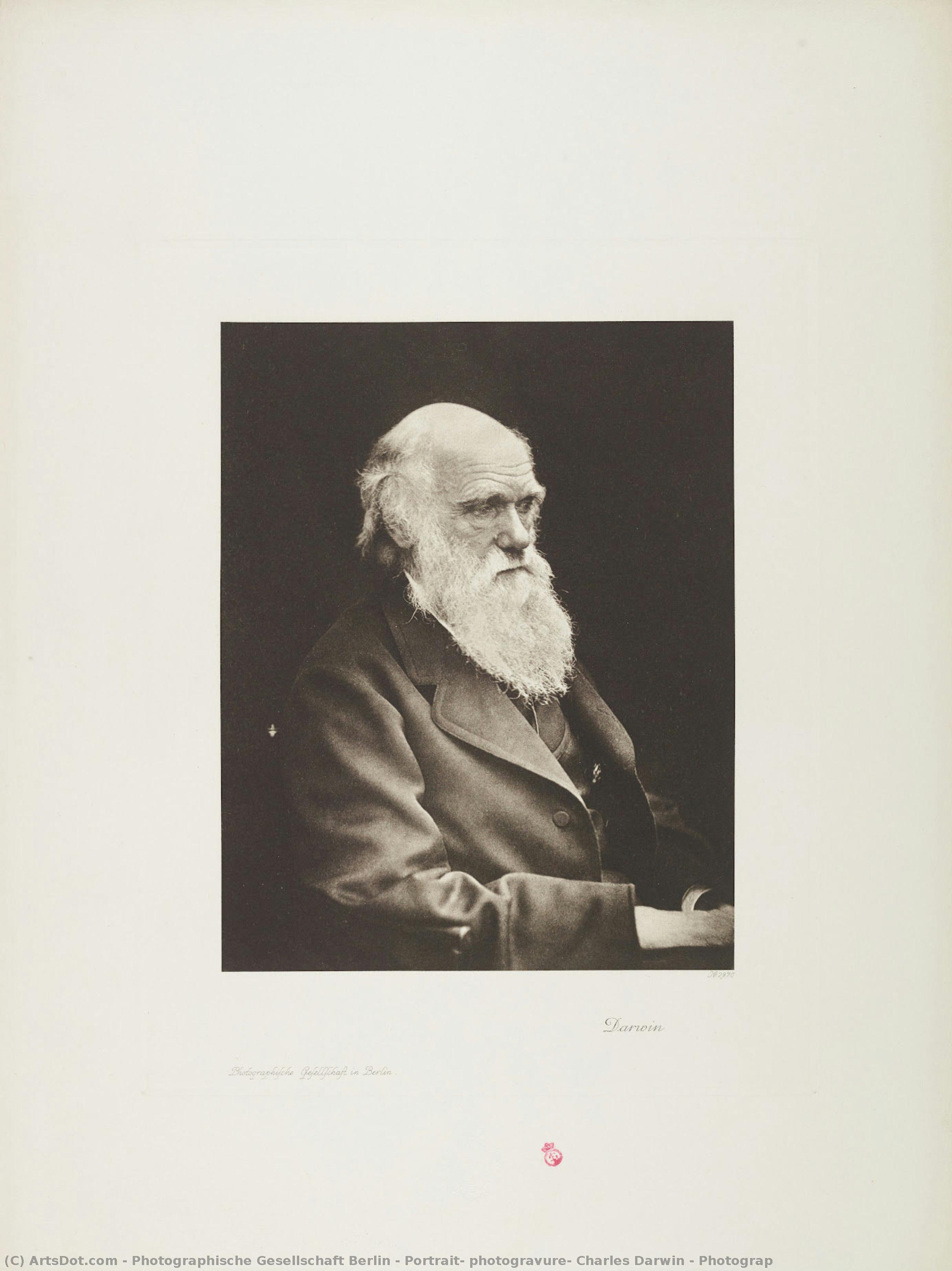
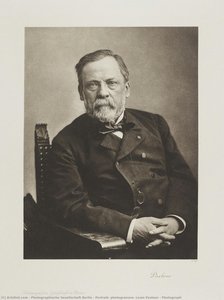
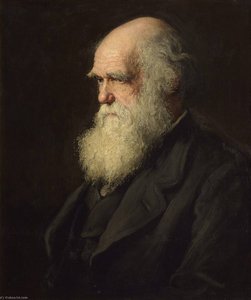
Portrait, photogravure, Charles Darwin / Photograp


 詳細を見る
詳細を見る




































作品のオリジナル比率に合わせた、当店の規定サイズからお選びください。

特定のフレームやスペースに合わせて、ご希望のサイズをご入力いただけます。選択されたサイズが元の画像の比率と異なる場合、アートワークをトリミングするか、手描きで要素を追加して絵画を拡張いたします。デジタルモックアップ を制作し、制作開始前にご確認(承認)をいただきます。
画面上のプレビューは、実際のトリミングや拡張を正確に反映しているものではありません。最終的な構図は、モックアップによってのみ正確にご確認いただけます。
カスタムサイズもご利用いただけますが、元の比率を維持するためには、あらかじめ用意されたリストからサイズを選択することをお勧めいたします。
ご注文後、ArtsDot.com チームより詳細な指示をお送りするとともに、仕上がりイメージ(モックアップ)をご提供いたします。


 ガラスオプションは、110cm未満のサイズでのみご利用いただけます。

Portrait, photogravure, Charles Darwin / Photograp
複製技法
複製画のサイズ
-


合計金額
$ 263
A Window Into Victorian Thought: The Photographische Gesellschaft Berlin’s Darwin Portrait
The Photographische Gesellschaft Berlin stands as a testament to the burgeoning ambition of German photography in the early 20th century—a movement determined not merely to document reality but to elevate image-making into an art form worthy of serious contemplation. Their exquisite photogravure portrait of Charles Darwin, executed in 1919, exemplifies this ethos perfectly, offering a glimpse into both scientific inquiry and artistic sensibility during a pivotal era. This remarkable print transcends its technical merits; it embodies the intellectual fervor of the time and speaks to enduring themes of observation, knowledge, and the profound impact of scientific discovery on human understanding.Technical Brilliance: Photogravure – A Process of Distinction
Photogravure represents more than just a printing method—it’s an artistic discipline in itself. Unlike lithography or etching, which rely on transferring images onto plates using chemical processes, photogravure utilizes the photographic emulsion to create incredibly detailed impressions. The Photographische Gesellschaft Berlin mastered this technique with exceptional precision. The resulting image possesses a velvety tonal range and remarkable textural richness, achieved through multiple passes of ink over sensitized paper. This meticulous process ensured that every nuance of Darwin’s facial features—the furrowed brow, the thoughtful gaze—was faithfully reproduced, capturing not just his likeness but also conveying an aura of intellectual seriousness. The subtle graininess inherent in photographic paper contributes to the print's authenticity and reinforces its connection to the era’s visual culture.Symbolism Beyond Representation: Darwin’s Portrait as Emblem
The choice of Darwin as subject wasn’t accidental; it reflected the Gesellschaft’s commitment to portraying figures who embodied intellectual pursuits and challenged conventional wisdom. Darwin, a champion of evolutionary theory, represented a radical departure from prevailing religious dogma—a confrontation between faith and scientific observation that captivated the public imagination. The portrait itself serves as a visual metaphor for this intellectual struggle. Darwin's pose – upright, contemplative – conveys confidence in reasoned inquiry while simultaneously acknowledging the complexities inherent in unraveling the mysteries of nature. Furthermore, the plain white background underscores the purity of scientific thought, stripping away extraneous ornamentation to focus solely on the subject’s countenance and intellect.Historical Context: Berlin’s Artistic Renaissance
Berlin during the Belle Époque was a crucible of artistic innovation, fueled by industrial growth and a cosmopolitan spirit. The Photographische Gesellschaft Berlin flourished within this environment, attracting talented artists and craftsmen who recognized the potential for photography to transcend mere reproduction and achieve expressive artistry. They actively sought collaborations with prominent illustrators and designers, pushing the boundaries of photographic technique and elevating its status as a respected medium for artistic expression. This print stands as a symbol of Berlin’s cultural dynamism—a celebration of scientific advancement intertwined with aesthetic refinement.Emotional Resonance: Capturing Genius
Ultimately, the Photographische Gesellschaft Berlin's Darwin portrait succeeds in conveying an emotional resonance that extends far beyond a simple likeness. The soft lighting and careful composition imbue the image with a sense of solemn dignity, inviting viewers to contemplate Darwin’s legacy as a transformative thinker. It captures not just his physical appearance but also the essence of his intellectual conviction—a quiet determination to pursue truth through observation and experimentation. This print remains an enduring reminder that art can illuminate the human condition and inspire reflection on fundamental questions about our place in the natural world.関連作品
![Twist: Avec Ray Charles [twist: With Ray Charles] — マリク・シディベ, Documentary Photography](/media/artworks/images-thumb/a1/d8/a1d85fc1080b9d1c49a031fc3935ab12.jpg)
関連記事

Monochrome Visions: Exploring the Aesthetic & Historical Significance of Black & White Photography
Explore the rich history & artistic power of black and white photography. From early techniques to iconic masters like Ansel Adams, discover why monochrome continues to captivate art lovers today. Expert insights for collectors.
Beyond the Lens: Photography's Enduring Influence on Modern & Contemporary Art
Explore photography's pivotal role in shaping modern & contemporary art. Discover key movements, influential artists like Stieglitz, and expert collecting advice from ArtsDot.
Pictorialism: A Search for Artistic Photography's Soul – Aesthetics, Techniques & Legacy
Explore the captivating world of Pictorialism – a pivotal movement that transformed photography into fine art. Discover key artists like Stieglitz & Käsebier, techniques, and collecting tips from experts.
Witnessing History Through Lens & Light: Documentary Photography's Enduring Legacy
Explore the powerful history of documentary photography – from its origins to contemporary masters like Gordon Parks & W. Eugene Smith. Discover how this art form shapes our understanding of society and witness pivotal moments in time.
ベルリン国立美術館の至宝25選:名画と芸術の物語 | ArtsDot
ベルリン国立美術館の至宝25選。ネフェルティティ像、ペルガモン祭壇など、名画と芸術作品の物語を紐解きます。シンケルの建築美も堪能。ArtsDot.comで高品質な複製画やインテリアアートを探求し、お部屋に永遠の輝きを。

