

 プリントを購入
 シェアする
シェアする シェアする
シェアする
 詳細を見る
詳細を見る

 ダウンロード
 似ている作品
 スライドショー
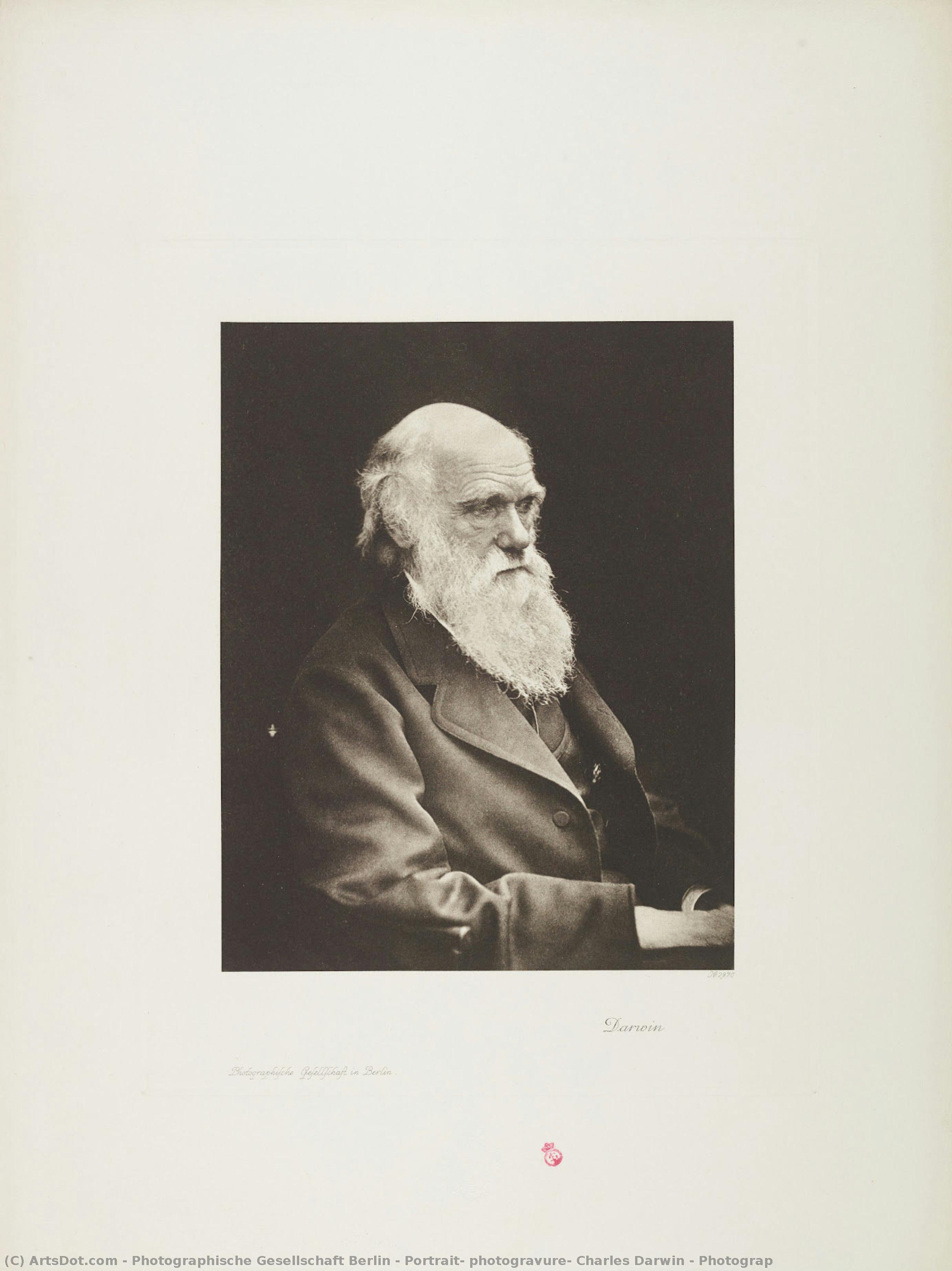
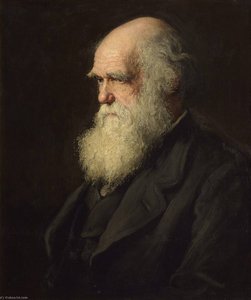
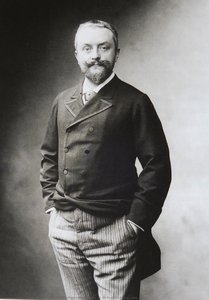
Portrait, photogravure, Charles Darwin / Photograp


 詳細を見る
詳細を見る
オンラインプレビューをはるかに凌ぐ、高解像度で鮮明なデジタル画像をご購入いただけます。
各ファイルは、社内の専門家が高度なツールと熟練した手作業によるレタッチを用いて、細心の注意を払って準備されています。すべての画像において、卓越した鮮明度、正確な色彩再現性、そして繊細なディテールを保証いたします。
最終ファイルは、プロフェッショナルな編集・印刷環境ですぐにご利用いただけるよう最適化された状態で、72時間以内にメールにてお届けいたします。これは、一流のデザインスタジオ、出版社、ギャラリーから信頼されているものと同等の品質です。
デジタル画像のご注文に付随する特典
高品質なデジタル画像配信を、確かな品質で。
ArtsDot.com を選ぶことは、単に画像を手に入れることではありません。それは、プロの手によって精密に仕上げられ、満足保証が付いた高品質なデジタルアートワークを受け取ることを意味します。ご注文いただいた際に自動的に付随する内容は、以下の通りです:

メールですぐにお届け
ご注文から72時間以内に、高解像度のデジタル画像ファイルがメールでお手元に届きます。すぐにそのままご利用いただけます。

AI技術で最適化されたデジタルファイル
お客様の作品は、高度なAIツールと専門家による手作業の編集を組み合わせてプロフェッショナルに最適化されており、細部のディテール、鮮明さ、そして正確な色再現性を最大限に引き出しています。

一生涯無料の再送サービス
ファイルを誤って削除したり、紛失してしまったりしましたか?ご安心ください。いつでも無料で再送いたします。

輸入手数料は一切かかりません
関税や手数料、配送料を気にすることなく、お気に入りのアートワークをすぐにお楽しみいただけます。デジタルダウンロードは常に免税です。

色彩再現の保証
プロ仕様のツールとカラーマネジメント技術を用いることで、デジタル画像が元の色を最大限に忠実に再現することを保証いたします。

60日間満足保証
ご購入いただいたデジタル画像にご満足いただけない場合は、60日以内であれば、修正または100%の返金(理由を問う必要はありません)をさせていただきます。

100% 返金保証
ご満足いただけない場合は、デジタルファイルを受け取ってから60日以内であれば、理由を問わず全額返金いたします。

まとめ買い割引
3枚購入で10%OFF - 5枚購入で15%OFF - 10枚以上購入で20%OFF。クリエイティブなプロジェクト、ギャラリー、エージェンシーに最適です。
A Window Into Victorian Thought: The Photographische Gesellschaft Berlin’s Darwin Portrait
The Photographische Gesellschaft Berlin stands as a testament to the burgeoning ambition of German photography in the early 20th century—a movement determined not merely to document reality but to elevate image-making into an art form worthy of serious contemplation. Their exquisite photogravure portrait of Charles Darwin, executed in 1919, exemplifies this ethos perfectly, offering a glimpse into both scientific inquiry and artistic sensibility during a pivotal era. This remarkable print transcends its technical merits; it embodies the intellectual fervor of the time and speaks to enduring themes of observation, knowledge, and the profound impact of scientific discovery on human understanding.Technical Brilliance: Photogravure – A Process of Distinction
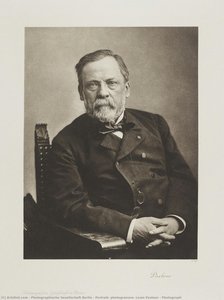
Photogravure represents more than just a printing method—it’s an artistic discipline in itself. Unlike lithography or etching, which rely on transferring images onto plates using chemical processes, photogravure utilizes the photographic emulsion to create incredibly detailed impressions. The Photographische Gesellschaft Berlin mastered this technique with exceptional precision. The resulting image possesses a velvety tonal range and remarkable textural richness, achieved through multiple passes of ink over sensitized paper. This meticulous process ensured that every nuance of Darwin’s facial features—the furrowed brow, the thoughtful gaze—was faithfully reproduced, capturing not just his likeness but also conveying an aura of intellectual seriousness. The subtle graininess inherent in photographic paper contributes to the print's authenticity and reinforces its connection to the era’s visual culture.Symbolism Beyond Representation: Darwin’s Portrait as Emblem
The choice of Darwin as subject wasn’t accidental; it reflected the Gesellschaft’s commitment to portraying figures who embodied intellectual pursuits and challenged conventional wisdom. Darwin, a champion of evolutionary theory, represented a radical departure from prevailing religious dogma—a confrontation between faith and scientific observation that captivated the public imagination. The portrait itself serves as a visual metaphor for this intellectual struggle. Darwin's pose – upright, contemplative – conveys confidence in reasoned inquiry while simultaneously acknowledging the complexities inherent in unraveling the mysteries of nature. Furthermore, the plain white background underscores the purity of scientific thought, stripping away extraneous ornamentation to focus solely on the subject’s countenance and intellect.Historical Context: Berlin’s Artistic Renaissance
Berlin during the Belle Époque was a crucible of artistic innovation, fueled by industrial growth and a cosmopolitan spirit. The Photographische Gesellschaft Berlin flourished within this environment, attracting talented artists and craftsmen who recognized the potential for photography to transcend mere reproduction and achieve expressive artistry. They actively sought collaborations with prominent illustrators and designers, pushing the boundaries of photographic technique and elevating its status as a respected medium for artistic expression. This print stands as a symbol of Berlin’s cultural dynamism—a celebration of scientific advancement intertwined with aesthetic refinement.Emotional Resonance: Capturing Genius
Ultimately, the Photographische Gesellschaft Berlin's Darwin portrait succeeds in conveying an emotional resonance that extends far beyond a simple likeness. The soft lighting and careful composition imbue the image with a sense of solemn dignity, inviting viewers to contemplate Darwin’s legacy as a transformative thinker. It captures not just his physical appearance but also the essence of his intellectual conviction—a quiet determination to pursue truth through observation and experimentation. This print remains an enduring reminder that art can illuminate the human condition and inspire reflection on fundamental questions about our place in the natural world.関連作品
![Twist: Avec Ray Charles [twist: With Ray Charles] — マリク・シディベ, Documentary Photography](/media/artworks/images-thumb/a1/d8/a1d85fc1080b9d1c49a031fc3935ab12.jpg)

作家の略歴
The Pioneering Vision of the Photographische Gesellschaft Berlin
In the burgeoning landscape of 19th-century photography, a collective spirit took root in Berlin that would profoundly shape the medium’s trajectory – the Photographische Gesellschaft Berlin. Founded in 1862, this wasn't merely a society of photographers; it was an incubator of innovation, a crucible where artistic ambition met technological advancement. Emerging at a time when photography was striving to establish itself as more than just a mechanical reproduction of reality, the Gesellschaft played a pivotal role in elevating it to the status of a recognized art form and a burgeoning commercial enterprise. The story of this organization is inextricably linked to the broader narrative of photographic history, reflecting the rapid evolution of techniques and aesthetics during a period of intense experimentation.Forging New Paths: Technology and Artistic Exploration
The Photographische Gesellschaft Berlin distinguished itself from its contemporaries through a dual commitment to artistic expression and technical mastery. While many early photographic societies focused primarily on one or the other, this group actively pursued both avenues simultaneously. They weren’t content simply to capture images; they sought to refine the processes that made those images possible. This dedication led to significant contributions in the development of photographic technologies, particularly in the realm of photogravure – a sophisticated etching process allowing for incredibly detailed and tonally rich reproductions. This technique became something of a hallmark for the Gesellschaft, enabling them to produce prints of exceptional quality and nuance. The pursuit of technical excellence wasn’t an end in itself, however; it was always viewed as a means to enhance artistic possibilities. The society fostered a vibrant environment where photographers could experiment with different approaches, pushing creative boundaries and exploring the unique aesthetic qualities inherent in the medium. This spirit of innovation attracted talented individuals, including the notable figure of Heinrich Zille, who served as a technician for the organization from 1877 to 1907. His contributions were instrumental in maintaining the Gesellschaft’s technical prowess and his own work mirrored the evolving photographic landscape of Berlin.A Legacy Etched in Portraits and Publications
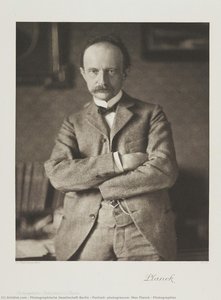
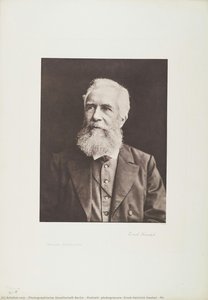
The Photographische Gesellschaft Berlin's artistic output was remarkably diverse, but they became particularly renowned for their portrait photogravures. These weren’t simply likenesses; they were carefully crafted representations of prominent figures from the scientific, intellectual, and cultural spheres. Portraits of luminaries such as Max Planck, William Thomson (Baron Kelvin), Ernst Heinrich Haeckel, Wilhelm Konrad Röntgen, Dmitri Mendeleev, and Gustav Theodor Fechner stand as testaments to the society’s skill in capturing not only physical appearance but also a sense of personality and intellectual gravitas. These portraits weren't merely exercises in technical proficiency; they were statements about the value of knowledge and achievement, reflecting the Gesellschaft’s commitment to celebrating human intellect. Beyond individual works, the society actively disseminated its expertise through catalogues and exhibitions. Publications like “Catalogue of an Exhibition of Contemporary German Graphic Art” and “A Selection of the publications of the Berlin Photographic Co.” served as vital platforms for showcasing their work and promoting photography as a legitimate art form to a wider audience.Enduring Influence and Historical Significance
Though the Photographische Gesellschaft Berlin dissolved in 1927, its impact continues to resonate today. The society’s influence extended far beyond its own lifespan, inspiring generations of photographers who carried forward its traditions of artistic excellence and technical innovation. Its work can be found in numerous museums and galleries worldwide, including the Kunstsammlungen und Museen Augsburg, serving as a tangible link to a pivotal moment in photographic history. The Gesellschaft’s legacy lies not only in the beautiful prints it produced, but also in its role in fundamentally changing perceptions of photography. By demonstrating the medium's capacity for artistic expression and commercial viability, they helped pave the way for its widespread acceptance and enduring popularity. The organization stands as a powerful example of how collaboration, innovation, and dedication can converge to shape an art form and leave an indelible mark on cultural history. The spirit of inquiry and artistic ambition that defined the Photographische Gesellschaft Berlin continues to inspire photographers and art enthusiasts alike, reminding us of the transformative power of this remarkable medium.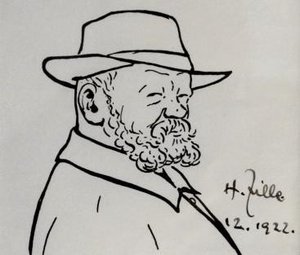
Photographische Gesellschaft Berlin
1862 - 1927

