

 プレビュー
プレビュー
 プリントを購入
 シェアする
シェアする シェアする
シェアする
 詳細を見る
詳細を見る

 ダウンロード
 似ている作品
 X線調査
X線調査 スライドショー
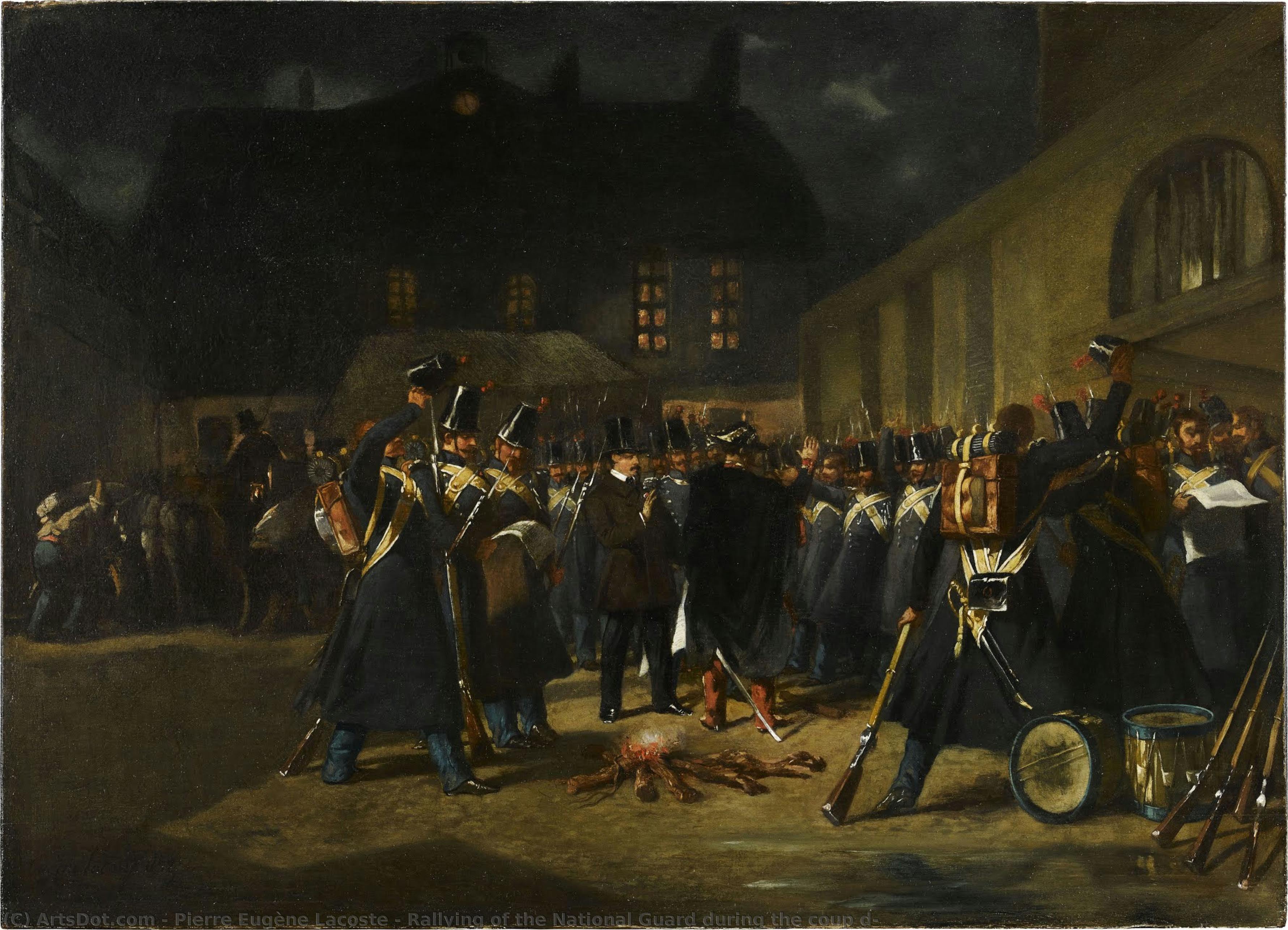
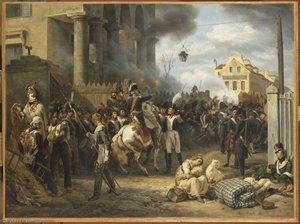
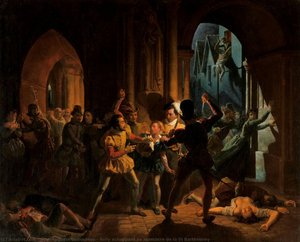
Rallying of the National Guard during the coup d


 詳細を見る
詳細を見る




P118B $10

P118H $10

P118W $10

P438Z $10

P508JH $12

P508YH $12

P805H $10

P805Z $10

P919BZ $10

P919G $10

P919XJ $10

P959ZH $10

P968JZ $12

W106C $8

W218G $10

W218JH $8

W218Y $10

W307PJ $10

W316G $10

W316PJ $8

W316Y $10

W398PJ $8

W4111J $10

W500HY $15

W500JH $15

W692G $12

W849H $8

W940BG $15

W953PJ $8




作品のオリジナル比率に合わせた、当店の規定サイズからお選びください。

特定のフレームやスペースに合わせて、ご希望のサイズをご入力いただけます。選択されたサイズが元の画像の比率と異なる場合、アートワークをトリミングするか、手描きで要素を追加して絵画を拡張いたします。デジタルモックアップ を制作し、制作開始前にご確認(承認)をいただきます。
画面上のプレビューは、実際のトリミングや拡張を正確に反映しているものではありません。最終的な構図は、モックアップによってのみ正確にご確認いただけます。
カスタムサイズもご利用いただけますが、元の比率を維持するためには、あらかじめ用意されたリストからサイズを選択することをお勧めいたします。
ご注文後、ArtsDot.com チームより詳細な指示をお送りするとともに、仕上がりイメージ(モックアップ)をご提供いたします。


 ガラスオプションは、110cm未満のサイズでのみご利用いただけます。

Rallying of the National Guard during the coup d
複製技法
複製画のサイズ
-


合計金額
$ 263
作品解説
A Moment Frozen in Time: The Spirit of the National Guard
In the evocative monochrome depths of Pierre Eugène Lacoste’s 1852 masterpiece, Rallying of the National Guard during the coup d'état, we are transported to a pivotal moment of French history. The painting serves as a window into a period of profound political upheaval, capturing not just a military gathering, but the very pulse of a nation in transition. Through a masterful use of light and shadow, Lacoste presents a group of men in uniform gathered upon a street, their presence commanding yet heavy with the gravity of the era. The absence of color strips away modern distractions, forcing the viewer to confront the raw, structural essence of the scene—the sharp lines of military garb, the glint of steel swords, and the somber, determined expressions of the soldiers.
The composition is a study in unity and collective purpose. As the eye wanders through the assembly, one notices the intricate layering of figures; some stand in the immediate foreground, their details rendered with a clarity that suggests an intimate proximity to the viewer, while others recede into the misty background, creating a sense of vast, unfolding history. This arrangement does more than provide depth; it symbolizes the strength of the collective. The swords, held or worn by the men, act as silent sentinels of preparedness, suggesting that this is not merely a social gathering, but a demonstration of readiness and a testament to the commitment these individuals hold toward their cause.
The Artistry of Shadow and Historical Resonance
Technically, Lacoste utilizes a monochromatic palette to evoke the feeling of an archival memory. By working within the constraints of black and white, he emphasizes texture and form—the heavy fabric of the uniforms, the ruggedness of the street, and the atmospheric tension that hangs over the assembly. This stylistic choice lends the work an eternal quality, making it feel less like a fleeting snapshot and perhaps more like a monumental lithograph brought to life through paint. The interplay of light suggests a flickering torchlight or a dim, overcast day, casting long shadows that add a layer of psychological complexity to the soldiers' faces.
For the discerning collector or interior designer, this piece offers a profound emotional resonance. It is an artwork that commands attention through its quiet intensity rather than through loud, vibrant colors. Integrating a high-quality reproduction of this work into a space introduces a sense of historical gravity and intellectual depth. Whether placed in a study lined with leather-bound books or as a focal point in a contemporary gallery-style living room, the painting invites contemplation on themes of duty, tradition, and the cyclical nature of revolution. It is an invitation to possess a fragment of the 19th century, preserved through the visionary lens of one of France's most skilled historical chroniclers.
関連作品


アーティストの略歴
The Visionary of the Stage: The Life and Art of Pierre Eugène Lacoste
In the vibrant, flickering candlelight of nineteenth-century Paris, a period defined by the sweeping emotional tides of Romanticism, there lived an artist whose true canvas was not merely paper or stone, but the very fabric of theatrical illusion. Pierre Eugène Lacoste (1818–1907) was a polymath of the visual arts, a man whose creative spirit flowed seamlessly between the precision of a draftsman, the tactile depth of a sculptor, and the imaginative grandeur of a costume designer. While history often reserves its brightest spotlights for those who painted landscapes or captured portraits, Lacoste carved out a legacy within the ephemeral world of the opera, where his ability to breathe life into historical myth through textile and form became legendary.
Born in the heart of Paris, Lacoste’s early years were steeped in an atmosphere of intense artistic rigor. He was not merely a self-taught dreamer but a student of the masters, receiving a formidable education under the guidance of luminaries such as Léon Cogniet, Charles-Antoine Cambon, and Amaranthe Rouillet. This lineage of realism provided him with an indispensable foundation; from them, he inherited a profound respect for anatomical accuracy and the subtle nuances of light and shadow. This training ensured that even when his work ventured into the fantastical realms of stagecraft, it remained anchored in a palpable, breathtaking reality. His early development was characterized by this unique tension between the disciplined observation of the naturalist and the soaring imagination of the Romantic.
A Masterpiece of Thread and Texture
The zenith of Lacoste’s career arrived when his meticulous eye met the monumental demands of the grand opera. He possessed a rare, almost archaeological devotion to historical authenticity, a quality that made him indispensable to the great productions of his era. Perhaps his most enduring triumph was his work on the revival of Verdi's Aida in 1880. Tasked with recreating the splendor of ancient Egypt, Lacoste did not settle for mere imitation. He delved into the study of Egyptian textiles and ancient motifs, employing innovative techniques to ensure that every drape of linen and every glint of gold felt as though it had been unearthed from a pharaoh's tomb. His designs were far more than clothing; they were narrative tools that communicated power, tragedy, and exoticism to an audience captivated by the spectacle.
Beyond the grand scale of opera, Lacoste’s artistry extended into the intimate and the illustrative. His skill as a painter and illustrator allowed him to capture the fleeting emotions of daily life and the dramatic tension of historical vignettes with equal prowess. Whether he was working on a delicate watercolor or a complex sculptural model, his hand was always guided by a commitment to expressive detail. This versatility allowed him to bridge the gap between the fine arts and the decorative arts, making him a pivotal figure in shaping the aesthetic landscape of the French nineteenth century.
Legacy of an Unsung Architect of Spectacle
Though the passage of time has occasionally obscured his name from the broader canon of art history, the influence of Pierre Eugène Lacoste remains etched in the DNA of theatrical design. He helped transform the stage from a place of simple performance into a total work of art, where costume, setting, and movement coalesced into a singular, immersive experience. His life’s work serves as a testament to the power of craftsmanship—the idea that true beauty is found in the meticulous attention to the smallest detail, whether it be the fold of a sleeve or the curve of a sculpted limb.
Today, we remember Lacoste not just as a designer, but as an architect of dreams. His ability to synthesize history, anatomy, and artistry allowed him to build worlds that felt both ancient and immediate. In the grand tapestry of French art, he remains a vital thread, reminding us that the most profound magic often resides in the hands of the craftsman who seeks to make the imaginary feel undeniably real.
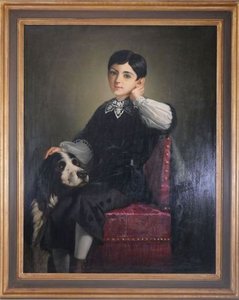
pierre eugène lacoste
1818 - 1907 , France
基本情報
- Artistic Movement Or Style: Romanticism
- Artists Or Movements Influenced By This Artist: ['Opera Costume Design']
- Artists Who Influenced This Artist:
- Amaranthe Rouillet
- Charles-Antoine Cambon
- Léon Cogniet
- Date Of Birth: Paris, France (1818)
- Date Of Death: 1907
- Full Name: Pierre Eugène Lacoste
- Nationality: French
- Notable Artworks: ['Rallying of the National Guard']
- Place Of Birth: Paris
関連記事

White on Canvas: 10 Masterpieces & Timeless Elegance for Your Home Decor
Explore 10 iconic white paintings by Monet, Whistler & Rothko! Discover the stories behind these serene masterpieces and their impact on art history. Find museum-quality reproductions for your home decor at .

Dark Masterpieces: 10 Iconic Paintings Dominated by Black Tones |
Explore 10 iconic paintings dominated by black tones, from Rembrandt’s chiaroscuro to Goya's dark expressions. Discover the stories behind these masterpieces & find museum-quality art reproductions for your home at .

Monochrome Visions: Exploring the Aesthetic & Historical Significance of Black & White Photography
Explore the rich history & artistic power of black and white photography. From early techniques to iconic masters like Ansel Adams, discover why monochrome continues to captivate art lovers today. Expert insights for collectors.
19th Century Masterpieces: 10 Paintings That Defined an Era | ArtsDot
Journey through 19th century art with ArtsDot! Explore 10 iconic paintings – from Monet & Renoir to Courbet – and discover the stories behind Romanticism, Realism & Impressionism. Find museum-quality reproductions for your home decor. Explore the full collection online!
ナショナル・ギャラリーの至宝25選:名画とアートデコレーションの世界 | ArtsDot
ロンドン・ナショナル・ギャラリーの至宝25選。モネ、レンブラントの名画から歴史的絵画まで、芸術作品の物語を紐解きます。ArtsDot.comで美術館品質の複製画とインテリアアートを見つけましょう。オンラインコレクションはこちら。

