

 プレビュー
プレビュー
 プリントを購入
 シェアする
シェアする シェアする
シェアする
 詳細を見る
詳細を見る

 ダウンロード
 似ている作品
 X線調査
X線調査 スライドショー
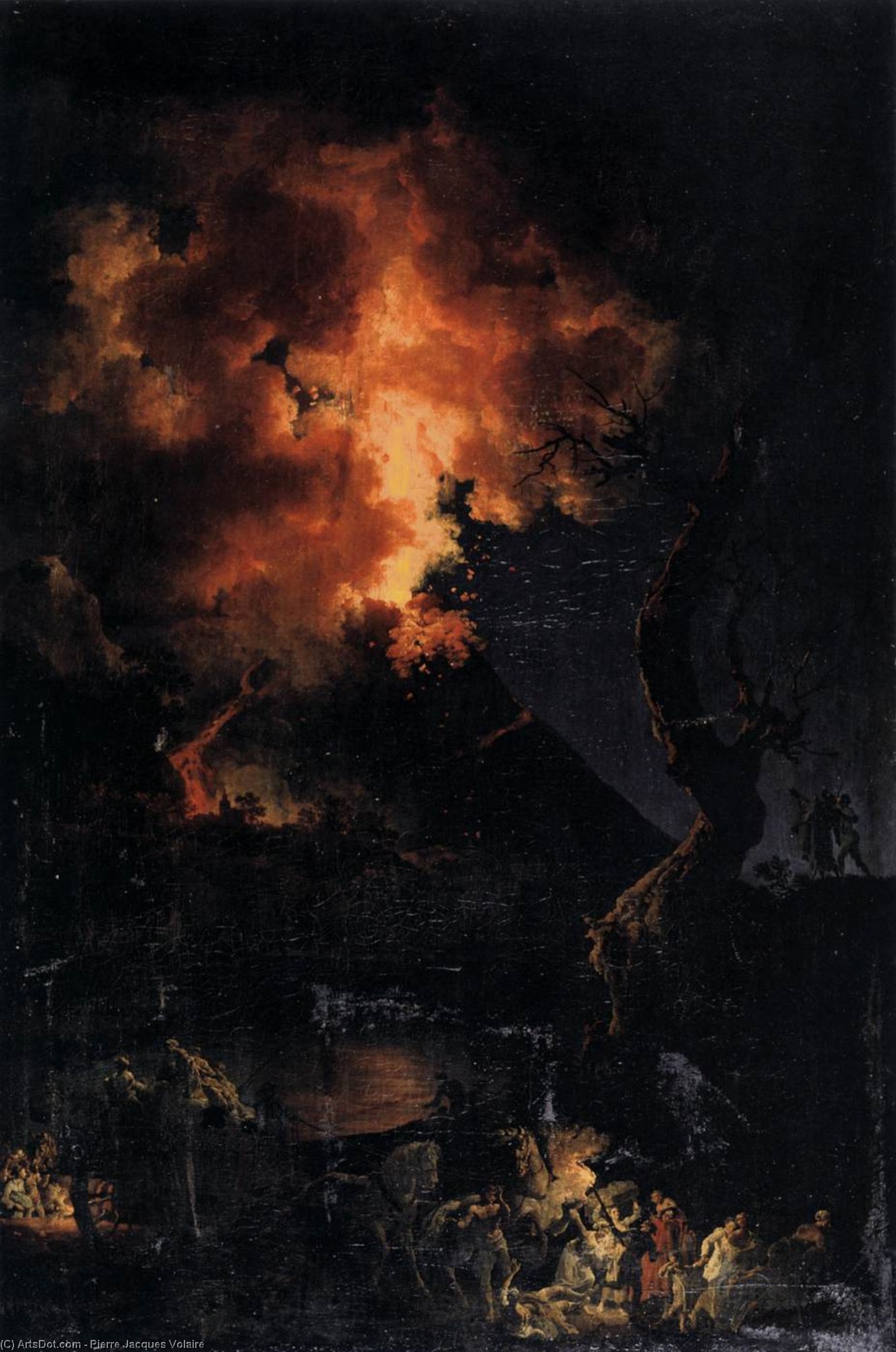
The Eruption of the Vesuvius
 Oil On Canvas
- WallArt
- Romanticism
 1767
1767 169.0 x 75.0 cm
 ルーブル美術館
 詳細を見る
詳細を見る
オンラインプレビューをはるかに凌ぐ、高解像度で鮮明なデジタル画像をご購入いただけます。
各ファイルは、社内の専門家が高度なツールと熟練した手作業によるレタッチを用いて、細心の注意を払って準備されています。すべての画像において、卓越した鮮明度、正確な色彩再現性、そして繊細なディテールを保証いたします。
最終ファイルは、プロフェッショナルな編集・印刷環境ですぐにご利用いただけるよう最適化された状態で、72時間以内にメールにてお届けいたします。これは、一流のデザインスタジオ、出版社、ギャラリーから信頼されているものと同等の品質です。
デジタル画像のご注文に付随する特典
高品質なデジタル画像配信を、確かな品質で。
ArtsDot.com を選ぶことは、単に画像を手に入れることではありません。それは、プロの手によって精密に仕上げられ、満足保証が付いた高品質なデジタルアートワークを受け取ることを意味します。ご注文いただいた際に自動的に付随する内容は、以下の通りです:

メールですぐにお届け
ご注文から72時間以内に、高解像度のデジタル画像ファイルがメールでお手元に届きます。すぐにそのままご利用いただけます。

AI技術で最適化されたデジタルファイル
お客様の作品は、高度なAIツールと専門家による手作業の編集を組み合わせてプロフェッショナルに最適化されており、細部のディテール、鮮明さ、そして正確な色再現性を最大限に引き出しています。

一生涯無料の再送サービス
ファイルを誤って削除したり、紛失してしまったりしましたか?ご安心ください。いつでも無料で再送いたします。

輸入手数料は一切かかりません
関税や手数料、配送料を気にすることなく、お気に入りのアートワークをすぐにお楽しみいただけます。デジタルダウンロードは常に免税です。

色彩再現の保証
プロ仕様のツールとカラーマネジメント技術を用いることで、デジタル画像が元の色を最大限に忠実に再現することを保証いたします。

60日間満足保証
ご購入いただいたデジタル画像にご満足いただけない場合は、60日以内であれば、修正または100%の返金(理由を問う必要はありません)をさせていただきます。

100% 返金保証
ご満足いただけない場合は、デジタルファイルを受け取ってから60日以内であれば、理由を問わず全額返金いたします。

まとめ買い割引
3枚購入で10%OFF - 5枚購入で15%OFF - 10枚以上購入で20%OFF。クリエイティブなプロジェクト、ギャラリー、エージェンシーに最適です。
作品の詳細
A Chronicle of Chaos: The Eruption of the Vesuvius by Pierre-Jacques Volaire
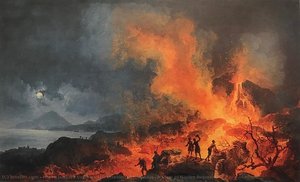
Pierre-Jacques Volaire’s “The Eruption of the Vesuvius,” painted in 1767, isn't merely a depiction of a volcanic disaster; it’s a visceral embodiment of Romanticism’s fascination with untamed nature and the sublime. This monumental canvas transports the viewer directly into the heart of a catastrophic event – the eruption of Mount Vesuvius that forever altered the landscape of Campania and claimed the lives of thousands. More than just a historical record, it's a carefully constructed drama of light, shadow, and human vulnerability against the overwhelming power of geological forces.
The scene unfolds with dramatic intensity. A towering column of incandescent lava dominates the left side of the composition, its fiery tendrils reaching towards a bruised twilight sky. Below, a village – a ghostly echo of Roman life – is consumed by flames and ash, figures rendered small and terrified against the scale of the destruction. The perspective is deliberately flattened, creating an immediate sense of claustrophobia as if we are plunged directly into the inferno. Volaire masterfully utilizes chiaroscuro—the stark contrast between light and dark—to heighten the drama, emphasizing the searing brilliance of the flames while casting deep shadows that suggest both despair and impending doom.
The Painter’s Vision: Romanticism and Volaire's Influence
Volaire’s work is deeply rooted in the artistic currents of his time. He was a student of Claude Joseph Vernet, a leading figure in the development of landscape painting and particularly adept at capturing dramatic natural events. Vernet instilled in Volaire a profound respect for the power of nature and a willingness to depict its destructive forces with unflinching realism. This influence is evident in Volaire’s bold brushstrokes, his dynamic composition, and his skillful use of color to evoke emotion. The painting aligns perfectly with the tenets of Romanticism – an emphasis on subjective experience, emotional intensity, and the glorification of nature's untamed beauty.
The choice of subject matter itself speaks volumes about the era. Following the excavations at Pompeii in the mid-18th century, there was a renewed public interest in ancient Rome and its dramatic demise. Vesuvius, having erupted repeatedly throughout history, became a potent symbol of both destruction and renewal. Volaire’s painting taps into this fascination, offering viewers a glimpse into a world consumed by chaos while simultaneously celebrating the grandeur and terror of nature's power.
Technique and Materials: A Study in Oil
“The Eruption of the Vesuvius” is executed in oil on canvas, showcasing Volaire’s mastery of technique. The artist employs a rich, impasto application of paint in the areas depicting the flames, creating a tactile surface that seems to writhe with heat and energy. Thicker layers of pigment build up volume and texture, drawing the viewer's eye to the focal points of the composition – the erupting volcano and the terrified figures below. The darker tones used for the village buildings and landscape create a sense of depth and recession, while the vibrant oranges and reds of the flames provide a dramatic counterpoint.
The color palette is carefully considered, dominated by deep browns, blacks, and fiery reds, punctuated by flashes of yellow and orange within the volcanic activity. This restrained yet powerful use of color contributes to the painting’s overall mood of drama and intensity. The artist's attention to detail—from the billowing smoke to the expressions of fear on the faces of the villagers—is remarkable, creating a scene that is both visually arresting and emotionally resonant.
Symbolism and Legacy: A Timeless Image
Beyond its immediate depiction of a volcanic eruption, “The Eruption of the Vesuvius” carries profound symbolic weight. The flames represent destruction, chaos, and the destructive forces of nature. The small figures in the foreground embody human vulnerability and helplessness in the face of overwhelming power. The painting serves as a reminder of humanity’s precarious position within the natural world – a humbling experience that evokes both awe and terror.
Reproductions of this iconic artwork continue to captivate audiences today, offering a powerful visual testament to the enduring legacy of Romanticism and Volaire's artistic genius. Whether adorning a grand salon or a more intimate space, “The Eruption of the Vesuvius” remains a compelling reminder of nature’s raw power and the human condition.
関連作品

作家の略歴
ピエール=ジャック・ヴォレール:火山が放つ威厳、ロマン主義のヴィジョン
フランスのトゥーロンに生まれたピエール=ジャック・ヴォレール(1729年 – 1790年代)は、街の公式画家を務めた高名な芸術家であり、作家でもあった父の血を引いています。この芸術的な系譜は、彼の中に視覚的な物語性と職人技への深い敬愛を育み、彼をその時代を代表する風景画家へと導く原動力となりました。ヴォレールの形成期において決定的な役割を果たしたのは、啓蒙主義時代に最も称賛された海洋画家、クロード=ジョゼフ・ヴェルネの指導でした。この師弟関係は、ヴォレールの様式的な感性に深い影響を与え、海岸線の壮大な景色や火山の噴火を捉えようとする彼の情熱を確固たるものにしました。極めて重要な8年間にわたり、ヴェルネはヴォレールのメンターとして、構図、色調の階調、そして油彩画が持つ表現の可能性に関する計り知れない知識を授けました。これらの技術は、後にヴォレール独自の作品群を象徴する特徴となったのです。- 初期の影響: 劇的な光の演出と空気遠近法を重視したヴェルネの手法は、視覚的表現を通じて感情を伝えたいという情熱をヴォレールの中に植え付けました。
- 訓練と技法: 彼はたゆまぬ努力によって技術を磨き上げ、驚異的な写実性を実現しながらも、風景画の中に芸術的な華やかさを吹き込む術を習得しました。
- 共鳴する精神: 二人の共同作業は知的な交流を促し、単なる観察研究の枠を超えて、ヴォレールの芸術的視野を大きく広げることとなりました。
- ロマン主義のヴィジョン: ヴォレールの絵画は、手つかずの風景や劇的な自然災害に対するロマン主義的な魅惑を体現しています。
- インパスト技法: 厚塗りの技法を用いることで、質感のコントラストを高め、画面にダイナミズムをもたらしました。
- 火山噴火の象徴性: 噴火は破壊的な力のメタファーとして機能し、自然の猛威を前にした人類の脆弱さに対する、当時の広範な不安を反映しています。
- オランダ黄金時代の影響: ヴォレールの風景画は、オランダ海洋画の精密さと優雅さからインスピレーションを得ています。
- 細部への観察眼: 城、港、船といった海岸の造形を緻密に描き出し、正確な描写への強いこだわりを示しました。
- 調和のとれた色彩: 抑えられた色調を用いることで、静かな思索と控えめな壮大さを湛えた空気感を作り出しています。
ピエール=ジャック・ヴォレール
1729 - 1799 , フランス
プロフィール概要
- Artistic Movement Or Style: ロマン主義風景画
- Artists Who Influenced This Artist: ['クロード=ジョゼフ・ヴェルネ']
- Date Of Birth: 1729年 フランス、トゥーロン
- Date Of Death: 1790年代 ナポリ
- Full Name: ピエール=ジャック・ヴォレール
- Nationality: フランス
- Notable Artworks:
- ヴェスヴィオの噴火
- 地中海の港の風景
- ヴェスヴィオ山の噴火の眺め
- Place Of Birth: フランス、トゥーロン

