

 プレビュー
プレビュー
 プリントを購入
 シェアする
シェアする シェアする
シェアする
 詳細を見る
詳細を見る

 ダウンロード
 似ている作品
 X線調査
X線調査 スライドショー
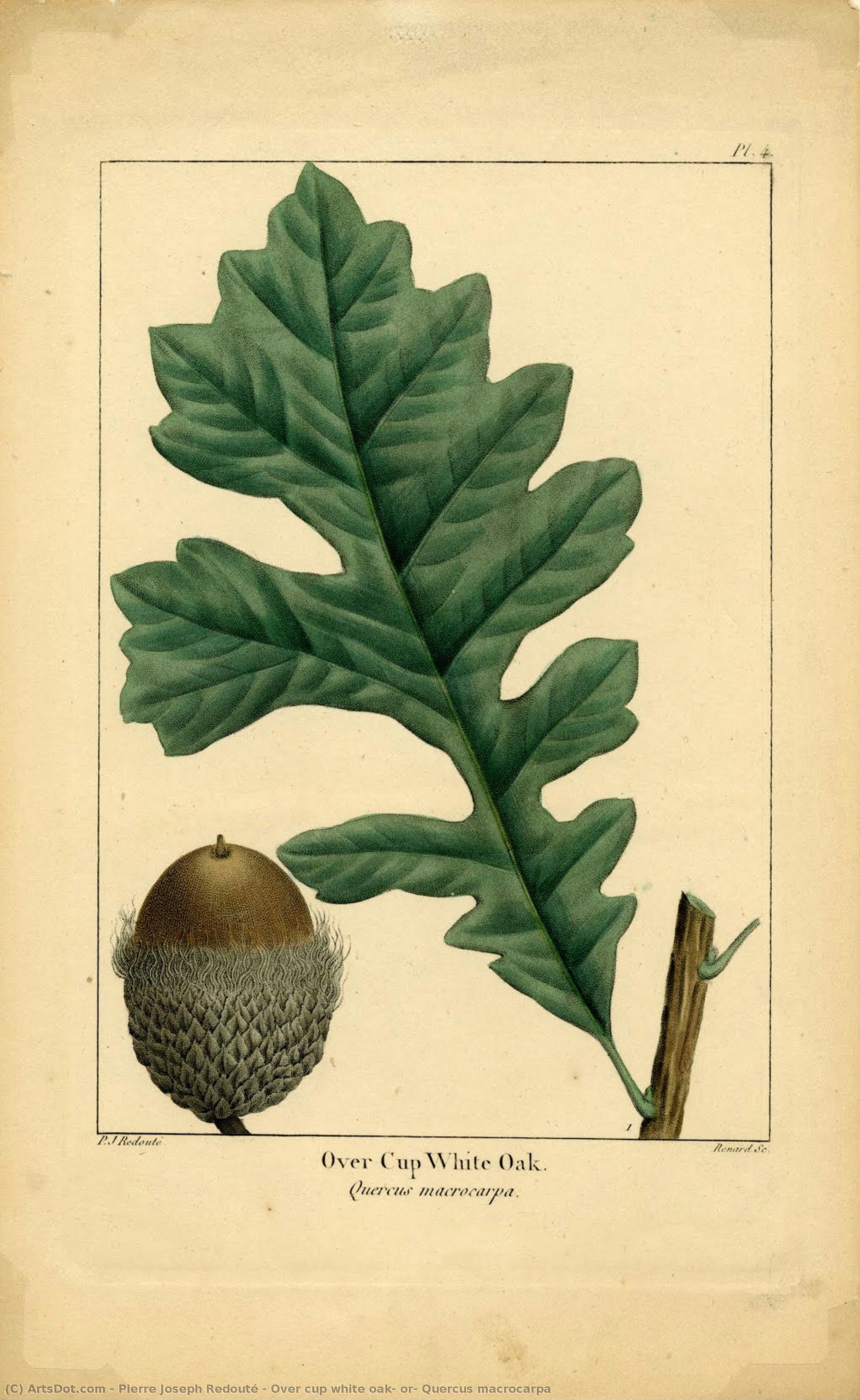
Over cup white oak, or, Quercus macrocarpa
 Watercolor
- WallArt
 1865
1865- 19th Century
 24.0 x 15.0 cm
 The Morton Arboretum
 詳細を見る
詳細を見る




































作品のオリジナル比率に合わせた、当店の規定サイズからお選びください。

特定のフレームやスペースに合わせて、ご希望のサイズをご入力いただけます。選択されたサイズが元の画像の比率と異なる場合、アートワークをトリミングするか、手描きで要素を追加して絵画を拡張いたします。デジタルモックアップ を制作し、制作開始前にご確認(承認)をいただきます。
画面上のプレビューは、実際のトリミングや拡張を正確に反映しているものではありません。最終的な構図は、モックアップによってのみ正確にご確認いただけます。
カスタムサイズもご利用いただけますが、元の比率を維持するためには、あらかじめ用意されたリストからサイズを選択することをお勧めいたします。
ご注文後、ArtsDot.com チームより詳細な指示をお送りするとともに、仕上がりイメージ(モックアップ)をご提供いたします。


 ガラスオプションは、110cm未満のサイズでのみご利用いただけます。

Over cup white oak, or, Quercus macrocarpa
複製技法
複製画のサイズ
-


合計金額
$ 263
A Botanical Masterpiece: The Elegance of the Overcup White Oak
In the delicate intersection of science and fine art lies the breathtaking botanical illustration of the Overcup White Oak, or Quercus macrocarpa. This exquisite piece, dating back to 1865, serves as a window into a bygone era where the pursuit of natural knowledge was inseparable from the mastery of the brush. The artwork presents a meticulous study of the oak, capturing the rugged yet graceful architecture of its foliage. A singular, expansive leaf dominates the composition, its surface etched with prominent, rhythmic veining that leads the eye toward the sturdy central stem. At the base of this verdant display sits a solitary acorn, a symbol of latent potential and the enduring cycle of life, rendered with such precision that one can almost feel the textured cap and smooth nut.
The aesthetic of this illustration is defined by its profound clarity and a minimalist approach that celebrates the subject in its purest form. Set against a stark, pristine white background, the Overcup White Oak emerges with a striking three-dimensional presence. This lack of environmental distraction allows the viewer to focus entirely on the subtle gradations of green and the intricate anatomical details that define the species. The style is characteristic of the high botanical tradition, where every line serves an educational purpose while simultaneously contributing to a harmonious, aesthetic whole. It is a work that demands close inspection, rewarding the observer with a deep appreciation for the complex beauty found in the natural world.
The Legacy of the Raphael of Flowers
While this specific print captures the spirit of mid-19th-century naturalism, it carries the profound DNA of the legendary Pierre-Joseph Redouté. Often whispered about in art circles as "the Raphael of Flowers," Redouté revolutionized botanical illustration through his unparalleled ability to marry scientific accuracy with poetic grace. His career, shaped by the royal courts of France and the lush gardens of Empress Joséphine, set a gold standard for how flora could be immortalized. This piece reflects that storied lineage, utilizing the delicate watercolor techniques and precise draughtsmanship that Reduté perfected. To possess such an image is to hold a fragment of history, echoing the era when botanical discoveries were celebrated through the lens of exquisite artistry.
For the discerning collector or interior designer, this reproduction offers more than mere decoration; it provides a sophisticated focal point that breathes life and organic elegance into any space. Whether placed in a sun-drenched library, a contemporary minimalist study, or a classic gallery wall, the Overcup White Oak brings an air of timelessness and intellectual depth. The piece evokes a sense of tranquility and wonder, making it an ideal choice for those looking to infuse their surroundings with the quiet majesty of the natural sciences. It is an investment in beauty, a tribute to the enduring strength of the oak, and a celebration of the meticulous hand that captures the fleeting perfection of nature.
関連作品

アーティストの略歴
Early Life and Training
- Born: July 10, 1759, in Saint-Hubert, Belgium
- Family of Artists: His father and grandfather were painters; his elder brother was a scenery designer.
- Early Career: Left home at age 13 to work as an itinerant painter, creating interior decorations, portraits, and religious commissions.
- Move to Paris (1782): Joined his brother in painting scenery for theaters in Paris.
Botanical Illustration and Patronage
- Meeting Botanists: Met Charles Louis L'Héritier de Brutelle and René Desfontaines, who introduced him to botanical illustration.
- Mentorship: Studied under L'Héritier and Gerard van Spaendonck, learning dissection techniques and watercolor handling.
- Royal Patronage: Became draughtsman and painter to Queen Marie Antoinette.
- Empress Joséphine’s Patronage (1798): Became the official artist for Empress Joséphine de Beauharnais at the Château de Malmaison, gaining access to a vast collection of exotic plants.
- Teaching: Taught painting to Princess Adélaïde of Orléans in 1809.
Major Works and Artistic Style
- Les Liliacées (The Lilies): A series of books published between 1802 and 1816, featuring over 400 hand-colored plates depicting lily-like plants.
- Les Roses (The Roses): Published between 1817 and 1824, containing nearly 170 plates showcasing different rose varieties.
- Watercolor Technique: Mastered watercolor painting, using meticulous brushwork and subtle shading to capture the delicate beauty of flowers.
- Composition: Often featured a single flower as the central focus, surrounded by leaves and stems.
Influences and Historical Significance
- Flemish and Dutch Flower Painters: Considered an important heir to the tradition of Brueghel, Ruysch, van Huysum, and de Heem.
- Jan van Huysum: Inspired by the work of this Dutch eighteenth-century flower painter during his early career.
- "Raphael of Flowers": Nicknamed for his exceptional skill and artistry.
- Legacy: Considered one of the greatest botanical illustrators of all time, influencing subsequent generations of artists. His works remain highly valued for their precision, accuracy, and beauty.
Later Life and Death
- Appointment at the Museum: Appointed a master of draughtsmanship for the National Museum of Natural History in 1822.
- Legion of Honour: Became a Chevalier of the Legion of Honour in 1825.
- Death: Died suddenly on June 19 or 20, 1840, and was interred in Père Lachaise Cemetery.
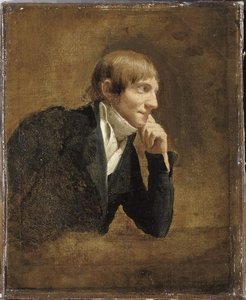
pierre joseph redouté
1759 - 1840 , Belgium
基本情報
- Artistic Movement Or Style: Botanical illustration
- Artists Who Influenced This Artist: ['Jan van Huysum']
- Date Of Birth: July 10, 1759
- Date Of Death: June 19, 1840
- Full Name: Pierre-Joseph Redouté
- Nationality: Belgian
- Notable Artworks:
- Rosa clinophyllarosa
- Rosa centifolia (cabbage rose)
- Rosa moschata (musk rose)
- Place Of Birth: Saint-Hubert, Belgium
関連記事

White on Canvas: 10 Masterpieces & Timeless Elegance for Your Home Decor
Explore 10 iconic white paintings by Monet, Whistler & Rothko! Discover the stories behind these serene masterpieces and their impact on art history. Find museum-quality reproductions for your home decor at .
The Flourishing Canvas: A Historical & Artistic Exploration of Botanical Illustration
Explore the rich history of botanical illustration! Discover key artists like Havell & Barraband, learn about scientific accuracy & aesthetic beauty. Shop museum-quality reproductions at ArtsDot.
The Flourishing Canvas: A Historical Journey Through Botanical Illustration
Explore the captivating history of botanical illustration! Discover renowned artists like Robert Havell & Mary Walcott, learn about techniques, and find museum-quality art at ArtsDot.com.
The Flourishing Canvas: A Historical Journey Through Botanical Illustration
Explore the captivating history of botanical illustration! Discover renowned artists like Robert Havell & Mary Walcott, learn about techniques, and find museum-quality art at ArtsDot.com.
Victorian Botanical Painting: Science, Art & Aesthetic Sensibility
Explore the exquisite world of Victorian botanical art! Discover the science & artistry behind stunning floral illustrations by Gould, Muckley & more. Learn about collecting, value & investment at ArtsDot.