

 プレビュー
プレビュー
 プリントを購入
 シェアする
シェアする シェアする
シェアする
 詳細を見る
詳細を見る

 ダウンロード
 似ている作品
 X線調査
X線調査 スライドショー
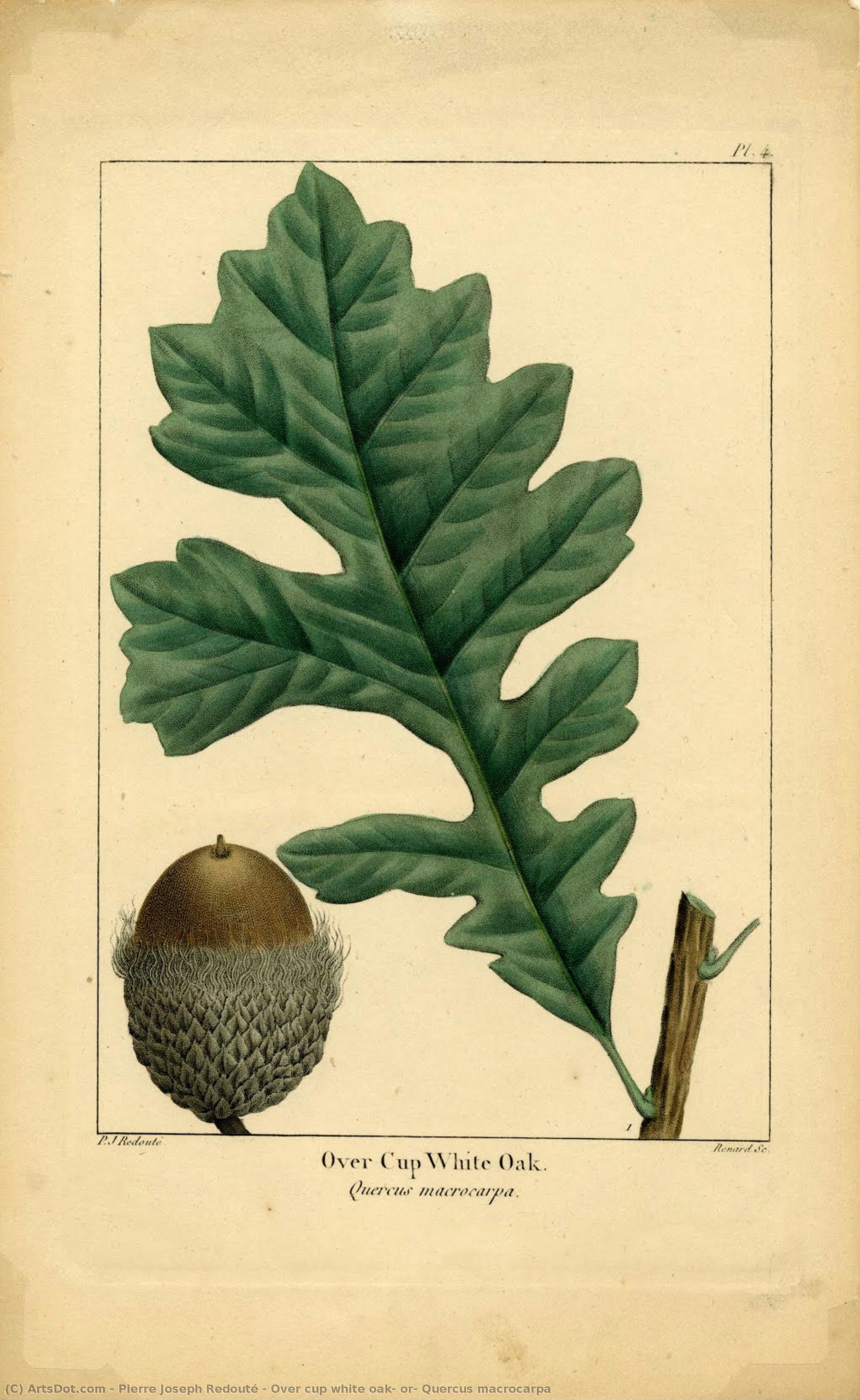
Over cup white oak, or, Quercus macrocarpa
 Watercolor
- WallArt
 1865
1865- 19th Century
 24.0 x 15.0 cm
 The Morton Arboretum
 詳細を見る
詳細を見る
オンラインプレビューをはるかに凌ぐ、高解像度で鮮明なデジタル画像をご購入いただけます。
各ファイルは、社内の専門家が高度なツールと熟練した手作業によるレタッチを用いて、細心の注意を払って準備されています。すべての画像において、卓越した鮮明度、正確な色彩再現性、そして繊細なディテールを保証いたします。
最終ファイルは、プロフェッショナルな編集・印刷環境ですぐにご利用いただけるよう最適化された状態で、72時間以内にメールにてお届けいたします。これは、一流のデザインスタジオ、出版社、ギャラリーから信頼されているものと同等の品質です。
デジタル画像のご注文に付随する特典
高品質なデジタル画像配信を、確かな品質で。
ArtsDot.com を選ぶことは、単に画像を手に入れることではありません。それは、プロの手によって精密に仕上げられ、満足保証が付いた高品質なデジタルアートワークを受け取ることを意味します。ご注文いただいた際に自動的に付随する内容は、以下の通りです:

メールですぐにお届け
ご注文から72時間以内に、高解像度のデジタル画像ファイルがメールでお手元に届きます。すぐにそのままご利用いただけます。

AI技術で最適化されたデジタルファイル
お客様の作品は、高度なAIツールと専門家による手作業の編集を組み合わせてプロフェッショナルに最適化されており、細部のディテール、鮮明さ、そして正確な色再現性を最大限に引き出しています。

一生涯無料の再送サービス
ファイルを誤って削除したり、紛失してしまったりしましたか?ご安心ください。いつでも無料で再送いたします。

輸入手数料は一切かかりません
関税や手数料、配送料を気にすることなく、お気に入りのアートワークをすぐにお楽しみいただけます。デジタルダウンロードは常に免税です。

色彩再現の保証
プロ仕様のツールとカラーマネジメント技術を用いることで、デジタル画像が元の色を最大限に忠実に再現することを保証いたします。

100日間満足保証
ご購入いただいたデジタル画像にご満足いただけない場合は、100日以内であれば、理由を問わず修正または100%の返金対応をさせていただきます。

100% 返金保証
ご満足いただけない場合は、デジタルファイルを受け取ってから100日以内であれば、理由を問わず全額返金いたします。

まとめ買い割引
3枚購入で10%OFF - 5枚購入で15%OFF - 10枚以上購入で20%OFF。クリエイティブなプロジェクト、ギャラリー、エージェンシーに最適です。
A Botanical Masterpiece: The Elegance of the Overcup White Oak
In the delicate intersection of science and fine art lies the breathtaking botanical illustration of the Overcup White Oak, or Quercus macrocarpa. This exquisite piece, dating back to 1865, serves as a window into a bygone era where the pursuit of natural knowledge was inseparable from the mastery of the brush. The artwork presents a meticulous study of the oak, capturing the rugged yet graceful architecture of its foliage. A singular, expansive leaf dominates the composition, its surface etched with prominent, rhythmic veining that leads the eye toward the sturdy central stem. At the base of this verdant display sits a solitary acorn, a symbol of latent potential and the enduring cycle of life, rendered with such precision that one can almost feel the textured cap and smooth nut.
The aesthetic of this illustration is defined by its profound clarity and a minimalist approach that celebrates the subject in its purest form. Set against a stark, pristine white background, the Overcup White Oak emerges with a striking three-dimensional presence. This lack of environmental distraction allows the viewer to focus entirely on the subtle gradations of green and the intricate anatomical details that define the species. The style is characteristic of the high botanical tradition, where every line serves an educational purpose while simultaneously contributing to a harmonious, aesthetic whole. It is a work that demands close inspection, rewarding the observer with a deep appreciation for the complex beauty found in the natural world.
The Legacy of the Raphael of Flowers
While this specific print captures the spirit of mid-19th-century naturalism, it carries the profound DNA of the legendary Pierre-Joseph Redouté. Often whispered about in art circles as "the Raphael of Flowers," Redouté revolutionized botanical illustration through his unparalleled ability to marry scientific accuracy with poetic grace. His career, shaped by the royal courts of France and the lush gardens of Empress Joséphine, set a gold standard for how flora could be immortalized. This piece reflects that storied lineage, utilizing the delicate watercolor techniques and precise draughtsmanship that Reduté perfected. To possess such an image is to hold a fragment of history, echoing the era when botanical discoveries were celebrated through the lens of exquisite artistry.
For the discerning collector or interior designer, this reproduction offers more than mere decoration; it provides a sophisticated focal point that breathes life and organic elegance into any space. Whether placed in a sun-drenched library, a contemporary minimalist study, or a classic gallery wall, the Overcup White Oak brings an air of timelessness and intellectual depth. The piece evokes a sense of tranquility and wonder, making it an ideal choice for those looking to infuse their surroundings with the quiet majesty of the natural sciences. It is an investment in beauty, a tribute to the enduring strength of the oak, and a celebration of the meticulous hand that captures the fleeting perfection of nature.
関連作品

作家の略歴
Early Life and Training
- Born: July 10, 1759, in Saint-Hubert, Belgium
- Family of Artists: His father and grandfather were painters; his elder brother was a scenery designer.
- Early Career: Left home at age 13 to work as an itinerant painter, creating interior decorations, portraits, and religious commissions.
- Move to Paris (1782): Joined his brother in painting scenery for theaters in Paris.
Botanical Illustration and Patronage
- Meeting Botanists: Met Charles Louis L'Héritier de Brutelle and René Desfontaines, who introduced him to botanical illustration.
- Mentorship: Studied under L'Héritier and Gerard van Spaendonck, learning dissection techniques and watercolor handling.
- Royal Patronage: Became draughtsman and painter to Queen Marie Antoinette.
- Empress Joséphine’s Patronage (1798): Became the official artist for Empress Joséphine de Beauharnais at the Château de Malmaison, gaining access to a vast collection of exotic plants.
- Teaching: Taught painting to Princess Adélaïde of Orléans in 1809.
Major Works and Artistic Style
- Les Liliacées (The Lilies): A series of books published between 1802 and 1816, featuring over 400 hand-colored plates depicting lily-like plants.
- Les Roses (The Roses): Published between 1817 and 1824, containing nearly 170 plates showcasing different rose varieties.
- Watercolor Technique: Mastered watercolor painting, using meticulous brushwork and subtle shading to capture the delicate beauty of flowers.
- Composition: Often featured a single flower as the central focus, surrounded by leaves and stems.
Influences and Historical Significance
- Flemish and Dutch Flower Painters: Considered an important heir to the tradition of Brueghel, Ruysch, van Huysum, and de Heem.
- Jan van Huysum: Inspired by the work of this Dutch eighteenth-century flower painter during his early career.
- "Raphael of Flowers": Nicknamed for his exceptional skill and artistry.
- Legacy: Considered one of the greatest botanical illustrators of all time, influencing subsequent generations of artists. His works remain highly valued for their precision, accuracy, and beauty.
Later Life and Death
- Appointment at the Museum: Appointed a master of draughtsmanship for the National Museum of Natural History in 1822.
- Legion of Honour: Became a Chevalier of the Legion of Honour in 1825.
- Death: Died suddenly on June 19 or 20, 1840, and was interred in Père Lachaise Cemetery.
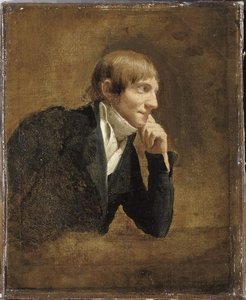
pierre joseph redouté
1759 - 1840 , Belgium
プロフィール概要
- Artistic Movement Or Style: Botanical illustration
- Artists Who Influenced This Artist: ['Jan van Huysum']
- Date Of Birth: July 10, 1759
- Date Of Death: June 19, 1840
- Full Name: Pierre-Joseph Redouté
- Nationality: Belgian
- Notable Artworks:
- Rosa clinophyllarosa
- Rosa centifolia (cabbage rose)
- Rosa moschata (musk rose)
- Place Of Birth: Saint-Hubert, Belgium