

 プレビュー
プレビュー
 プリントを購入
 シェアする
シェアする シェアする
シェアする
 詳細を見る
詳細を見る

 ダウンロード
 似ている作品
 X線調査
X線調査 スライドショー
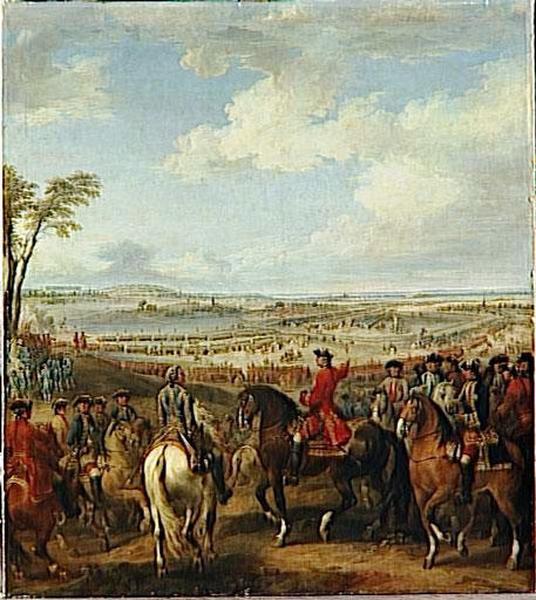
BATAILLE DE LAWFELD.2 JUILLET 1747
 詳細を見る
詳細を見る
オンラインプレビューをはるかに凌ぐ、高解像度で鮮明なデジタル画像をご購入いただけます。
各ファイルは、社内の専門家が高度なツールと熟練した手作業によるレタッチを用いて、細心の注意を払って準備されています。すべての画像において、卓越した鮮明度、正確な色彩再現性、そして繊細なディテールを保証いたします。
最終ファイルは、プロフェッショナルな編集・印刷環境ですぐにご利用いただけるよう最適化された状態で、72時間以内にメールにてお届けいたします。これは、一流のデザインスタジオ、出版社、ギャラリーから信頼されているものと同等の品質です。
デジタル画像のご注文に付随する特典
高品質なデジタル画像配信を、確かな品質で。
ArtsDot.com を選ぶことは、単に画像を手に入れることではありません。それは、プロの手によって精密に仕上げられ、満足保証が付いた高品質なデジタルアートワークを受け取ることを意味します。ご注文いただいた際に自動的に付随する内容は、以下の通りです:

メールですぐにお届け
ご注文から72時間以内に、高解像度のデジタル画像ファイルがメールでお手元に届きます。すぐにそのままご利用いただけます。

AI技術で最適化されたデジタルファイル
お客様の作品は、高度なAIツールと専門家による手作業の編集を組み合わせてプロフェッショナルに最適化されており、細部のディテール、鮮明さ、そして正確な色再現性を最大限に引き出しています。

一生涯無料の再送サービス
ファイルを誤って削除したり、紛失してしまったりしましたか?ご安心ください。いつでも無料で再送いたします。

輸入手数料は一切かかりません
関税や手数料、配送料を気にすることなく、お気に入りのアートワークをすぐにお楽しみいただけます。デジタルダウンロードは常に免税です。

色彩再現の保証
プロ仕様のツールとカラーマネジメント技術を用いることで、デジタル画像が元の色を最大限に忠実に再現することを保証いたします。

60日間満足保証
ご購入いただいたデジタル画像にご満足いただけない場合は、60日以内であれば、修正または100%の返金(理由を問う必要はありません)をさせていただきます。

100% 返金保証
ご満足いただけない場合は、デジタルファイルを受け取ってから60日以内であれば、理由を問わず全額返金いたします。

まとめ買い割引
3枚購入で10%OFF - 5枚購入で15%OFF - 10枚以上購入で20%OFF。クリエイティブなプロジェクト、ギャラリー、エージェンシーに最適です。
関連作品










作家の略歴
A Life Bridging Worlds: Pierre Charles L'Enfant and the Birth of a Capital
Pierre Charles L’Enfant, a name often synonymous with the grand design of Washington, D.C., was far more than just an architect or city planner. Born in Paris on August 2, 1754, into a family steeped in artistic tradition – his father, Pierre L'Enfant, served as a painter to King Louis XV – young Charles’s early life unfolded amidst the elegance and intellectual ferment of pre-revolutionary France. He received a rigorous education at the Royal Academy in the Louvre, honing his skills not only in painting but also in engraving and architecture under his father’s tutelage. However, destiny beckoned him across the Atlantic, drawn by the burgeoning spirit of rebellion in the American colonies. A pivotal encounter with Pierre Augustin Caron de Beaumarchais, the playwright and secret agent, led to L'Enfant’s enlistment as a military engineer in support of the Continental Army in 1777. This decision marked a dramatic shift, transforming him from a French artist into an active participant in the forging of a new nation. He even adopted the more Americanized name “Peter” upon his arrival, signaling a conscious embrace of his chosen allegiance.From Battlefield Engineer to Portraitist of Revolutionaries
L’Enfant's service during the Revolutionary War was distinguished and multifaceted. He quickly rose through the ranks, becoming a captain in the Corps of Engineers by 1779, serving with Major General Lafayette and even finding himself on General George Washington’s staff at Valley Forge. It was during this period that his artistic talents found renewed expression, though now directed towards capturing the likenesses of key figures and documenting the realities of war. The Marquis de Lafayette commissioned him to paint a portrait of Washington, a testament to L'Enfant’s growing reputation as an artist capable of conveying both physical resemblance and character. Beyond this significant commission, he created numerous pencil portraits of Washington and other Continental Army officers, offering intimate glimpses into the faces that shaped American independence. He also documented scenes of encampments, providing visual records of the hardships and resilience of the soldiers. Wounded at the Siege of Savannah in 1779 and later captured during the surrender of Charleston in 1780, L’Enfant endured the trials of war firsthand before being exchanged in 1780 and continuing his service until the army's disbandment in 1783. His wartime experiences instilled within him a deep admiration for the American ideals of liberty and self-governance, shaping his future endeavors.A Vision for the New Republic: Designing Washington, D.C.
Following the war, L’Enfant established himself as a successful civil engineer in New York City, undertaking projects ranging from furniture design to architectural renovations – notably redesigning New York City Hall for the First Congress of the United States (resulting in Federal Hall). However, his most enduring legacy would be his visionary plan for the nation's capital. In 1791, President George Washington tasked L’Enfant with designing a federal city on the Potomac River, a project born from political compromise between northern and southern states. The “Residence Act” had established the location, but it was L’Enfant who transformed this nascent idea into a breathtaking reality. His plan, presented in 1791 – often referred to as the "L'Enfant Plan" – was revolutionary for its time. It incorporated grand avenues radiating from prominent circles and squares, monumental public buildings strategically positioned to emphasize civic power, and a harmonious blend of natural landscapes with carefully planned urban spaces. He envisioned a city that would not merely function as a seat of government but also inspire awe and embody the ideals of the new republic. The plan drew heavily on European Baroque and Neoclassical principles, reflecting L’Enfant's artistic training, yet adapted them to the American context, creating something uniquely its own.Legacy and Lasting Influence
Though his relationship with the commissioners overseeing the project became strained due to his strong personality and uncompromising vision – leading to his eventual dismissal in 1792 – L’Enfant's fundamental plan for Washington, D.C., remained largely intact. The city that rose from the shores of the Potomac stands as a testament to his genius, a living embodiment of his artistic and engineering prowess. His influence extends beyond the physical layout of the capital; he established principles of urban planning that continue to inform civic design today. L’Enfant also contributed to other aspects of national symbolism, designing the badge for the Society of the Cincinnati, an organization of former Continental Army officers, and even working on designs for American coinage. He spent his later years largely in relative obscurity, struggling financially despite his significant contributions. He died in 1825, but his vision lives on, etched into the very fabric of the nation’s capital. Pierre Charles L'Enfant was a true Renaissance man, seamlessly blending artistic sensibility with engineering expertise and unwavering dedication to the ideals of the American Revolution, leaving an indelible mark on the landscape – and the spirit – of the United States.
pierre l'enfant
1754 - 1825 , France
プロフィール概要
- Artistic Movement Or Style: Neoclassical
- Artists Or Movements Influenced By This Artist:
- City planning
- American architecture
- Artists Who Influenced This Artist: ["Pierre L'Enfant (father)"]
- Date Of Birth: August 2, 1754
- Date Of Death: 1825
- Full Name: Pierre Charles L'Enfant
- Nationality: French-American
- Notable Artworks:
- L'Enfant Plan
- Washington portraits
- Federal Hall design
- Place Of Birth: Paris, France

