

 プレビュー
プレビュー
 プリントを購入
 シェアする
シェアする シェアする
シェアする
 詳細を見る
詳細を見る

 ダウンロード
 似ている作品
 X線調査
X線調査 スライドショー
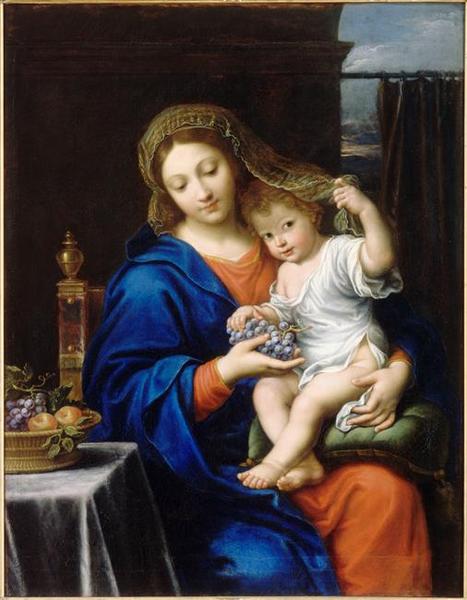
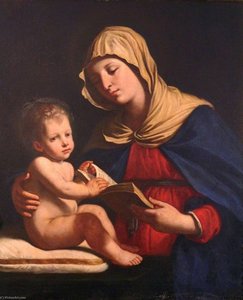
La Vierge à la grappe


 詳細を見る
詳細を見る




P118B $10

P118H $10

P118W $10

P438Z $10

P508JH $12

P508YH $12

P805H $10

P805Z $10

P919BZ $10

P919G $10

P919XJ $10

P959ZH $10

P968JZ $12

W106C $8

W218G $10

W218JH $8

W218Y $10

W307PJ $10

W316G $10

W316PJ $8

W316Y $10

W398PJ $8

W4111J $10

W500HY $15

W500JH $15

W692G $12

W849H $8

W940BG $15

W953PJ $8




作品のオリジナル比率に合わせた、当店の規定サイズからお選びください。

特定のフレームやスペースに合わせて、ご希望のサイズをご入力いただけます。選択されたサイズが元の画像の比率と異なる場合、アートワークをトリミングするか、手描きで要素を追加して絵画を拡張いたします。デジタルモックアップ を制作し、制作開始前にご確認(承認)をいただきます。
画面上のプレビューは、実際のトリミングや拡張を正確に反映しているものではありません。最終的な構図は、モックアップによってのみ正確にご確認いただけます。
カスタムサイズもご利用いただけますが、元の比率を維持するためには、あらかじめ用意されたリストからサイズを選択することをお勧めいたします。
ご注文後、ArtsDot.com チームより詳細な指示をお送りするとともに、仕上がりイメージ(モックアップ)をご提供いたします。


 ガラスオプションは、110cm未満のサイズでのみご利用いただけます。

La Vierge à la grappe
複製技法
複製画のサイズ
-


合計金額
$ 288
作品解説
La Vierge à la Grappe: A Baroque Embrace of Grace and Abundance
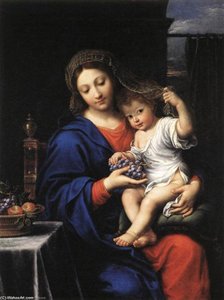
Pierre Mignard’s “La Vierge à la Grappe,” painted between 1655 and 1657 during his formative years in Rome, is more than just a depiction of the Virgin Mary; it's a carefully orchestrated tableau brimming with religious symbolism, classical elegance, and the dramatic flair characteristic of the Baroque period. This captivating work, now residing within the hallowed halls of the Louvre Museum, offers a glimpse into the artistic sensibilities of a master who bridged the gap between Mannerism and the burgeoning realism of the 17th century. Mignard’s choice to portray Mary holding a bunch of grapes – a detail that immediately draws the eye – speaks volumes about his understanding of both religious iconography and the visual language of his time.
The painting unfolds within an intimate, almost dreamlike interior setting. The Virgin, seated in a richly ornamented chair, exudes a serene composure, her gaze directed towards the Christ Child nestled securely in her arms. Her blue robe, a vibrant counterpoint to the warmer tones of her red undergarments, creates a subtle yet powerful visual dynamism. The child’s hand gently grasps a cluster of grapes, a deliberate reference to the Eucharist – the body and blood of Christ – symbolizing divine nourishment and sacrifice. The inclusion of a table laden with fruit – oranges, pomegranates, and more grapes – further reinforces this theme of abundance and fertility, elements deeply rooted in Christian theology.
A Symphony of Color and Light: Technique and Style
Mignard’s masterful command of oil paint is immediately evident. He employs a technique known as “sfumato,” subtly blurring lines and softening edges to create an atmosphere of ethereal beauty. The lighting, diffused and gentle, washes over the figures, highlighting their delicate features and imbuing the scene with a sense of reverence. Notice how he uses light to sculpt the drapery, creating folds that appear both voluminous and incredibly realistic. The brushstrokes themselves are visible, contributing to the painting’s textured surface – a testament to Mignard's deliberate approach to capturing the tactile qualities of his subjects.
The composition is meticulously balanced, drawing inspiration from classical principles while retaining a distinctly Baroque sensibility. The use of perspective—the subtle recession into the background and the diminishing size of objects—creates a convincing illusion of depth. Rectangular shapes – the chair, the table – provide structural stability to the scene, while circular forms, present in the faces and fruit, add a sense of completeness and harmony. This careful orchestration of form and space is characteristic of Mignard’s style, reflecting his deep understanding of both artistic tradition and contemporary aesthetics.
Historical Context and Artistic Influences
Mignard's journey to Rome profoundly shaped his artistic development. His time amongst the Italian masters – particularly Raphael and Caravaggio – exposed him to a wealth of influences, including classical ideals of beauty, dramatic lighting, and dynamic composition. He absorbed the elegance of Raphael’s Madonnas while simultaneously embracing the Baroque’s emphasis on emotion and theatricality. The painting's resemblance to Raphael’s “La Vierge à la Rose” is particularly striking, demonstrating Mignard’s deep admiration for the Renaissance master.
The work emerged during a period of significant religious and political upheaval in Europe. The Counter-Reformation was actively seeking to revitalize Catholic faith through art, emphasizing emotional engagement and didactic messages. “La Vierge à la Grappe” perfectly embodies this spirit, offering a visually compelling representation of Christian piety and the promise of salvation. It’s important to note that Mignard's work was not simply decorative; it served as a powerful tool for communicating religious truths to a largely illiterate population.
Symbolism and Emotional Resonance
Beyond its formal qualities, “La Vierge à la Grappe” is rich in symbolic meaning. The grapes themselves are a potent emblem of the Eucharist, representing Christ’s sacrifice and offering eternal life. The serene expression on Mary's face conveys both maternal love and spiritual devotion. The scene evokes a sense of tranquility and intimacy, inviting viewers to contemplate the profound mystery of faith. Mignard masterfully captures not just a visual likeness but also an emotional atmosphere—a feeling of grace, tenderness, and divine presence.
This painting remains a testament to Pierre Mignard’s artistic genius, showcasing his ability to seamlessly blend classical influences with Baroque drama. Reproductions offer a remarkable opportunity to experience the beauty and depth of this iconic work, bringing its timeless message of faith and hope into any space.
関連作品


アーティストの略歴
バロックの華やぎに浸された生涯
1612年、フランスのトロワに生を受けたピエール・ミニャールは、フランス・バロック絵画界において極めて重要な役割を果たした画家です。同時代のライバルであり、しばしば彼を影に隠してしまう存在となったシャルル・ル・ブランの存在は無視できませんが、ミニャールの歩みは独自の輝きを放っています。職人の家系という控えめな出自から、ミニャールは早くから芸術的な才能を見せ始めました。その情熱は彼をブルージュへと向かわせ、マニエリスムの伝統に深く根ざした画家ジャン・ブッシェのもとで最初の修行を積ませることになります。この基礎形成期において、彼は形態や構図に対する鋭い感性を養いました。さらに、フォンテーヌブロー城での熱心な模写を通じて、確立された芸術的原則を学ぶ「生きた教室」へと身を投じ、その技術を磨き上げたのです。そして決定的な転機となったのは、古典的な影響を重んじ、国際的なネットワークを誇った巨匠シモン・ヴエのパリの工房での研鑽でした。これらの形成期における経験が、イタリア的な壮大さとフランス的な優雅さを融合させた、ミニャール独自の様式を生み出す礎となったのです。ローマでの夢想と「ミニャリズ」の誕生
ミニャールの芸術的旅路において、決定的な一章が幕を開けたのは1称1635年、彼がローマへと移住した時でした。その後約22年もの間、彼はイタリア・バロック芸術の脈動する中心地へと身を投じました。まさにこの地で、彼の才能は真に開花したと言えるでしょう。聖母子像を描いた、優しく心を捉えて離さない作品群は、あまりにも愛らしく繊細であったため、その甘美で洗練された質を讃えて「ミニャリズ(mignardises)」という愛称で親しまれるようになりました。ローマ時代の作品には、イタリアの巨匠たちの影響が色濃く反映されています。劇的な構図、光と影の見事な操り、そして全体に漂う演劇的な感覚が、この時期の彼の特徴となりました。また、宗教画の依頼にとどまらず、ミニャールは版画制作を通じて技術を研ぎ澄ませ、アンニバレ・カラッチの作品を緻密に模写することで、芸術的原理への理解を深めていきました。その才能は肖像画にも及び、教皇や枢機卿、貴族といったローマの有力者たちから依頼を受け、単なる外見の写しにとどまらず、人物の品格までもが技術と気品をもって描き出されることで、その名声を確立していったのです。パリへの帰還と芸術的抗争
1657年頃、枢機卿マザランの召集に応じる形でミニャールはパリへと戻り、競争の激しいフランス宮廷絵画の世界へと足を踏み入れました。彼は国王ルイ14世をはじめとする有力なパトロンを瞬く間に獲得していきましたが、その台頭は、まさに「国王の画家」という栄誉ある称号を保持していたシャルル・ル・ブランの支配期と重なることとなりました。このことは必然的に、両者の間で長く、時に激しい対立を生むことになります。ミニャールは王立絵画彫刻アカデミーの権威に積極的に異を唱え、確立された階級制度から距離を置き、芸術的な独立を追求しました。こうした葛藤の中にありながらも、彼は肖像画家として隆盛を極め、テレンス、モリエール、ボシュエ、そしてマダム・ド・マンテノンといった歴史的人物たちをキャンバスに永遠に刻み込みました。彼の肖察画が今日まで称賛されているのは、単に正確な描写によるものだけではありません。被写体の内面的な洞察を見事に捉え、その本質を驚くべき感受性で描き出した点にこそ、真の価値があるのです。遺産と永続する影響力
ピエール・ミニャールの芸術的遺産は、主にその優美な肖像画の中に息づいています。細部への緻密なこだわりと、人物の個性を伝える卓越した能力は、時代を超えて愛されてきました。また、ローマ時代に描かれた聖母子像をはじめとする宗教画も、美術史において重要な地位を占めています。1690年にル・ブランが没した後、ミニャールは彼の旧職の多くを引き継ぐこととなりました。これは、彼が芸術界においてどれほど深い敬意を集めていたかを示す、揺るぎない証左といえるでしょう。ル・ブランの圧倒的な知名度や公的な評価の影に隠れがちな側面はありますが、ミニャールはフランス・バロック絵画における極めて重要な人物であり続けています。古典的な気品、洗練された技法、そして細部への執拗なまでのこだわりを特徴とする彼の独自の様式は、被写体の外見のみならず内なる生命までも捉えようとした後世のフランス肖像画家たちに、大きな影響を与えました。「ローマのミニャール(Mignard le Romain)」として知られた彼は、17世紀フランスの豪華絢爛な世界と、巨匠による芸術の極致を今に伝える作品群を遺し、私たちを魅了し続けています。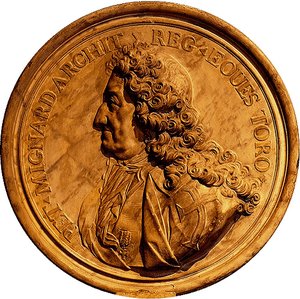
ピエール・ミニャール
1612 - 1695
基本情報
- Artistic Movement Or Style: バロック
- Artists Or Movements Influenced By This Artist: ['フランスの肖像画家']
- Artists Who Influenced This Artist:
- シモン・ヴォア
- アンニバレ・カラッチ
- Date Of Birth: 1612年
- Date Of Death: 1695年
- Full Name: ピエール・ミニャール
- Nationality: フランス
- Notable Artworks:
- 父なる神
- ブドウの聖母
- 運命 (La Fortune)
- Place Of Birth: フランス、トロワ
関連記事
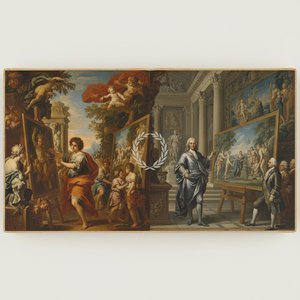
Simon Vouet: A Baroque Master's Journey from Italian Influence to French Classicism
Explore the life & art of Simon Vouet, a pivotal French Baroque painter who introduced Italian styles to France. Discover his masterpieces and lasting influence on 17th-century art.

バロックのドラマ:現代のインテリアに壮麗さと情感を取り込む
バロック様式の歴史、絵画、家具の魅力をご紹介。ArtsDotでは、高品質な油絵複製やカスタムポートレートをご提供し、現代のインテリアに壮麗さと情感を取り入れます。アートコンサルテーションも承ります。

フラ・アンジェリコの傑作25選:ルネサンス美術の神髄と至高の装飾 | ArtsDot
フラ・アンジェリコの傑作25選。ルネサンス美術の神髄を紐解き、天使のような静謐な色彩と宗教画の世界へ誘います。壁画やフレスコ画の技法、修道院に息づく祈りの絵…ArtsDotで至高のアートプリントをお手軽に。コレクションを探索する。
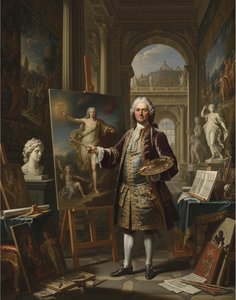
Charles Le Brun: Master of French Baroque Classicism & His Enduring Legacy
Explore the life & art of Charles Le Brun, master of French Baroque Classicism. Discover his royal commissions, influence on Versailles, and enduring legacy through detailed analysis & stunning artworks.

The Dramatic Flourish: Exploring the Baroque Movement's Enduring Legacy in Art History
Explore the dramatic world of Baroque art! Discover iconic artists like Caravaggio & Rubens, defining techniques, and its lasting impact on art history. Expert insights for collectors & enthusiasts at ArtsDot.

