

 プレビュー
プレビュー
 シェアする
シェアする シェアする
シェアする
 詳細を見る
詳細を見る

 ダウンロード
 似ている作品
 X線調査
X線調査 スライドショー
 統計情報
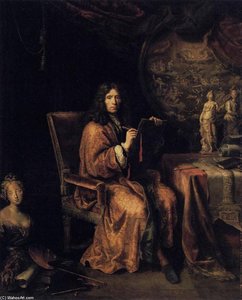
統計情報Portrait de l'artiste (1612 1695)


 詳細を見る
詳細を見る
オンラインプレビューをはるかに凌ぐ、高解像度で鮮明なデジタル画像をご購入いただけます。
各ファイルは、社内の専門家が高度なツールと熟練した手作業によるレタッチを用いて、細心の注意を払って準備されています。すべての画像において、卓越した鮮明度、正確な色彩再現性、そして繊細なディテールを保証いたします。
最終ファイルは、プロフェッショナルな編集・印刷環境ですぐにご利用いただけるよう最適化された状態で、72時間以内にメールにてお届けいたします。これは、一流のデザインスタジオ、出版社、ギャラリーから信頼されているものと同等の品質です。
デジタルアート
個人での鑑賞、印刷、クリエイティブなプロジェクト用に、高解像度ファイルをダウンロードできます。 ( プリント版に切り替え 手描きの絵画を購入)
デジタル画像のご注文に付随する特典
高品質なデジタル画像配信を、確かな品質で。
ArtsDot.com を選ぶことは、単に画像を手に入れることではありません。それは、プロの手によって精密に仕上げられ、満足保証が付いた高品質なデジタルアートワークを受け取ることを意味します。ご注文いただいた際に自動的に付随する内容は、以下の通りです:

メールですぐにお届け
ご注文から72時間以内に、高解像度のデジタル画像ファイルがメールでお手元に届きます。すぐにそのままご利用いただけます。

AI技術で最適化されたデジタルファイル
お客様の作品は、高度なAIツールと専門家による手作業の編集を組み合わせてプロフェッショナルに最適化されており、細部のディテール、鮮明さ、そして正確な色再現性を最大限に引き出しています。

一生涯無料の再送サービス
ファイルを誤って削除したり、紛失してしまったりしましたか?ご安心ください。いつでも無料で再送いたします。

輸入手数料は一切かかりません
関税や手数料、配送料を気にすることなく、お気に入りのアートワークをすぐにお楽しみいただけます。デジタルダウンロードは常に免税です。

色彩再現の保証
プロ仕様のツールとカラーマネジメント技術を用いることで、デジタル画像が元の色を最大限に忠実に再現することを保証いたします。

100日間満足保証
ご購入いただいたデジタル画像にご満足いただけない場合は、100日以内であれば、理由を問わず修正または100%の返金対応をさせていただきます。

100% 返金保証
ご満足いただけない場合は、デジタルファイルを受け取ってから100日以内であれば、理由を問わず全額返金いたします。

まとめ買い割引
3枚購入で10%OFF - 5枚購入で15%OFF - 10枚以上購入で20%OFF。クリエイティブなプロジェクト、ギャラリー、エージェンシーに最適です。
Portrait de l'artiste (1612 1695): A Baroque Masterpiece of Self-Reflection
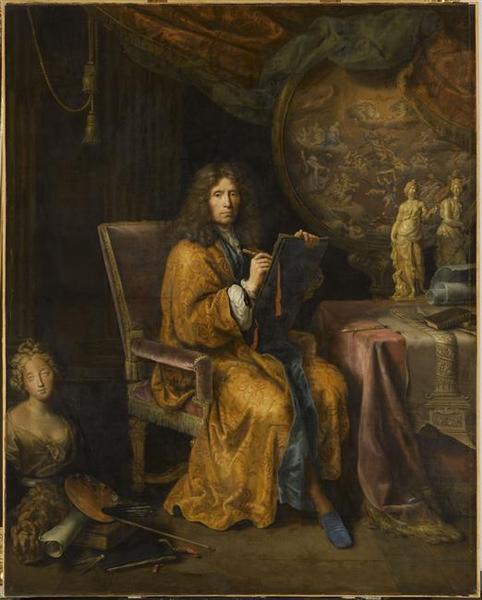
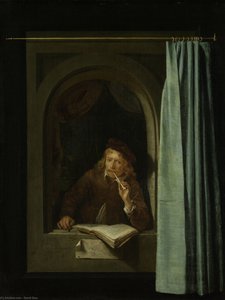
Pierre Mignard’s “Portrait de l’artiste (1612 1695)” is not merely a likeness; it’s a carefully constructed declaration of artistic identity, a window into the mind of a man deeply immersed in his craft. Painted during the twilight years of his career – between 1687 and 1694 – this remarkable work transcends the conventions of portraiture, offering a profound meditation on skill, ambition, and the very nature of representation. The painting captures Mignard himself seated within his studio, a space brimming with the tools and remnants of his creative process, creating an intimate tableau that speaks volumes about the artist’s position in the world.
The composition is immediately arresting, dominated by Mignard's direct gaze – a look both confident and subtly self-aware. He occupies the central space, rendered with meticulous detail, yet he isn’t presented as an aloof deity. Instead, he appears engaged, almost contemplative, inviting the viewer into his world. The strategic placement of the curtain behind him establishes depth, drawing attention to the carefully arranged objects on the tables before him: brushes, palettes smeared with pigment, and a rolled canvas hinting at ongoing projects. These elements aren’t simply decorative; they are integral to the portrait's narrative, illustrating Mignard’s dedication to his profession and the tangible reality of his artistic life.
The painting is firmly rooted in the Baroque style, characterized by dramatic lighting, rich color palettes, and a heightened sense of realism. The light source, originating from the left side of the frame, casts strong shadows that sculpt Mignard’s features and delineate the textures of his clothing – the velvet of his jacket, the folds of his fabric, and the sheen of his skin. This chiaroscuro effect not only adds visual drama but also emphasizes volume and form, lending a three-dimensional quality to the portrait. The color scheme is dominated by warm earth tones—ochres, browns, and golds—accented with touches of blue and red, creating a sense of opulence and sophistication typical of the period.
The Studio as Stage: Symbolism and Context
Beyond its technical brilliance, “Portrait de l’artiste” is rich in symbolic meaning. The studio itself functions as a stage, reflecting Mignard's role as both artist and observer. The partially visible painting behind him – depicting classical figures—references his deep knowledge of art history and tradition, suggesting that he was not simply replicating the present but building upon the foundations of the past. The bust of a woman to his left may represent an ideal beauty or perhaps a patron or muse, adding another layer of intrigue to the composition.
The inclusion of the artist’s tools is particularly significant. They are not merely props; they symbolize Mignard's craft and his dedication to his profession. The brushes, palettes, and canvas represent the tangible means by which he brought his visions to life. Furthermore, the presence of the unfinished painting behind him speaks to the ongoing nature of artistic creation – a constant process of exploration and refinement.
A Master’s Hand: Technique and Materials
Mignard's masterful technique is evident in every brushstroke. He skillfully renders textures—the smoothness of Mignard’s skin, the roughness of the fabric, and the sheen of the metal tools—creating a remarkably lifelike portrayal. The use of layering and blending of oil paints allows for smooth transitions and realistic effects. The impasto technique, particularly noticeable in certain areas, suggests thick application of paint, adding depth and tactile quality to the surface.
The painting was executed in oil on canvas, a medium that allowed Mignard to achieve both vibrant colors and subtle gradations of tone. The careful attention to detail—from the intricate folds of the clothing to the delicate rendering of the face—demonstrates his exceptional skill and precision. The use of glazing techniques further enhances the luminosity and depth of the painting, creating a captivating visual experience.
A Legacy of Self-Representation
“Portrait de l’artiste (1612 1695)” stands as a testament to Pierre Mignard's artistic prowess and his profound understanding of self-representation. It is more than just a portrait; it is a carefully constructed statement about the role of the artist, the nature of creativity, and the enduring power of art to capture both likeness and essence. A remarkable work that continues to fascinate viewers with its intricate details, symbolic richness, and timeless appeal.
関連作品

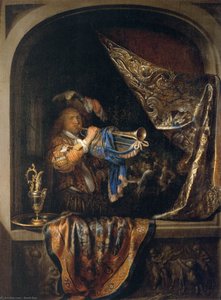
作家の略歴
バロックの華やぎに浸された生涯
1612年、フランスのトロワに生を受けたピエール・ミニャールは、フランス・バロック絵画界において極めて重要な役割を果たした画家です。同時代のライバルであり、しばしば彼を影に隠してしまう存在となったシャルル・ル・ブランの存在は無視できませんが、ミニャールの歩みは独自の輝きを放っています。職人の家系という控えめな出自から、ミニャールは早くから芸術的な才能を見せ始めました。その情熱は彼をブルージュへと向かわせ、マニエリスムの伝統に深く根ざした画家ジャン・ブッシェのもとで最初の修行を積ませることになります。この基礎形成期において、彼は形態や構図に対する鋭い感性を養いました。さらに、フォンテーヌブロー城での熱心な模写を通じて、確立された芸術的原則を学ぶ「生きた教室」へと身を投じ、その技術を磨き上げたのです。そして決定的な転機となったのは、古典的な影響を重んじ、国際的なネットワークを誇った巨匠シモン・ヴエのパリの工房での研鑽でした。これらの形成期における経験が、イタリア的な壮大さとフランス的な優雅さを融合させた、ミニャール独自の様式を生み出す礎となったのです。ローマでの夢想と「ミニャリズ」の誕生
ミニャールの芸術的旅路において、決定的な一章が幕を開けたのは1称1635年、彼がローマへと移住した時でした。その後約22年もの間、彼はイタリア・バロック芸術の脈動する中心地へと身を投じました。まさにこの地で、彼の才能は真に開花したと言えるでしょう。聖母子像を描いた、優しく心を捉えて離さない作品群は、あまりにも愛らしく繊細であったため、その甘美で洗練された質を讃えて「ミニャリズ(mignardises)」という愛称で親しまれるようになりました。ローマ時代の作品には、イタリアの巨匠たちの影響が色濃く反映されています。劇的な構図、光と影の見事な操り、そして全体に漂う演劇的な感覚が、この時期の彼の特徴となりました。また、宗教画の依頼にとどまらず、ミニャールは版画制作を通じて技術を研ぎ澄ませ、アンニバレ・カラッチの作品を緻密に模写することで、芸術的原理への理解を深めていきました。その才能は肖像画にも及び、教皇や枢機卿、貴族といったローマの有力者たちから依頼を受け、単なる外見の写しにとどまらず、人物の品格までもが技術と気品をもって描き出されることで、その名声を確立していったのです。パリへの帰還と芸術的抗争
1657年頃、枢機卿マザランの召集に応じる形でミニャールはパリへと戻り、競争の激しいフランス宮廷絵画の世界へと足を踏み入れました。彼は国王ルイ14世をはじめとする有力なパトロンを瞬く間に獲得していきましたが、その台頭は、まさに「国王の画家」という栄誉ある称号を保持していたシャルル・ル・ブランの支配期と重なることとなりました。このことは必然的に、両者の間で長く、時に激しい対立を生むことになります。ミニャールは王立絵画彫刻アカデミーの権威に積極的に異を唱え、確立された階級制度から距離を置き、芸術的な独立を追求しました。こうした葛藤の中にありながらも、彼は肖像画家として隆盛を極め、テレンス、モリエール、ボシュエ、そしてマダム・ド・マンテノンといった歴史的人物たちをキャンバスに永遠に刻み込みました。彼の肖察画が今日まで称賛されているのは、単に正確な描写によるものだけではありません。被写体の内面的な洞察を見事に捉え、その本質を驚くべき感受性で描き出した点にこそ、真の価値があるのです。遺産と永続する影響力
ピエール・ミニャールの芸術的遺産は、主にその優美な肖像画の中に息づいています。細部への緻密なこだわりと、人物の個性を伝える卓越した能力は、時代を超えて愛されてきました。また、ローマ時代に描かれた聖母子像をはじめとする宗教画も、美術史において重要な地位を占めています。1690年にル・ブランが没した後、ミニャールは彼の旧職の多くを引き継ぐこととなりました。これは、彼が芸術界においてどれほど深い敬意を集めていたかを示す、揺るぎない証左といえるでしょう。ル・ブランの圧倒的な知名度や公的な評価の影に隠れがちな側面はありますが、ミニャールはフランス・バロック絵画における極めて重要な人物であり続けています。古典的な気品、洗練された技法、そして細部への執拗なまでのこだわりを特徴とする彼の独自の様式は、被写体の外見のみならず内なる生命までも捉えようとした後世のフランス肖像画家たちに、大きな影響を与えました。「ローマのミニャール(Mignard le Romain)」として知られた彼は、17世紀フランスの豪華絢爛な世界と、巨匠による芸術の極致を今に伝える作品群を遺し、私たちを魅了し続けています。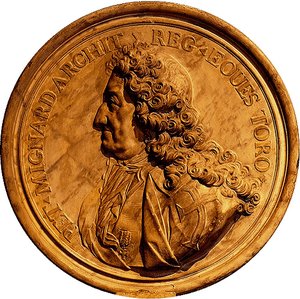
ピエール・ミニャール
1612 - 1695
プロフィール概要
- Artistic Movement Or Style: バロック
- Artists Or Movements Influenced By This Artist: ['フランスの肖像画家']
- Artists Who Influenced This Artist:
- シモン・ヴォア
- アンニバレ・カラッチ
- Date Of Birth: 1612年
- Date Of Death: 1695年
- Full Name: ピエール・ミニャール
- Nationality: フランス
- Notable Artworks:
- 父なる神
- ブドウの聖母
- 運命 (La Fortune)
- Place Of Birth: フランス、トロワ