 プレビュー
プレビュー
 プリントを購入
 シェアする
シェアする シェアする
シェアする
 詳細を見る
詳細を見る

 ダウンロード
 似ている作品
 X線調査
X線調査 スライドショー
Napoleon Pardoning the Rebels at Cairo
 Acrylic On Canvas
- WallArt
- Romantic Neoclassicism
 1808
1808- 19th Century
 365.0 x 500.0 cm
 ヴェルサイユ国立宮殿美術館
 詳細を見る
詳細を見る




P118B $10

P118H $10

P118W $10

P438Z $10

P508JH $12

P508YH $12

P805H $10

P805Z $10

P919BZ $10

P919G $10

P919XJ $10

P959ZH $10

P968JZ $12

W106C $8

W218G $10

W218JH $8

W218Y $10

W307PJ $10

W316G $10

W316PJ $8

W316Y $10

W398PJ $8

W4111J $10

W500HY $15

W500JH $15

W692G $12

W849H $8

W940BG $15

W953PJ $8




作品のオリジナル比率に合わせた、当店の規定サイズからお選びください。

特定のフレームやスペースに合わせて、ご希望のサイズをご入力いただけます。選択されたサイズが元の画像の比率と異なる場合、アートワークをトリミングするか、手描きで要素を追加して絵画を拡張いたします。デジタルモックアップ を制作し、制作開始前にご確認(承認)をいただきます。
画面上のプレビューは、実際のトリミングや拡張を正確に反映しているものではありません。最終的な構図は、モックアップによってのみ正確にご確認いただけます。
カスタムサイズもご利用いただけますが、元の比率を維持するためには、あらかじめ用意されたリストからサイズを選択することをお勧めいたします。
ご注文後、ArtsDot.com チームより詳細な指示をお送りするとともに、仕上がりイメージ(モックアップ)をご提供いたします。


 ガラスオプションは、110cm未満のサイズでのみご利用いただけます。

Napoleon Pardoning the Rebels at Cairo
複製技法
複製画のサイズ
-


合計金額
$ 263
A Moment of Grace: Napoleon Pardoning the Rebels at Cairo by Pierre Narcisse Guérin
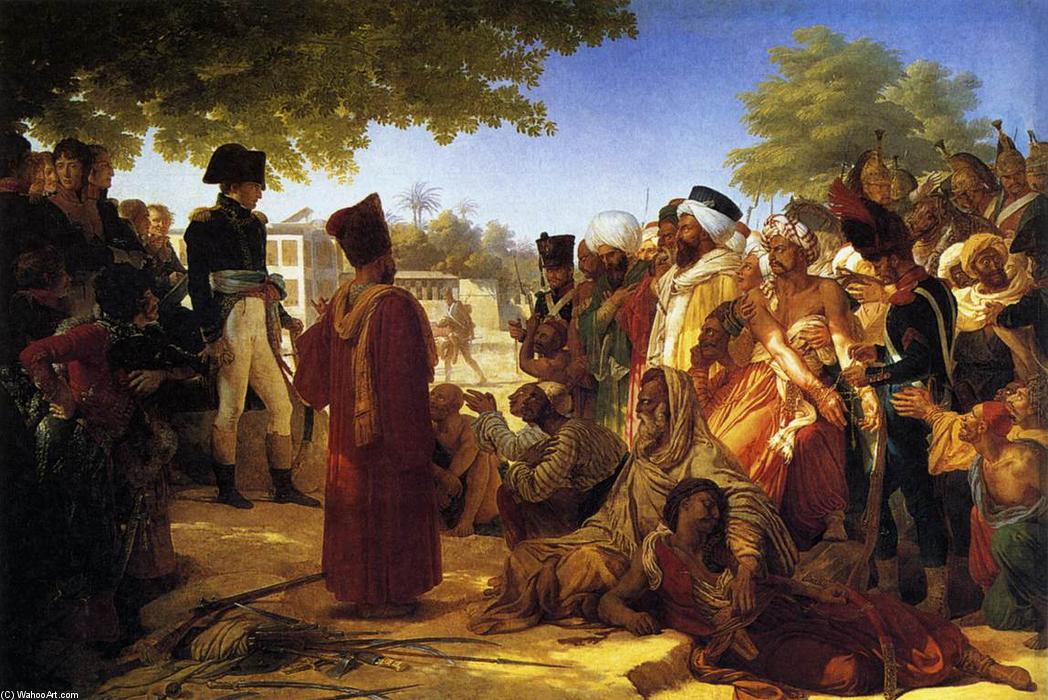
Pierre Narcisse Guérin’s “Napoleon Pardoning the Rebels at Cairo,” painted in 1808, isn't merely a historical record; it’s a carefully constructed tableau of power, mercy, and subtly manipulative propaganda. This monumental canvas, measuring an impressive 365 x 500 cm, captures a pivotal, yet deliberately framed, moment following the tumultuous Revolt of Cairo during Napoleon’s Egyptian campaign. The scene unfolds outdoors, bathed in a diffused light that lends an almost theatrical quality to the gathering of men – primarily French officers and the pardoned rebel leaders themselves – before the watchful gaze of Napoleon Bonaparte.
Guérin, a key figure bridging Neoclassicism and Romanticism, masterfully employs a restrained palette dominated by earthy browns, ochres, and subtle blues. The composition is meticulously balanced; Napoleon, positioned slightly off-center yet undeniably dominant, extends his hand in a gesture of apparent generosity. However, the subtle details—the wary glances exchanged between the rebels, the rigid posture of some, the almost pleading expressions on others—suggest a far more complex reality than simple forgiveness. The artist’s skill lies not just in depicting the scene accurately but in conveying an underlying tension and a carefully orchestrated narrative.
The Shadow of Conquest: Historical Context and Political Intent
To fully appreciate “Napoleon Pardoning the Rebels at Cairo,” one must understand the context of Napoleon's Egyptian campaign. The invasion, ostensibly aimed at securing control of the Red Sea trade route, quickly devolved into a chaotic struggle against determined Egyptian resistance. The Revolt of Cairo in October 1798, fueled by religious fervor and resentment towards French occupation, threatened to derail the entire expedition. Guérin’s painting was commissioned shortly after this event, serving as part of Napoleon's broader strategy to legitimize his rule and cultivate a favorable image amongst both his troops and the wider European public.
The immediate aftermath of the revolt saw a brutal crackdown by French forces, with many rebels summarily executed. Yet, Napoleon, acutely aware of the need for public relations, issued a decree pardoning a select group of leaders – a calculated move designed to quell unrest and present an image of enlightened leadership. Guérin’s painting became a key component of this carefully crafted narrative, showcasing Napoleon as a benevolent ruler capable of extending grace even to his enemies.
Symbolism and the Artful Manipulation of Perception
Beyond the literal depiction of a pardon, “Napoleon Pardoning the Rebels at Cairo” is laden with symbolism. The positioning of Napoleon—slightly behind and somewhat dwarfed by the assembled rebels—subtly diminishes his power, suggesting humility and magnanimity. The fact that he’s extending his hand towards those who had previously opposed him speaks volumes about his ambition to be seen as a peacemaker and a restorer of order. The inclusion of the horse in the background, a common motif in Napoleonic art, further reinforces this image of power and authority.
However, Guérin doesn’t shy away from hinting at the darker undercurrents beneath the surface. The expressions on the faces of some rebels—a mixture of gratitude, suspicion, and perhaps even resentment—suggest that the pardon was not universally welcomed or entirely sincere. The artist's choice to depict a small group of men in close proximity to Napoleon also subtly reinforces the idea of control and manipulation – a reminder that appearances can be deceiving.
A Legacy of Romantic Idealism: Guérin’s Artistic Style
Guérin’s style, rooted in Neoclassicism but increasingly influenced by Romanticism, is characterized by dramatic lighting, dynamic compositions, and an emphasis on emotional intensity. He skillfully employs chiaroscuro—the contrast between light and shadow—to create a sense of depth and drama, drawing the viewer's eye to key figures within the scene. The brushwork is loose and expressive, conveying a sense of movement and immediacy.
Despite his Neoclassical training, Guérin demonstrated an ability to capture the raw emotion of the moment, foreshadowing the dramatic intensity that would characterize the Romantic painters who followed him. “Napoleon Pardoning the Rebels at Cairo” stands as a testament to his artistic versatility and his skill in blending historical accuracy with evocative storytelling. It remains a powerful image, not just for its depiction of a significant historical event but also for its subtle exploration of power, forgiveness, and the complexities of human nature.
関連作品
アーティストの略歴
時代を繋ぐ架け橋:ピエール・ナルシース・ゲランの生涯と遺産
フランス美術史という壮大なタペストリーにおいて、新古典主義の規律ある厳格さからロマン主義の激動する情熱への繊細な変遷を、これほどまでに優雅に体現した人物は稀である。ピエール・ナルシース・ゲランは、1774年にパリで生まれた。彼が登場したのは、フランス革命の残響がアカデミーの殿堂に今なお響き渡っていた、社会が劇的な変貌を遂げつつあった時代であった。名高いジャン=バティスト・ルノの弟子であったゲランの初期のキャリアは、すぐに際立ったものとなった。1796年、彼は権威あるグランプリの一つを獲得し、革命による空白期間を経て、フランス美術界の競争精神を復活させる力を持つ恐るべき才能の到来を告げたのである。
ゲランの名声は、単なる技術的な熟練によるものではなく、感情的な共鳴によってもたらされた。1799年のサロンで『マルクス・セクストゥスの帰還』を発表した際、その衝撃はまさに電撃的であった。死と政治的動乱によって荒廃した故郷へと戻るローマの退役軍人を描いたこの作品は、当時のフランス人が直面していた経験を痛切に象徴する寓意として機能した。ゲランはこの作品を通じて、歴史的な物語と主題が抱く生々しく個人的な悲嘆を織り交ぜる類まれな能力を示し、古典的な過去を用いて混沌とした現在を映し出すことに成功したのである。このドラマチックな表現の極致は彼の代名術となり、大衆の称賛を集め、ジョゼフ=ベノワ=スーヴェの下でのローマでのさらなる研鑽へと彼を導いた。
光と神話の旅路
ゲランの人生の軌跡は、芸術的な野心と肉体的な脆弱さの両方によって形作られた。ローマでの日々は知的な豊かさをもたらしたものの、病による健康状態の悪化によって短縮され、ナポリへの移住を余儀なくされた。しかし、この地こそが彼のパレットを広げる契機となったのである。アミンタスの墓に捧げた記念碑的作品に見られるように、彼は風景画の大気的な荘厳さを取り入れ始めた。この放浪の時期は、彼が新古典主義の基礎に新たな光と影の感覚を吹き込むことを可能にし、やがてヨーロッパを席巻することになる表現豊かな様式の先駆けとなった。
パリに帰還したゲランのレパートリーは、19世紀初頭における最も魅惑的な神話や歴史的場面を含むものへと拡大していった。彼の作品にはしばしば、神々しい人物に命を吹き込むような、輝かしいキアロスクーロ(明暗法)が見られた。例えば、空想的な『モルフェウスとイリス』のように。また、『ディドとアイネイアス』の悲劇的な運命や、『アンドロマーケとピュロス』の強烈で英雄的なエネルギーを描く際にも、ゲランは神話的な主題に人間的な脆さを吹き込む類まれな才能を発揮した。古典的な伝統が持つ理想化された美しさと、新たに芽生えつつあった心理的な深みとのバランスをとる彼の能力は、ナポレオン時代の帝国の宮廷の寵愛を受けるものとなった。
巨匠の影響力と芸術的意義
個々のキャンバスを超えて、ゲランの歴史的な重要性は、極めて重要な指導者であり、様式の架け橋としての役割に存在する。彼は世代の交差点に立ち、ロマン主義の巨匠たちがその上に築き上げるための基盤を提供したのである。彼の影響は、以下のような伝説的な画家たちの作品の中に辿ることができる。
- ウジェーなるドラクロワ:ゲランの劇的な構図と感情的な強烈さを取り入れ、ロマン主義運動を切り拓いた。
- テオドール・ジェリコー:人間の葛藤を力強く描き、ゲランの歴史画に見られる物語の重厚さを共鳴させた。
- アンリ・シェフェール:師から受け継いだ洗練された新古典主義のエレガンスを継承した才能ある弟子。
結局のところ、ピエール・ナルシース・ゲランは単に美しい場面を描く画家ではなかった。彼は自らの時代の鼓動を理解していた芸術家であった。肖像画、神話的な寓意、そして歴史的な叙事詩を通じて、彼は秩序と混沌、安定と変化の間の緊張感を捉えたのである。彼の遺産はルーヴル美術館やエルミタージュ美術館といった機関の殿堂に刻まれ続けており、旧世界の規律を掌握しながらも、新世界の秘密を囁くことができた一人の男の証として、今なお輝きを放っている。
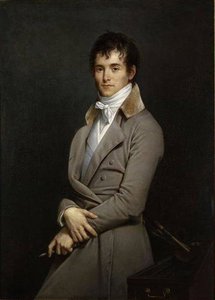
ピエール・ナルシース・ゲラン
1774 - 1833 , フランス
基本情報
- Artistic Movement Or Style: 新古典主義
- Artists Or Movements Influenced By This Artist:
- ドラクロワ
- ジェリコ
- Artists Who Influenced This Artist: ['ジャン=バティスト・ルノワール']
- Date Of Birth: フランス、パリ (1774年)
- Date Of Death: 1833年
- Full Name: ピエール=ナルシース・ゲラン
- Nationality: フランス人
- Notable Artworks:
- マルクス・セクストゥスの帰還
- モルフェウスとイリス
- オーロラとケファロス
- Place Of Birth: パリ
関連記事
Charles Le Brun: Master of French Baroque Classicism & His Enduring Legacy
Explore the life & art of Charles Le Brun, master of French Baroque Classicism. Discover his royal commissions, influence on Versailles, and enduring legacy through detailed analysis & stunning artworks.
The Enduring Legacy of French Art: Movements, Masters & Cultural Impact
Explore the rich history of French art, from the Salon to Impressionism & beyond. Discover iconic masters, key movements, and expert guidance for collecting timeless masterpieces. ArtsDot.
Simon Vouet: A Baroque Master's Journey from Italian Influence to French Classicism
Explore the life & art of Simon Vouet, a pivotal French Baroque painter who introduced Italian styles to France. Discover his masterpieces and lasting influence on 17th-century art.
Echoes of Revolution: Artistic Responses to the Tumultuous Year of 1917
Explore the powerful artistic responses to the 1917 Russian Revolution. Discover key artists like Chagall, Lotonina & Baratynsky and their enduring legacy. Learn about avant-garde movements, propaganda, and Stalin's impact on art.
Léon Augustin L'Hermitte: Capturing the Soul of French Rural Life
Discover the captivating realist paintings of Léon Augustin L'Hermitte, masterfully depicting French rural life. Explore his technique, influences & legacy – a cornerstone of 19th-century art.