 プレビュー
プレビュー
 プリントを購入
 シェアする
シェアする シェアする
シェアする
 詳細を見る
詳細を見る

 ダウンロード
 似ている作品
 X線調査
X線調査 スライドショー
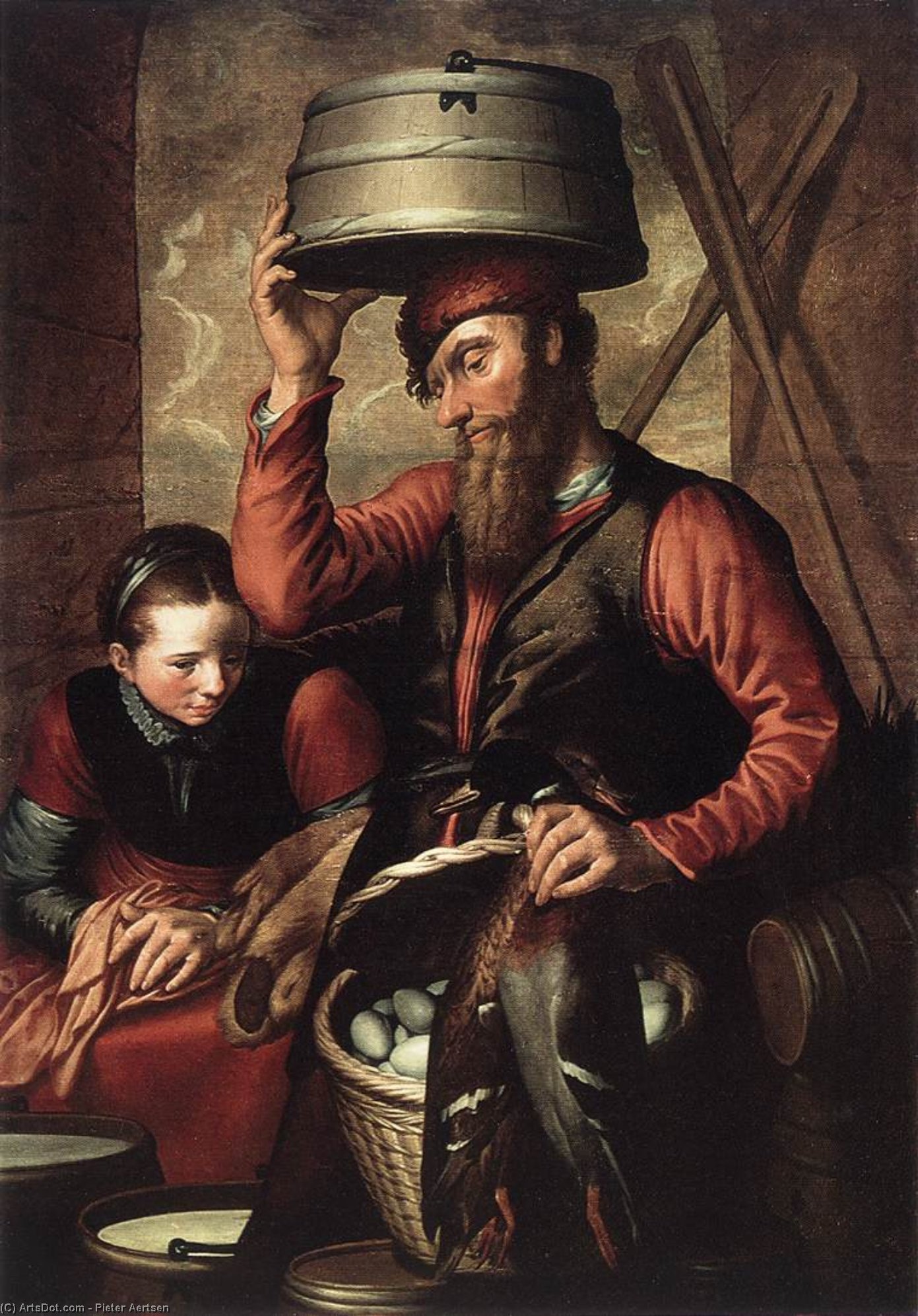
Vendor of Fowl
 Oil On Panel
- Northern Mannerism
 1560
1560 137.0 x 95.0 cm
 エルミタージュ美術館
 詳細を見る
詳細を見る




P118B $10

P118H $10

P118W $10

P438Z $10

P508JH $12

P508YH $12

P805H $10

P805Z $10

P919BZ $10

P919G $10

P919XJ $10

P959ZH $10

P968JZ $12

W106C $8

W218G $10

W218JH $8

W218Y $10

W307PJ $10

W316G $10

W316PJ $8

W316Y $10

W398PJ $8

W4111J $10

W500HY $15

W500JH $15

W692G $12

W849H $8

W940BG $15

W953PJ $8




作品のオリジナル比率に合わせた、当店の規定サイズからお選びください。

特定のフレームやスペースに合わせて、ご希望のサイズをご入力いただけます。選択されたサイズが元の画像の比率と異なる場合、アートワークをトリミングするか、手描きで要素を追加して絵画を拡張いたします。デジタルモックアップ を制作し、制作開始前にご確認(承認)をいただきます。
画面上のプレビューは、実際のトリミングや拡張を正確に反映しているものではありません。最終的な構図は、モックアップによってのみ正確にご確認いただけます。
カスタムサイズもご利用いただけますが、元の比率を維持するためには、あらかじめ用意されたリストからサイズを選択することをお勧めいたします。
ご注文後、ArtsDot.com チームより詳細な指示をお送りするとともに、仕上がりイメージ(モックアップ)をご提供いたします。


 ガラスオプションは、110cm未満のサイズでのみご利用いただけます。

Vendor of Fowl
複製技法
複製画のサイズ
-


合計金額
$ 263
作品解説
A Window into Sixteenth-Century Life: Pieter Aertsen’s “Vendor of Fowl”
Pieter Aertsen's "Vendor of Fowl," painted in 1560 and currently residing within the hallowed halls of The Hermitage Museum, isn’t merely a depiction of a marketplace scene; it’s a meticulously constructed microcosm of 16th-century Dutch life. More than just a snapshot, Aertsen's work is a profound exploration of daily routines, social dynamics, and the subtle symbolism woven into the fabric of everyday existence. This painting transcends its simple subject matter to offer viewers an intimate glimpse into a world both familiar and profoundly distant – a testament to Aertsen’s remarkable ability to elevate the mundane to the level of art. The piece immediately draws the eye with its vibrant palette, dominated by rich reds, earthy browns, and the muted tones of the rustic setting. Aertsen masterfully employs *chiaroscuro*, utilizing dramatic contrasts between light and shadow to sculpt forms and create a sense of depth that pulls the viewer into the scene. The artist’s attention to detail is astonishing; from the textures of the wooden beams supporting the market stall to the individual feathers adorning the fowl, every element contributes to an overwhelming sense of realism.The Anatomy of a Scene: Composition and Narrative
At the heart of "Vendor of Fowl" stands a man in striking red attire, holding aloft a bucket brimming with birds – his central role as vendor immediately establishing the painting’s core narrative. His posture, a blend of confident display and perhaps weary diligence, speaks volumes about the realities of trade and livelihood during that era. Beside him, two women add layers to this complex tableau. One, seated on the ground, appears lost in contemplation, her gaze directed towards something unseen – a subtle hint of mystery or perhaps simply absorbed in her own thoughts. The other woman, diligently arranging eggs within a barrel, represents the essential role of preparation and sustenance within the community. Notably, Aertsen doesn’t present these figures as isolated individuals; they are interwoven into a larger network of activity, interacting with each other and contributing to the bustling atmosphere of the marketplace. The inclusion of a small, almost hidden, biblical scene in the background – a depiction of the Flight into Egypt – subtly elevates the everyday setting, suggesting a connection between earthly concerns and spiritual narratives—a hallmark of Aertsen’s distinctive style.A Masterclass in Northern Mannerism: Technique and Symbolism
Pieter Aertsen's work is firmly rooted in the traditions of Northern Mannerism, an artistic movement that flourished during the 16th century. However, he departs from purely formalistic approaches, imbuing his paintings with a remarkable degree of narrative complexity. The use of *trompe-l’oeil* – creating the illusion of three-dimensionality on a two-dimensional surface – is particularly evident in the rendering of the wooden beams and barrels, adding to the painting's immersive quality. Furthermore, Aertsen’s meticulous attention to still life elements—the arrangement of fruits, vegetables, and fowl—reflects the growing importance of this genre within Northern European art. These objects aren’t merely decorative; they carry symbolic weight, representing wealth, fertility, and the bounty of nature. The presence of multiple birds, for instance, could be interpreted as a symbol of prosperity or even a subtle commentary on the trade itself. The red clothing worn by the vendor is also significant, often associated with authority and status within that period.Echoes of the Past: Historical Context and Legacy
“Vendor of Fowl” offers a poignant window into the social and economic realities of 16th-century Netherlands. The painting captures a moment of vibrant activity in a bustling marketplace—a central hub for trade, communication, and community interaction. Aertsen’s decision to focus on this everyday scene was revolutionary at the time, challenging the prevailing artistic conventions that typically favored grand historical or religious subjects. His work anticipated the rise of genre painting, which would become increasingly popular in the following centuries. Pieter Aertsen's influence extended far beyond his own lifetime; he is considered a pivotal figure bridging the gap between Northern Mannerism and the burgeoning realism of the Dutch Golden Age. Artists like Bruegel the Elder were profoundly influenced by Aertsen’s innovative approach to genre painting, solidifying his legacy as a pioneer in elevating the ordinary to the realm of art. Reproductions of “Vendor of Fowl” continue to resonate with viewers today, offering a tangible connection to a bygone era and reminding us of the enduring power of art to illuminate the complexities of human experience.関連作品

アーティストの略歴
ピーター・アーツェン:日常の物語を構築した巨匠
美術史の館でしばしば囁かれる名前、ピーター・アーツェンは、北方マニエリスムとオランダ黄金時代の芽生え始めたリアリズムを結びつける極めて重要な人物として存在しています。1508年頃にアムステルダムで生まれ、同じ街で悲劇的な最期を遂げたアーツェンの遺産は、壮大な宗教画や英雄的な肖像画によって定義されるものではありません。むしろ、彼が革命的と見なされたジャンル絵画へのアプローチ――日常の生活そのものを意図的に高め、象徴主義と物語的な深みを何層にも織り込んだ点にこそあります。彼は単に光景を描写していたのではなく、まるでミニチュアの世界を構築し、鑑賞者を人間経験という複雑なタペストリーへと誘っていたのです。
アーツェンは当初、アラート・クラエスから薫陶を受け、伝統的なフランドル絵画の確固たる基礎を築きました。しかし、真に彼の独特な様式を形作ったのは、16世紀半ばにおける芸術革新の活気あふれる中心地であったアントワープへの移住でした。アントワープの賑やかな雰囲気、多様な住民層、そしてヨーロッパ交易の交差点としての立地は、実験に適した環境を育みました。これは当時の厳格に定められた宗教的慣習とは対照的でした。彼はここで名高い聖ルークの組合に入門し、「ランヘ・ピーター」、すなわち「背の高いピーター」という異名を得ました。この名は彼の堂々とした体躯を反映しており、それはしばしば彼の肖像画に取り入れられる細部でもありました。
記念碑的なジャンルの発明
アーツェンが芸術にもたらした最も重要な貢献は、彼が先駆的に生み出したもの、すなわち「記念碑的なジャンルシーン」の創造にあります。それ以前の家庭生活の描写が宗教画の隅や脇役に追いやられていたのに対し、アーツェンは市場の光景、肉屋の店、静物といった日常の営みを、キャンバスの最前線に堂々と据え置きました。これは単なる主題の変化ではなく、芸術的な優先順位における根本的な転換を意味していました。彼は意図的にジャンル間の境界線を曖昧にし――静物画、風景画、物語画――それらを織り交ぜることで、鑑賞者からの能動的な関与を要求する複雑な構図を生み出したのです。
彼の最も有名な作品である『エジプトへの逃避行を描いた肉屋の店』(1551年)は、この革命的なアプローチを見事に体現しています。その光景は、肉や野菜、道具で溢れかえる緻密に描かれた肉屋の台座によって支配されており、鑑賞者の目を瞬時に捉える驚くほど詳細な静物画です。しかし、この一見するとありふれた設定の中に、聖書の物語の要素が繊細に織り込まれています。カウンターの上部にある小さなパネルには、エジプトへ逃れる聖家族が描かれているのです。このように現実を重ね合わせる――商業という触知できる世界と、信仰という精神的な領域との並置――は、アーツェン作品の特徴となり、後の何世代もの芸術家に深い影響を与え続けました。
象徴主義と物体の言語
アーツェンの描く光景は、単に視覚的に目を引くだけではありません。そこには豊かな象徴的な意味が込められています。一つ一つの物体、一つ一つの仕草が重みを持ち、より大きな物語や道徳的な考察に貢献しているのです。例えば、静物画の中の品々の配置は、現世の快楽と精神的な報酬、富と貧困、あるいは時間の儚さそのものを象徴し得ます。『肉屋の店』は特に象徴性に満ちています。食べ物の豊かさは現世の繁栄を象徴する一方で、淫欲と結びつけられる牡蠣やムール貝の存在は、一種の戒めの物語として機能しているのです。
さらに、アーツェンはヨアヒム・パティニールのような先達からインスピレーションを得ていました。彼は宗教的な場面の中に風景要素を用いることで、大気的な深みと視覚的な関心を創出する手法を切り開いたからです。アーツェンもこの技法を取り入れ、教会窓や牧歌的な光景といったミニチュアの風景をジャンル構成に統合し、物語の範囲をさらに広げました。それは鑑賞者に対し、同時に複数の現実を熟考することを促すものでした。
影響と遺産
ピーター・アーツェンが後世の芸術家たちに与えた影響は否定できません。彼のジャンル絵画への革新的なアプローチは、オランダの静物画という独立した芸術ジャンルの台頭を促し、ヤン・サンダーズ・ファン・ヘメセンのような人物や、決定的に重要な息子であるピーター・ピエテルス・ザ・エルダーに影響を与えました。アーツェンの現実的な細部へのこだわりは、象徴主義と物語の層状化という彼の熟練した使用法と結びつき、日常の複雑さを捉えようとする後続の芸術家たちにとって先例を築いたのです。
さらに驚くべきことに、アーツェンの作品はイタリア絵画の発展をも予見していました。ルネサンスの人文主義者ハドリアヌス・ユニアス(アドリアエン・デ・ヨンヘ)は、アーツェンを古代ギリシャの画家ペライコスになぞらえました。ペライコスは、ありふれた題材を並外れた写実性と象徴的な深みをもって描く能力で称賛された人物です。この比較は、伝統的な芸術的慣習に異議を唱え、ジャンル絵画の地位を高めたアーツェンの先駆的な役割を際立たせています。
アムステルダムでの「ベルデンストーム」(プロテスタント宗教改革における偶像破壊運動)による多くの作品が破壊されたにもかかわらず、アーツェンの遺産は今も息づいています。彼の絵画は、日常の何気ないものが深遠なものへと変わり、日々の生活が豊かな意味のタペストリーへと変貌を遂げる世界の一端を垣間見せてくれるため、美術史家と鑑賞者の双方を魅了し続けているのです。
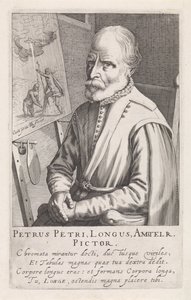
ピーター・アーツセン
1508 - 1575 , オランダ
基本情報
- Artistic Movement Or Style: 北方マニエリスム
- Artists Or Movements Influenced By This Artist:
- ヨアヒム・パティニール
- フランドル・バロック
- Artists Who Influenced This Artist: ['アラート・クラエス']
- Date Of Birth: 1508年、アムステルダム
- Date Of Death: 1575年、アムステルダム
- Full Name: ピーター・アーツェン
- Nationality: オランダ人
- Notable Artworks:
- 食肉屋の店(ウプサラ)
- 市場の女性...
- 様々な祭壇画
- Place Of Birth: オランダ、アムステルダム
関連記事
Pieter de Hooch: Illuminating Dutch Domestic Life & Golden Age Charm
Explore the captivating world of Pieter de Hooch, a master of Dutch Golden Age painting. Discover his innovative use of light, intimate domestic scenes, and lasting influence on art history. Learn more at ArtsDot.
Genre Painting: A Window into Daily Life & Societal Values of the Dutch Golden Age
Explore the captivating world of Dutch Golden Age genre painting! Discover realistic depictions of daily life, masterful artists like Ostade & Metsu, and hidden symbolism. Learn about this influential art movement with ArtsDot.
Illuminating a Century of Change: Artistic Expression & Societal Shifts in 17th-Century Europe
Explore the artistic brilliance of the 17th-century Dutch Golden Age & Baroque period. Discover Rembrandt, genre painting, and chiaroscuro techniques. Expert insights for art lovers & collectors.
Jan Steen: A Master of Dutch Genre Painting & the Golden Age
Explore the life & art of Jan Steen, a leading Dutch Golden Age painter renowned for his humorous genre scenes & insightful social commentary. Discover his techniques, legacy, and collecting tips.
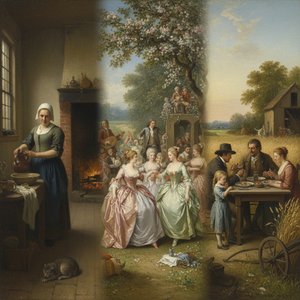
Scenes of Daily Life: A Comprehensive Exploration of Genre Painting Through History
Explore the rich history of genre painting! Discover Dutch Masters & European artists who captured everyday life with stunning realism. Learn about symbolism, techniques & lasting influence.