

 プレビュー
プレビュー
 シェアする
シェアする シェアする
シェアする
 詳細を見る
詳細を見る

 ダウンロード
 似ている作品
 X線調査
X線調査 スライドショー
 統計情報
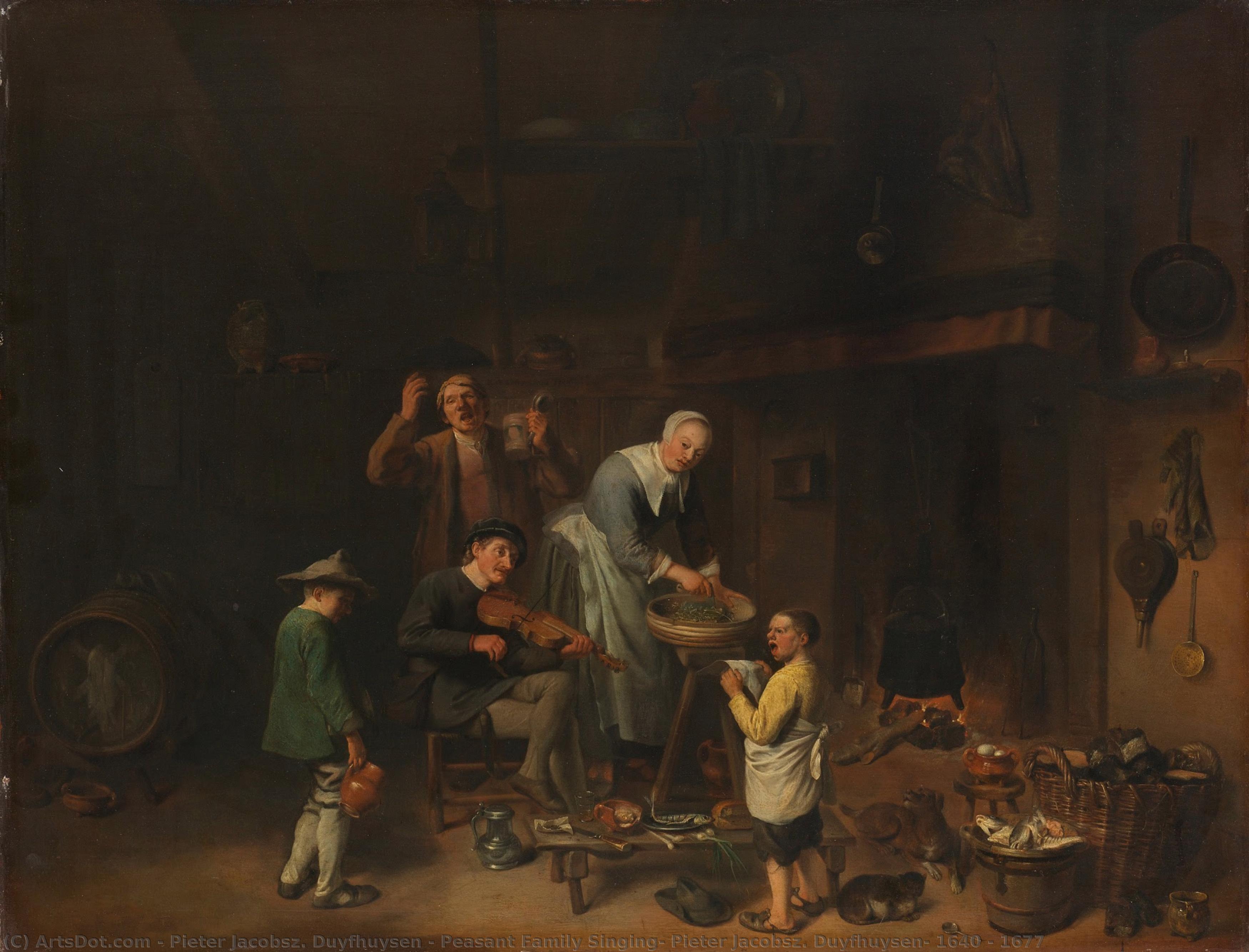
統計情報Peasant Family Singing, Pieter Jacobsz. Duyfhuysen, 1640 - 1677
 Dutch Golden Age
 1677
1677 47.0 x 62.0 cm
 詳細を見る
詳細を見る
手描き油彩複製画
当社のアーティストが、お客様のご希望のサイズと額縁に合わせて、キャンバスに手描きで制作する油彩画です。 ( プリント版に切り替え デジタル画像販売へ切り替え)




































作品のオリジナル比率に合わせた、当店の規定サイズからお選びください。

特定のフレームやスペースに合わせて、ご希望のサイズをご入力いただけます。選択されたサイズが元の画像の比率と異なる場合、アートワークをトリミングするか、手描きで要素を追加して絵画を拡張いたします。デジタルモックアップ を制作し、制作開始前にご確認(承認)をいただきます。
画面上のプレビューは、実際のトリミングや拡張を正確に反映しているものではありません。最終的な構図は、モックアップによってのみ正確にご確認いただけます。
カスタムサイズもご利用いただけますが、元の比率を維持するためには、あらかじめ用意されたリストからサイズを選択することをお勧めいたします。
ご注文後、ArtsDot.com チームより詳細な指示をお送りするとともに、仕上がりイメージ(モックアップ)をご提供いたします。


 ガラスオプションは、110cm未満のサイズでのみご利用いただけます。

Peasant Family Singing, Pieter Jacobsz. Duyfhuysen, 1640 - 1677
複製技法
複製画のサイズ
-


合計金額
$ 388
関連作品

アーティストの略歴
Pieter Jacobsz. Duyfhuysen: A Rotterdam Master of Domestic Life
Pieter Jacobsz. Duyfhuysen (1608-1677), also known as Colinchovius, remains a quietly significant figure in the pantheon of Dutch Golden Age painters. Born and ultimately dying in the bustling port city of Rotterdam, Duyfhuysen’s career unfolded primarily within this vibrant commercial hub, though a brief sojourn in Haarlem during his formative years undoubtedly shaped his artistic sensibilities. His legacy rests largely on a series of intimate genre scenes—particularly depictions of peasant families engaged in daily life—that offer a remarkably honest and compelling glimpse into 17th-century Dutch society. While not as widely celebrated as some of his contemporaries, Duyfhuysen’s work possesses a unique charm and understated realism that continues to resonate with viewers today.Early Life and Training
Duyfhuysen's early life remains somewhat shrouded in the mists of historical record. Born in Rotterdam around 1608, he was likely apprenticed to a local painter, though specific details about his initial training are scarce. A pivotal period in his artistic development occurred between 1625 and 1627 when he traveled to Haarlem, a renowned center of art at the time. There, he is believed to have studied under Johannes van der Beeck (Torrentius), a prominent painter known for his meticulous detail and allegorical scenes. This brief period in Haarlem exposed Duyfhuysen to a more formal artistic environment and likely influenced his technical skills, though it’s important to note that his distinctive style—characterized by its warmth, naturalism, and focus on everyday subjects—developed independently.A Rotterdam Palette: Subject Matter and Style
Returning to Rotterdam, Duyfhuysen established himself as a working artist, primarily catering to the local market. His oeuvre is dominated by scenes of peasant life – families gathered around tables, children playing in fields, farmers tending their livestock. These aren’t idealized depictions; rather, they present a realistic portrayal of rural existence, capturing the weariness and resilience of those who worked the land. Duyfhuysen's brushwork is remarkably free and expressive, eschewing the rigid formality favored by some of his contemporaries. He employed a warm palette—earthy browns, ochres, and muted greens—to create a sense of intimacy and immediacy. His compositions are typically balanced and carefully arranged, drawing the viewer’s eye to the central figures within each scene. A key element of his style is his ability to imbue even the most mundane activities with a quiet dignity and humanity.Notable Works and Influences
Among Duyfhuysen's most celebrated works are paintings like “Lot and His Daughters,” a poignant depiction of a family struggling through hardship, and various scenes featuring peasant interiors—often illuminated by candlelight, revealing the simple comforts and hardships of rural life. These works demonstrate his skill in capturing human emotion and portraying the dignity of ordinary people. While he was influenced by Haarlem’s artistic traditions, Duyfhuysen developed a distinctly Rotterdam style, characterized by its focus on local subjects and its understated realism. His work shares similarities with artists like Jan Davidsz. Zunder, another prominent Rotterdam painter known for his genre scenes, though Duyfhuysen's paintings possess a greater sense of warmth and intimacy.Historical Significance and Legacy
Pieter Jacobsz. Duyfhuysen’s contribution to Dutch Golden Age painting is often overlooked, yet his work offers valuable insights into the social and economic realities of 17th-century Holland. He captured a slice of life largely ignored by other artists of his time—the lives of ordinary people who formed the backbone of the nation's economy. His paintings serve as a powerful reminder of the human cost of progress and the enduring value of family, community, and hard work. Today, Duyfhuysen’s works are housed in museums across Europe, and reproductions continue to be produced by companies like ArtsDot, ensuring that his quietly compelling vision endures for future generations. His legacy lies not in grand narratives or heroic figures, but in the simple, honest portrayal of everyday life—a testament to the enduring power of a skilled artist to capture the essence of humanity.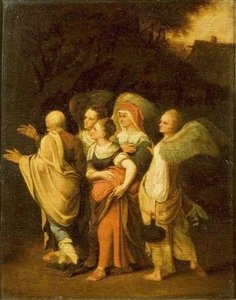
pieter jacobsz. duyfhuysen
1608 - 1677 , Netherlands
基本情報
- Artistic Movement Or Style: Genre painting
- Artists Who Influenced This Artist: ['Torrentius']
- Date Of Birth: 1608
- Date Of Death: 1677
- Full Name: Pieter Jacobsz. Duyfhuysen
- Nationality: Dutch
- Notable Artworks:
- Peasant interior
- Family portraits
- Place Of Birth: Rotterdam, Netherlands
関連記事
Genre Painting: A Window into Daily Life & Societal Values of the Dutch Golden Age
Explore the captivating world of Dutch Golden Age genre painting! Discover realistic depictions of daily life, masterful artists like Ostade & Metsu, and hidden symbolism. Learn about this influential art movement with ArtsDot.
Illuminating Realism: Exploring the Dutch Golden Age of Painting (1600-1700)
Explore the Dutch Golden Age of painting (1600-1700) with ArtsDot. Discover Rembrandt, Vermeer & other masters. Learn about techniques, history & find museum-quality reproductions.

Golden Age Reflections: Dutch Baroque Painting & Cultural Innovation
Explore the Dutch Golden Age of painting! Discover key artists like Vermeer & ter Borch, their innovative techniques, and the rich cultural context behind these Baroque masterpieces. Learn about collecting & appreciating this iconic art period.

黄金世紀の巨匠たち:バロック絵画が彩る10選|ArtsDot
オランダ黄金時代の10大傑作を紐解く!レンブラント、フェルメール…バロック絵画の魅力と時代背景を深く探求。ArtsDotで、至高のアートコレクションと空間演出のヒントを見つけよう。高品質なアートプリントで、お部屋を華やかに。

Illuminating Innovation: Exploring the Dutch Golden Age of Painting
Explore the Dutch Golden Age of painting with ArtsDot. Discover Rembrandt, Vermeer & other Masters. Learn about key characteristics, iconic artworks, and lasting influence. Expert insights for collectors & enthusiasts.