

 プレビュー
プレビュー
 シェアする
シェアする シェアする
シェアする
 詳細を見る
詳細を見る

 ダウンロード
 似ている作品
 X線調査
X線調査 スライドショー
 統計情報
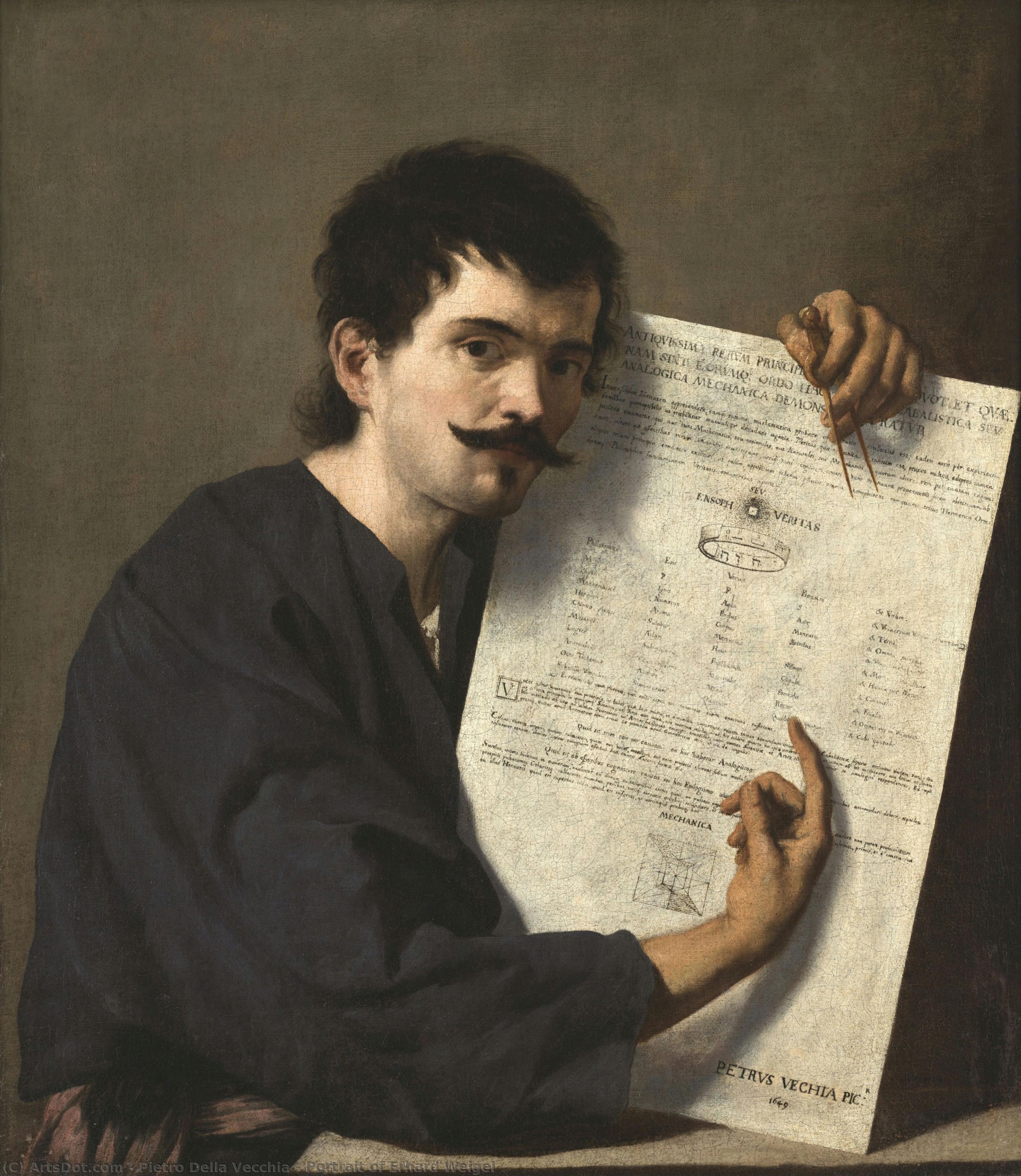
統計情報Portrait of Erhard Weigel
 Acrylic On Canvas
- WallArt
- Baroque Portraiture
 1649
1649- Renaissance
 92.0 x 80.0 cm
 Chrysler Museum of Art
 詳細を見る
詳細を見る
ジークレー/アートプリント
迅速な制作と多彩な仕上げオプションを備えた、ミュージアムクオリティのジークレーまたはキャンバスプリント。 ( 手描きの絵画を購入 デジタル画像販売へ切り替え)




P118B $10

P118H $10

P118W $10

P438Z $10

P508JH $12

P508YH $12

P805H $10

P805Z $10

P919BZ $10

P919G $10

P919XJ $10

P959ZH $10

P968JZ $12

W106C $8

W218G $10

W218JH $8

W218Y $10

W307PJ $10

W316G $10

W316PJ $8

W316Y $10

W398PJ $8

W4111J $10

W500HY $15

W500JH $15

W692G $12

W849H $8

W940BG $15

W953PJ $8




作品のオリジナル比率に合わせた、当店の規定サイズからお選びください。

特定のフレームやスペースに合わせて、ご自身でサイズを指定することも可能です。選択されたサイズが元の画像の比率と一致しない場合、作品をトリミングするか、鏡面反射または単色での塗りつぶしによって画像を拡張いたします。制作を開始する前に、ご確認用のデジタルモックアップをお送りいたします。
画面上のプレビューには、実際のトリミングや拡張は反映されませんのでご注意ください。最終的な構図を正確に確認できるのは、モックアップのみとなります。
カスタムサイズも承っておりますが、元の比率を維持するためには、あらかじめ用意されたリストからサイズを選択することをお勧めいたします。


 ガラスオプションは、110cm未満のサイズでのみご利用いただけます。

Portrait of Erhard Weigel
ジークレー/アートプリント
複製画のサイズ
-


合計金額
$ 62
A Portrait of Intellectual Pursuit: Erhard Weigel by Pietro della Vecchia
Pietro della Vecchia’s 1649 portrait of Erhard Weigel is more than just a likeness; it's a meticulously rendered embodiment of Renaissance intellectualism and the burgeoning spirit of scientific inquiry. This captivating work, measuring 92 x 80 cm, offers a rare glimpse into the mind of a man profoundly engaged with the complexities of knowledge – a mathematician and advisor to Duke William of Saxony-Weimar who sought to reconcile seemingly disparate fields of study.
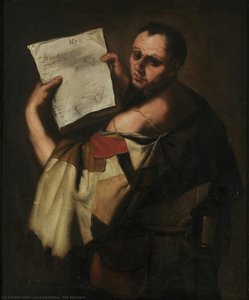
The painting immediately draws the eye to Weigel himself. His mature features, framed by a neatly trimmed beard and mustache, convey an air of quiet contemplation and authority. Dressed in a rich blue robe – a color often associated with wisdom and nobility – he exudes an aura of learned respectability. The artist’s skillful handling of light and shadow sculpts his face, revealing the intensity of his focus as he studies the document held before him.
Decoding the Symbolism: Knowledge and Universal Truth
The central element of the composition is undoubtedly the “cabalistic or analogic chart” that Weigel examines. This isn’t merely a piece of paper; it's a potent symbol of his intellectual ambition. The chart, depicting five distinct areas of knowledge – contemporary philosophy, scientific thought, number theory, ancient magic, and the occult – reflects Weigel’s belief in the interconnectedness of all things. The motto “Wisdom is Truth” further emphasizes this core principle, suggesting that a unified understanding of the world can reveal its fundamental nature.
Adding to the complexity is the compass held by Weigel. This iconic tool represents his desire to create a system – a unifying framework – capable of bridging the gap between reason and intuition, logic and imagination. It’s a visual declaration of his quest for universal truth, a concept central to Renaissance thought.
The Masterful Technique of Pietro della Vecchia
Della Vecchia, renowned for his versatility and meticulous attention to detail, demonstrates his considerable skill in this portrait. His brushwork is remarkably smooth and controlled, particularly evident in the rendering of Weigel’s clothing and facial features. The use of sfumato – a technique pioneered by Leonardo da Vinci – subtly blurs the edges of forms, creating an atmospheric depth that enhances the sense of realism. The artist's background as an art restorer is clearly reflected in his ability to capture texture and light with remarkable precision.
Furthermore, della Vecchia’s incorporation of a subtle backdrop—a simple wall—serves not to distract but to anchor Weigel within a defined space, reinforcing the idea of him as a deliberate and thoughtful scholar. The overall effect is one of quiet dignity and intellectual engagement, perfectly capturing the essence of this remarkable man.
A Timeless Investment in Art and Knowledge
This hand-painted reproduction offers an exceptional opportunity to own a piece of art history – a window into the mind of a brilliant scholar and a testament to the enduring power of human curiosity. Its dimensions (92 x 80 cm) make it suitable for a variety of interior design settings, from formal studies to elegant living rooms. The painting’s rich colors and masterful execution will undoubtedly become a focal point, sparking conversation and inspiring contemplation – just as it did in the hands of Erhard Weigel himself.
関連作品

アーティストの略歴
The Versatile Virtuoso: The Life and Legacy of Pietro della Vecchia
In the vibrant, water-bound world of seventeenth-century Venice, few figures embodied the spirit of artistic mimicry and technical mastery quite like Pietro della Vecchia. A painter of extraordinary breadth, his career was defined not by a single, rigid style, but by a profound ability to inhabit the souls of the masters who preceded him. Whether crafting solemn altarpieces, intimate portraits, or whimsical genre scenes, della Vecchia moved through the art world with the agility of a chameleon, blending the grandeur of the High Renaissance with the dramatic tension of the Baroque era.
The early life of the artist remains shrouded in a certain historical mist, as much of the documentation regarding his formative years is subject to scholarly debate. Born around 1602, likely in Vicenza or Venice, he was the son of Gasparo, a painter already established within the prestigious Venetian painters' guild. While some historians once erroneously linked him to the name Pietro Muttoni—a confusion born from early biographical errors—modern scholarship has reclaimed his true identity as a scion of the well-known Venetian dalla Vecchia family. His early training is a fascinating puzzle; while Alessandro Varotari, known as Il Padovanino, was long cited as his mentor, stylistic evidence suggests that della Vecchia’s true foundations were laid under the influence of Carlo Saraceni and Jean Leclerc. This connection to the Caravaggesque tradition infused his early works with a striking use of light and shadow, a hallmark of the Roman style that would later harmonize with his Venetian sensibilities.
A Master of Pastiche and Imitation
What truly sets Pietro della Vecchia apart in the annals of Italian art is his celebrated talent for pasticcio—the creation of works that intentionally imitated the styles of the sixteenth-century masters. He did not merely copy; he reimagined the brushwork of Titian and the compositions of the great Renaissance giants, breathing new life into their aesthetic languages. This penchant for looking backward was so profound that some later historians mistakenly believed d'ella Vecchia—meaning "of the old"—was a mere nickname reflecting his devotion to antiquity, rather than his actual family name.
His repertoire was remarkably diverse, showcasing a skill set that extended far beyond the canvas:
- Altarpieces: Large-scale religious works designed to command the sacred spaces of Venetian churches.
- Portraits: Character studies that captured the psychological depth and social standing of his subjects.
- Genre Scenes: Evocative depictions of everyday life, often imbued with a sense of theatricality or humor.
- Grotesques: Intricate and imaginative designs that played with the whimsical boundaries of form.
- Mosaics: The creation of detailed cartoons intended for the permanent, shimmering medium of mosaic.
Beyond his creative output, della Vecchia was a man of deep technical knowledge. He served as an art restorer and a sought-after expert, possessing the discerning eye necessary to perform valuations and authenticate the works of others. This dual identity as both creator and conservator suggests a profound intimacy with the physical substance of paint and pigment, allowing him to replicate the textures of the past with uncanny precision.
Historical Significance and Enduring Impression
The historical significance of Pietro della Vecchia lies in his role as a bridge between eras. In an age where the Baroque was pushing toward extreme movement and drama, he maintained a vital connection to the classical elegance of the previous century. His ability to navigate the shifting tides of taste—from the tenebrism of Caravaggio to the lushness of the Venetian school—makes him a pivotal figure in understanding the fluidity of seventeenth-century Italian art.
Though his life ended in 1678, leaving behind a legacy that is as much about scholarly intrigue as it is about visual beauty, his impact remains. He reminds us that art is not always a linear progression toward the new, but often a continuous, beautiful dialogue with the old. Through his pastiches and portraits, della Vecchia ensured that the brilliance of the Renaissance continued to glow within the heart of the Baroque, preserving the aesthetic heritage of Venice for generations to come.
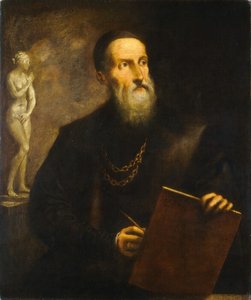
Pietro della Vecchia
1602 - 1678 , Italy
基本情報
- Artistic Movement Or Style: Baroque
- Artists Or Movements Influenced By This Artist: ['Titian']
- Artists Who Influenced This Artist:
- Carlo Saraceni
- Jean Leclerc
- Alessandro Varotari
- Date Of Birth: ca. 1602
- Date Of Death: 1678
- Full Name: Pietro della Vecchia
- Nationality: Italian
- Notable Artworks:
- The Fortune Teller
- Soldiers Play Dices for Christ
- Interno Della Chiesa Dei Santi Pietro E Paolo Di Casalvecchio
- Place Of Birth: Vicenza, Italy
関連記事

The Visceral Stage: Exploring Dramatic Narratives & Emotional Intensity in Baroque Art
Explore the dramatic world of Baroque art! Discover iconic masters like Caravaggio & Rembrandt, their techniques, and the movement's lasting impact. Expert insights for collectors & enthusiasts at ArtsDot.

バロック美術を極めた至宝:時代を彩る10大名作の世界
バロック美術の華!カラヴァッジョ、ベルニーニら巨匠が創り上げた10大名作を徹底解剖。ドラマチックな色彩と豪華絢爛の世界観に触れ、至宝のアートプリントで空間を彩ろう。ArtsDot.comで美術館品質の複製と洗練されたインテリアを見つけましょう!

The Dramatic Flourish: Exploring the Baroque Movement's Enduring Legacy in Art History
Explore the dramatic world of Baroque art! Discover iconic artists like Caravaggio & Rubens, defining techniques, and its lasting impact on art history. Expert insights for collectors & enthusiasts at ArtsDot.
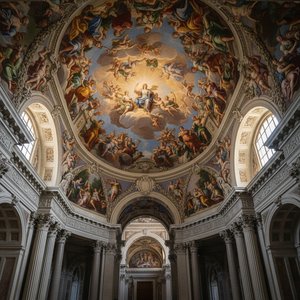
Pietro da Cortona: Baroque Grandeur & the Synthesis of Roman Painting
Explore the life & masterpieces of Pietro da Cortona, a defining figure of the Italian Baroque. Discover his stunning frescoes at Palazzo Barberini and lasting influence on Roman art history. Learn more with ArtsDot.

バロックのドラマ:現代のインテリアに壮麗さと情感を取り込む
バロック様式の歴史、絵画、家具の魅力をご紹介。ArtsDotでは、高品質な油絵複製やカスタムポートレートをご提供し、現代のインテリアに壮麗さと情感を取り入れます。アートコンサルテーションも承ります。