

 プレビュー
プレビュー
 プリントを購入
 シェアする
シェアする シェアする
シェアする
 詳細を見る
詳細を見る

 ダウンロード
 似ている作品
 X線調査
X線調査 スライドショー
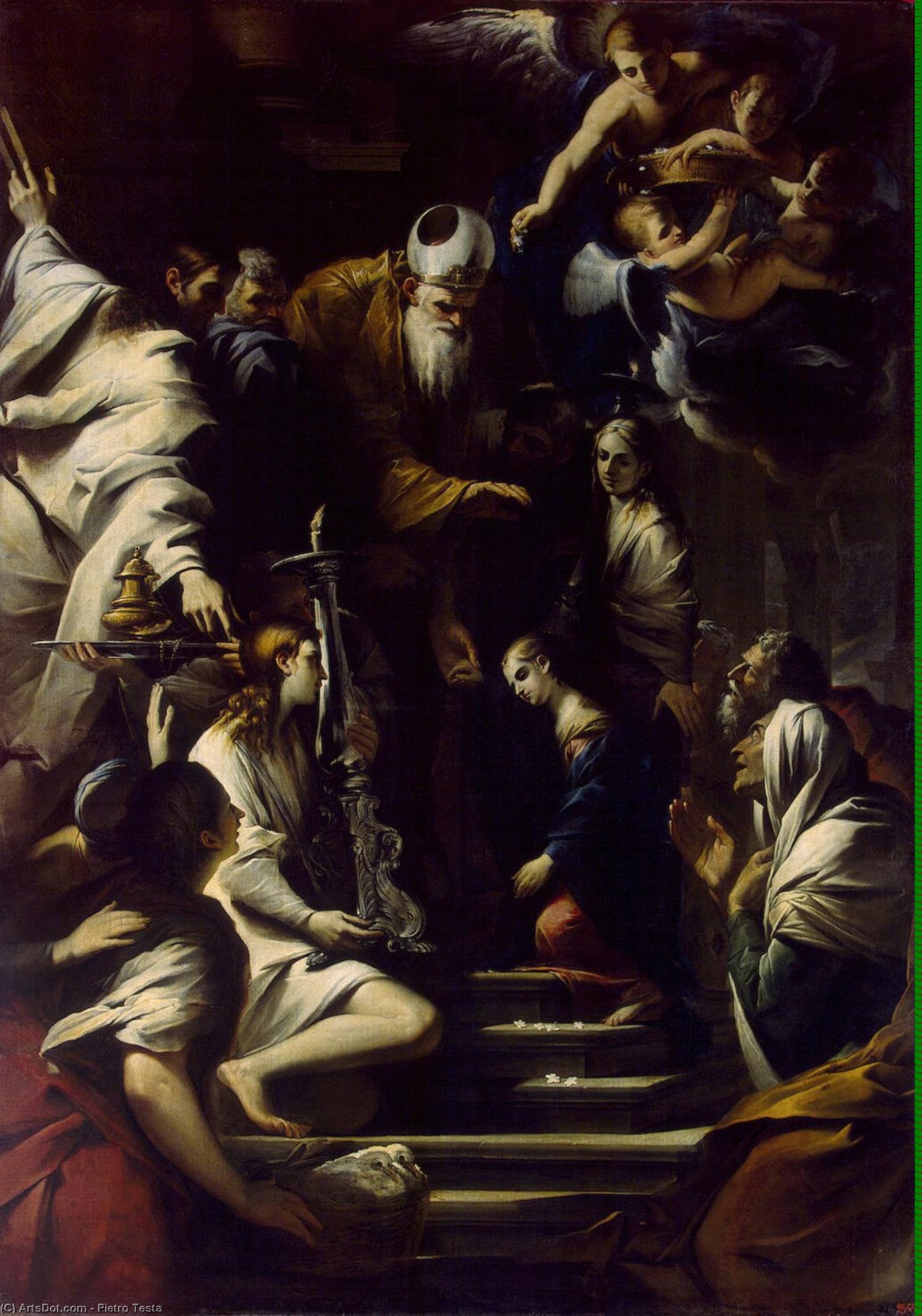
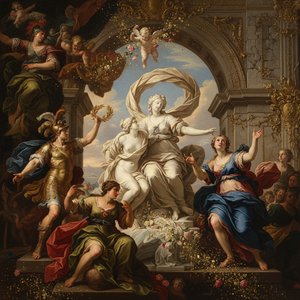
Presentation of the Virgin in the Temple
 Acrylic On Canvas
- WallArt
- Baroque
 1641
1641 323.0 x 226.0 cm
 エルミタージュ美術館
 詳細を見る
詳細を見る




P118B $10

P118H $10

P118W $10

P438Z $10

P508JH $12

P508YH $12

P805H $10

P805Z $10

P919BZ $10

P919G $10

P919XJ $10

P959ZH $10

P968JZ $12

W106C $8

W218G $10

W218JH $8

W218Y $10

W307PJ $10

W316G $10

W316PJ $8

W316Y $10

W398PJ $8

W4111J $10

W500HY $15

W500JH $15

W692G $12

W849H $8

W940BG $15

W953PJ $8




作品のオリジナル比率に合わせた、当店の規定サイズからお選びください。

特定のフレームやスペースに合わせて、ご希望のサイズをご入力いただけます。選択されたサイズが元の画像の比率と異なる場合、アートワークをトリミングするか、手描きで要素を追加して絵画を拡張いたします。デジタルモックアップ を制作し、制作開始前にご確認(承認)をいただきます。
画面上のプレビューは、実際のトリミングや拡張を正確に反映しているものではありません。最終的な構図は、モックアップによってのみ正確にご確認いただけます。
カスタムサイズもご利用いただけますが、元の比率を維持するためには、あらかじめ用意されたリストからサイズを選択することをお勧めいたします。
ご注文後、ArtsDot.com チームより詳細な指示をお送りするとともに、仕上がりイメージ(モックアップ)をご提供いたします。


 ガラスオプションは、110cm未満のサイズでのみご利用いただけます。

Presentation of the Virgin in the Temple
複製技法
複製画のサイズ
-


合計金額
$ 263
作品解説
A Vision of Faith: Pietro Testa’s “Presentation of the Virgin in the Temple”
Pietro Testa’s monumental depiction of the Presentation of the Virgin at the Temple stands as a cornerstone of Lucchese Baroque art and a testament to the enduring power of religious iconography. Executed in 1641 for the church of Santa Croce dei Lucchesi in Rome, this painting transcends mere representation; it embodies a profound spiritual aspiration rooted in Mannerist aesthetics and imbued with meticulous detail that continues to captivate viewers centuries later.Style and Technique: Embracing Mannerism’s Dramatic Tension
Testa's approach aligns squarely with the stylistic currents of Mannerism—a reaction against the idealized beauty championed by High Renaissance artists like Raphael and Michelangelo. Unlike its predecessors, Mannerism prioritized expressive distortion and stylized poses to convey psychological states rather than achieving photographic accuracy. Testa skillfully employs this technique, presenting a scene rife with dramatic tension and conveying an overwhelming sense of solemn reverence. The figures are elongated, angular, and subtly twisted—a deliberate departure from classical proportions—creating a visual dynamism that draws the eye inward and invites contemplation. Furthermore, Testa’s masterful use of chiaroscuro – the interplay between light and shadow – amplifies this emotional impact, sculpting volumes with remarkable precision and highlighting key elements within the composition.Historical Context: Rome Under Papal Patronage
The painting emerged during a period of fervent religious fervor in Rome under Pope Innocent X—a time when papal patronage fueled artistic innovation and ambition. Testa’s commission reflects the Church's desire to commemorate the Virgin Mary’s arrival in Jerusalem, marking a pivotal moment in Christian faith. The artwork served as a powerful symbol of piety and devotion, intended to inspire worshippers and reaffirm their belief in divine providence. Its placement within Santa Croce dei Lucchesi underscores its significance as a devotional masterpiece—a focal point for prayer and contemplation within the Roman Catholic liturgical tradition.Symbolism: Layers of Meaning Within Sacred Narrative
The composition itself is laden with symbolic references that enrich its narrative depth. The Virgin Mary, depicted centrally amidst a throng of onlookers, embodies maternal compassion and spiritual purity—qualities revered throughout Christian history. Her gaze directs towards the infant Jesus, symbolizing divine grace and redemption. Surrounding figures represent various members of society – priests, dignitaries, and ordinary citizens – acknowledging the universality of faith and highlighting the importance of communal worship. The architectural setting—a stylized depiction of Jerusalem’s Temple—further reinforces the biblical context and underscores the sanctity of the occasion.Emotional Impact: A Moment Frozen in Time
“Presentation of the Virgin at the Temple” achieves an extraordinary emotional resonance through Testa's masterful manipulation of visual elements. The subdued palette—dominated by earthy tones—creates a sense of solemn grandeur, fostering an atmosphere of reverence and contemplation. Yet, within this stillness lies palpable energy—captured in the expressive gestures of the figures and accentuated by the dramatic lighting. Viewing the painting evokes feelings of awe and humility, prompting reflection on themes of faith, devotion, and divine grace. It remains a compelling reminder of the enduring power of art to communicate spiritual truths and inspire profound emotional responses – a timeless masterpiece that continues to resonate with audiences today.関連作品



関連記事

The Dramatic Flourish: Exploring the Baroque Movement's Enduring Legacy in Art History
Explore the dramatic world of Baroque art! Discover iconic artists like Caravaggio & Rubens, defining techniques, and its lasting impact on art history. Expert insights for collectors & enthusiasts at ArtsDot.

バロックのドラマ:現代のインテリアに壮麗さと情感を取り込む
バロック様式の歴史、絵画、家具の魅力をご紹介。ArtsDotでは、高品質な油絵複製やカスタムポートレートをご提供し、現代のインテリアに壮麗さと情感を取り入れます。アートコンサルテーションも承ります。

The Visceral Stage: Exploring Dramatic Narratives & Emotional Intensity in Baroque Art
Explore the dramatic world of Baroque art! Discover iconic masters like Caravaggio & Rembrandt, their techniques, and the movement's lasting impact. Expert insights for collectors & enthusiasts at ArtsDot.

バロック美術を極めた至宝:時代を彩る10大名作の世界
バロック美術の華!カラヴァッジョ、ベルニーニら巨匠が創り上げた10大名作を徹底解剖。ドラマチックな色彩と豪華絢爛の世界観に触れ、至宝のアートプリントで空間を彩ろう。ArtsDot.comで美術館品質の複製と洗練されたインテリアを見つけましょう!
Theatricality & Triumph: Baroque Drama in Painting & Sculpture
Explore the dramatic world of Baroque art! Discover its history, defining characteristics, & lasting influence on painting & sculpture. Expert insights into Caravaggio, Zurbarán, and Bernini – plus high-quality reproductions at ArtsDot.

