

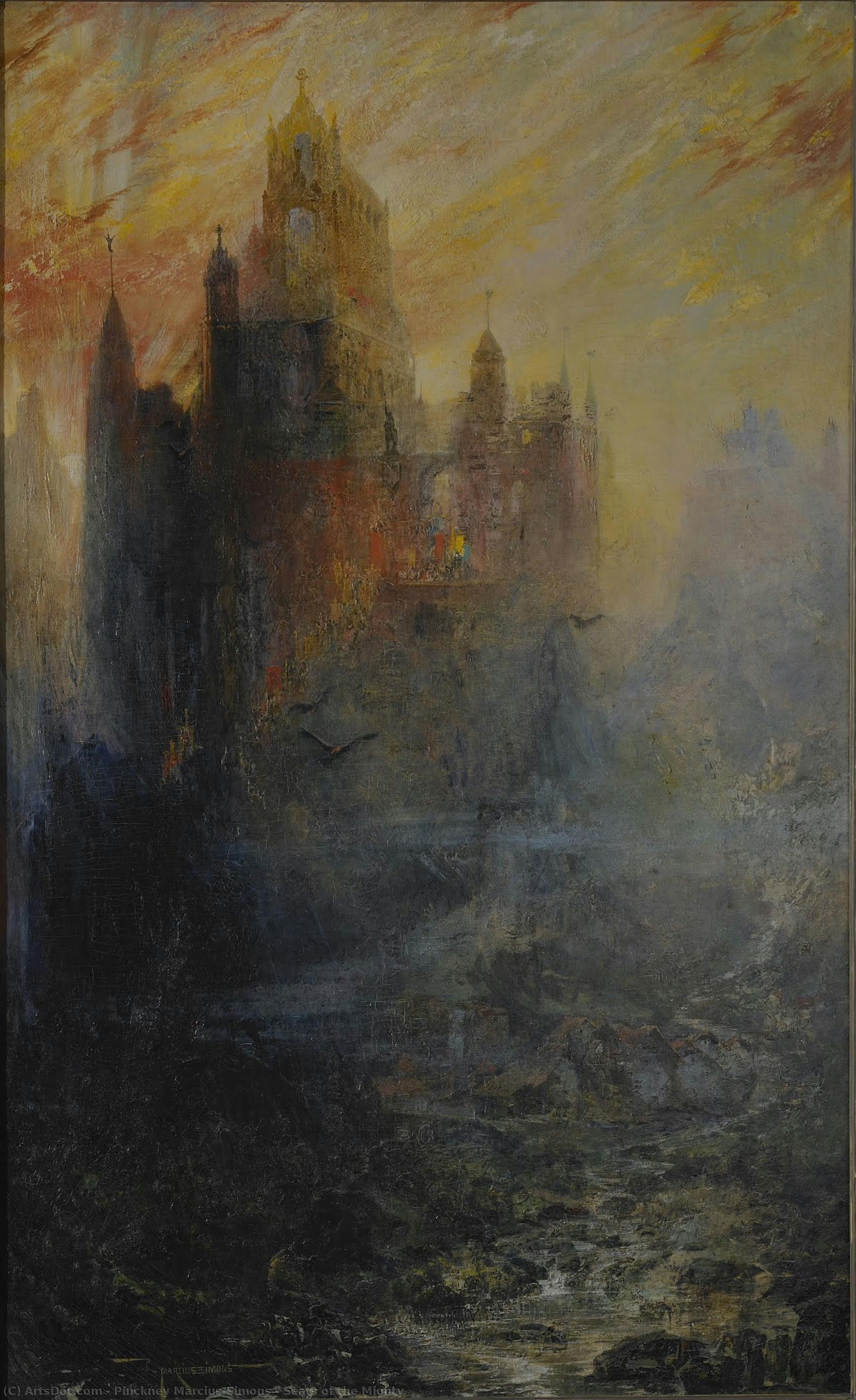
 プレビュー
プレビュー
 シェアする
シェアする シェアする
シェアする
 詳細を見る
詳細を見る

 ダウンロード
 似ている作品
 X線調査
X線調査 スライドショー
 Stats
StatsSeats of the Mighty


 詳細を見る
詳細を見る
手描き油彩複製画
当社のアーティストが、お客様のご希望のサイズと額縁に合わせて、キャンバスに手描きで制作する油彩画です。 ( Switch to Print Switch to Digital Image)




































作品のオリジナル比率に合わせた、当店の規定サイズからお選びください。

特定のフレームやスペースに合わせて、ご希望のサイズをご入力いただけます。選択されたサイズが元の画像の比率と異なる場合、アートワークをトリミングするか、手描きで要素を追加して絵画を拡張いたします。デジタルモックアップ を制作し、制作開始前にご確認(承認)をいただきます。
画面上のプレビューは、実際のトリミングや拡張を正確に反映しているものではありません。最終的な構図は、モックアップによってのみ正確にご確認いただけます。
カスタムサイズもご利用いただけますが、元の比率を維持するためには、あらかじめ用意されたリストからサイズを選択することをお勧めいたします。
ご注文後、ArtsDot.com チームより詳細な指示をお送りするとともに、仕上がりイメージ(モックアップ)をご提供いたします。


 ガラスオプションは、110cm未満のサイズでのみご利用いただけます。

Seats of the Mighty
複製技法
複製画のサイズ
-


合計金額
$ 263
関連作品

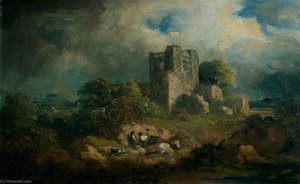
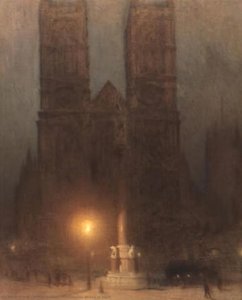
アーティストの略歴
Pinckney Marcius-Simons: A Rediscovered Visionary
Pinckney Marcius-Simons (1867—July 17, 1909) remains a captivating enigma in the history of art. Born in New York City and transported to France as an infant for his health, he emerged as a remarkably talented painter who, despite achieving early success, largely faded from public view after his untimely death at the age of forty-two. His work, characterized by its dramatic intensity, evocative symbolism, and unique blend of influences—from J.M.W. Turner to Richard Wagner—is now experiencing a well-deserved revival, revealing an artist of profound imagination and technical skill.
Marcius-Simons’s artistic journey began at the tender age of twelve when he commenced formal training at the Vaugirard College in Paris under the guidance of Jehan Georges Vibert, a respected figure in the Parisian art scene. This early education instilled in him a rigorous academic foundation, evident in his initial genre paintings exhibited at the Paris Salon in 1882. However, this was merely a stepping stone to a radical transformation in his subject matter and technique. Around 1892, following a period of illness, Marcius-Simons embarked on a new artistic path, exploring themes of Christian religious visions, classical mythology, and the fantastical worlds inspired by Wagner’s operas – a shift that would define his later career.
Early Training and Parisian Success
Marcius-Simons's early life was marked by an unusual upbringing. Brought to France as a baby, he spent much of his youth immersed in European culture, receiving a comprehensive education encompassing architecture, anatomy, and the arts. His training at the Vaugirard College provided him with a solid foundation, culminating in his debut at the Paris Salon in 1891. His early works showcased a remarkable ability to capture the essence of everyday life, earning him recognition from critics like George William Sheldon, who championed his talent and described him as “a great imaginative artist, a wonderful colorist; and a man with a vision more wonderful still.”
His paintings from this period, including "The Child Canova Modeling a Lion Out of Butter" and "Young Lulli," garnered attention for their delicate beauty and technical precision. These works demonstrated his mastery of composition and his ability to imbue seemingly simple subjects with profound emotional resonance. He quickly established himself as a successful genre painter, exhibiting at both the Paris Salon and the Royal Academy of Arts in London.
A Shift Towards Symbolism and Wagnerian Influence
Around 1892, Marcius-Simons underwent a dramatic stylistic evolution, moving away from his earlier academic training towards a more symbolic and visionary approach. This transformation was powerfully influenced by the music of Richard Wagner, whose operas provided him with a rich source of mythological and spiritual imagery. His painting “Mon royaume n’est pas de ce monde” (My Kingdom Is Not of This Earth) exemplifies this shift, presenting a hallucinatory landscape filled with religious figures, mythical creatures, and symbolic objects—a deliberate attempt to "orchestrate his pictures as a musician scores," as Falk noted.
This new direction was not without its critics. Some found his work unsettling or incoherent, while others recognized the depth of his imaginative vision. However, Marcius-Simons remained steadfast in his pursuit of artistic expression, creating a series of paintings that explored themes of faith, mortality, and the human condition with unparalleled intensity.
Notable Works and Legacy
Among Marcius-Simons’s most celebrated works are “Seats of the Mighty” (1908), a dramatic Romantic oil painting depicting a majestic castle in twilight, characterized by its rich impasto and evocative atmosphere—a piece now part of the collection at ArtsDot.com. Other significant paintings include "Apotheosis of Joan of Arc," "Flower Fairies," “Guardian Angels,” and “Parsifal and the Knights,” each showcasing his distinctive style and thematic concerns.
His work has been exhibited at prestigious institutions such as the Birmingham Museum of Art and the James A. Michener Art Museum, and remains a subject of scholarly interest. Despite being largely forgotten after his death in Bayreuth, Germany, Marcius-Simons’s paintings continue to captivate viewers with their dreamlike quality, emotional depth, and unique artistic vision. His rediscovery represents a significant contribution to the understanding of Symbolist art and a testament to the enduring power of imagination.
Pinckney Marcius-Simons was an American Symbolist painter known for his dramatic Christian religious visions, classical mythology scenes & Wagnerian opera-inspired works. Studied under Vibert; a rediscovered talent!
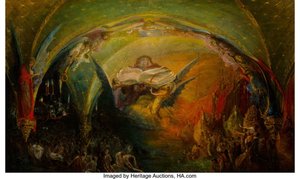
Pinckney Marcius-Simons
1867 - 1909 , United States of America
基本情報
- Artistic Movement Or Style: Symbolism, Genre
- Artists Or Movements Influenced By This Artist: ['Wagnerian opera']
- Artists Who Influenced This Artist: ['Jehan Georges Vibert']
- Date Of Birth: 1867
- Date Of Death: 1909
- Full Name: Pinckney Marcius-Simons
- Nationality: American
- Notable Artworks:
- Garden of Earthly Delights
- Seats of the Mighty
- Place Of Birth: New York, USA
関連記事

Romantic Realism's Finest: 10 Masterpieces for Your Home | ArtsDot
Explore 10 defining masterpieces of Romantic Realism! Discover Courbet, Millet & Daumier's powerful paintings—capturing emotion and social realities. Find museum-quality reproductions for your home at ArtsDot.com.

油彩のキャンバス:技法、歴史、そして現代の実践 - 古典美術愛好家へ
油彩の技法、歴史、巨匠たちの秘密を徹底解説。古典美術愛好家向けに、初期フランドル絵画から現代の実践まで深く掘り下げます。ArtsDotで高品質な複製画やカスタムオーダーも承ります。

The Enduring Legacy of Oil on Canvas: Technique, History & Aesthetic Impact
Explore the rich history & techniques of oil painting – from Renaissance masters to Impressionism. Discover pigments, layering methods, and why this timeless medium endures. Expert insights for artists & art enthusiasts.

The Enduring Power of Painting: A Historical & Contemporary Exploration of Form and Emotion
Explore the rich history & enduring techniques of oil painting with ArtsDot. Discover masterpieces, learn about art collecting, and find authentic handmade reproductions crafted by skilled artists.

Oil on Canvas: A Historical & Technical Exploration of a Timeless Artistic Medium
Explore the rich history & enduring techniques of oil painting on canvas. Discover the science behind its longevity, conservation practices, and contemporary relevance. Expert insights for art enthusiasts.