

 プレビュー
プレビュー
 プリントを購入
 シェアする
シェアする シェアする
シェアする
 詳細を見る
詳細を見る

 ダウンロード
 似ている作品
 X線調査
X線調査 スライドショー
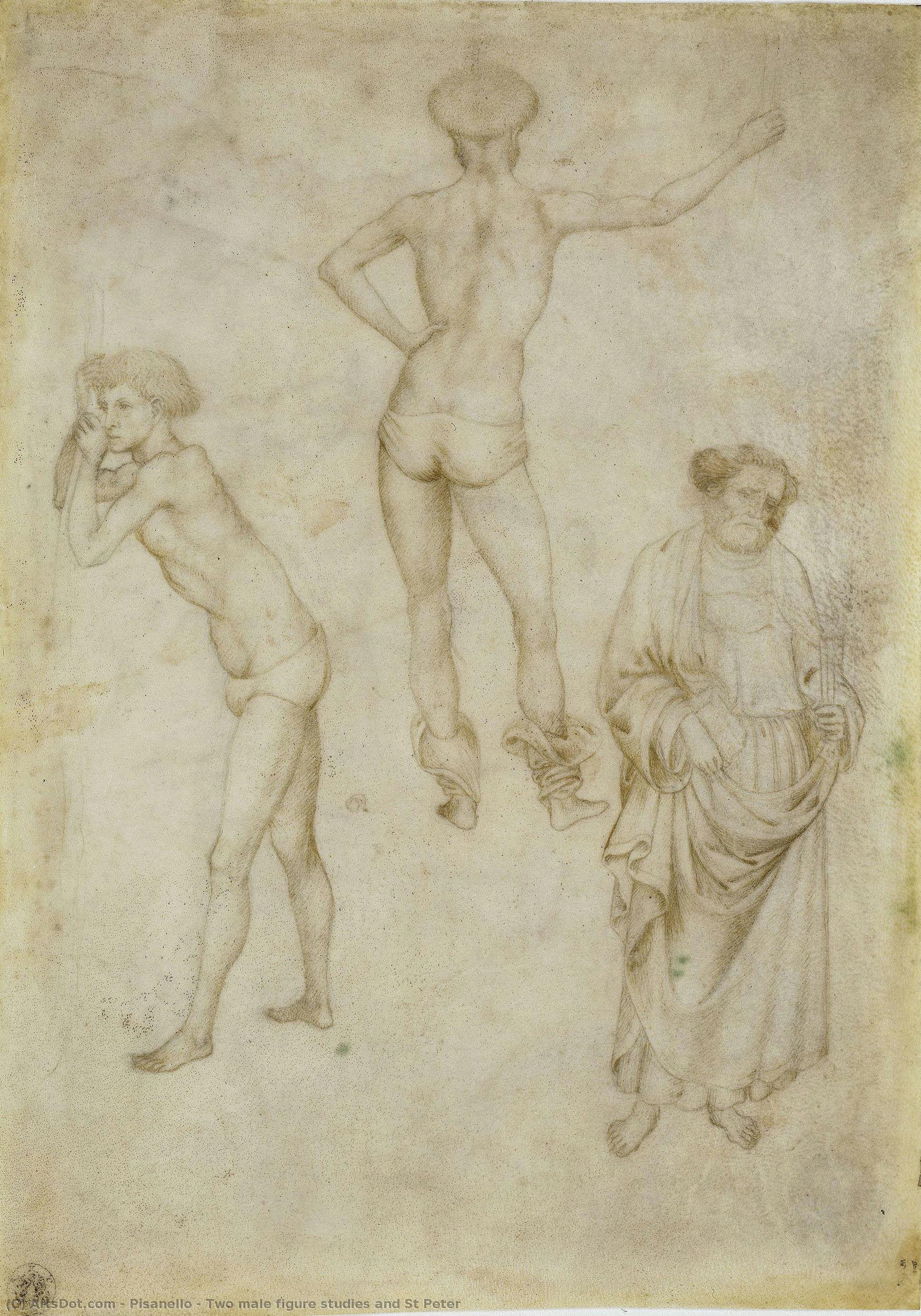
Two male figure studies and St Peter
 Acrylic On Canvas
- WallArt
- International Gothic
 18.0 x 27.0 cm
 クーパーシュチッヒカビネット
 詳細を見る
詳細を見る




P118B $10

P118H $10

P118W $10

P438Z $10

P508JH $12

P508YH $12

P805H $10

P805Z $10

P919BZ $10

P919G $10

P919XJ $10

P959ZH $10

P968JZ $12

W106C $8

W218G $10

W218JH $8

W218Y $10

W307PJ $10

W316G $10

W316PJ $8

W316Y $10

W398PJ $8

W4111J $10

W500HY $15

W500JH $15

W692G $12

W849H $8

W940BG $15

W953PJ $8




作品のオリジナル比率に合わせた、当店の規定サイズからお選びください。

特定のフレームやスペースに合わせて、ご希望のサイズをご入力いただけます。選択されたサイズが元の画像の比率と異なる場合、アートワークをトリミングするか、手描きで要素を追加して絵画を拡張いたします。デジタルモックアップ を制作し、制作開始前にご確認(承認)をいただきます。
画面上のプレビューは、実際のトリミングや拡張を正確に反映しているものではありません。最終的な構図は、モックアップによってのみ正確にご確認いただけます。
カスタムサイズもご利用いただけますが、元の比率を維持するためには、あらかじめ用意されたリストからサイズを選択することをお勧めいたします。
ご注文後、ArtsDot.com チームより詳細な指示をお送りするとともに、仕上がりイメージ(モックアップ)をご提供いたします。


 ガラスオプションは、110cm未満のサイズでのみご利用いただけます。

Two male figure studies and St Peter
複製技法
複製画のサイズ
-


合計金額
$ 288
作品解説
Two Male Figure Studies and St Peter - A Renaissance Echo
Pisanello’s “Two Male Figure Studies and St Peter” stands as an arresting testament to the burgeoning artistic spirit of Florence during the early fifteenth century—a pivotal moment bridging the Gothic legacy with the nascent ideals of the Renaissance. This monochrome drawing, executed in metalpoint and pen on parchment, transcends mere technical prowess; it embodies a profound engagement with humanist principles that would soon dominate European art. Examining its intricacies reveals not only masterful draughtsmanship but also a glimpse into the intellectual currents shaping artistic expression at the time.- Subject Matter: The composition centers around three nude male figures arranged diagonally across the page, capturing an idealized representation of human anatomy—a cornerstone of Renaissance scholarship and aesthetic appreciation. Alongside these studies of the human form is a detailed drapery study for what appears to be St Peter, reflecting Pisanello’s meticulous observation of naturalistic detail.
- Style: The artwork firmly establishes itself within the stylistic framework of Early Renaissance art, inheriting the refined elegance of Florentine ateliers while simultaneously distancing itself from the ornate conventions of Late Gothic painting. The artist's deliberate use of hatching and cross-hatching techniques skillfully conveys tonal variations and volume, creating a palpable sense of depth and realism—a departure from the flattened perspectives characteristic of earlier styles.
- Technique: Primarily executed in dry media – charcoal or graphite – on parchment, “Two Male Figure Studies” exemplifies the precision demanded by metalpoint drawing. This technique allows for unparalleled control over line weight and shading, resulting in a surface texture that subtly communicates the artist’s hand and contributes to the artwork's aged appearance—a visual reminder of its origins within Pisanello’s sketchbook.
- Historical Context: Created during a period of intense intellectual ferment—marked by rediscovery of classical texts and an emphasis on humanism—the drawing reflects the humanist fascination with studying the human body as a microcosm of the universe. It anticipates the anatomical drawings produced by Leonardo da Vinci, demonstrating Pisanello’s pioneering role in establishing new standards for artistic representation.
- Symbolism: The juxtaposition of nude figures and drapery studies isn't merely formal; it speaks to a deeper symbolic resonance—a deliberate exploration of idealized beauty alongside contemplation of faith and spirituality. The artist’s focus on anatomical accuracy underscores the humanist conviction that understanding the human form is essential for grasping the essence of existence, mirroring the broader philosophical ambitions of the Renaissance era.
The overall impression is one of intellectual curiosity and artistic exploration—a captivating glimpse into Leonardo da Vinci's formative influences. The artwork’s monochromatic palette enhances its dramatic impact, emphasizing the artist’s masterful command of tonal shading and creating an atmosphere of contemplative solemnity. It serves as a poignant reminder that even in seemingly simple sketches, profound artistic ideas can emerge.
Further Research:- Two Male Figure Studies and St Peter: Explore this remarkable artwork on Google Arts & Culture for detailed information about its creation, stylistic influences, and historical significance.
- Miracles of St. Francis Xavier (Rubens): Consider the broader artistic context surrounding Rubens’ monumental altarpiece, reflecting the humanist spirit and stylistic innovations prevalent in Northern European art during the same period.
関連作品
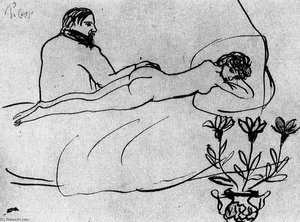
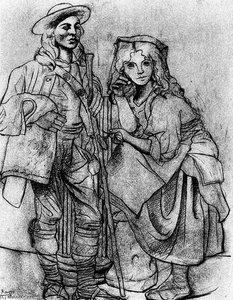
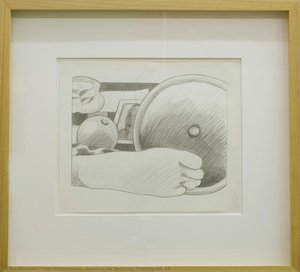
アーティストの略歴
二つの世界を繋ぐ生涯:ピサネッロの芸術
1395年頃、ピサにアントニオ・ディ・プッチョ・ピサーノとして生まれたピサネッロは、国際ゴシック様式から胎動するルネサンスへと移り変わる時代において、極めて重要な役割を果たした人物です。彼の名は、ジョルジョ・ヴァザーリによる誤認からヴィットーレ・ピサーノと呼ばれることもあり、その名自体が彼の生涯と作品に纏わりつく神秘性を暗示しています。詳細な経緯については今なお謎に包まれている部分が多いものの、彼が修業時代にヴェローナ絵画の洗練された伝統を吸収していたことは確かです。この基盤こそが、彼の繊訂な線描と、豪華絢爛な細部への深い愛着を永遠に形作ることとなりました。この初期の影響は単なる技法に留まらず、豊かな質感を持つ織物や、光り輝く表面、そして宮廷的な優雅さを湛えた美学を彼の中に植え付けました。1415年から1420年頃にかけて始まったジェンティーレ・ダ・ファブリアーノとの重要な師弟関係は、ピサネッロの芸術的軌道を決定づけるものとなりました。彼は師から技術的な習熟だけでなく、貴重な素材を見極める眼と、緻密な観察への献身をも受け継ぎました。これらは後に彼の様式の代名詞となる特質です。彼はイタリア各地を広く旅し、様々な宮廷から依頼を受けました。フィレンツェでは皇帝ジギスムントをはじめとする著名な人物を肖像画に刻み込み、人物の容貌を捉え、その地位を表現する類まれな才能を早くから発揮していました。傑作と独自の様式
ピサネッロの芸術的成果は、紛失や誤認によって断片的なものとなってはいるものの、驚くほど多才な才能を露わにしています。ヴェローナのサンタナスタシア教会、ペッレグリーニ礼拝堂を飾るフレスコ画『聖ゲオルギウスとテライゾンの王女』は、広く彼の最高傑作と見なされています。それは単なる伝説の描写ではありません。宮廷生活、異国の動物、そして複雑な細部が織りなす鮮やかなタペストリーであり、観る者を幻想的な領域へと引き込みます。「アントニウス・ピサーヌ」の署名がある『鶉(うずら)の聖母』は、ジェンティーレ・ダ・ファブリアーノの洗練と、ステファノ・ダ・ヴェローナの様式的ニュアンスが見事に調和した作品です。これらの名作に加え、ヴェローナのサン・フェルモにあるフレスコ画『受胎告知』は、ニコロ・ディ・ブレッゾーニの葬送記念碑の一部として制作され、物語的な構成力と信心深い図像表現における彼の技量を示しています。さらに、師であるジェンティーレの急逝後、ローマのサン・ジョヴァンニ・イン・ラテラノ大聖堂で未完であったフレスコ画を引き継いで完成させたことは、彼の名声の高まりと技術的な卓越性の証といえるでしょう。ピサネロットの様式は一目でそれと分かります。形態を精密に定義する繊細な線、執念とも言える細部へのこだわり、そして贅沢な質感や優雅な衣装を描き出すことへの傾倒です。また、それ自体が独立した芸術作品となり得る彼の素描も特筆すべきものです。動植物や人物の習作には、彼の鋭い観察眼と芸術的な感性が溢れています。しかし、おそらく彼が成し遂げた最も画期的な貢献は、記念肖像メダル(メダリオン)の創出であり、このジャンルを実質的に確立して後世の芸術家たちに多大な影響を与えたのです。影響と芸術的発展> ピサネッロの芸術的な旅路は、単なる形式的な訓練によって定義されたものではありません。それは過去と現在の芸術との絶え間ない対話によって形作られました。ジェンティーレ・ダ・ファブリアーノは、特に細部への強調と豪華な装飾において、彼に深い影響を与え続けました。また、ステファノ・ダ・ヴェローナも初期の様式形成に寄与し、彼をヴェローナの伝統へと根付かせたと考えられます。興味深いことに、一部の研究者はパオロ・ウッチェロとの関連性を示唆しており、ピサネッロの素描や絵画に頻繁に登場する「馬」というモチーフへの共通した執着がその根拠とされています。しかし、彼の影響は同時代の芸術家だけに留まりませんでした。彼は古代ギリシャやローマの芸術からもインスピレーションを得ており、それは古代の貨幣肖像を彷彿とさせる彼の肖像メダルに顕著に表れています。時を経て、ピサネッロの様式は進化を遂げました。彼は純粋なゴシックの慣習から脱却し、ルネサンス的な自然主義の要素や、解剖学的な正確さへの関心を作品に取り入れていきました。彼の素描は次第に、単なる準備段階のスケッチを超え、形態や質感そのものを探求する独立した作品へと変貌していきました。この進化は、多様な影響を統合して、独自の個人的な芸術的ヴィジョンへと昇華させる彼の能力を反映しています。それはまさに、二つの時代を繋ぐ架け橋となるヴィジョンでした。
歴史的重要性と不朽の遺産
美術史におけるピサネッロの地位は揺るぎないものです。彼は単なる才能ある画家としてだけでなく、初期ルネサンスの美学を定義する一助となった革新者として存在しています。彼は肖像メダルの先駆者であり、このジャンルはイタリアの貴族層を中心に広く普及することとなりました。彼の作品は、国際ゴシック様式の装飾的な優雅さから、より自然主義的で人間中心的なルネサンスのアプローチへの決定的な転換を体現しており、緻密な観察眼と洗練された装飾美を融合させています。生前、彼はグアリーノ・ダ・ヴェローナのような詩人から称賛され、その卓越した才能を見抜いた人文主義の学者たちからも敬意を払われました。数世紀にわたる間に、彼の絵画の多くが失われたり、他の画家のものと誤認されたりしてきましたが、現存する素描やメダルは今なお畏敬と称賛を集め続けています。後世の芸術家たちへの影響は、たとえそれが控えめなものであったとしても否定しようがありません。緻密な素描技術、細部への眼差し、そして肖像画における革新的な手法は、すべて次世代に消えることのない足跡を残しました。ピサネッロの芸術は、観察することの力、職人技の美しさ、そして伝統と革新の狭間に置かれた世界の、永遠に色褪せない魅力を物語り続けています。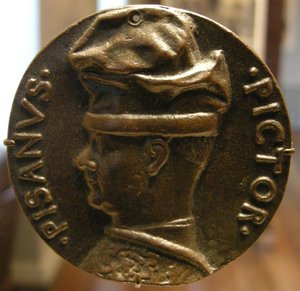
ピザネッロ
1395 - 1455 , イタリア
基本情報
- Artistic Movement Or Style: 初期ルネサンス、インターナショナル・ゴシック
- Artists Or Movements Influenced By This Artist: ['肖像メダル製作者']
- Artists Who Influenced This Artist:
- ジェンティーレ・ダ・ファブリアーノ
- ステファノ・ダ・ヴェローナ
- Date Of Birth: 1395年頃
- Date Of Death: 1455年頃
- Full Name: アントニオ・ディ・プッチョ・ピサーノ
- Nationality: イタリア
- Notable Artworks:
- 聖ゲオルギウスと王女
- 鶉の聖母
- 受胎告知(ヴェローナ)
- Place Of Birth: イタリア、ピサ
関連記事
The Eloquent Form: A Historical & Aesthetic Exploration of the Nude in Art
Explore the captivating history of the nude in art! From ancient Greece to modern masters, discover its evolving symbolism, techniques & enduring beauty. Expert insights for collectors and enthusiasts.
The Enduring Allure of the Nude: A Historical & Artistic Exploration of the Human Form
Explore the captivating history of nude art! Discover iconic paintings & artists from classical to modern eras. Uncover symbolism, techniques & find museum-quality reproductions at ArtsDot.
レオナルド・ダ・ヴィンチ:至高の25選 - 芸術、科学、そして不朽の名作の世界
レオナルド・ダ・ヴィンチの至宝25選。モナリザ、最後の晩餐…ルネサンス美術を代表する名画の世界へ。芸術史、技法、そして感動の物語を紐解き、お部屋に飾る高級複製画で特別な空間を。ArtsDot.comで全コレクションをご覧ください。

High Medieval Art: 10 Masterpieces That Shaped an Era | ArtsDot
Journey through High Medieval Art! Explore 10 iconic masterpieces – from Giotto's frescoes to stunning Gothic cathedrals. Discover the stories behind these timeless paintings, sculptures & illuminated manuscripts. Find museum-quality art reproductions at ArtsDot.com.
The Nuances of Graphite: Exploring Emotional Depth & Technical Mastery in Pencil Drawing
Explore the captivating world of graphite drawing! Discover its rich history, master essential techniques like chiaroscuro, and learn how artists evoke emotion through this timeless medium. Expert insights for art enthusiasts.

