

 プレビュー
プレビュー
 プリントを購入
 シェアする
シェアする シェアする
シェアする
 詳細を見る
詳細を見る

 ダウンロード
 似ている作品
 X線調査
X線調査 スライドショー
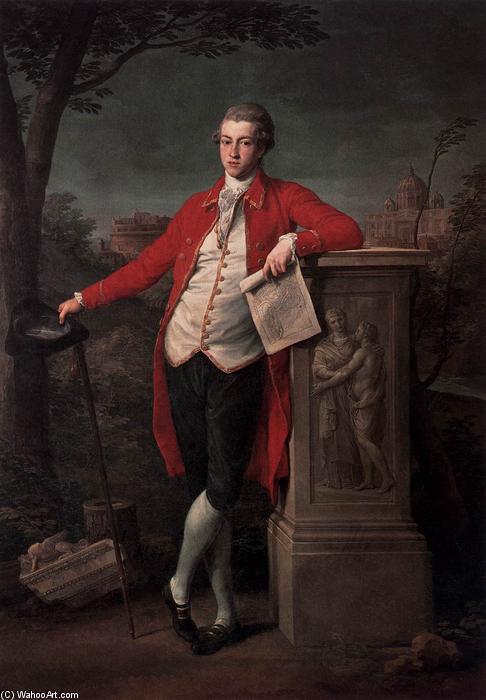
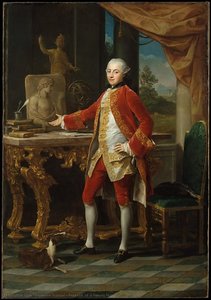
A Knight in Rome: Charles Cecil Roberts
 Oil On Canvas
- WallArt
- Rococo Classicism
 1778
1778 221.0 x 157.0 cm
 プラド美術館
 詳細を見る
詳細を見る




P118B $10

P118H $10

P118W $10

P438Z $10

P508JH $12

P508YH $12

P805H $10

P805Z $10

P919BZ $10

P919G $10

P919XJ $10

P959ZH $10

P968JZ $12

W106C $8

W218G $10

W218JH $8

W218Y $10

W307PJ $10

W316G $10

W316PJ $8

W316Y $10

W398PJ $8

W4111J $10

W500HY $15

W500JH $15

W692G $12

W849H $8

W940BG $15

W953PJ $8




作品のオリジナル比率に合わせた、当店の規定サイズからお選びください。

特定のフレームやスペースに合わせて、ご希望のサイズをご入力いただけます。選択されたサイズが元の画像の比率と異なる場合、アートワークをトリミングするか、手描きで要素を追加して絵画を拡張いたします。デジタルモックアップ を制作し、制作開始前にご確認(承認)をいただきます。
画面上のプレビューは、実際のトリミングや拡張を正確に反映しているものではありません。最終的な構図は、モックアップによってのみ正確にご確認いただけます。
カスタムサイズもご利用いただけますが、元の比率を維持するためには、あらかじめ用意されたリストからサイズを選択することをお勧めいたします。
ご注文後、ArtsDot.com チームより詳細な指示をお送りするとともに、仕上がりイメージ(モックアップ)をご提供いたします。


 ガラスオプションは、110cm未満のサイズでのみご利用いただけます。

A Knight in Rome: Charles Cecil Roberts
複製技法
複製画のサイズ
-


合計金額
$ 263
作品解説
A Knight in Rome: Charles Cecil Roberts – A Masterpiece of Rococo Elegance
Pompeo Batoni’s “A Knight in Rome: Charles Cecil Roberts” stands as a quintessential embodiment of the Rococo artistic movement, capturing not merely a portrait but an entire atmosphere of refined grandeur and intellectual contemplation. Painted in 1778, this monumental canvas—measuring 221 x 157 cm—currently resides within the hallowed halls of the Museo del Prado in Madrid, Spain, ensuring its legacy continues to inspire awe and admiration.
- Subject Matter: The painting depicts Charles Cecil Roberts, a British traveler renowned for his explorations of Italy during the Grand Tour era. Batoni skillfully portrays him against a backdrop of Roman ruins—a deliberate allusion to classical antiquity and humanist ideals prevalent at the time—emphasizing his noble bearing and intellectual curiosity.
- Artistic Style & Technique: Batoni’s signature Rococo style is characterized by its delicate color palette, soft brushstrokes, and masterful use of chiaroscuro (light and shadow). The artist prioritizes creating an illusion of depth and luminosity, mirroring the opulent interiors favored by aristocratic patrons.
- Color Palette: Subtle hues dominate the composition—muted browns and greens forming the Roman landscape contrasted against the vibrant crimson of Roberts’ coat. This strategic color choice underscores the importance of visual harmony and contributes to the painting's overall sense of serenity.
- Composition & Symbolism: The knight’s posture—leaning confidently against a stone pillar adorned with classical sculptures—communicates strength and stability while simultaneously referencing the artistic traditions of antiquity. The book held in his left hand symbolizes knowledge, erudition, and Roberts’ engagement with intellectual pursuits.
Exploring Pompeo Batoni's Rococo Vision
Pompeo Batoni (1708-1787) emerged as a pivotal figure bridging the Baroque and Neoclassical periods. Influenced by artists like Nicolas Poussin and Claude Lorrain, he championed a style that prioritized elegance, grace, and idealized beauty—a deliberate departure from the dramatic grandeur of his predecessors.
His artistic training encompassed mentorships with esteemed masters such as Agostino Masucci, Sebastiano Conca, and Francesco Imperiali, shaping his meticulous approach to painting. Batoni’s early commissions solidified his reputation for capturing psychological nuance alongside technical virtuosity—a hallmark evident in works like “The Ecstasy of Saint Catherine of Siena,” which exemplifies the refined academic style of his time.
Notable Achievements & Recognition
Batoni's oeuvre spans diverse genres, including portraits, mythological scenes, and historical narratives. Among his most celebrated achievements are monumental canvases depicting royalty and nobility—demonstrating his ability to convey both formal dignity and inner emotion. His paintings grace museums across Europe, cementing his place as one of the foremost artists of his era.
The Museo del Prado & Its Collection
Located in Madrid, Spain, the Museo del Prado houses an unparalleled collection of European art spanning centuries—from medieval masterpieces to Romantic canvases. Batoni’s “A Knight in Rome” stands as a testament to the museum's commitment to preserving artistic heritage and presenting it to audiences worldwide.
To experience the breathtaking beauty of Pompeo Batoni’s “A Knight in Rome: Charles Cecil Roberts” firsthand, explore ArtsDot’s exquisite reproductions—crafted by skilled artisans using traditional techniques. Discover more about this iconic artwork and its artist on Wikipedia.
関連作品
アーティストの略歴
生い立ちと修行時代
- 誕生: イタリア、ルッカ (1708年)
- 没年: 1787年
- ポンペオ・バトーニは1727年にローマへと移り住みました。
- 彼はアゴスティーノ・マズッチ、セバスティアン・コンカ、あるいはフランチェスコ・インペリアーリといった巨匠たちの下で研鑽を積みました。
- 彼の最初の独立した依頼は、1732年4月にローマを襲った大雨という予期せぬ出来事から舞い込んだものでした。
- 代表作の一つである『聖カタリナの脱魂』には、後期バロック様式の学術的な洗練が見事に表現されています。
芸術的スタイルと影響
- バトーニの画風は、古典古代の精神、フランス・ロココ、ボローニャ古典主義、そしてニコラ・プッサンやクロード・ロラン、とりわけラファエロといった偉大な芸術家たちから多大なインスピレーションを受けていました。
- 彼は新古典主義の先駆者の一人と見なされています。
- 彼の作品は、イタリア・ミランのブレラ絵画館をはじめ、世界各地の美術館に大切に収蔵されています。
代表作と主な依頼作品
- 聖母子と聖人たち
- ローマの騎士:チャールズ・セシル・ロバーツ – ローマの遺跡を背景に描かれた、イギリス人旅行者の名高い肖像画です。
- ヴェネツィアの勝利
- シエナの大聖堂美術館をはじめとする、イタリア各地の教会のための数多くの祭壇画。
- 彼は肖像画において極めて高い需要を誇りました。特に「グランドツアー」の途上にあったイギリス人旅行者たちは、古代の遺構を背景とした立ち姿の肖像画を彼に依頼したのです。
発展と歴史的重要路
- 1761年にライバルであったアントン・ラファエル・メンクスがスペインへ去った後、バトーニはローマで最も流行を牽引する画家となりました。
- 彼はヴィンケルマンと親交を結び、自身の絵画において古典主義を抑制し、調和させることを目指しました。
- 彼の肖像画はグランドツアー時代の精神を見事に捉えており、当時のヨーロッパのエリート層が抱いていた古典古代への憧憬を反映しています。
- バロックの技法と、台頭しつつあった新古典主義の理想を融合させたバトーニの能力は、イタリア美術史における過渡期を象徴する重要な役割を果たしました。
遺産
- ポンペオ・バトーニは1787年2月4日、ローマにてその生涯を閉じました。
- 彼は、その時代を代表する最も名高いイタリア人画家の一人として、輝かしい足跡を残しました。
- その卓越した技術、優美な構図、そして歴史的文脈の中に人物の真実を描き出す洞察力に満ちた描写は、今なお多くの人々を魅了し続けています。
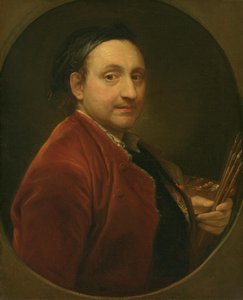
ポンペオ・バトーニ
1708 - 1787 , イタリア
基本情報
- Artistic Movement Or Style: 新古典主義
- Artists Who Influenced This Artist:
- ニコラ・プッサン
- クロード・ロラン
- ラファエロ
- Date Of Birth: 1708年
- Date Of Death: 1787年
- Full Name: ポンペオ・バトーニ
- Nationality: イタリア人
- Notable Artworks:
- 聖母子と聖人たち
- ローマの騎士
- ヴェネツィアの勝利
- Place Of Birth (City And Country): イタリア、ルッカ
関連記事

Giclée Prints: Archival Quality & Aesthetic Nuances for the Discerning Collector
Explore the world of giclée prints with ArtsDot. Learn about archival quality, aesthetic nuances & investment potential. Expert guidance for discerning art collectors seeking museum-quality reproductions and lasting value.

華麗なるロココ:芸術史を彩る10大傑作の世界
華麗なるロココ美術の世界へ。バロックから生まれた優雅な芸術、その10大傑作を徹底解説!ブーシェ、フロマンなど巨匠たちの技と物語を紐解き、お部屋を彩るアートを見つけよう。ArtsDot.comで至高の美術館品質レプリカとインテリアアイデアを発見。

The Rococo Aesthetic: Opulence, Rebellion & the Pursuit of Pleasure in 18th-Century Art
Explore the opulent world of Rococo art! Discover its origins, key artists like Watteau & Boucher, and lasting influence on design. Expert insights for collectors & enthusiasts.

The Enduring Legacy of Fine Art Prints: Technique, History & Aesthetic Impact
Explore the rich history & techniques of fine art prints. Discover investment potential, assess authenticity, and learn how to preserve your collection with expert guidance. Trusted insights for discerning collectors.
Maurice Quentin de La Tour: Light, Shadow & the Rococo Portrait
Explore the captivating world of Maurice Quentin de La Tour, a master of Rococo portraiture. Discover his innovative pastel techniques, intimate depictions of French aristocracy, and lasting artistic legacy. Learn more at ArtsDot.

