

 プレビュー
プレビュー
 プリントを購入
 シェアする
シェアする シェアする
シェアする
 詳細を見る
詳細を見る

 ダウンロード
 似ている作品
 X線調査
X線調査 スライドショー
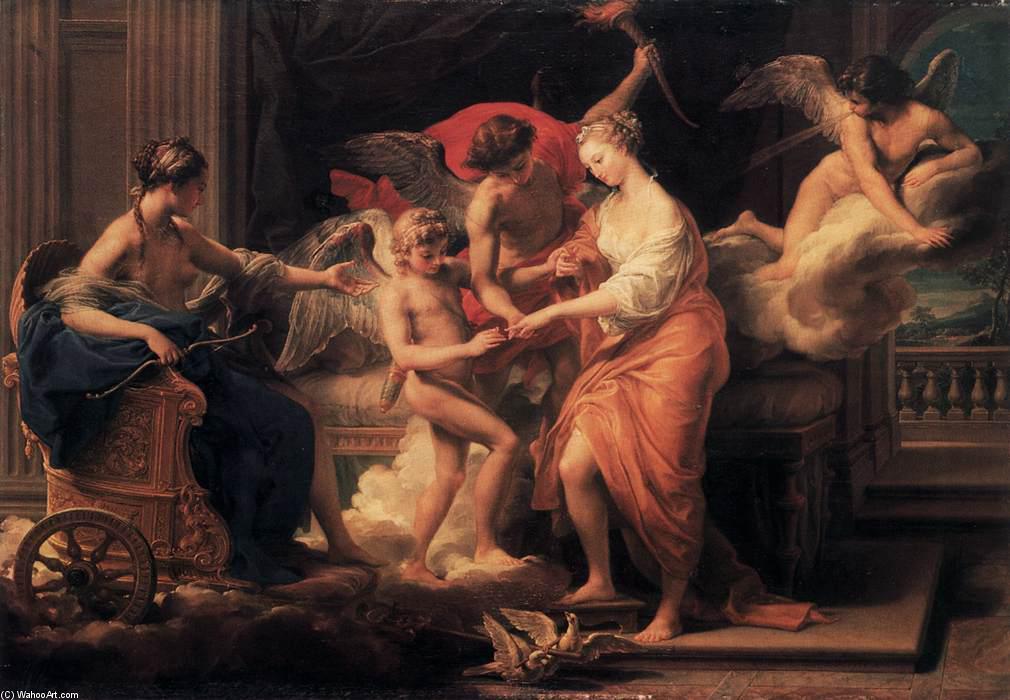
The Marriage of Cupid and Psyche
 Oil On Canvas
- WallArt
- Baroque Classicism
 1756
1756 183.0 x 118.0 cm
 国立博物館群
 詳細を見る
詳細を見る




P118B $10

P118H $10

P118W $10

P438Z $10

P508JH $12

P508YH $12

P805H $10

P805Z $10

P919BZ $10

P919G $10

P919XJ $10

P959ZH $10

P968JZ $12

W106C $8

W218G $10

W218JH $8

W218Y $10

W307PJ $10

W316G $10

W316PJ $8

W316Y $10

W398PJ $8

W4111J $10

W500HY $15

W500JH $15

W692G $12

W849H $8

W940BG $15

W953PJ $8




作品のオリジナル比率に合わせた、当店の規定サイズからお選びください。

特定のフレームやスペースに合わせて、ご希望のサイズをご入力いただけます。選択されたサイズが元の画像の比率と異なる場合、アートワークをトリミングするか、手描きで要素を追加して絵画を拡張いたします。デジタルモックアップ を制作し、制作開始前にご確認(承認)をいただきます。
画面上のプレビューは、実際のトリミングや拡張を正確に反映しているものではありません。最終的な構図は、モックアップによってのみ正確にご確認いただけます。
カスタムサイズもご利用いただけますが、元の比率を維持するためには、あらかじめ用意されたリストからサイズを選択することをお勧めいたします。
ご注文後、ArtsDot.com チームより詳細な指示をお送りするとともに、仕上がりイメージ(モックアップ)をご提供いたします。


 ガラスオプションは、110cm未満のサイズでのみご利用いただけます。

The Marriage of Cupid and Psyche
複製技法
複製画のサイズ
-


合計金額
$ 263
作品解説
Pompeo Batoni’s Enchanting Tale of Love and Resilience: The Marriage of Cupid and Psyche
The Marriage of Cupid and Psyche by Pompeo Batoni stands as a testament to the Baroque painter's masterful blend of classical ideals and emotional depth, capturing a pivotal moment in Greek mythology with breathtaking precision. Completed in 1756, this monumental canvas resides within the Gemäldegalerie Berlin, offering visitors an unparalleled glimpse into the artistic sensibilities of Enlightenment Rome. Batoni’s reputation rested on his ability to portray aristocratic subjects with dignity and grace—a skill he brilliantly demonstrated here, securing commissions from wealthy patrons eager for opulent depictions of mythological narratives.A Symphony of Color and Composition
Batoni's technique is characterized by a luminous palette achieved through meticulous layering of glazes – a hallmark of Bolognese Classicism that Batoni adopted as his own. The painting’s dominant hues—warm reds, golds, and creams—create an atmosphere of radiant warmth and celebratory grandeur. Observe how Batoni skillfully employs pyramidal composition, anchoring the central figures of Cupid and Psyche amidst a richly ornamented Roman interior. This architectural framing directs the viewer's gaze upwards, emphasizing the divine intervention that orchestrates their union. The artist’s meticulous attention to detail extends beyond mere representation; he imbues every element—from the drapery folds to the delicate floral garlands—with palpable texture and vibrancy.Mythological Narrative Illuminated
The artwork recounts the legendary romance between Cupid, god of love, and Psyche, a mortal princess renowned for her beauty and virtue. Driven by jealousy fueled by Venus, Aphrodite, Psyche’s mother, Zeus intervenes to protect his daughter's happiness, orchestrating a series of trials designed to test Psyche’s devotion. Batoni portrays Cupid and Psyche exchanging rings—a symbolic gesture signifying their unbreakable bond—under the watchful gaze of angelic figures representing divine benevolence. The inclusion of Zephyr and Flora – gods of wind and flowers respectively – underscores the fecundity and promise inherent in marriage, mirroring the blossoming relationship between the lovers.Classical Influences and Artistic Legacy
Batoni’s artistic vision drew heavily from the stylistic precepts established by Renaissance masters like Raphael and Nicolas Poussin. He skillfully emulated Raphael's harmonious proportions and idealized figures, reflecting the humanist ideals prevalent during his time. Furthermore, Batoni’s penchant for dramatic lighting—a technique championed by Claude Lorrain—creates a theatrical effect that amplifies the emotional resonance of the scene. This masterful execution solidified Batoni’s position as a precursor to Neoclassicism, influencing subsequent generations of artists who sought to recapture the grandeur and clarity of antiquity.A Timeless Reflection on Love's Triumph
“The Marriage of Cupid and Psyche” transcends mere visual representation; it embodies an enduring exploration of themes such as love, perseverance, and divine grace. Batoni’s ability to convey profound emotion through subtle gestures and expressive facial expressions elevates the painting beyond a simple retelling of myth—it becomes a meditation on the transformative power of devotion and the ultimate victory of goodness over adversity. Its continued presence in prestigious museums like the Gemäldegalerie Berlin ensures that Batoni's masterpiece continues to inspire awe and admiration for centuries to come.関連作品
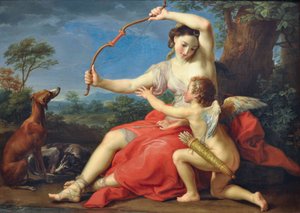

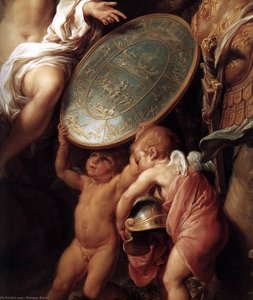
アーティストの略歴
生い立ちと修行時代
- 誕生: イタリア、ルッカ (1708年)
- 没年: 1787年
- ポンペオ・バトーニは1727年にローマへと移り住みました。
- 彼はアゴスティーノ・マズッチ、セバスティアン・コンカ、あるいはフランチェスコ・インペリアーリといった巨匠たちの下で研鑽を積みました。
- 彼の最初の独立した依頼は、1732年4月にローマを襲った大雨という予期せぬ出来事から舞い込んだものでした。
- 代表作の一つである『聖カタリナの脱魂』には、後期バロック様式の学術的な洗練が見事に表現されています。
芸術的スタイルと影響
- バトーニの画風は、古典古代の精神、フランス・ロココ、ボローニャ古典主義、そしてニコラ・プッサンやクロード・ロラン、とりわけラファエロといった偉大な芸術家たちから多大なインスピレーションを受けていました。
- 彼は新古典主義の先駆者の一人と見なされています。
- 彼の作品は、イタリア・ミランのブレラ絵画館をはじめ、世界各地の美術館に大切に収蔵されています。
代表作と主な依頼作品
- 聖母子と聖人たち
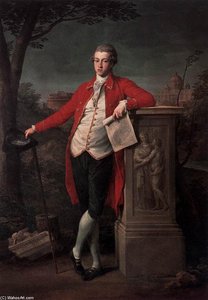
- ローマの騎士:チャールズ・セシル・ロバーツ – ローマの遺跡を背景に描かれた、イギリス人旅行者の名高い肖像画です。
- ヴェネツィアの勝利
- シエナの大聖堂美術館をはじめとする、イタリア各地の教会のための数多くの祭壇画。
- 彼は肖像画において極めて高い需要を誇りました。特に「グランドツアー」の途上にあったイギリス人旅行者たちは、古代の遺構を背景とした立ち姿の肖像画を彼に依頼したのです。
発展と歴史的重要路
- 1761年にライバルであったアントン・ラファエル・メンクスがスペインへ去った後、バトーニはローマで最も流行を牽引する画家となりました。
- 彼はヴィンケルマンと親交を結び、自身の絵画において古典主義を抑制し、調和させることを目指しました。
- 彼の肖像画はグランドツアー時代の精神を見事に捉えており、当時のヨーロッパのエリート層が抱いていた古典古代への憧憬を反映しています。
- バロックの技法と、台頭しつつあった新古典主義の理想を融合させたバトーニの能力は、イタリア美術史における過渡期を象徴する重要な役割を果たしました。
遺産
- ポンペオ・バトーニは1787年2月4日、ローマにてその生涯を閉じました。
- 彼は、その時代を代表する最も名高いイタリア人画家の一人として、輝かしい足跡を残しました。
- その卓越した技術、優美な構図、そして歴史的文脈の中に人物の真実を描き出す洞察力に満ちた描写は、今なお多くの人々を魅了し続けています。
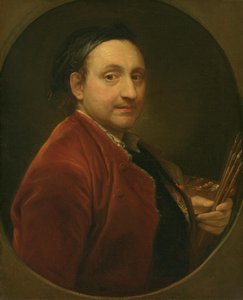
ポンペオ・バトーニ
1708 - 1787 , イタリア
基本情報
- Artistic Movement Or Style: 新古典主義
- Artists Who Influenced This Artist:
- ニコラ・プッサン
- クロード・ロラン
- ラファエロ
- Date Of Birth: 1708年
- Date Of Death: 1787年
- Full Name: ポンペオ・バトーニ
- Nationality: イタリア人
- Notable Artworks:
- 聖母子と聖人たち
- ローマの騎士
- ヴェネツィアの勝利
- Place Of Birth (City And Country): イタリア、ルッカ
関連記事
Romantic Realism's Finest: 10 Masterpieces for Your Home | ArtsDot
Explore 10 defining masterpieces of Romantic Realism! Discover Courbet, Millet & Daumier's powerful paintings—capturing emotion and social realities. Find museum-quality reproductions for your home at ArtsDot.com.
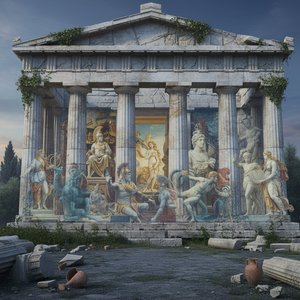
Echoes of Olympus: Mythological Narratives in Western Art Through the Ages
Explore the captivating history of mythological narratives in Western art! From ancient Greece to modern masterpieces, discover iconic artworks & symbolism. Expert analysis and high-quality reproductions at ArtsDot.

ロマン派ランドスケープ:時代を彩る巨匠の10選|アートとインテリアの世界
ロマン派絵画の時代を彩る10選。巨匠たちの風景が織りなす感動の世界へ。ターナー、ルーベンスなど、名作の裏話と高精細複製でアートをお部屋に。ArtsDot.comで至福のアート体験を。
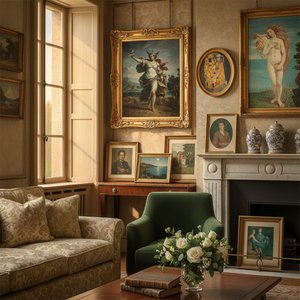
Romantic Masterpieces: 10 Artworks for a Timeless Home Decor Aesthetic
Fall in love with art! Explore 10 iconic romantic paintings – from Monet & Bouguereau to Fragonard. Discover the stories behind these masterpieces and find museum-quality reproductions for your home decor at .

Romantic Masterpieces: 10 Artworks to Stir Your Soul |
Fall in love with art! Explore 10 iconic romantic paintings – from Renaissance classics to Impressionist masterpieces. Discover the stories behind artists like Monet & Klimt, and find museum-quality reproductions for your home at .

