

 プレビュー
プレビュー
 プリントを購入
 シェアする
シェアする シェアする
シェアする
 詳細を見る
詳細を見る

 ダウンロード
 似ている作品
 X線調査
X線調査 スライドショー
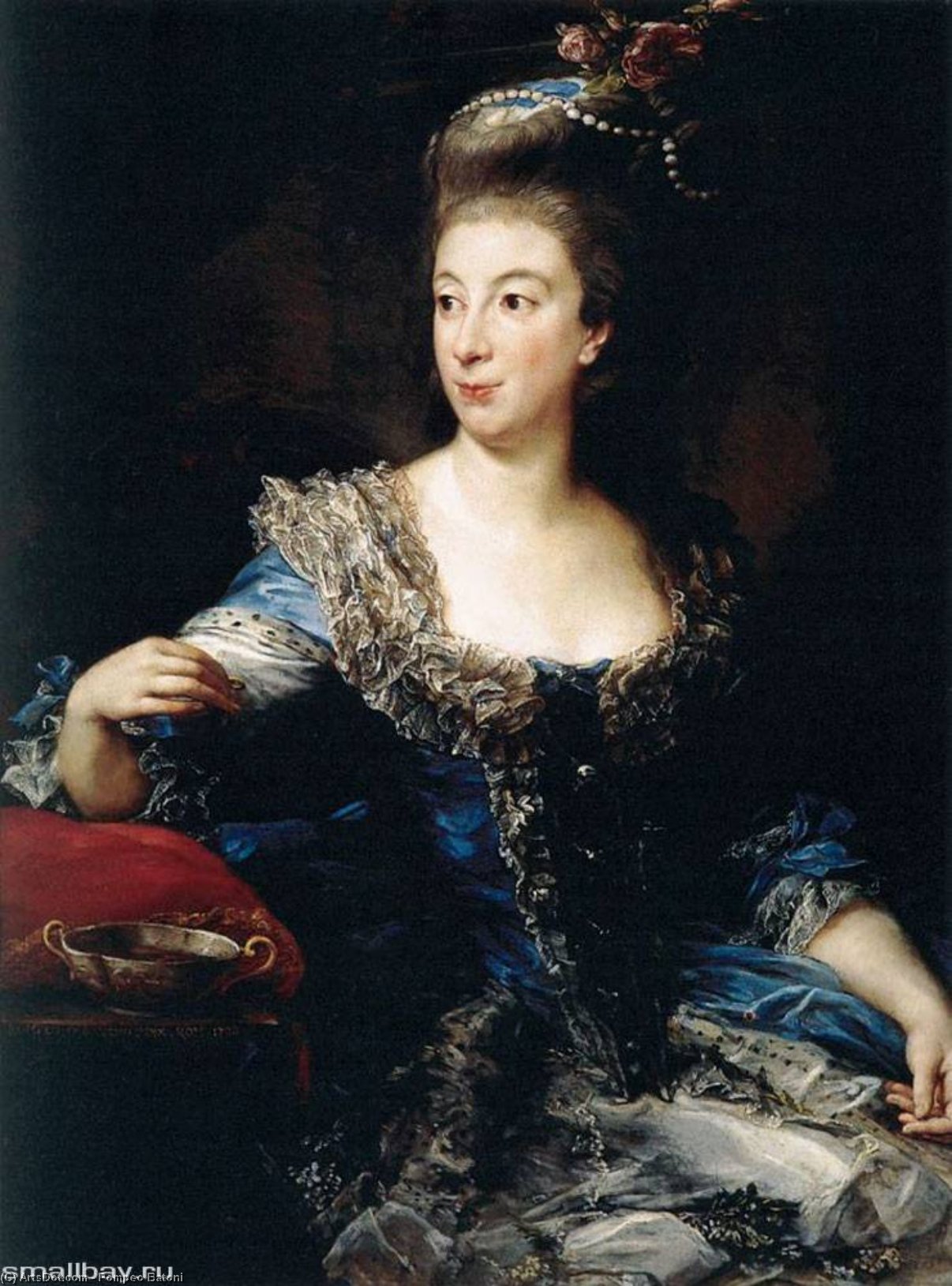
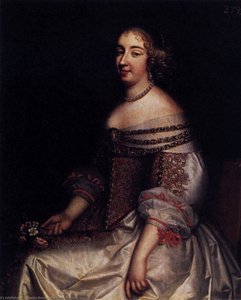
The Countess of San Martino
 Oil On Canvas
- WallArt
- Baroque Rococo
 1785
1785 99.0 x 74.0 cm
 テイスセン・ボルネミスザ美術館
 詳細を見る
詳細を見る
オンラインプレビューをはるかに凌ぐ、高解像度で鮮明なデジタル画像をご購入いただけます。
各ファイルは、社内の専門家が高度なツールと熟練した手作業によるレタッチを用いて、細心の注意を払って準備されています。すべての画像において、卓越した鮮明度、正確な色彩再現性、そして繊細なディテールを保証いたします。
最終ファイルは、プロフェッショナルな編集・印刷環境ですぐにご利用いただけるよう最適化された状態で、72時間以内にメールにてお届けいたします。これは、一流のデザインスタジオ、出版社、ギャラリーから信頼されているものと同等の品質です。
デジタル画像のご注文に付随する特典
高品質なデジタル画像配信を、確かな品質で。
ArtsDot.com を選ぶことは、単に画像を手に入れることではありません。それは、プロの手によって精密に仕上げられ、満足保証が付いた高品質なデジタルアートワークを受け取ることを意味します。ご注文いただいた際に自動的に付随する内容は、以下の通りです:

メールですぐにお届け
ご注文から72時間以内に、高解像度のデジタル画像ファイルがメールでお手元に届きます。すぐにそのままご利用いただけます。

AI技術で最適化されたデジタルファイル
お客様の作品は、高度なAIツールと専門家による手作業の編集を組み合わせてプロフェッショナルに最適化されており、細部のディテール、鮮明さ、そして正確な色再現性を最大限に引き出しています。

一生涯無料の再送サービス
ファイルを誤って削除したり、紛失してしまったりしましたか?ご安心ください。いつでも無料で再送いたします。

輸入手数料は一切かかりません
関税や手数料、配送料を気にすることなく、お気に入りのアートワークをすぐにお楽しみいただけます。デジタルダウンロードは常に免税です。

色彩再現の保証
プロ仕様のツールとカラーマネジメント技術を用いることで、デジタル画像が元の色を最大限に忠実に再現することを保証いたします。

60日間満足保証
ご購入いただいたデジタル画像にご満足いただけない場合は、60日以内であれば、修正または100%の返金(理由を問う必要はありません)をさせていただきます。

100% 返金保証
ご満足いただけない場合は、デジタルファイルを受け取ってから60日以内であれば、理由を問わず全額返金いたします。

まとめ買い割引
3枚購入で10%OFF - 5枚購入で15%OFF - 10枚以上購入で20%OFF。クリエイティブなプロジェクト、ギャラリー、エージェンシーに最適です。
作品の詳細
The Countess of San Martino: A Portrait of Grace and Grand Tour Elegance
Pompeo Batoni’s “The Countess of San Martino,” painted in 1785, is more than just a portrait; it's a meticulously crafted tableau vivant—a frozen moment capturing the essence of aristocratic life during Italy’s Golden Age. This exquisite work, housed within the Thyssen-Bornemisza Museum in Madrid, offers a glimpse into the refined tastes and opulent sensibilities of European high society through its subject’s poised demeanor, luxurious attire, and the carefully orchestrated backdrop.
Batoni, a pivotal figure bridging the Baroque and Neoclassical eras, possessed an extraordinary ability to imbue his subjects with both dignity and warmth. He was particularly renowned for his “Grand Tour” portraits—commissioned by wealthy British travelers who embarked on extended journeys through Europe, eager to acquire art, experience new cultures, and showcase their worldly possessions. The Countess of San Martino exemplifies this genre perfectly, embodying the allure and sophistication associated with these aristocratic expeditions. Her gaze is direct yet subtly melancholic, hinting at a quiet intelligence beneath her composed exterior.
A Symphony of Color and Light
Batoni’s technical mastery is immediately apparent in the painting's luminous quality. He skillfully employs chiaroscuro—the dramatic contrast between light and shadow—to sculpt the Countess’s form, creating a sense of depth and volume. The soft, diffused light emanating from an unseen source washes over her face and gown, highlighting the intricate details of the fabric: the delicate lace at her cuffs, the rich velvet of her bodice, and the subtle shimmer of her jewelry. The artist's use of color is equally deliberate; a palette dominated by warm reds, blues, and golds evokes a sense of wealth, nobility, and timeless elegance.
Notice particularly how Batoni renders the textures – the heavy folds of the drapery, the sheen of the silk, and the delicate embroidery. These details aren’t merely decorative; they contribute to the overall impression of luxury and refinement. The background landscape, rendered in a hazy, atmospheric style, is not simply a backdrop but an integral part of the composition, suggesting a distant Italian vista—a nod to the Countess's travels and the allure of the Grand Tour itself.
Symbolism and Context
Beyond its aesthetic beauty, “The Countess of San Martino” is rich in symbolic meaning. The pose itself – seated with one hand resting gracefully on a cushion – conveys an air of composure and authority. The inclusion of classical motifs—the architectural elements subtly integrated into the background—references the artistic ideals of antiquity, aligning the portrait with the Neoclassical movement that was gaining momentum during Batoni’s time. The Countess's attire, indicative of her social standing, speaks volumes about the values and expectations of aristocratic women in 18th-century Europe.
The painting’s provenance—having been commissioned by a British gentleman—further underscores its significance within the context of European cultural exchange. It represents a tangible link between Italy's artistic heritage and the burgeoning fascination with classical art and culture that swept through Britain during the Enlightenment. It is a testament to Batoni's ability to capture not just a likeness, but also the spirit of an era.
A Timeless Masterpiece
“The Countess of San Martino” remains a captivating work of art, offering viewers a glimpse into a bygone world of elegance, sophistication, and artistic patronage. Its enduring appeal lies in Batoni’s masterful technique, his ability to evoke emotion through subtle gestures and evocative lighting, and the painting's rich historical context. Whether admired for its technical brilliance or appreciated for its portrayal of aristocratic life, this portrait continues to resonate with audiences today—a timeless reminder of the power of art to transcend time and connect us to the past.
関連作品





作家の略歴
生い立ちと修行時代
- 誕生: イタリア、ルッカ (1708年)
- 没年: 1787年
- ポンペオ・バトーニは1727年にローマへと移り住みました。
- 彼はアゴスティーノ・マズッチ、セバスティアン・コンカ、あるいはフランチェスコ・インペリアーリといった巨匠たちの下で研鑽を積みました。
- 彼の最初の独立した依頼は、1732年4月にローマを襲った大雨という予期せぬ出来事から舞い込んだものでした。
- 代表作の一つである『聖カタリナの脱魂』には、後期バロック様式の学術的な洗練が見事に表現されています。
芸術的スタイルと影響
- バトーニの画風は、古典古代の精神、フランス・ロココ、ボローニャ古典主義、そしてニコラ・プッサンやクロード・ロラン、とりわけラファエロといった偉大な芸術家たちから多大なインスピレーションを受けていました。
- 彼は新古典主義の先駆者の一人と見なされています。
- 彼の作品は、イタリア・ミランのブレラ絵画館をはじめ、世界各地の美術館に大切に収蔵されています。
代表作と主な依頼作品
- 聖母子と聖人たち
- ローマの騎士:チャールズ・セシル・ロバーツ – ローマの遺跡を背景に描かれた、イギリス人旅行者の名高い肖像画です。
- ヴェネツィアの勝利
- シエナの大聖堂美術館をはじめとする、イタリア各地の教会のための数多くの祭壇画。
- 彼は肖像画において極めて高い需要を誇りました。特に「グランドツアー」の途上にあったイギリス人旅行者たちは、古代の遺構を背景とした立ち姿の肖像画を彼に依頼したのです。
発展と歴史的重要路
- 1761年にライバルであったアントン・ラファエル・メンクスがスペインへ去った後、バトーニはローマで最も流行を牽引する画家となりました。
- 彼はヴィンケルマンと親交を結び、自身の絵画において古典主義を抑制し、調和させることを目指しました。
- 彼の肖像画はグランドツアー時代の精神を見事に捉えており、当時のヨーロッパのエリート層が抱いていた古典古代への憧憬を反映しています。
- バロックの技法と、台頭しつつあった新古典主義の理想を融合させたバトーニの能力は、イタリア美術史における過渡期を象徴する重要な役割を果たしました。
遺産
- ポンペオ・バトーニは1787年2月4日、ローマにてその生涯を閉じました。
- 彼は、その時代を代表する最も名高いイタリア人画家の一人として、輝かしい足跡を残しました。
- その卓越した技術、優美な構図、そして歴史的文脈の中に人物の真実を描き出す洞察力に満ちた描写は、今なお多くの人々を魅了し続けています。
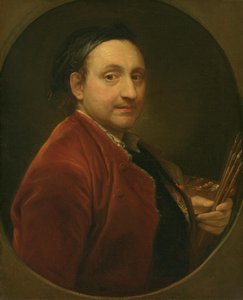
ポンペオ・バトーニ
1708 - 1787 , イタリア
プロフィール概要
- Artistic Movement Or Style: 新古典主義
- Artists Who Influenced This Artist:
- ニコラ・プッサン
- クロード・ロラン
- ラファエロ
- Date Of Birth: 1708年
- Date Of Death: 1787年
- Full Name: ポンペオ・バトーニ
- Nationality: イタリア人
- Notable Artworks:
- 聖母子と聖人たち
- ローマの騎士
- ヴェネツィアの勝利
- Place Of Birth (City And Country): イタリア、ルッカ

