

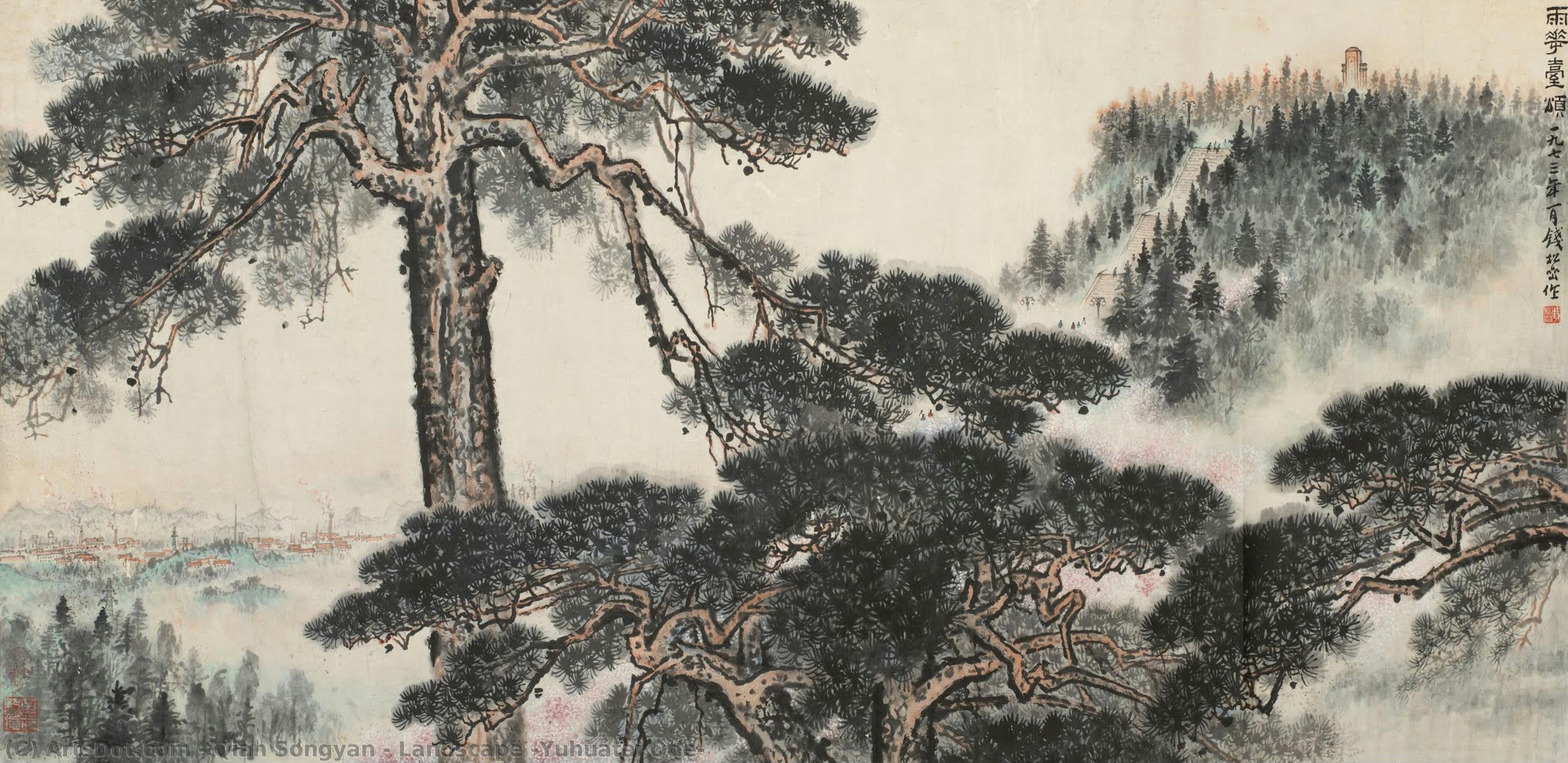
 プレビュー
プレビュー
 シェアする
シェアする シェアする
シェアする
 詳細を見る
詳細を見る

 ダウンロード
 似ている作品
 X線調査
X線調査 スライドショー
 Stats
StatsLandscape (Yuhuatai Ode)


 詳細を見る
詳細を見る
ジークレー/アートプリント
迅速な制作と多彩な仕上げオプションを備えた、ミュージアムクオリティのジークレーまたはキャンバスプリント。 ( 手描きの絵画を購入 Switch to Digital Image)




































作品のオリジナル比率に合わせた、当店の規定サイズからお選びください。

特定のフレームやスペースに合わせて、ご自身でサイズを指定することも可能です。選択されたサイズが元の画像の比率と一致しない場合、作品をトリミングするか、鏡面反射または単色での塗りつぶしによって画像を拡張いたします。制作を開始する前に、ご確認用のデジタルモックアップをお送りいたします。
画面上のプレビューには、実際のトリミングや拡張は反映されませんのでご注意ください。最終的な構図を正確に確認できるのは、モックアップのみとなります。
カスタムサイズも承っておりますが、元の比率を維持するためには、あらかじめ用意されたリストからサイズを選択することをお勧めいたします。


 ガラスオプションは、110cm未満のサイズでのみご利用いただけます。

Landscape (Yuhuatai Ode)
ジークレー/アートプリント
複製画のサイズ
-


合計金額
$ 62
関連作品

アーティストの略歴
A Life Rooted in Tradition: The Journey of Qian Songyan
Qian Songyan, born in 1899 in the small farming village of Hushu near Yixing, Jiangsu Province, was an artist whose life became deeply interwoven with the evolving narrative of modern Chinese art. His lineage itself spoke volumes—a family steeped in scholarship and artistic pursuit, with generations preceding him recognized as teachers and custodians of cultural knowledge. From a tender age, eight years old to be precise, Qian’s education began under his father, Qian Shaoqi, laying the foundation for a lifelong dedication to poetry, calligraphy, and painting. This early immersion wasn't merely instruction; it was an absorption of values, a reverence for tradition that would shape his artistic vision. He spent countless hours wandering through local painting mounting stores and antique shops, not just observing but *studying* the works of masters, absorbing their techniques and aesthetic principles.Forging a New Path: The ‘New Nanjing’ Style
The tumultuous years following the 1911 Xinhai Revolution marked a turning point in Qian Songyan's life. His father’s appointment as principal of Yangxiang’s First Elementary School provided him with formal education, though he soon found it insufficient to contain his burgeoning artistic ambitions. At fifteen, he embarked on a self-directed five-year study program—a unique blend of practical labor in the fields and rigorous exploration of traditional painting theory. This period culminated in a landscape painting capturing the hazy mountains of his hometown, signaling the emergence of a distinctive voice. In 1923, Qian graduated from the Jiangsu Provincial No. Three Normal College, solidifying his credentials as an artist. However, it was after 1949 that he truly began to flourish, taking on teaching positions at art academies in Suzhou and Wuxi, nurturing the next generation of Chinese painters. It was during this time that he became a leading figure in what would be known as the “New Nanjing (Jinling) Art Style”—a movement characterized by its harmonious blend of classical techniques with contemporary sensibilities.Influences and Artistic Development
Qian Songyan’s artistic development wasn't born in isolation; it was a dialogue with the past, a careful assimilation of influences from revered masters. He deeply admired Shi Tao, Shi Xi, and Shen Zhou, drawing inspiration from their approaches to landscape painting, particularly their ability to capture the essence of Jiangnan—the picturesque region south of the Yangtze River. His work reflects this influence, showcasing serene mountains and rivers rendered with meticulous detail and a profound sense of atmosphere. Beyond technical skill, Qian possessed an exceptional talent for language arts, which informed his poetic inscriptions on his paintings, adding layers of meaning and emotional resonance. He wasn’t simply depicting landscapes; he was evoking emotions, telling stories, and celebrating the beauty of nature through both visual and textual expression.Leadership and Legacy
Qian Songyan's contributions extended far beyond his own artistic creations. From 1957 onward, he held numerous leadership positions—President of Jiangsu Academy of Painting, President of Jiangsu Artists Association, and executive member and advisor of China Artists Association. He was also elected as a representative to the National People’s Congress for many years, demonstrating his commitment to public service and cultural advocacy. His dedication to fostering artistic talent and promoting traditional Chinese art earned him widespread recognition and respect within the art community. Despite facing significant challenges during the Cultural Revolution—a period marked by political upheaval and suppression of artistic expression—Qian persevered, resuming his painting practice in 1972 and continuing to create works that celebrated the beauty of his homeland. His paintings, often depicting scenes of rural life and landscapes, served as a testament to his resilience and unwavering commitment to his art. Qian Songyan passed away in Nanjing in 1985, leaving behind a rich artistic legacy—a body of work that continues to inspire and captivate audiences today. He is remembered not only for his technical mastery but also for his role in shaping the landscape of modern Chinese painting and preserving its cultural heritage.Major Achievements & Historical Significance
- Pioneering the ‘New Nanjing’ Style: Qian Songyan was instrumental in establishing a distinct artistic identity that blended traditional techniques with contemporary themes, influencing generations of Chinese painters.
- Leadership Roles: His positions within prominent art organizations allowed him to champion traditional art forms and nurture emerging talent.
- Resilience During the Cultural Revolution: Despite facing persecution, he continued to create art that reflected his unwavering commitment to Chinese culture.
- Representation in National Politics: His election as a representative to the National People’s Congress underscored his importance as a cultural figure and advocate for artistic expression.
- Enduring Artistic Legacy: Qian Songyan's paintings continue to be celebrated for their technical skill, emotional depth, and celebration of Chinese landscapes and rural life. His work serves as a bridge between the past and present, reminding us of the enduring power of tradition and the importance of artistic expression.

qian songyan
1899 - 1985 , China
基本情報
- Artistic Movement Or Style: New Nanjing Art Style
- Artists Who Influenced This Artist:
- Hu Tinglu
- Wu Guandai
- Shi Tao
- Shen Zhou
- Date Of Birth: September 11, 1899
- Date Of Death: September 4, 1985
- Full Name: Qian Songyan
- Nationality: Chinese
- Notable Artworks:
- Landscape (Yuhuatai Ode)
- Autumn landscape
- Lotus Seeds and Three Rats
- Place Of Birth: Yixing, China
関連記事

ジョン・コンスタブルの傑作25選:英国風景画の巨匠が描く自然と光の詩 | ArtsDot
ジョン・コンスタブルの傑作25選。英国風景画の巨匠が描く自然と光の詩の世界へ。ロマン主義を代表する絵画、デダム・ヴェールやヘイ・ウェインなど、ArtsDotで高品質なアートプリントをお楽しみください。インテリアに深みと感動を。コレクションはこちら。

ロマン派ランドスケープ:時代を彩る巨匠の10選|アートとインテリアの世界
ロマン派絵画の時代を彩る10選。巨匠たちの風景が織りなす感動の世界へ。ターナー、ルーベンスなど、名作の裏話と高精細複製でアートをお部屋に。ArtsDot.comで至福のアート体験を。
Ephemeral Expressions: Exploring the Nuances of Ink on Paper Through History & Contemporary Art
Explore the captivating world of ink wash painting – from its ancient origins to contemporary masters. Discover techniques, symbolism & conservation insights with ArtsDot.com.

Evocations of Place: A Historical Journey Through Landscape Art
Explore the rich history of landscape art with ArtsDot. Discover renowned artists, movements like Impressionism & Romanticism, and expert guidance for collecting timeless pieces. Find your perfect serene escape today!

葛飾北斎:25の傑作が語る浮世絵の世界 - ArtsDot
葛飾北斎の25選:『神奈川沖浪裏』や『富嶽三十六景』など、浮世絵の世界を深く探求。木版画の技法と日本美術の美をArtsDotで。高品質なアートプリントで空間に感動を。コレクションはこちら。