

 プレビュー
プレビュー
 シェアする
シェアする シェアする
シェアする
 詳細を見る
詳細を見る

 ダウンロード
 似ている作品
 X線調査
X線調査 スライドショー
 統計情報
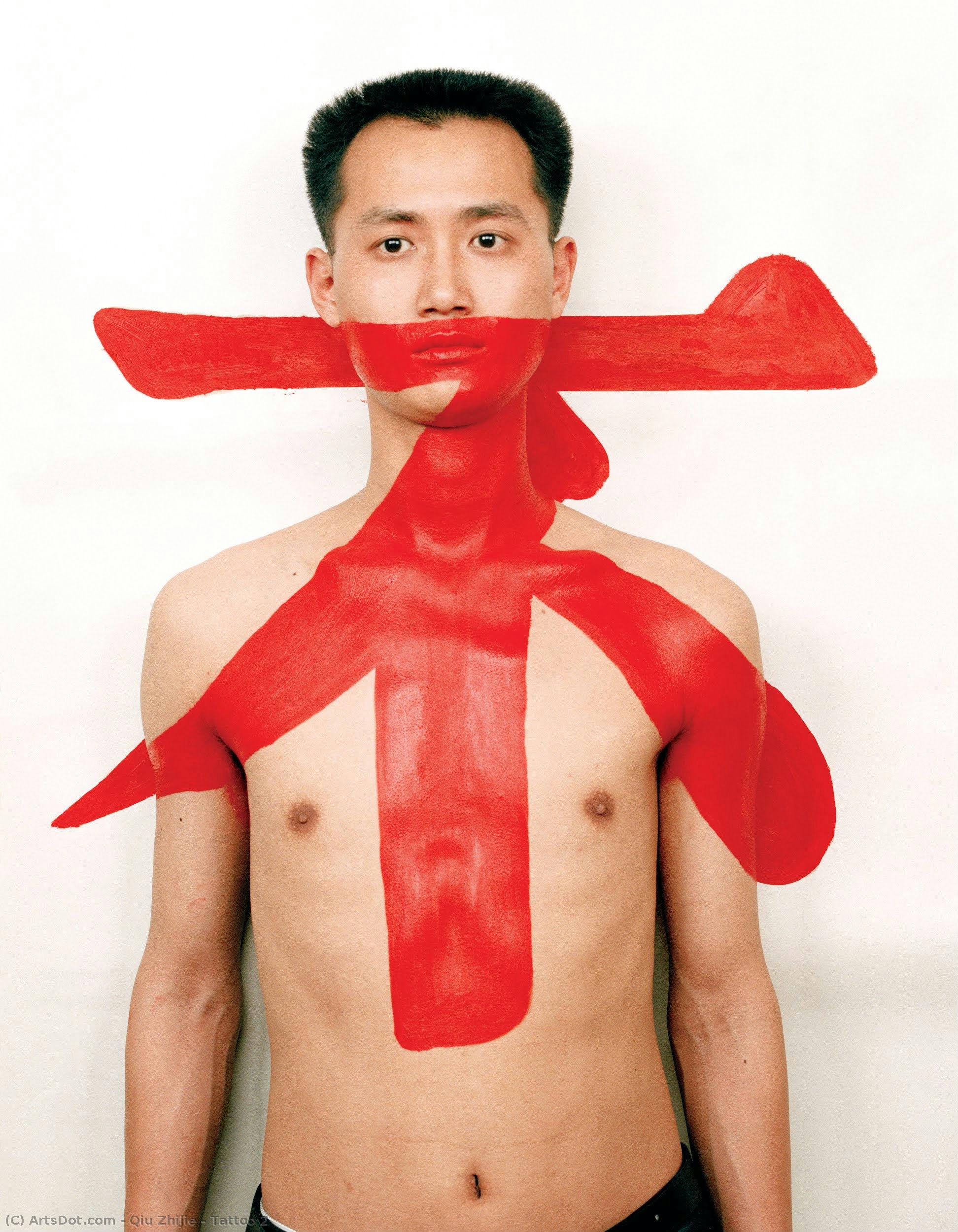
統計情報Tattoo 2

 詳細を見る
詳細を見る
オンラインプレビューをはるかに凌ぐ、高解像度で鮮明なデジタル画像をご購入いただけます。
各ファイルは、社内の専門家が高度なツールと熟練した手作業によるレタッチを用いて、細心の注意を払って準備されています。すべての画像において、卓越した鮮明度、正確な色彩再現性、そして繊細なディテールを保証いたします。
最終ファイルは、プロフェッショナルな編集・印刷環境ですぐにご利用いただけるよう最適化された状態で、72時間以内にメールにてお届けいたします。これは、一流のデザインスタジオ、出版社、ギャラリーから信頼されているものと同等の品質です。
デジタルアート
個人での鑑賞、印刷、クリエイティブなプロジェクト用に、高解像度ファイルをダウンロードできます。 ( プリント版に切り替え 手描きの絵画を購入)
デジタル画像のご注文に付随する特典
高品質なデジタル画像配信を、確かな品質で。
ArtsDot.com を選ぶことは、単に画像を手に入れることではありません。それは、プロの手によって精密に仕上げられ、満足保証が付いた高品質なデジタルアートワークを受け取ることを意味します。ご注文いただいた際に自動的に付随する内容は、以下の通りです:

メールですぐにお届け
ご注文から72時間以内に、高解像度のデジタル画像ファイルがメールでお手元に届きます。すぐにそのままご利用いただけます。

AI技術で最適化されたデジタルファイル
お客様の作品は、高度なAIツールと専門家による手作業の編集を組み合わせてプロフェッショナルに最適化されており、細部のディテール、鮮明さ、そして正確な色再現性を最大限に引き出しています。

一生涯無料の再送サービス
ファイルを誤って削除したり、紛失してしまったりしましたか?ご安心ください。いつでも無料で再送いたします。

輸入手数料は一切かかりません
関税や手数料、配送料を気にすることなく、お気に入りのアートワークをすぐにお楽しみいただけます。デジタルダウンロードは常に免税です。

色彩再現の保証
プロ仕様のツールとカラーマネジメント技術を用いることで、デジタル画像が元の色を最大限に忠実に再現することを保証いたします。

100日間満足保証
ご購入いただいたデジタル画像にご満足いただけない場合は、100日以内であれば、理由を問わず修正または100%の返金対応をさせていただきます。

100% 返金保証
ご満足いただけない場合は、デジタルファイルを受け取ってから100日以内であれば、理由を問わず全額返金いたします。

まとめ買い割引
3枚購入で10%OFF - 5枚購入で15%OFF - 10枚以上購入で20%OFF。クリエイティブなプロジェクト、ギャラリー、エージェンシーに最適です。
関連作品
作家の略歴
The Tension of Destiny: The Artistic Vision of Qiu Zhijie
In the vast, shifting landscape of contemporary Chinese art, few voices resonate with as much profound introspection and structural complexity as Qiu Zhijie. Born in 1969 in China's Fujian Province, Qiu has emerged as a master of visual storytelling, utilizing the ephemeral mediums of video and photography to navigate the turbulent waters of modern identity. His work is far more than mere documentation; it is a visceral exploration of the human condition, caught perpetually between the crushing weight of predetermined destiny and the fierce, unyielding impulse toward self-assertion. Through his lens, we witness a world grappling with social fragmentation and the haunting transience of existence, reflecting the broader anxieties of a nation undergoing rapid, often jarring, transformation.
Qiu’s artistic journey began in earnest at the Zhejiang Academy of Fine Arts in Hangzhou, where he graduated from the printmaking department in 1992. This foundational training provided him with a meticulous technical discipline that would later manifest in his highly symbolic and graphic compositions. His early breakthrough came almost immediately, as part of the seminal exhibition China's New Art, Post-1989, which positioned him at the forefront of a new generation of artists seeking to redefine Chinese aesthetics in a post-reform era. As his practice evolved, he moved beyond the boundaries of printmaking to embrace installations and cinematic techniques, creating works that allow the viewer to inhabit the very spaces of uncertainty he describes.
Symbolism and the Language of Restriction
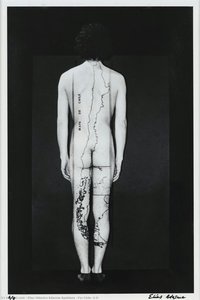
The power of Qiu Zhijie’s work lies in his ability to transform simple graphic elements into profound philosophical inquiries. He often employs a stark, deliberate vocabulary of symbols—most notably red tape and prohibition signs—to confront the viewer with themes of control and societal restriction. In his celebrated Tattoo series, such as Tattoo 1 and Tattoo 3, Qiu uses the human body as a canvas to explore how signs and codes in our media-saturated age have begun to overpower actual human beings. By inscribing characters like bu—meaning "no"—across his own skin, he creates a haunting illusion where the body becomes a mere vehicle for externaled authority, illustrating the struggle for autonomy in an increasingly regulated world.
This preoccupation with the boundaries of the self extends into his more large-scale, investigative projects. His work A Suicidology of the Nanjing Yangtze River Bridge serves as a poignant meditation on vulnerability and the weight of history. By researching the construction of this iconic symbol of "New China" and interviewing those touched by its tragedies, Qiu weaves together personal grief and national narrative. The project does not merely observe; it mourns and reflects, using symbolic elements to present a complex triptych of time, memory, and the human condition. In these works, the artist demonstrates an extraordinary ability to harness cinematic and installation-based techniques to elicit deep emotional responses, forcing us to confront difficult truths about life and loss.
A Legacy of Resistance and Reflection
As Qiu Zhijie continues to work from Beijing, his significance within the global art community remains undiminished. His ability to bridge the gap between traditional Chinese elements—such as calligraphy and historical references like the Orchid Pavilion Preface—and contemporary conceptual practices ensures that his work remains both culturally rooted and universally relevant. He has successfully navigated the transition from a local talent to an internationally recognized figure, with exhibitions spanning from the Institute of Contemporary Arts in London to the Victoria and Albert Museum.
Ultimately, the enduring impact of Qiu’s oeuvre lies in its refusal to provide easy answers. Whether he is exploring the translucent labyrinths of his early installations or the stark, photographic portraits of his later years, he remains a steadfast investigator of the forces that shape us. His art stands as a testament to the resilience of the human spirit, documenting the eternal struggle to find meaning and agency within the complex, often fragmented, tapestry of modern existence.
Qiu Zhijie
1969 - , China
プロフィール概要
- Artistic Movement Or Style: Video & Photography
- Date Of Birth: 1969
- Full Name: Qiu Zhijie
- Nationality: Chinese
- Notable Artworks:
- Orchid Pavilion Preface
- A Suicidology of the Nanjing Yangtze River Bridge
- Tattoo 3
- Tattoo 1
- Place Of Birth: Fujian Province, China