

 プレビュー
プレビュー
 シェアする
シェアする シェアする
シェアする
 詳細を見る
詳細を見る

 ダウンロード
 似ている作品
 X線調査
X線調査 スライドショー
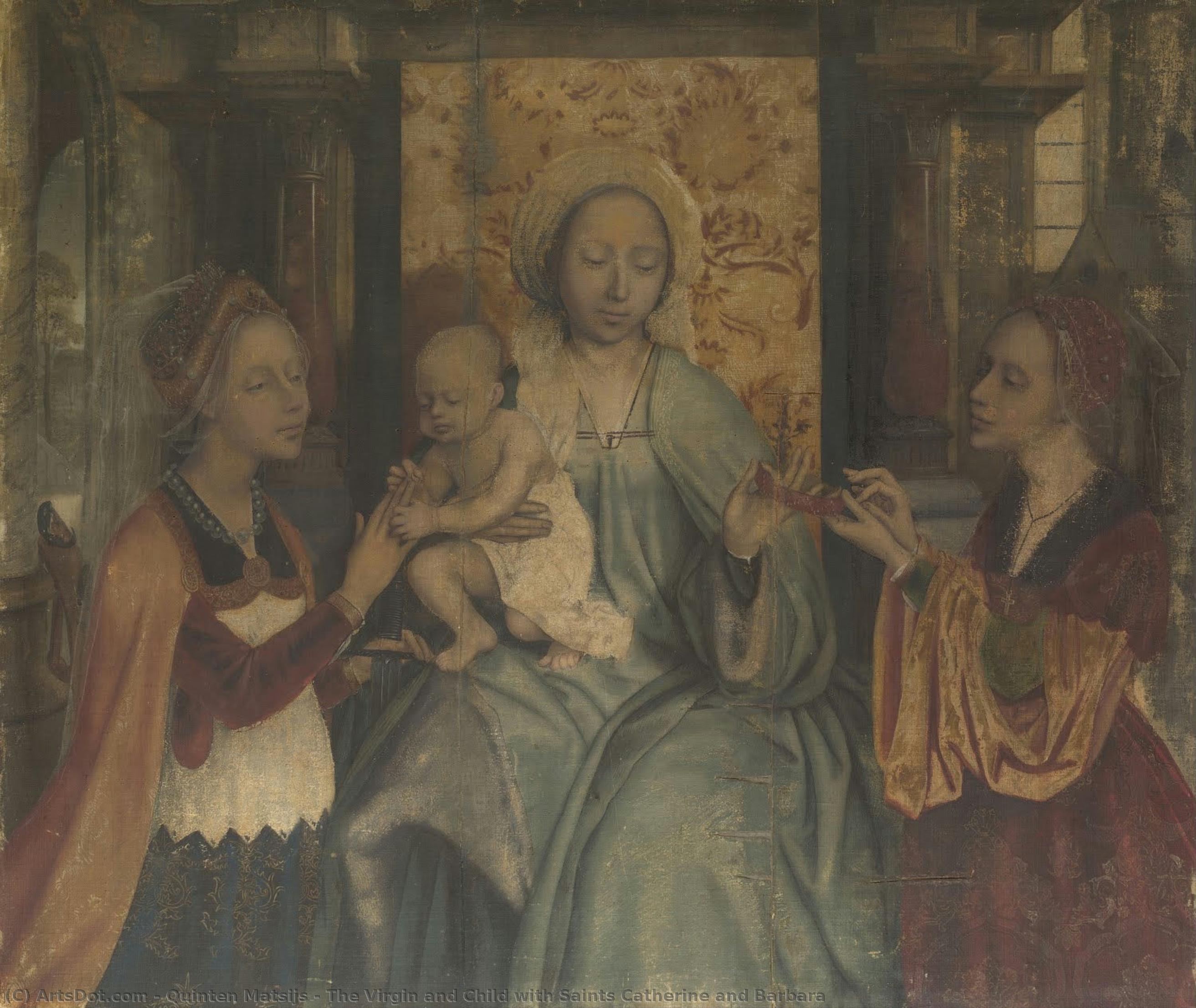
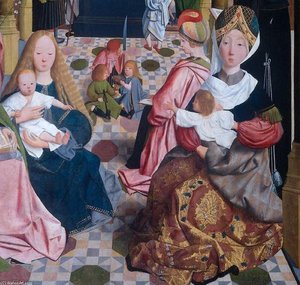
The Virgin and Child with Saints Catherine and Barbara
 Oil On Panel
- Early Renaissance
 1515
1515 93.0 x 110.0 cm
 ナショナル・ギャラリー
 詳細を見る
詳細を見る
ジークレー/アートプリント
迅速な制作と多彩な仕上げオプションを備えた、ミュージアムクオリティのジークレーまたはキャンバスプリント。 ( 手描きの絵画を購入 画像を購入)




P118B $10

P118H $10

P118W $10

P438Z $10

P508JH $12

P508YH $12

P805H $10

P805Z $10

P919BZ $10

P919G $10

P919XJ $10

P959ZH $10

P968JZ $12

W106C $8

W218G $10

W218JH $8

W218Y $10

W307PJ $10

W316G $10

W316PJ $8

W316Y $10

W398PJ $8

W4111J $10

W500HY $15

W500JH $15

W692G $12

W849H $8

W940BG $15

W953PJ $8




作品のオリジナル比率に合わせた、当店の規定サイズからお選びください。

特定のフレームやスペースに合わせて、ご自身でサイズを指定することも可能です。選択されたサイズが元の画像の比率と一致しない場合、作品をトリミングするか、鏡面反射または単色での塗りつぶしによって画像を拡張いたします。制作を開始する前に、ご確認用のデジタルモックアップをお送りいたします。
画面上のプレビューには、実際のトリミングや拡張は反映されませんのでご注意ください。最終的な構図を正確に確認できるのは、モックアップのみとなります。
カスタムサイズも承っておりますが、元の比率を維持するためには、あらかじめ用意されたリストからサイズを選択することをお勧めいたします。


 ガラスオプションは、110cm未満のサイズでのみご利用いただけます。

The Virgin and Child with Saints Catherine and Barbara
ジークレー/アートプリント
複製画のサイズ
-


合計金額
$ 62
The Virgin and Child with Saints Catherine and Barbara – A Renaissance Dialogue of Faith and Form
Quinten Matsijs’ “Virgin & Child” (1515), housed in the National Gallery, London, stands as a testament to the burgeoning humanist spirit of Early Renaissance art while simultaneously embodying profound religious devotion. More than just a depiction of biblical figures—Mary, Jesus Christ, and Saint Catherine and Saint Barbara—the painting is an intricate orchestration of visual elements designed to convey spiritual contemplation and moral instruction.
- Overall Impression: The artwork presents a realistic portrayal typical of its era, albeit bearing the marks of time and careful restoration. Its central composition focuses on Mary, Jesus, and Saint Catherine, flanked by Barbara, creating a balanced visual narrative within an indistinct architectural setting suggestive of a sacred space. Dramatic lighting emphasizes key figures like Mary’s face and clothing, highlighting textural details achieved through impasto technique—particularly noticeable on Mary's robes—reflecting the influence of Flemish painting traditions.
- Size & Date: Measuring 93 x 110 cm, this piece dates back to 1515, marking a pivotal moment in artistic innovation and reflecting the stylistic developments occurring during the humanist revival.
- Artist Background: Quinten Matsijs (1466–1530), considered the founder of the Antwerp School of Painting, was born in Leuven, Belgium. Initially an ironsmith, he transitioned to painting, establishing himself as a prominent figure within the artistic landscape of his time. His oeuvre is characterized by both religious fervor and subtle satirical commentary—a duality that distinguishes him from many of his contemporaries.
- Technique & Materials: Executed in oil on panel, “Virgin & Child” exemplifies the meticulous craftsmanship demanded by Renaissance art. The artist skillfully employed a two-stage process – applying darker pigments followed by lighter tones—to create depth and illusionistic space. Infrared photography reveals an underdrawing and a black layer of underpaint, demonstrating the painstaking attention to detail characteristic of Matsijs’ approach.
- Symbolism & Interpretation: The painting overflows with symbolic significance. Mary's halo signifies her divine status, while gestures of reverence displayed by all figures underscore the sanctity of the scene. The ring placed on Saint Catherine’s finger symbolizes her mystical marriage to Christ—a visual representation of spiritual union—and the tower associated with Saint Barbara serves as a reminder of her imprisonment and martyrdom. Furthermore, the use of muted earth tones—ochres, browns, and blues—combined with touches of red and gold—creates an atmosphere of solemn piety.
A remarkable example of Early Renaissance painting, “Virgin & Child” continues to captivate viewers with its masterful blend of artistic skill and theological contemplation. Its enduring legacy resides not only in its technical brilliance but also in its ability to evoke a powerful emotional response—a feeling of serenity and reverence for the divine.
Explore this masterpiece further at The National Gallery and discover more about Quinten Matsijs’ contribution to the artistic heritage of Flanders.
関連作品
![Virgin And Child With Saint Joseph And Donor [centre Panel Of The Withypool Triptych] — Antonio Solario (lo Zingaro), High Renaissance](/media/artworks/images-thumb/b9/7d/b97d0df3c80849ec91debbc927ef02ec.jpg)
アーティストの略歴
**early life and training**
quinten matsijs, a prominent figure in the early netherlandish tradition, was born in leuven, belgium, in 1466. according to tradition, matsijs began his career as an ironsmith before transitioning to painting, although this aspect of his life remains somewhat speculative.**artistic career and contributions**
active in antwerp for over two decades, quinten matsijs produced numerous works characterized by their religious undertones and satirical inclinations. his contributions to the early netherlandish art movement are significant, earning him recognition as the founder of the antwerp school of painting. this school would later become a dominant force in flemish art during the 16th century.**notable works and innovations**
- **the virgin and child with saints catherine and barbara**: a masterpiece showcasing matsijs' skill in blending religious themes with subtle moral undertones. - **jacob obrecht**: a portrait of the renowned choirmaster, exemplifying matsijs' ability to capture the essence of his subjects.**legacy and influence**
matsijs introduced new techniques and motifs to the early netherlandish tradition, paving the way for future generations of artists. his influence can be seen in the works of later flemish painters who built upon his innovations.- key contribution: founding the antwerp school of painting, which became a cornerstone of flemish art in the 16th century.
- notable museums featuring his work: the koninklijk museum voor schone kunsten in antwerp, belgium, houses several of matsijs' masterpieces, offering a glimpse into his artistic genius.
- view more of quinten matsijs' art: explore [ArtsDot.com's collection](https://ArtsDot.com/@/quinten-matsijs) for an in-depth look at his works and the early netherlandish art movement.
**conclusion**
quinten matsijs's legacy is a testament to his enduring impact on flemish painting. through his innovative approach, he not only defined the antwerp school but also influenced the broader landscape of northern renaissance art. his works continue to inspire and intrigue, offering a window into the artistic and cultural nuances of 15th-century flanders.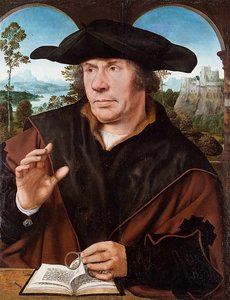
quinten matsijs
1466 - 1530 , Belgium
基本情報
- Artistic Movement Or Style: Early Renaissance
- Artists Or Movements Influenced By This Artist: ['Michelangelo']
- Artists Who Influenced This Artist:
- Lorenzo Ghiberti
- Filippo Brunelleschi
- Date Of Birth: c. 1386
- Date Of Death: 1466
- Full Name: Donato di Niccolò di Betto Bardi
- Nationality: Italian
- Notable Artworks:
- Saint George
- David (bronze)
- Equestrian Monument Gattamelata
- Place Of Birth: Florence, Italy
関連記事

The Enduring Legacy of Oil on Canvas: Technique, History & Aesthetic Impact
Explore the rich history & techniques of oil painting – from Renaissance masters to Impressionism. Discover pigments, layering methods, and why this timeless medium endures. Expert insights for artists & art enthusiasts.

Oil on Canvas: A Historical & Technical Exploration of a Timeless Artistic Medium
Explore the rich history & enduring techniques of oil painting on canvas. Discover the science behind its longevity, conservation practices, and contemporary relevance. Expert insights for art enthusiasts.

The Enduring Power of Painting: A Historical & Contemporary Exploration of Form and Emotion
Explore the rich history & enduring techniques of oil painting with ArtsDot. Discover masterpieces, learn about art collecting, and find authentic handmade reproductions crafted by skilled artists.

油彩のキャンバス:技法、歴史、そして現代の実践 - 古典美術愛好家へ
油彩の技法、歴史、巨匠たちの秘密を徹底解説。古典美術愛好家向けに、初期フランドル絵画から現代の実践まで深く掘り下げます。ArtsDotで高品質な複製画やカスタムオーダーも承ります。
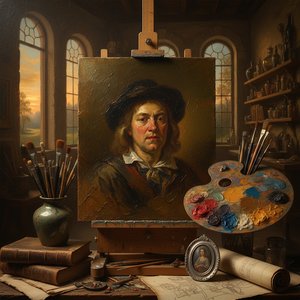
The Enduring Legacy of Oil Paint: Technique, History & Emotional Resonance in Western Art
Explore the rich history & techniques of oil painting! Discover Renaissance masters, scientific principles behind color, and emotional resonance in art. Learn about glazing, layering, and atmospheric perspective – a guide for enthusiasts & collectors.

