

 プレビュー
プレビュー
 シェアする
シェアする シェアする
シェアする
 詳細を見る
詳細を見る

 ダウンロード
 似ている作品
 X線調査
X線調査 スライドショー
 統計情報
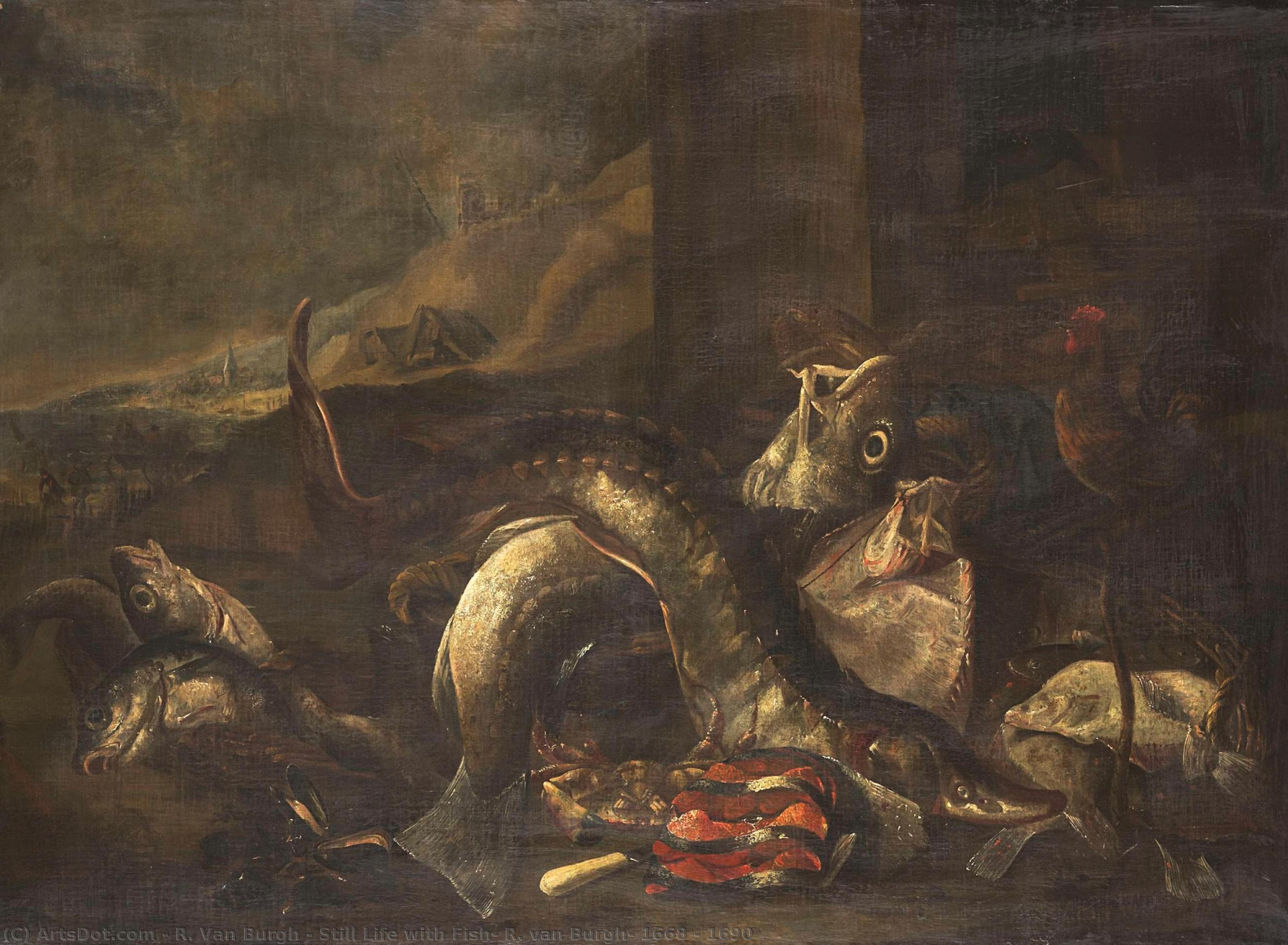
統計情報Still Life with Fish, R. van Burgh, 1668 - 1690


 詳細を見る
詳細を見る
手描き油彩複製画
当社のアーティストが、お客様のご希望のサイズと額縁に合わせて、キャンバスに手描きで制作する油彩画です。 ( プリント版に切り替え デジタル画像販売へ切り替え)




































作品のオリジナル比率に合わせた、当店の規定サイズからお選びください。

特定のフレームやスペースに合わせて、ご希望のサイズをご入力いただけます。選択されたサイズが元の画像の比率と異なる場合、アートワークをトリミングするか、手描きで要素を追加して絵画を拡張いたします。デジタルモックアップ を制作し、制作開始前にご確認(承認)をいただきます。
画面上のプレビューは、実際のトリミングや拡張を正確に反映しているものではありません。最終的な構図は、モックアップによってのみ正確にご確認いただけます。
カスタムサイズもご利用いただけますが、元の比率を維持するためには、あらかじめ用意されたリストからサイズを選択することをお勧めいたします。
ご注文後、ArtsDot.com チームより詳細な指示をお送りするとともに、仕上がりイメージ(モックアップ)をご提供いたします。


 ガラスオプションは、110cm未満のサイズでのみご利用いただけます。

Still Life with Fish, R. van Burgh, 1668 - 1690
複製技法
複製画のサイズ
-


合計金額
$ 263
関連作品
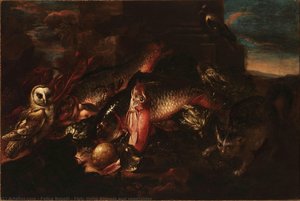
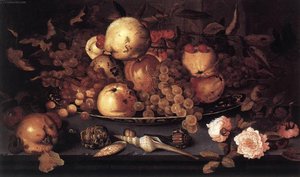
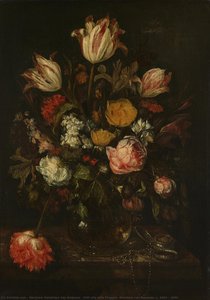
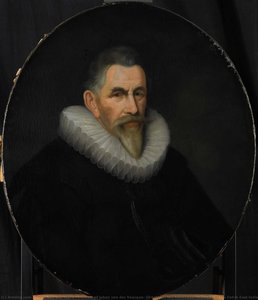
アーティストの略歴
A Glimpse into the Baroque Stillness of R. Van Burgh
The name R. Van Burgh resonates quietly within the annals of 17th-century Dutch painting, a period brimming with masters yet still offering space for individual voices to emerge. While biographical details remain elusive – a common fate for artists operating outside the immediate circles of patronage and fame – his surviving work speaks volumes about his skill and place within the flourishing Baroque tradition. Van Burgh’s primary focus lay in still life compositions, specifically those depicting the bounty and transience of nature, often featuring fish and other marine life. His paintings aren't merely representations; they are meditations on mortality, luxury, and the delicate balance between beauty and decay.
The Dutch Golden Age Context
To understand Van Burgh’s art, one must first appreciate the context of the Dutch Golden Age (roughly 1600-1700). Following a period of religious upheaval and independence from Spain, the Netherlands experienced unprecedented economic prosperity. This wealth fueled a burgeoning middle class eager to adorn their homes with paintings reflecting their status and values. Still life emerged as a particularly popular genre, offering both decorative appeal and symbolic depth. Unlike earlier, more overtly moralizing depictions, Dutch still lifes often celebrated earthly pleasures while subtly reminding viewers of their fleeting nature – a concept known as *vanitas*. Van Burgh’s work fits squarely within this tradition, showcasing meticulously rendered objects that invite close inspection but also prompt contemplation on the impermanence of all things. The dramatic use of light and shadow, characteristic of Baroque painting, further enhances this effect.
Technical Mastery and Artistic Style
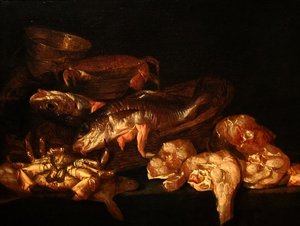
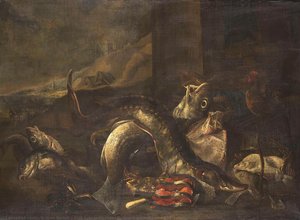
The single most well-known work attributed to R. Van Burgh is “Still Life with Fish” (circa 1690). This painting exemplifies his technical prowess. The fish themselves are rendered with astonishing realism – scales glinting, eyes reflecting light, textures appearing almost palpable. He demonstrates a remarkable ability to capture the subtle nuances of decay, from the dulling sheen on the skin to the slight slackness in the muscles. Beyond the central subject, Van Burgh populates his compositions with carefully chosen accessories: pewter plates, gleaming knives, and draped fabrics that add depth and richness. His palette is typically subdued, favoring earth tones punctuated by flashes of silver and gold. The arrangement isn’t haphazard; each element contributes to a harmonious whole, guiding the viewer's eye and reinforcing the painting’s underlying themes.
Influences and Possible Connections
Pinpointing Van Burgh’s direct influences is challenging due to the scarcity of documented information about his life. However, stylistic similarities suggest an awareness of leading still life painters of the period, such as Willem Kalf and Pieter Claesz. Like these artists, Van Burgh demonstrates a keen eye for detail and a mastery of light and shadow. It’s also possible he was influenced by Flemish Baroque masters like Frans Snyders, known for their lavish depictions of food and game. The RKD (Netherlands Institute for Art History) notes the artist's name as Rochus Hendricksz. van der Burgh, potentially linking him to a broader artistic family or circle, though further research is needed to confirm these connections.
Legacy and Historical Significance
While not a household name, R. Van Burgh’s work offers valuable insight into the Dutch Golden Age aesthetic. His paintings are testaments to the skill of lesser-known artists who contributed to the period's rich artistic landscape. “Still Life with Fish” serves as a compelling example of Baroque realism and *vanitas* symbolism, reminding us of the beauty inherent in both life and decay. As appreciation for Dutch still life continues to grow, Van Burgh’s contributions are increasingly recognized, offering a poignant glimpse into a world where even the most fleeting moments could be captured with enduring artistry.
基本情報
- Artistic Movement Or Style: Baroque realism
- Date Of Death: Living
- Full Name: R. Van Burgh
- Notable Artworks: ['Still Life with Fish (1690)']
関連記事
Masterpieces of the 17th Century: Art, History & Decor Inspiration | ArtsDot
Journey through 17th century art with masterpieces by Rembrandt, Vermeer & Caravaggio. Explore Baroque paintings, Dutch Golden Age techniques & timeless beauty. Find museum-quality reproductions and elevate your home decor on ArtsDot.com.

Dutch Baroque Masters: 10 Paintings That Shaped an Era | ArtsDot
Journey through the Golden Age with our guide to the Top 10 Dutch Baroque masterpieces! Explore iconic paintings by Rembrandt, Vermeer & Frans Hals. Find museum-quality art reproductions and elevate your home decor at ArtsDot.com.
Abraham Hendricksz van Beyeren: Pioneering Dutch Still Life & the Banquet Tradition
Explore the captivating world of Dutch Golden Age still life with Abraham van Beyeren. Discover his innovative techniques, symbolic banquet scenes & lasting influence on art history. Learn about collecting these masterpieces.

Golden Age Reflections: Dutch Baroque Painting & Cultural Innovation
Explore the Dutch Golden Age of painting! Discover key artists like Vermeer & ter Borch, their innovative techniques, and the rich cultural context behind these Baroque masterpieces. Learn about collecting & appreciating this iconic art period.

レンブラント傑作25選:光と影の巨匠、魂を揺さぶる名画の世界 | ArtsDot
レンブラントの傑作25選。光と影の魔術師が描いた魂を揺さぶる名画の世界へ。美術史に残る自画像、夜警、宗教画…ArtsDotで高品質なアートプリントやインテリアアートをお楽しみください。コレクションはこちら→