 プレビュー
プレビュー
 プリントを購入
 シェアする
シェアする シェアする
シェアする
 詳細を見る
詳細を見る

 ダウンロード
 似ている作品
 X線調査
X線調査 スライドショー
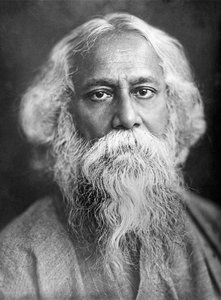
Rabindranath Tagore in Santiniketan
 Acrylic On Canvas
- WallArt
- Bengal School of Art
 19th Century
 50.0 x 58.0 cm
 ヴィクトリア記念堂
 詳細を見る
詳細を見る




P118B $10

P118H $10

P118W $10

P438Z $10

P508JH $12

P508YH $12

P805H $10

P805Z $10

P919BZ $10

P919G $10

P919XJ $10

P959ZH $10

P968JZ $12

W106C $8

W218G $10

W218JH $8

W218Y $10

W307PJ $10

W316G $10

W316PJ $8

W316Y $10

W398PJ $8

W4111J $10

W500HY $15

W500JH $15

W692G $12

W849H $8

W940BG $15

W953PJ $8




作品のオリジナル比率に合わせた、当店の規定サイズからお選びください。

特定のフレームやスペースに合わせて、ご希望のサイズをご入力いただけます。選択されたサイズが元の画像の比率と異なる場合、アートワークをトリミングするか、手描きで要素を追加して絵画を拡張いたします。デジタルモックアップ を制作し、制作開始前にご確認(承認)をいただきます。
画面上のプレビューは、実際のトリミングや拡張を正確に反映しているものではありません。最終的な構図は、モックアップによってのみ正確にご確認いただけます。
カスタムサイズもご利用いただけますが、元の比率を維持するためには、あらかじめ用意されたリストからサイズを選択することをお勧めいたします。
ご注文後、ArtsDot.com チームより詳細な指示をお送りするとともに、仕上がりイメージ(モックアップ)をご提供いたします。


 ガラスオプションは、110cm未満のサイズでのみご利用いただけます。

Rabindranath Tagore in Santiniketan
複製技法
複製画のサイズ
-


合計金額
$ 263
作品解説
A Moment of Reflection: Rabindranath Tagore in Santiniketan
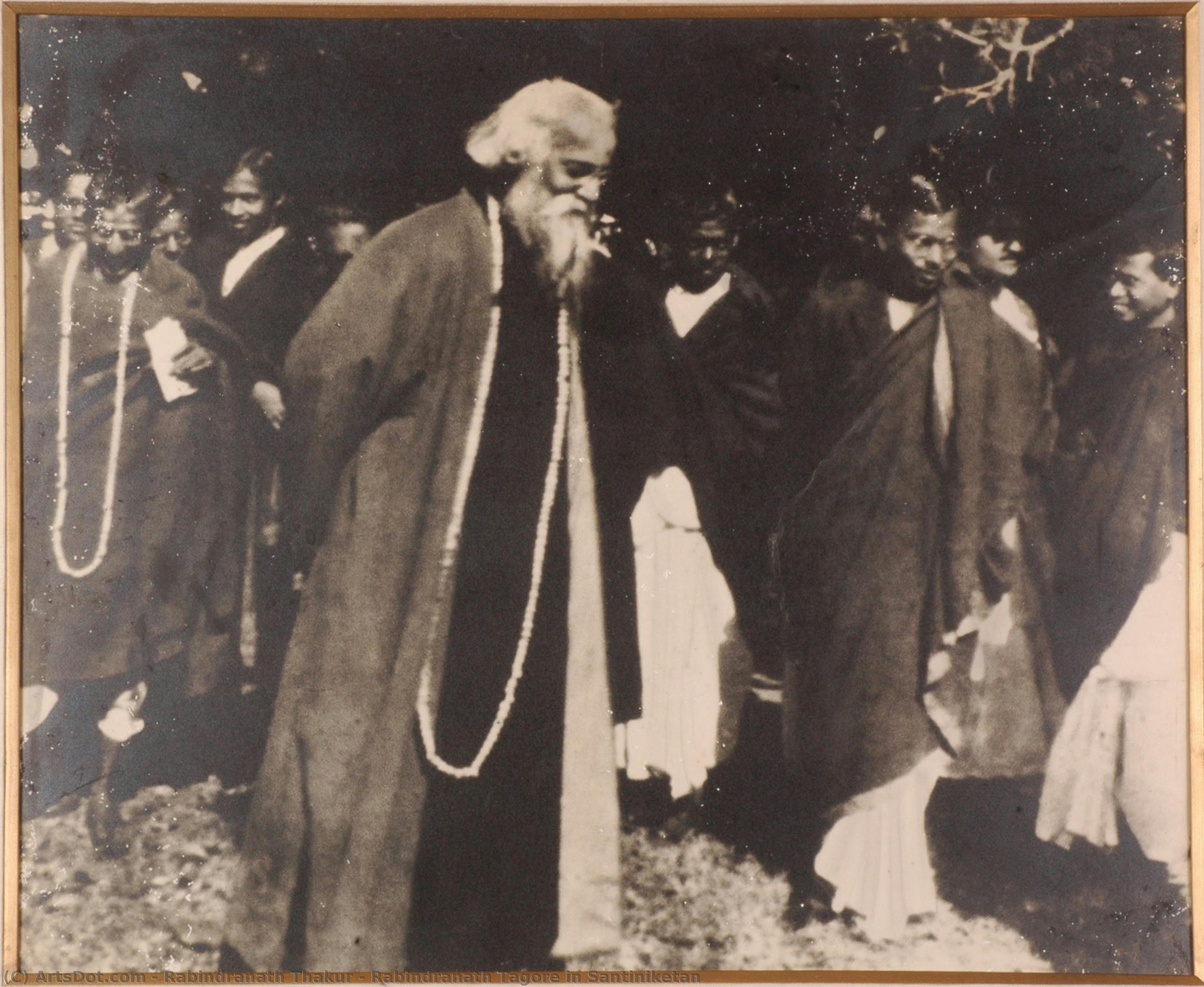
This meticulously crafted hand-painted reproduction captures a pivotal moment in the life of Rabindranath Tagore, one of India’s most revered figures – a man whose profound influence extended far beyond the realm of literature. The image, titled “Rabindranath Tagore in Santiniketan,” presents a serene and contemplative portrait of the literary giant amidst the vibrant intellectual landscape he cultivated at his famed educational institution.
- Subject: The artwork depicts Rabindranath Tagore himself, rendered with remarkable detail. His traditional attire – a long robe signifying wisdom and authority – combined with his distinctive beard and mustache evokes a sense of timeless spirituality.
- Setting: The backdrop is Santiniketan, Tagore’s beloved rural school, depicted as a grassy field teeming with activity. This location is crucial to understanding the artwork's significance; it represents Tagore’s commitment to education, rural development, and a harmonious blend of Eastern philosophy and Western thought.
- Composition: Nine other individuals are subtly integrated into the scene, suggesting the bustling atmosphere of learning and discourse that characterized Santiniketan. Their presence adds depth and narrative complexity, hinting at the collaborative spirit that fueled Tagore’s innovative approach to art and education.
A Window into Contextual Modernism
Painted with a dedication to capturing the essence of Tagore's artistic vision, this reproduction aligns perfectly with his pioneering role in “Contextual Modernism.” Tagore rejected purely formalist approaches to art, instead seeking to synthesize traditional Indian aesthetics – particularly those influenced by Bengal School of Art – with contemporary ideas. This fusion is powerfully represented here through the subject’s dignified pose and the naturalistic setting, a deliberate choice reflecting Tagore's belief in connecting artistic expression with the rhythms of life and nature.
- Historical Context: Created during Tagore’s lifetime (1861-1941), this artwork reflects the burgeoning nationalist movement in India and Tagore’s role as a cultural icon. It speaks to his desire to revitalize Indian art and culture, challenging colonial influences while embracing universal human values.
- The Bengal School of Art: The influence of the Bengal School of Art is palpable, evident in the artwork's emphasis on decorative elements and its rejection of Western academic conventions. Tagore was a key figure in this movement, advocating for an art that drew inspiration from Indian mythology, folklore, and rural life.
Technique and Craftsmanship
This reproduction is executed with exceptional skill by our team of master artists, employing traditional hand-painting techniques. The use of fine pigments creates a rich, nuanced color palette reminiscent of the original photograph, while the delicate brushwork captures the subtle textures of Tagore’s clothing and the natural elements of Santiniketan. The size of 50 x 58 cm makes it ideal for display in a variety of settings – from formal living rooms to study spaces.
- Materials: The artwork is meticulously painted on high-quality canvas using archival-grade pigments, ensuring its longevity and vibrancy.
- Detailing: Close attention has been paid to every detail, from the folds of Tagore’s robe to the expressions on the faces of those around him, creating a truly immersive experience for the viewer.
Symbolism and Emotional Impact
More than just a portrait, “Rabindranath Tagore in Santiniketan” embodies the spirit of intellectual curiosity, spiritual seeking, and social responsibility that defined Tagore’s life and work. The image evokes a sense of tranquility and contemplation, inviting viewers to reflect on the enduring legacy of this extraordinary man. It is a powerful reminder of his commitment to education, artistic innovation, and the pursuit of universal human values.
関連作品

アーティストの略歴
A Pioneer of Contextual Modernism: Rabindranath Tagore’s Artistic Legacy
Rabindranath Tagore, born May 7, 1861, in Kolkata, stands as an unparalleled figure in Bengali literature and culture—a testament to the transformative power of artistic vision. More than just a poet laureate, he was a multifaceted genius who profoundly impacted Indian art with his innovative approach to modernism, blending traditional aesthetics with contemporary sensibilities. His influence continues to resonate across disciplines and cultures today, marking him as a true polymath whose creative reach extended far beyond the written word.
Tagore’s upbringing within an intellectually stimulating family nurtured his innate artistic inclinations. His father, Debendranath Tagore, was a philosopher deeply connected to Abanindranath Tagore—who would later become a celebrated Indian artist and the founder of the Bengal School of May Art. This environment, rich in creative pursuits, provided Rabindranath with a foundation where music, literature, and visual expression were inextricably linked. From childhood, he demonstrated a remarkable aptitude for writing poetry, immersing himself in the literary traditions of Bengal while simultaneously exploring musical compositions. This dual engagement foreshadowed his artistic trajectory, establishing him as an artist who would eventually transcend conventional boundaries.
The Convergence of Tradition and Modernity
Tagore’s involvement with the movement surrounding the Bengal School of Art proved pivotal to shaping his unique visual style. This era championed a distinctive aesthetic known as contextual modernism, which sought to revitalize Indian art through a dialogue with Western influences without abandoning its core spiritual and cultural heritage. Tagore embraced this spirit of experimentation wholeheartedly. While he is globally renowned for his literary mastery, his foray into the visual arts revealed a deeply intuitive and spontaneous creator.
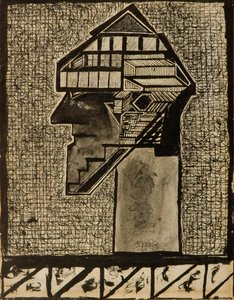
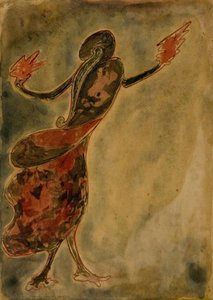
In his paintings, Tagore skillfully incorporated elements of European Impressionism and Symbolism, creating works imbued with evocative imagery and emotional depth. His technique often bypassed rigid academic structures in favor of something more primal and expressive. He utilized fluid lines and organic forms to capture the essence of his subjects, ranging from the spiritual atmosphere of Santiniketan to the rhythmic energy of a Dancing Woman. His work often featured intricate details, such as the poetic use of oriental script seen in masterpieces like Geetāshtak, where lush backgrounds meet calligraphic elegance, inviting viewers into a meditative state.
A Lasting Historical Significance
The significance of Rabindranath Tagore lies not only in his individual achievements but in his role as a bridge between eras and civilizations. As a Nobel Laureate, he brought the profound spiritual and humanistic themes of Indian thought to the global stage through works like Gitanjali. His artistic legacy is characterized by several key pillars:
- Cultural Synthesis: The ability to merge the rhythmic traditions of Bengal with the modern visual languages of the West.
- Spiritual Expression: A lifelong pursuit of capturing the divine and the natural world through both verse and pigment.
- Educational Vision: His role in fostering an environment at Santiniketan where art, nature, and learning could coexist harmoniously.
- Modernist Innovation: Breaking away from rigid metrical patterns in literature and formal constraints in painting to find a more authentic, personal voice.
Today, the works of Tagore serve as a vital touchstone for anyone seeking to understand the evolution of Indian modernism. His ability to weave together the spiritual essence of his homeland with a forward-looking, global perspective ensures that his name remains synonymous with the very heart of creative revolution.
rabindranath thakur
1861 - 1941 , India
基本情報
- Artistic Movement Or Style: Contextual Modernism
- Artists Who Influenced This Artist:
- Edward Thomas Daniell
- Nandalal Bose
- Date Of Birth: May 7, 1861
- Date Of Death: 1941
- Full Name: Rabindranath Tagore
- Nationality: Bengali
- Notable Artworks:
- Pavilion
- Ruins at Cannouge
- Khunjani Wali
- Place Of Birth: Kolkata, India
関連記事

Dark Masterpieces: 10 Iconic Paintings Dominated by Black Tones |
Explore 10 iconic paintings dominated by black tones, from Rembrandt’s chiaroscuro to Goya's dark expressions. Discover the stories behind these masterpieces & find museum-quality art reproductions for your home at .

Giclée Prints: Archival Quality & Aesthetic Nuances for the Discerning Collector
Explore the world of giclée prints with ArtsDot. Learn about archival quality, aesthetic nuances & investment potential. Expert guidance for discerning art collectors seeking museum-quality reproductions and lasting value.
Mars Black Masterpieces: 10 Iconic Paintings & Timeless Art Decor Ideas
Delve into the power of 'Mars Black' with 10 iconic paintings by masters like Rembrandt & Caravaggio. Explore dramatic chiaroscuro, gothic art, and timeless beauty. Find museum-quality reproductions & elevate your home decor on .

Echoes of Time: Exploring the Enduring Appeal & Historical Context of Vintage Art Prints
Explore the captivating world of vintage art prints! Discover their history, collecting tips & enduring appeal. Expert insights on chromolithography and building a legacy collection with ArtsDot.

The Enduring Legacy of Fine Art Prints: Technique, History & Aesthetic Impact
Explore the rich history & techniques of fine art prints. Discover investment potential, assess authenticity, and learn how to preserve your collection with expert guidance. Trusted insights for discerning collectors.