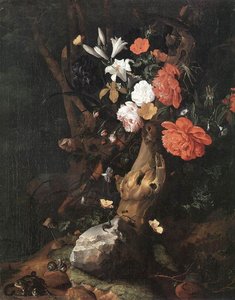
 プレビュー
プレビュー
 シェアする
シェアする シェアする
シェアする
 詳細を見る
詳細を見る

 ダウンロード
 似ている作品
 X線調査
X線調査 スライドショー
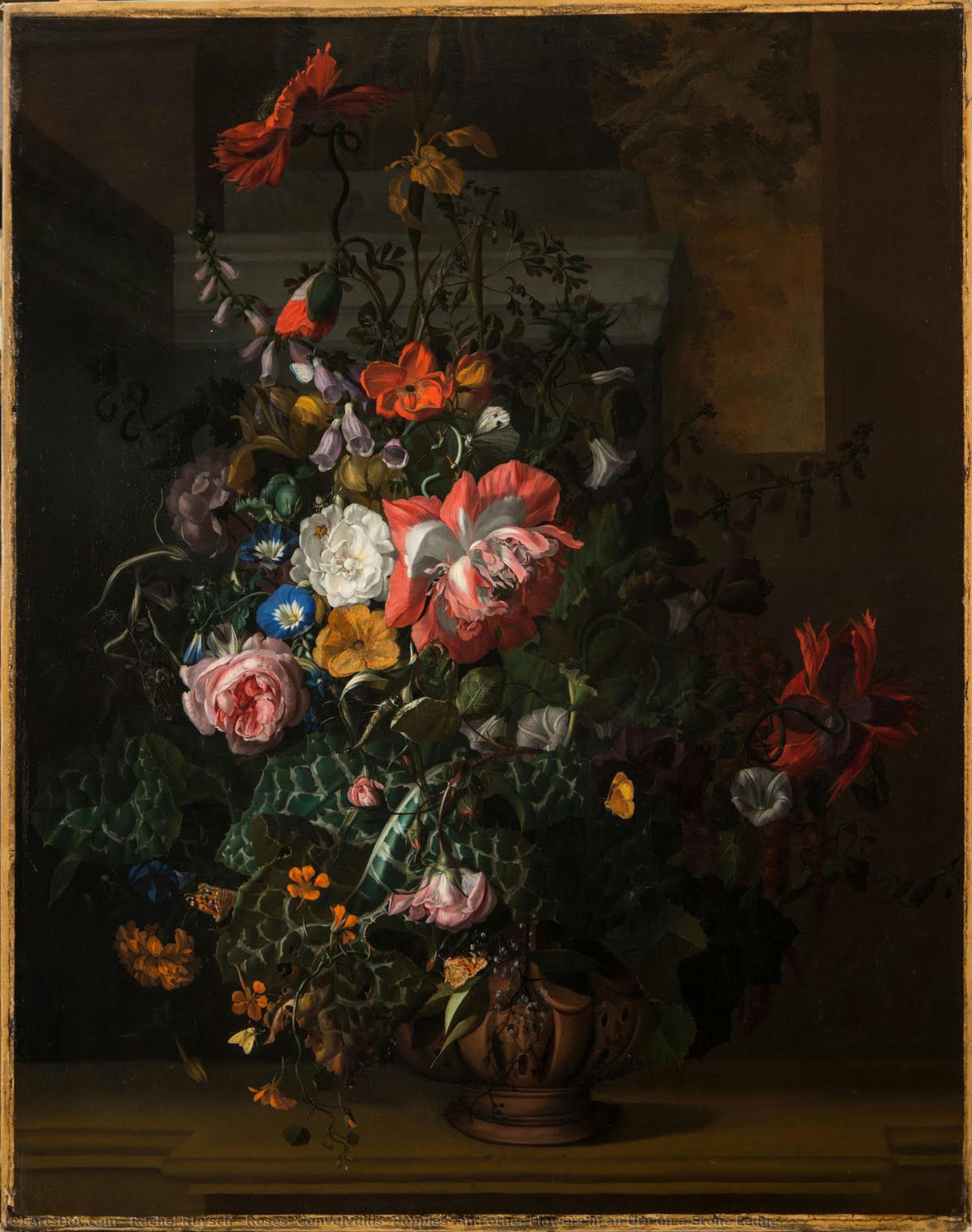
Roses, Convolvulus, Poppies, and other Flowers in an Urn on a Stone Ledge


 詳細を見る
詳細を見る
ジークレー/アートプリント
迅速な制作と多彩な仕上げオプションを備えた、ミュージアムクオリティのジークレーまたはキャンバスプリント。 ( 手描きの絵画を購入 画像を購入)




P118B $10

P118H $10

P118W $10

P438Z $10

P508JH $12

P508YH $12

P805H $10

P805Z $10

P919BZ $10

P919G $10

P919XJ $10

P959ZH $10

P968JZ $12

W106C $8

W218G $10

W218JH $8

W218Y $10

W307PJ $10

W316G $10

W316PJ $8

W316Y $10

W398PJ $8

W4111J $10

W500HY $15

W500JH $15

W692G $12

W849H $8

W940BG $15

W953PJ $8




作品のオリジナル比率に合わせた、当店の規定サイズからお選びください。

特定のフレームやスペースに合わせて、ご自身でサイズを指定することも可能です。選択されたサイズが元の画像の比率と一致しない場合、作品をトリミングするか、鏡面反射または単色での塗りつぶしによって画像を拡張いたします。制作を開始する前に、ご確認用のデジタルモックアップをお送りいたします。
画面上のプレビューには、実際のトリミングや拡張は反映されませんのでご注意ください。最終的な構図を正確に確認できるのは、モックアップのみとなります。
カスタムサイズも承っておりますが、元の比率を維持するためには、あらかじめ用意されたリストからサイズを選択することをお勧めいたします。


 ガラスオプションは、110cm未満のサイズでのみご利用いただけます。

Roses, Convolvulus, Poppies, and other Flowers in an Urn on a Stone Ledge
ジークレー/アートプリント
複製画のサイズ
-


合計金額
$ 62
Rachel Ruysch’s Intimate Ode to Floral Beauty
Rachel Ruysch's "Roses, Convolvulus, Poppies, and other Flowers in an Urn on a Stone Ledge," painted circa 1680, offers a profound glimpse into the world of one of the most remarkable botanical artists of the Baroque era. This exquisite still life transcends mere representation; it’s a meticulously crafted meditation on beauty, fragility, and the very essence of life itself. The painting's power lies not just in its vibrant colors or intricate detail, but in Ruysch’s profound understanding of her subject matter – an understanding cultivated within the extraordinary environment of her father’s laboratory.
- Subject Matter: The composition centers around a porcelain urn overflowing with a stunning array of flowers. Roses, poppies, and convolvulus dominate the scene, each rendered with astonishing realism.
- Technique: Ruysch's mastery is immediately apparent in her use of *sfumato*, a technique perfected by Leonardo da Vinci, which creates subtle gradations of light and shadow, lending an almost ethereal quality to the blossoms. Her brushwork is incredibly fine, capturing the delicate textures of petals, leaves, and even the rough surface of the stone ledge upon which the urn rests.
- Color Palette: The artist employs a masterful color palette, utilizing rich reds, yellows, and greens to create a sense of depth and luminosity. The careful layering of translucent glazes – a hallmark of Ruysch’s technique – intensifies the colors and adds to the painting's shimmering effect.
A Window into the World of Frederik Ruysch
Rachel Ruysch’s artistic journey was inextricably linked to her father, Frederik Ruysch, a pioneering anatomist and botanist. His renowned collection, housed within their Amsterdam home, served as both inspiration and subject matter for Rachel's paintings. Unlike many artists of the time who relied on idealized representations of nature, Ruysch meticulously copied specimens from her father’s cabinet – roses preserved in wax, insects pinned and labeled, and countless botanical illustrations. This direct engagement with scientific observation instilled in her a rigorous attention to detail and an unparalleled understanding of floral anatomy. The painting is therefore not simply a beautiful still life; it's a testament to the intellectual curiosity and artistic talent nurtured within this unique household.
- Scientific Observation: Ruysch’s work demonstrates a remarkable level of botanical accuracy, reflecting her deep understanding of flower structure and development.
- The Cabinet of Curiosities: The painting embodies the spirit of the “cabinet of curiosities,” a popular trend in 17th-century Europe that valued both scientific knowledge and aesthetic appreciation.
Symbolism and Emotional Resonance
Beyond its technical brilliance, "Roses, Convolvulus, Poppies, and other Flowers in an Urn on a Stone Ledge" is rich in symbolic meaning. The choice of flowers – roses representing love and beauty, poppies symbolizing sleep and remembrance, and convolvulus signifying constancy – adds layers of interpretation to the composition. The arrangement itself suggests a carefully considered balance between opposing forces: life and death, beauty and decay. The overall effect is one of quiet contemplation, inviting the viewer to appreciate the transient nature of beauty and the profound connection between art and the natural world.
- Floral Symbolism: Each flower carries a specific symbolic weight, contributing to the painting’s complex narrative.
- Fragility and Mortality: The delicate flowers, rendered with such precision, subtly evoke themes of fragility and mortality – reminders of life's fleeting beauty.
A Legacy of Botanical Art
Rachel Ruysch’s work represents a pivotal moment in the history of botanical art. Her meticulous technique, combined with her profound understanding of floral anatomy and symbolism, established her as one of the most influential artists of her time. Today, her paintings continue to captivate viewers with their beauty, precision, and emotional resonance. A hand-painted reproduction of “Roses, Convolvulus, Poppies, and other Flowers in an Urn on a Stone Ledge” offers a unique opportunity to own a piece of art history – a timeless celebration of nature’s exquisite artistry.
関連作品
アーティストの略歴
花々に浸された生涯:レイチェル・ルイスの世界
レイチェル・ルイスは、科学的な探究心と芸術的な表現力が共存する、極めて刺激的な環境の中で育まれました。1664年、オランダのハーグに生まれた彼女の父、フリードリヒ・ルイスは、植物標本や動物の骨格、鉱物などの緻密なコレクションで知られる、高名な解剖学および植物学の教授でした。その家庭は単なる住まいではなく、いわば「驚異の部屋(キャビネット・オブ・キュリオシティ)」であり、若きレイチェルが比類なき細部への眼差しと自然界への深い慈しみを育む生きた実験室でもあったのです。彼女の芸術の旅は、この壁の内側から始まりました。父の素晴らしいコレクションから直接見出された、花々や昆虫たちの繊細な姿をスケッチし、描き留めていったのです。この幼少期の没入体験は、単に目に見えるものを複製することではありませんでした。それは、生命の本質、その儚さ、そして一瞬の美を理解することであり、後に彼女の作品群を定義づける重要なテーマとなりました。しかし、彼女の修行は独学に留まりませんでした。15歳の時、彼女はアムステルダムを代表する花卉画家ヴィレム・ファン・アールストに正式に弟子入りし、そこで技術を磨き上げ、豪華でありながらも、あたかも自然に生い茂っているかのようなブーケを描き出す技法を習得したのです。独自のスタイルの開花
ルイスは、単に先人たちの足跡を辿っただけではありませんでした。彼女は自らの道を切り拓き、緻密なディテール、鮮やかな色彩、そしてダイナミックな非対称性によって、一目でそれと分かる独自のスタイルを確立しました。当時の多くの静物画家が左右対称の配置を好んだのに対し、ルリスはより自然主義的なアプローチを採用しました。花びらが垂れ下がり、茎が自由に伸びる様子を描くことで、画面に動きと生命感をもたらしたのです。彼女の真骨頂は、それぞれの花の中に宿る質感や微細な変化を捉え、驚くべき写実性をもって描き出す能力にありました。作品の特徴である暗い背景は、単なる美学的な選択ではありませんでした。それは、花の主題が持つ輝きと繊レルギーな造形を劇的に際立たせ、光と影の魅惑的な相互作用を生み出す役割を果たしていたのです。また、オットー・マルセウス・ファン・シュリックといった画家の影響を受け、時折、構図の中に森の地面の情景を取り入れ、豊かな葉の中に昆虫やトカゲなどの小さな生き物を描き加えることで、自然主義的な感覚をさらに深めました。彼女は、異なる季節に咲く花々を一つの画面に組み合わせるという、類まれな才能を持っていました。これは彼女の芸術的創造性のみならず、父の職業を通じて培われた植物学の知識、そしてその広範なネットワークを通じて植物園へアクセスできた環境の賜物であったことは間違いありません。称賛と王室の庇護
レイチェル・ルイスは、その生涯において並外れた成功を収めました。これは17世紀から18世紀にかけての女性芸術家としては、驚くべき偉業でした。彼女の絵画はメディチ家のような王族を含むヨーロッパ全土のパトロンを惹きつけました。この広範な称賛は偶然ではなく、純粋な才能と献身によって勝ち取られたものです。1701年、彼女はハーグの独占的な芸術家協会「ピクトゥラ」に、女性として初めて入会するという障壁を打ち破りました。これは、男性の同業者たちの間で、彼女の技術と地位が認められた重要な出来事でした。彼女のキャリアにおける最も輝かしい章の一つは、1708年にバイエルン選帝侯ヨハン・ヴィルヘルムの宮廷画家としてデュッセルドルフに招かれたことでしょう。彼女は8年間にわたりその仕え、ヨーロッパ全土にその名声を不動のものとする作品を次々と生み出しました。こうした職業的な成功の最中にあっても、ルイスは充実した私生活との調和を図っていました。1693年に肖像画家ユリアン・プールと結婚し、十人の子供を育て上げました。キャリアよりも家庭の義務を優先することが期待されていた当時の女性芸術家にとって、これは極めて稀な達成でした。彼女の文化的影響力の証として、存命中に彼女の絵画を讃える詩集が刊行されたことも忘れてはなりません。これは性別を問わず、いかなる芸術家にとっても滅多に与えられない名誉なのです。花卉芸術における不朽の遺産
レイチェル・ルイスがオランダ黄金時代の芸術に果たした貢献は、その技術的な卓越性や芸術的な革新性を遥かに超えるものです。彼女は当時の社会規範に挑戦し、男性が支配的であった分野において、女性がプロフェッショナルな芸術家として大きな成功を収められることを証明しました。細部への執拗なまでのこだわり、革新的な構図、そして花の儚い美しさを捉える力は、後世の世代にわたる静物画家たちに多大な影響を与えました。今日、彼女の作品は極めて高く評価されており、全米女性美術館、トリード美術館、マウリッツハイス美術館など、世界中の権威あるコレクションに収蔵されています。1750年、86歳でこの世を去った彼女が遺した膨大な作品群は、今なお畏敬と称賛の念を呼び起こし続けています。ルイスの遺産は、単なる花を描く画家としてのものに留まりません。それは、しばしば自分を閉じ込めようとする世界の中で、力強く花開いた先駆者の物語なのです。彼女の歩みは、芸術的ビジョンの不朽の力と、社会的な期待に立ち向かうことの重要性を、私たちに力強く思い出させてくれます。彼女は歴史上最も才能豊かな静物画家の一人であり続け、その精緻な花々の配置は、制作から数世紀を経た今もなお、見る者の心を捉えて離さないのです。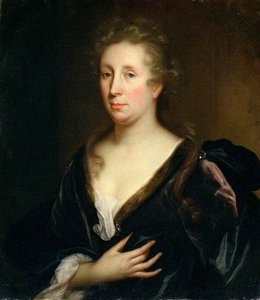
ラシェル・リュイス
1664 - 1750 , オランダ
基本情報
- Artistic Movement Or Style: 静物画、花卉画
- Artists Or Movements Influenced By This Artist: ['静物画家']
- Artists Who Influenced This Artist:
- ウィレム・ファン・アールスト
- オットー・マルセウス・ファン・シュリック
- Date Of Birth: 1664年6月3日
- Date Of Death: 1750年
- Full Name: ラーチェル・ルイス
- Nationality: オランダ
- Notable Artworks:
- 花のある静物画...
- 花のある静物画
- Place Of Birth: オランダ、アムステルダム
関連記事

黄金世紀の巨匠たち:バロック絵画が彩る10選|ArtsDot
オランダ黄金時代の10大傑作を紐解く!レンブラント、フェルメール…バロック絵画の魅力と時代背景を深く探求。ArtsDotで、至高のアートコレクションと空間演出のヒントを見つけよう。高品質なアートプリントで、お部屋を華やかに。
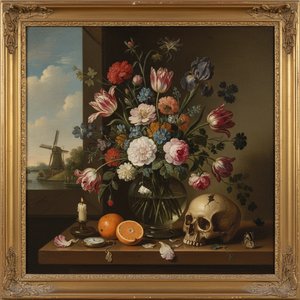
Jan Jansz Wijnants: A Study in Dutch Golden Age Still Life & Floral Transience
Explore the captivating world of Jan Wijnants and Dutch Golden Age still life painting. Discover symbolism, masterful techniques & lasting influence on floral art history. Learn more!

Golden Age Reflections: Dutch Baroque Painting & Cultural Innovation
Explore the Dutch Golden Age of painting! Discover key artists like Vermeer & ter Borch, their innovative techniques, and the rich cultural context behind these Baroque masterpieces. Learn about collecting & appreciating this iconic art period.

Illuminating Innovation: Exploring the Dutch Golden Age of Painting
Explore the Dutch Golden Age of painting with ArtsDot. Discover Rembrandt, Vermeer & other Masters. Learn about key characteristics, iconic artworks, and lasting influence. Expert insights for collectors & enthusiasts.
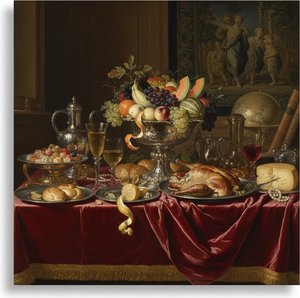
Abraham Hendricksz van Beyeren: Pioneering Dutch Still Life & the Banquet Tradition
Explore the captivating world of Dutch Golden Age still life with Abraham van Beyeren. Discover his innovative techniques, symbolic banquet scenes & lasting influence on art history. Learn about collecting these masterpieces.