

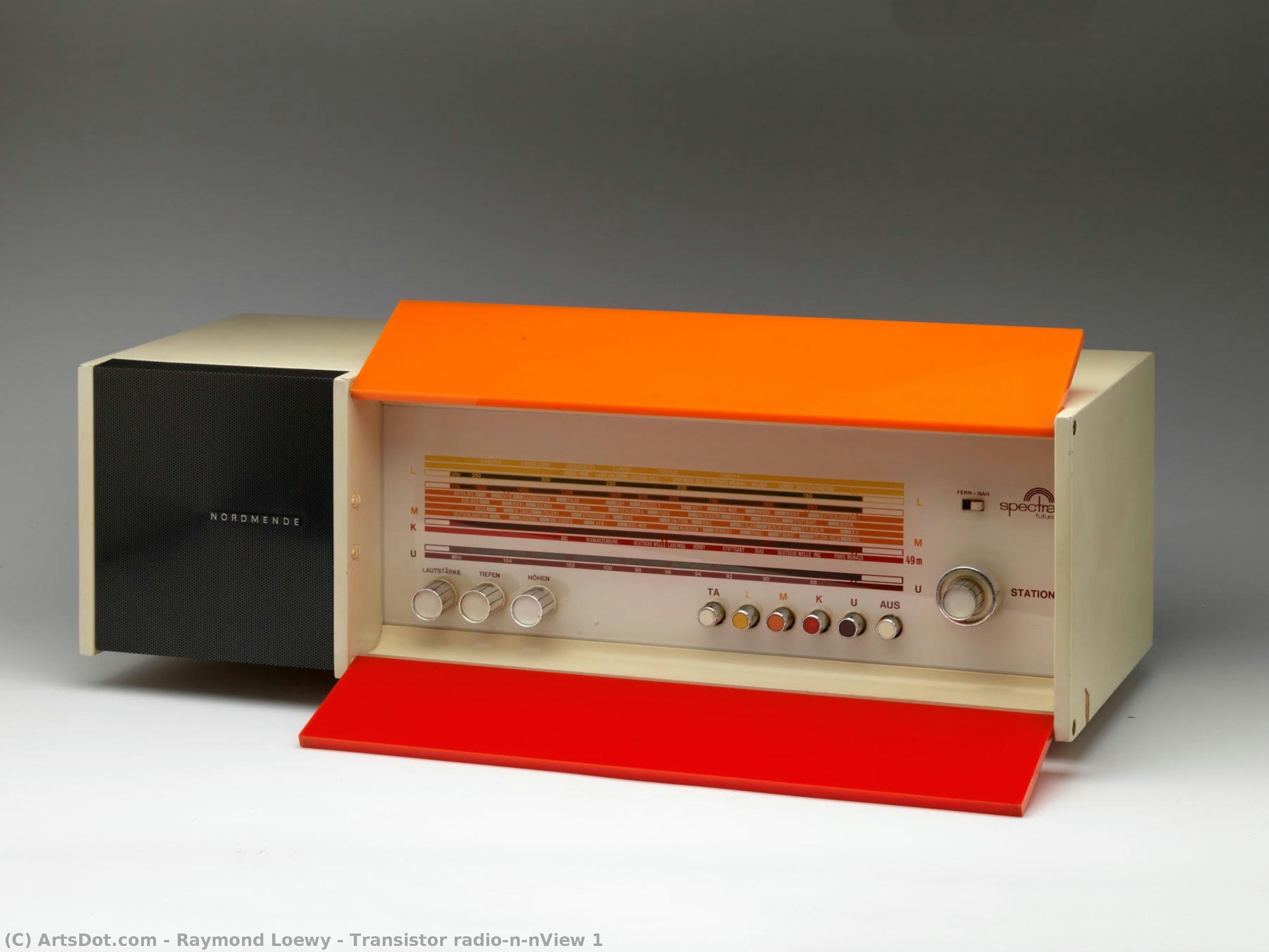
 プレビュー
プレビュー
 シェアする
シェアする シェアする
シェアする
 詳細を見る
詳細を見る

 ダウンロード
 似ている作品
 X線調査
X線調査 スライドショー
 統計情報
統計情報Transistor radio\n\nView 1
 1968
1968 20.0 x 58.0 cm
 NEMO Science Museum
 詳細を見る
詳細を見る
手描き油彩複製画
当社のアーティストが、お客様のご希望のサイズと額縁に合わせて、キャンバスに手描きで制作する油彩画です。 ( プリント版に切り替え デジタル画像販売へ切り替え)




































作品のオリジナル比率に合わせた、当店の規定サイズからお選びください。

特定のフレームやスペースに合わせて、ご希望のサイズをご入力いただけます。選択されたサイズが元の画像の比率と異なる場合、アートワークをトリミングするか、手描きで要素を追加して絵画を拡張いたします。デジタルモックアップ を制作し、制作開始前にご確認(承認)をいただきます。
画面上のプレビューは、実際のトリミングや拡張を正確に反映しているものではありません。最終的な構図は、モックアップによってのみ正確にご確認いただけます。
カスタムサイズもご利用いただけますが、元の比率を維持するためには、あらかじめ用意されたリストからサイズを選択することをお勧めいたします。
ご注文後、ArtsDot.com チームより詳細な指示をお送りするとともに、仕上がりイメージ(モックアップ)をご提供いたします。


 ガラスオプションは、110cm未満のサイズでのみご利用いただけます。

Transistor radio\n\nView 1
複製技法
複製画のサイズ
-


合計金額
$ 263
関連作品









アーティストの略歴
The Architect of Modern Aesthetics
Born in the heart of Paris on November 5, 1893, Raymond Loewy emerged as a figure whose vision would eventually transcend borders and redefine the very fabric of twentieth-century life. His journey began with a profound fascination for the intersection of engineering and art, a passion nurtured through his studies at the École Supérieure des Beaux-Arts. This rigorous foundation in classical aesthetics, paired with a natural aptitude for technical precision, allowed him to approach design not merely as decoration, but as a vital component of human progress. Before the world knew him as the "father of industrial design," Loewy’s early years were marked by the grit of the First World War, where his service in the French engineering corps instilled in him a disciplined understanding of structure and utility that would later become the hallmark of his professional philosophy.
Emigrating to the United States in 1919, Loewy brought with him a uniquely European sensibility—a blend of Gallic elegance and an enterprising spirit that found fertile ground in the burgeoning American market. His early career in New York saw him working as a window dresser for prestigious institutions like Macy’s and contributing illustrations to iconic fashion publications such as Vogue and Harper's Bazaar. These formative experiences in visual storytelling and commercial allure were crucial; they taught him how to capture the public imagination through imagery. It was during this period that he began to master the art of the "visual hook," a skill that would later allow him to transform mundane household objects into symbols of modern aspiration.
The Philosophy of Streamline Moderne
As the 1920s gave way to a new era of technological acceleration, Loewy became a primary architect of the Streamline Moderne movement. Rejecting the heavy, ornate clutter of previous decades, he championed a philosophy of aerodynamic grace and simplified forms. He believed that design should be "Most Advanced Yet Acceptable," a principle that sought to balance cutting-edge innovation with a sense of familiarity and comfort for the consumer. His work was characterized by smooth curves, sweeping lines, and an intentional reduction of extraneous detail, creating a visual language that suggested speed, efficiency, and the promise of the future.
This aesthetic revolution was not merely about style; it was about the psychological impact of the objects we inhabit. Loewy understood that a well-designed object could elevate the daily experience of the common person. Whether he was redesigning the Gestetner duplicating machine—the project that launched his independent consultancy in 1929—or shaping the sleek silhouettes of locomotives for the Pennsylvania Railroad, his goal remained consistent: to create products that felt both inevitable and beautiful. His ability to infuse industrial machinery with a sense of motion and elegance helped transition industrial design from a niche technical concern into a powerful driver of global economic interest.
A Legacy Written in Steel and Chrome
The sheer magnitude of Loewy’s impact on the visual landscape of the twentieth century is nearly impossible to overstate. His portfolio reads like a catalog of modern history, spanning from the domestic to the cosmic. He was the hand behind some of the most recognizable icons of American consumer culture, including:
- Corporate Identity: The creation of enduring logos for giants such as Shell, Exxon, BP, and the U.S. Postal Service, establishing the foundations of modern branding.
- Transportation: The aerodynamic mastery seen in the Greyhound Scenicruiser interiors, Studebaker automobiles, and the sleek livery of Air Force One.
- Domestic Life: The transformation of everyday appliances, most notably the Sears Coldspot refrigerator, which brought a sense of futuristic luxury into the modern kitchen.
- Aerospace and Exploration: His contributions to the interiors of NASA’s Apollo and Skylab missions, bridging the gap between Earthly design and the frontiers of space.
By the time he became the first designer to grace the cover of Time magazine in 1949, Raymond Loewy had fundamentally altered the relationship between humanity and the manufactured world. He did not simply create products; he created an era. His work remains a testament to the idea that functionality does not require the sacrifice of beauty, and that through thoughtful design, we can make the daily life of the modern age more profound, more efficient, and infinitely more beautiful.
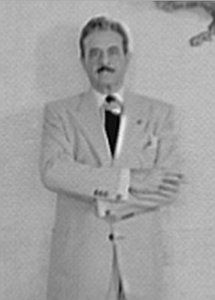
raymond loewy
1893 - 1986 , France
基本情報
- Artistic Movement Or Style: Streamline Moderne
- Artists Or Movements Influenced By This Artist: ['Art Deco design']
- Artists Who Influenced This Artist:
- Henry Dreyfuss
- Norman Bel Geddes
- Date Of Birth: November 5, 1893
- Date Of Death: July 14, 1986
- Full Name: Raymond Loewy
- Nationality: French-American
- Notable Artworks:
- Shell Logo
- Exxon Logo
- BP Logo
- Greyhound Scenicruiser interior
- Place Of Birth: Paris, France