

 プレビュー
プレビュー
 シェアする
シェアする シェアする
シェアする
 詳細を見る
詳細を見る

 ダウンロード
 似ている作品
 X線調査
X線調査 スライドショー
 統計情報
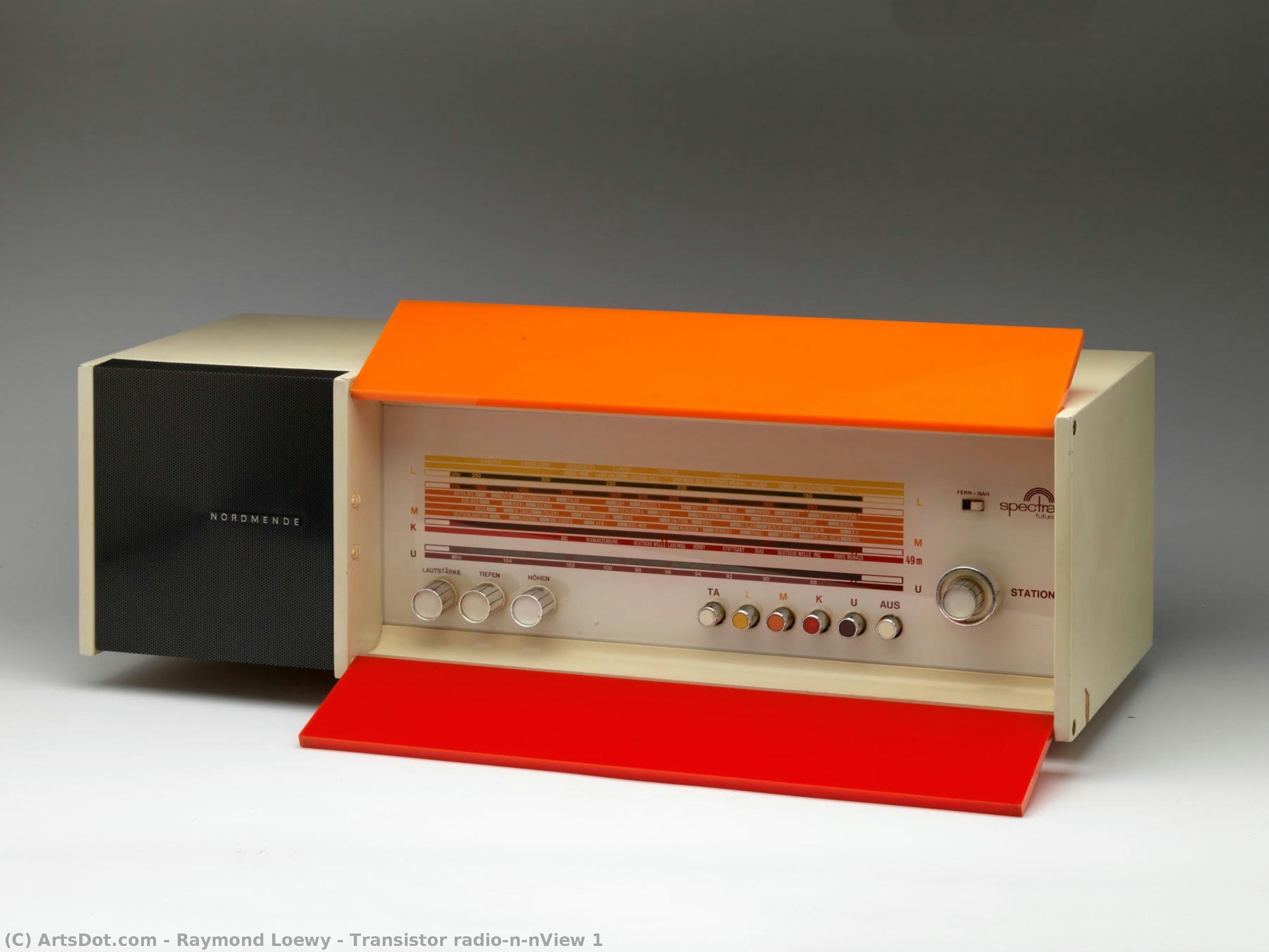
統計情報Transistor radio\n\nView 1
 1968
1968 20.0 x 58.0 cm
 NEMO Science Museum
 詳細を見る
詳細を見る
オンラインプレビューをはるかに凌ぐ、高解像度で鮮明なデジタル画像をご購入いただけます。
各ファイルは、社内の専門家が高度なツールと熟練した手作業によるレタッチを用いて、細心の注意を払って準備されています。すべての画像において、卓越した鮮明度、正確な色彩再現性、そして繊細なディテールを保証いたします。
最終ファイルは、プロフェッショナルな編集・印刷環境ですぐにご利用いただけるよう最適化された状態で、72時間以内にメールにてお届けいたします。これは、一流のデザインスタジオ、出版社、ギャラリーから信頼されているものと同等の品質です。
デジタルアート
個人での鑑賞、印刷、クリエイティブなプロジェクト用に、高解像度ファイルをダウンロードできます。 ( プリント版に切り替え 手描きの絵画を購入)
デジタル画像のご注文に付随する特典
高品質なデジタル画像配信を、確かな品質で。
ArtsDot.com を選ぶことは、単に画像を手に入れることではありません。それは、プロの手によって精密に仕上げられ、満足保証が付いた高品質なデジタルアートワークを受け取ることを意味します。ご注文いただいた際に自動的に付随する内容は、以下の通りです:

メールですぐにお届け
ご注文から72時間以内に、高解像度のデジタル画像ファイルがメールでお手元に届きます。すぐにそのままご利用いただけます。

AI技術で最適化されたデジタルファイル
お客様の作品は、高度なAIツールと専門家による手作業の編集を組み合わせてプロフェッショナルに最適化されており、細部のディテール、鮮明さ、そして正確な色再現性を最大限に引き出しています。

一生涯無料の再送サービス
ファイルを誤って削除したり、紛失してしまったりしましたか?ご安心ください。いつでも無料で再送いたします。

輸入手数料は一切かかりません
関税や手数料、配送料を気にすることなく、お気に入りのアートワークをすぐにお楽しみいただけます。デジタルダウンロードは常に免税です。

色彩再現の保証
プロ仕様のツールとカラーマネジメント技術を用いることで、デジタル画像が元の色を最大限に忠実に再現することを保証いたします。

100日間満足保証
ご購入いただいたデジタル画像にご満足いただけない場合は、100日以内であれば、理由を問わず修正または100%の返金対応をさせていただきます。

100% 返金保証
ご満足いただけない場合は、デジタルファイルを受け取ってから100日以内であれば、理由を問わず全額返金いたします。

まとめ買い割引
3枚購入で10%OFF - 5枚購入で15%OFF - 10枚以上購入で20%OFF。クリエイティブなプロジェクト、ギャラリー、エージェンシーに最適です。
関連作品









作家の略歴
The Architect of Modern Aesthetics
Born in the heart of Paris on November 5, 1893, Raymond Loewy emerged as a figure whose vision would eventually transcend borders and redefine the very fabric of twentieth-century life. His journey began with a profound fascination for the intersection of engineering and art, a passion nurtured through his studies at the École Supérieure des Beaux-Arts. This rigorous foundation in classical aesthetics, paired with a natural aptitude for technical precision, allowed him to approach design not merely as decoration, but as a vital component of human progress. Before the world knew him as the "father of industrial design," Loewy’s early years were marked by the grit of the First World War, where his service in the French engineering corps instilled in him a disciplined understanding of structure and utility that would later become the hallmark of his professional philosophy.
Emigrating to the United States in 1919, Loewy brought with him a uniquely European sensibility—a blend of Gallic elegance and an enterprising spirit that found fertile ground in the burgeoning American market. His early career in New York saw him working as a window dresser for prestigious institutions like Macy’s and contributing illustrations to iconic fashion publications such as Vogue and Harper's Bazaar. These formative experiences in visual storytelling and commercial allure were crucial; they taught him how to capture the public imagination through imagery. It was during this period that he began to master the art of the "visual hook," a skill that would later allow him to transform mundane household objects into symbols of modern aspiration.
The Philosophy of Streamline Moderne
As the 1920s gave way to a new era of technological acceleration, Loewy became a primary architect of the Streamline Moderne movement. Rejecting the heavy, ornate clutter of previous decades, he championed a philosophy of aerodynamic grace and simplified forms. He believed that design should be "Most Advanced Yet Acceptable," a principle that sought to balance cutting-edge innovation with a sense of familiarity and comfort for the consumer. His work was characterized by smooth curves, sweeping lines, and an intentional reduction of extraneous detail, creating a visual language that suggested speed, efficiency, and the promise of the future.
This aesthetic revolution was not merely about style; it was about the psychological impact of the objects we inhabit. Loewy understood that a well-designed object could elevate the daily experience of the common person. Whether he was redesigning the Gestetner duplicating machine—the project that launched his independent consultancy in 1929—or shaping the sleek silhouettes of locomotives for the Pennsylvania Railroad, his goal remained consistent: to create products that felt both inevitable and beautiful. His ability to infuse industrial machinery with a sense of motion and elegance helped transition industrial design from a niche technical concern into a powerful driver of global economic interest.
A Legacy Written in Steel and Chrome
The sheer magnitude of Loewy’s impact on the visual landscape of the twentieth century is nearly impossible to overstate. His portfolio reads like a catalog of modern history, spanning from the domestic to the cosmic. He was the hand behind some of the most recognizable icons of American consumer culture, including:
- Corporate Identity: The creation of enduring logos for giants such as Shell, Exxon, BP, and the U.S. Postal Service, establishing the foundations of modern branding.
- Transportation: The aerodynamic mastery seen in the Greyhound Scenicruiser interiors, Studebaker automobiles, and the sleek livery of Air Force One.
- Domestic Life: The transformation of everyday appliances, most notably the Sears Coldspot refrigerator, which brought a sense of futuristic luxury into the modern kitchen.
- Aerospace and Exploration: His contributions to the interiors of NASA’s Apollo and Skylab missions, bridging the gap between Earthly design and the frontiers of space.
By the time he became the first designer to grace the cover of Time magazine in 1949, Raymond Loewy had fundamentally altered the relationship between humanity and the manufactured world. He did not simply create products; he created an era. His work remains a testament to the idea that functionality does not require the sacrifice of beauty, and that through thoughtful design, we can make the daily life of the modern age more profound, more efficient, and infinitely more beautiful.
raymond loewy
1893 - 1986 , France
プロフィール概要
- Artistic Movement Or Style: Streamline Moderne
- Artists Or Movements Influenced By This Artist: ['Art Deco design']
- Artists Who Influenced This Artist:
- Henry Dreyfuss
- Norman Bel Geddes
- Date Of Birth: November 5, 1893
- Date Of Death: July 14, 1986
- Full Name: Raymond Loewy
- Nationality: French-American
- Notable Artworks:
- Shell Logo
- Exxon Logo
- BP Logo
- Greyhound Scenicruiser interior
- Place Of Birth: Paris, France