

 プレビュー
プレビュー
 プリントを購入
 シェアする
シェアする シェアする
シェアする
 詳細を見る
詳細を見る

 ダウンロード
 似ている作品
 X線調査
X線調査 スライドショー
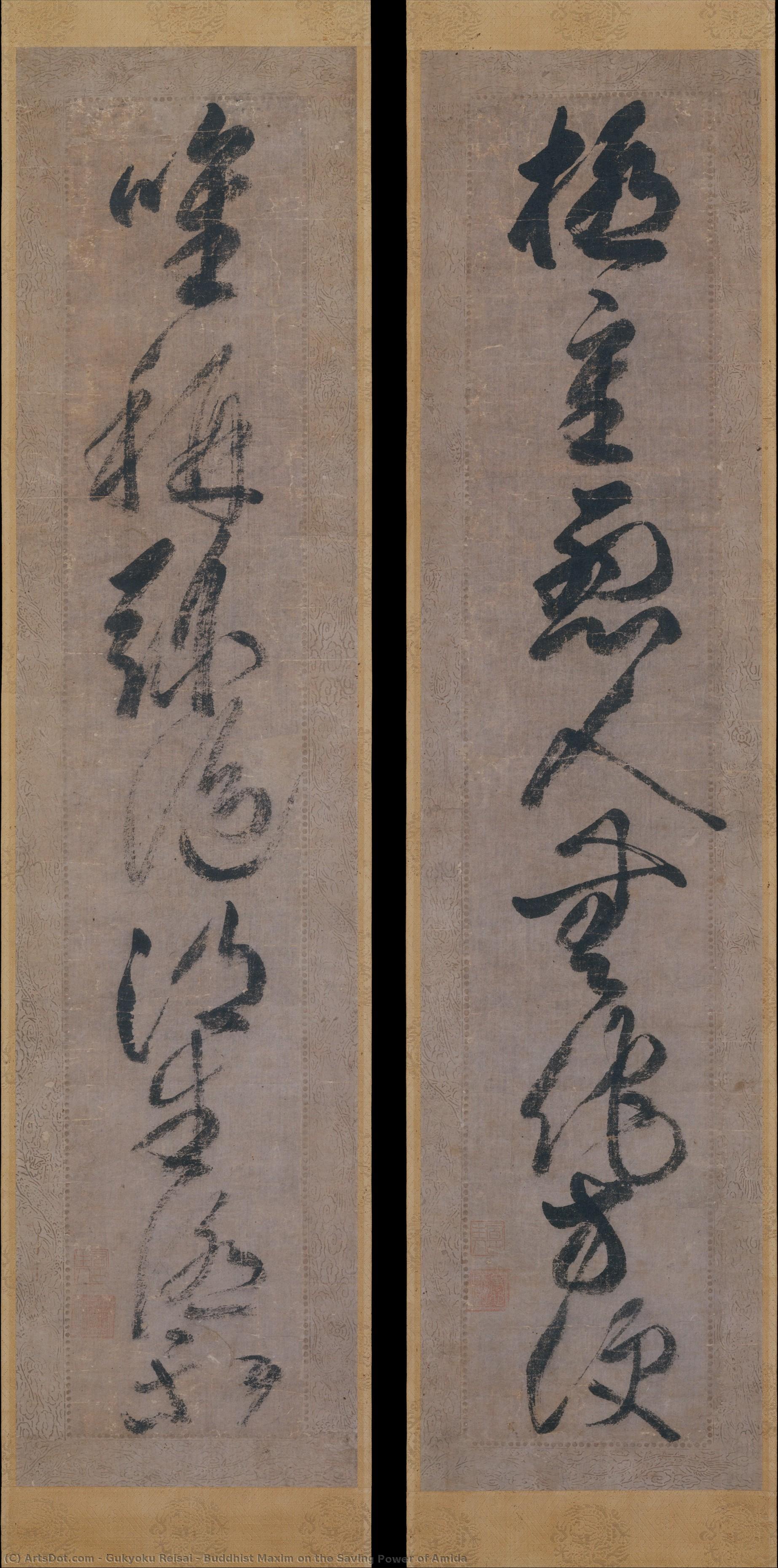
Buddhist Maxim on the Saving Power of Amida
 401
401 93.0cm x 22.0cm
 詳細を見る
詳細を見る
オンラインプレビューをはるかに凌ぐ、高解像度で鮮明なデジタル画像をご購入いただけます。
各ファイルは、社内の専門家が高度なツールと熟練した手作業によるレタッチを用いて、細心の注意を払って準備されています。すべての画像において、卓越した鮮明度、正確な色彩再現性、そして繊細なディテールを保証いたします。
最終ファイルは、プロフェッショナルな編集・印刷環境ですぐにご利用いただけるよう最適化された状態で、72時間以内にメールにてお届けいたします。これは、一流のデザインスタジオ、出版社、ギャラリーから信頼されているものと同等の品質です。
デジタル画像のご注文に付随する特典
高品質なデジタル画像配信を、確かな品質で。
ArtsDot.com を選ぶことは、単に画像を手に入れることではありません。それは、プロの手によって精密に仕上げられ、満足保証が付いた高品質なデジタルアートワークを受け取ることを意味します。ご注文いただいた際に自動的に付随する内容は、以下の通りです:

メールですぐにお届け
ご注文から72時間以内に、高解像度のデジタル画像ファイルがメールでお手元に届きます。すぐにそのままご利用いただけます。

AI技術で最適化されたデジタルファイル
お客様の作品は、高度なAIツールと専門家による手作業の編集を組み合わせてプロフェッショナルに最適化されており、細部のディテール、鮮明さ、そして正確な色再現性を最大限に引き出しています。

一生涯無料の再送サービス
ファイルを誤って削除したり、紛失してしまったりしましたか?ご安心ください。いつでも無料で再送いたします。

輸入手数料は一切かかりません
関税や手数料、配送料を気にすることなく、お気に入りのアートワークをすぐにお楽しみいただけます。デジタルダウンロードは常に免税です。

色彩再現の保証
プロ仕様のツールとカラーマネジメント技術を用いることで、デジタル画像が元の色を最大限に忠実に再現することを保証いたします。

60日間満足保証
ご購入いただいたデジタル画像にご満足いただけない場合は、60日以内であれば、修正または100%の返金(理由を問う必要はありません)をさせていただきます。

100% 返金保証
ご満足いただけない場合は、デジタルファイルを受け取ってから60日以内であれば、理由を問わず全額返金いたします。

まとめ買い割引
3枚購入で10%OFF - 5枚購入で15%OFF - 10枚以上購入で20%OFF。クリエイティブなプロジェクト、ギャラリー、エージェンシーに最適です。
作品の詳細
関連作品










作家の略歴
The Silent Brush of Zen: The Life and Legacy of Reisai Gukyoku
In the quiet corridors of Japan’s Muromachi period, where the spiritual and the aesthetic were inextricably linked, the figure of Reisai Gukyostu emerges as a profound voice of meditative stillness. A Japanese Buddhist monk-painter active during the late 14th and early 15th centuries, Gukyoku did not merely create art; he practiced a form of visual prayer. His life, though partially veiled by the mists of monastic anonymity, was deeply embedded in the most significant spiritual centers of his era. Born in the Yamashiro Province—the heart of modern-day Kyoto—he moved through the prestigious landscapes of Kencho-ji in Kamakura and Nanzen-ji in Kyoto, eventually rising to lead the venerable Tofuku-ji temple. This journey through the great Zen bastions provided him with more than just a religious education; it offered a profound immersion into the Rinzai Zen tradition, which would become the very soul of his brushwork.
The artistry of Gukyoku was an extension of his monastic discipline, characterized by a rejection of the superfluous in favor of the essential. As a skilled calligrapher and painter of Buddhist subjects, he mastered the art of conveying complex theological truths through remarkably restrained movements. His technique often utilized rapid, ink-driven brushstrokes to capture the divine essence of figures such as Tenjin and Monju. In these works, there is no room for ornamentation; instead, the viewer encounters a directness that mirrors the Zen pursuit of sudden enlightenment. His mastery extended to the creation of hengaku—horizontal wooden plaques—which were so highly regarded for their spiritual potency that they were sought after as talismans believed to ward off fire, embodying the belief that his very calligraphy held protective, sacred power.
A Tapestry of Ink and Spirit
To observe a work by Gukyoku is to witness a dialogue between the hand and the void. His contributions to the genres of scroll painting and calligraphy represent a pinnacle of Zen expression, where every stroke carries the weight of intention. He often engaged in deep intellectual and spiritual exchanges with his contemporaries, such as the priest Zuikei Shuho, discussing the nuances of Buddhist literature and the profound paradoxes found within koans. This scholarly depth is reflected in his more complex compositions, such as his celebrated folding screens featuring Chinese poetry. In these pieces, the calligraphy does not merely sit upon the surface; it breathes with the rhythm of the poem, using large, commanding characters to evoke the rigorous training and sudden awakenings described in the lives of Zen masters like Linji Yixuan.
The historical significance of Reisai Gukyoku lies in his ability to translate the intangible principles of shikantaza—the practice of "just sitting"—into a visual language. While other artists of the era might have pursued more flamboyant or decorative styles, Gukyoku remained committed to an aesthetic of understated elegance and spiritual clarity. His legacy is found in the way his ink captures the concept of impermanence and the beauty of the unadorned. Through his disciplined use of monochrome ink and his focus on the spiritual weight of the character, he helped define a period of Japanese art where the ultimate goal was not to depict the world as it appears to the eye, but as it is experienced by the awakened mind.
reisai gukyoku
1363 - 1452 , Japan
プロフィール概要
- Artistic Movement Or Style: Zen buddhism art
- Date Of Birth: 1363
- Full Name: reisai gukyoku
- Nationality: Japanese
- Notable Artworks:
- Fenggan, Hanshan, and Shide
- Buddhist Maxim on the Saving Power of Amida
- Place Of Birth: Yamashiro, Japan

