 プレビュー
プレビュー
 プリントを購入
 シェアする
シェアする シェアする
シェアする
 詳細を見る
詳細を見る

 ダウンロード
 似ている作品
 X線調査
X線調査 スライドショー
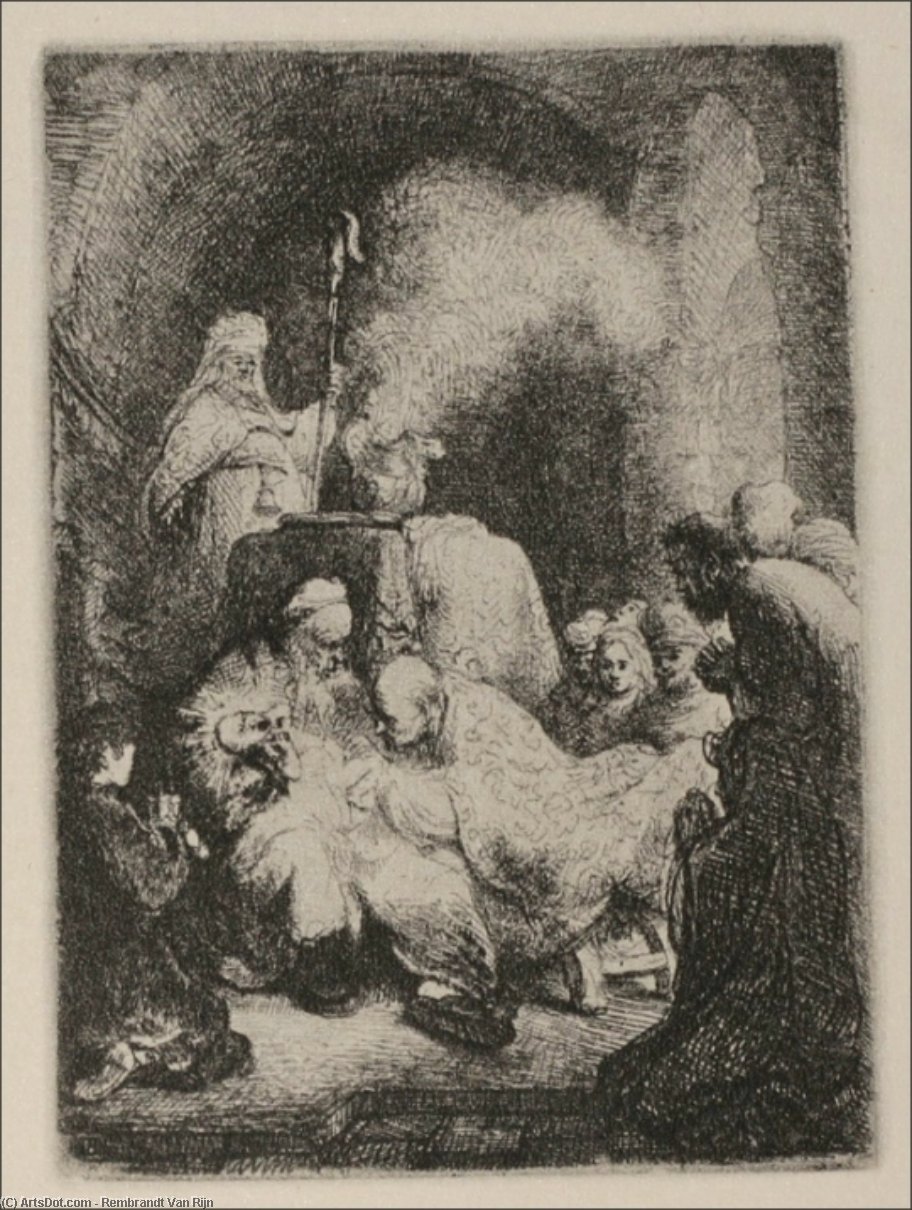
The Circumcision

 詳細を見る
詳細を見る




P118B $10

P118H $10

P118W $10

P438Z $10

P508JH $12

P508YH $12

P805H $10

P805Z $10

P919BZ $10

P919G $10

P919XJ $10

P959ZH $10

P968JZ $12

W106C $8

W218G $10

W218JH $8

W218Y $10

W307PJ $10

W316G $10

W316PJ $8

W316Y $10

W398PJ $8

W4111J $10

W500HY $15

W500JH $15

W692G $12

W849H $8

W940BG $15

W953PJ $8




作品のオリジナル比率に合わせた、当店の規定サイズからお選びください。

特定のフレームやスペースに合わせて、ご希望のサイズをご入力いただけます。選択されたサイズが元の画像の比率と異なる場合、アートワークをトリミングするか、手描きで要素を追加して絵画を拡張いたします。デジタルモックアップ を制作し、制作開始前にご確認(承認)をいただきます。
画面上のプレビューは、実際のトリミングや拡張を正確に反映しているものではありません。最終的な構図は、モックアップによってのみ正確にご確認いただけます。
カスタムサイズもご利用いただけますが、元の比率を維持するためには、あらかじめ用意されたリストからサイズを選択することをお勧めいたします。
ご注文後、ArtsDot.com チームより詳細な指示をお送りするとともに、仕上がりイメージ(モックアップ)をご提供いたします。


 ガラスオプションは、110cm未満のサイズでのみご利用いただけます。

The Circumcision
複製技法
複製画のサイズ
-


合計金額
$ 263
作品解説
A Window into Faith and Intimacy: Rembrandt’s ‘The Circumcision’
Rembrandt Harmenszoon van Rijn's “The Circumcision,” painted circa 1642, stands as a testament to the artist’s unparalleled ability to convey profound emotion through masterful chiaroscuro—the dramatic interplay of light and shadow—a technique that defines his oeuvre and cemented his legacy as one of the greatest painters of all time. This monumental portrait captures a pivotal moment in Jewish tradition: the ritual circumcision ceremony, depicted with meticulous detail within Rembrandt's Leiden studio. The scene unfolds with an understated grandeur, focusing on the central figure – a man receiving the rite – surrounded by a group of observers whose expressions reveal a spectrum of emotions ranging from solemn contemplation to quiet reverence.The Artist’s Vision: Technique and Style
Rembrandt’s artistic approach was revolutionary for his era. He eschewed idealized representations favored by many contemporaries, opting instead for realism that prioritized psychological depth over mere visual accuracy. The painting exemplifies his signature style—characterized by loose brushstrokes layered upon one another to create a textured surface and an illusion of palpable atmosphere. Notice how Rembrandt skillfully utilizes light to sculpt the forms of the figures, highlighting their faces and hands while plunging much of the background into darkness. This technique isn’t merely decorative; it serves as a conduit for conveying inner feelings—the vulnerability of the initiate, the solemnity of the occasion, and the quiet dignity of those witnessing the ceremony. The muted palette contributes to this mood, reinforcing the contemplative atmosphere.Historical Context: Rembrandt's Leiden Workshop
Painted during Rembrandt’s formative years in Leiden, “The Circumcision” reflects the intellectual ferment of the Dutch Golden Age—a period marked by burgeoning humanist thought and a renewed interest in biblical narratives. Rembrandt’s studio was a hub of artistic experimentation and debate, where he engaged with fellow artists and scholars to push the boundaries of artistic convention. The commission itself speaks volumes about the artist's engagement with religious piety and his desire to portray human experience with unflinching honesty. Leiden at the time was experiencing significant growth as a center for trade and learning, fostering an environment conducive to artistic innovation. Rembrandt’s depiction aligns perfectly with this cultural landscape.Symbolism: Light, Shadow, and Spiritual Reflection
Beyond its visual splendor, “The Circumcision” is laden with symbolic significance. The pervasive darkness symbolizes the unknown realm of faith—the challenges faced by those seeking spiritual enlightenment. Conversely, the carefully positioned light illuminates the central figure’s face, emphasizing his gaze and conveying a sense of inner contemplation. This deliberate use of illumination underscores Rembrandt's belief that art could serve as a vehicle for exploring profound philosophical questions. The inclusion of a cask or vase in the background adds to this visual richness, subtly hinting at earthly concerns juxtaposed against the spiritual drama unfolding before us—a masterful compositional choice that reinforces the painting’s overarching theme: the intersection between human experience and divine grace.Emotional Resonance: A Portrait of Quiet Reverence
Ultimately, “The Circumcision” succeeds in capturing a moment of profound emotional resonance. Rembrandt doesn't offer grand pronouncements or dramatic gestures; instead, he presents us with an intimate portrayal of human vulnerability and spiritual contemplation. The faces of the observers are etched with expressions of solemnity and reverence—a testament to the enduring power of ritual and tradition. Viewing this reproduction allows one to appreciate not only Rembrandt’s technical brilliance but also his profound understanding of the human condition—a legacy that continues to inspire artists and collectors alike.関連作品

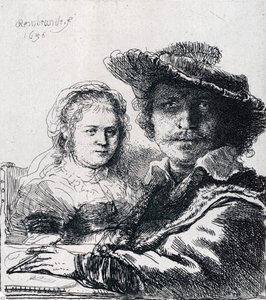
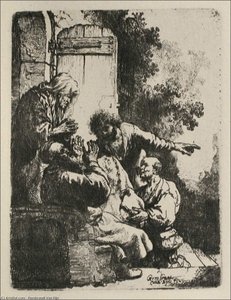
アーティストの略歴
光と影の巨匠:レンブラント・ファン・ライエンの世界
レンブラント・ファン・ライエン。その名は、オランダ黄金時代の芸術的輝きを象徴する言葉であり、光と影の魔術師として、西洋美術史に永遠に刻まれた天才の名です。1606年7月15日、北ネーデルラント連邦共和国の台頭期にあったライデンで生まれました。父は製粉業を営むハルメン・ゲルリツォン・ファン・ライエン、母はパン職人の娘ネールトゲン・ヴィレムスドゥヒテルという家庭環境に育ちました。幼少期から芸術的才能を発揮し、ラテン語学校で学んだ後、絵画の道へ進みます。まず地元のヤコブ・ファン・スワネブルクのもとで基礎を学び、その後、アムステルダムでピーター・ラストマンに師事します。ラストマンの劇的な光の使い方や歴史的場面の描写は、若いレンブラントの心に強い印象を与え、その後の芸術的探求の方向性を決定づけることになります。ライデンでの成功とアムステルダムへの飛躍
レンブラントは、地元ライデンにおいて早くから歴史画や肖像画で才能を認められ、人物の内面を深く捉える能力を示しました。1629年には、詩人であり外交官であったコンスタンティーン・フイヘンスの庇護を受け、その名声は高まり、より広範な顧客を獲得するようになります。そして1631年、レンブラントは新たな可能性を求めてアムステルダムへと移住します。商業と文化の中心地であるアムステルダムでは、肖像画家としての才能がすぐに求められ、富裕層からの依頼が後を絶ちません。1634年には、名門の娘サスキア・ファン・ウイレンブルフとの結婚は、彼の社会的地位を高めるとともに、経済的な安定をもたらし、より大規模なプロジェクトに挑戦する基盤となりました。しかし、この幸福も長くは続かず、サスキアの早すぎる死は、レンブラントの人生に深い影を落とすことになります。巨匠の進化:様式と技法
レンブラントの芸術的探求は、絶え間ない実験と深遠な進化によって彩られています。彼は理想化された美の追求から離れ、現実主義と感情表現を重視した描写へと向かいます。1625年から1635年頃までの初期には、緻密な細部描写とピーター・ラストマンの影響が見られますが、1630年代から1650年代にかけての成熟期に、レンブラントは真価を発揮します。この時期に顕著になったのが、「キアロスクーロ」と呼ばれる光と影の劇的な対比です。彼は単に光を描写するだけでなく、光を使って形を彫刻し、雰囲気を作り出し、被写体の内面世界を浮き彫りにしました。また、筆致もより自由で表現豊かになり、質感や感情、そして瞬間の迫力を伝えます。1650年代以降の晩年は、抑制された色彩と、個人的な苦悩や精神的な探求を反映した親密な肖像画や聖書物語が中心となります。これらの作品は、深遠な内省と人間の存在の複雑さへの向き合いが感じられます。不朽の名作と芸術史への貢献
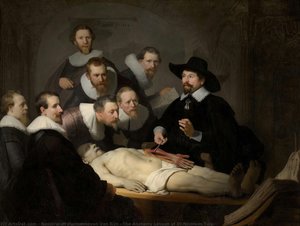
レンブラントの遺産には、時代を超えて観る人々を魅了し続ける傑作が数多く存在します。『トゥルプ博士の解剖学講義』(1632年)は、革新的な構図と人物の内面描写によって、肖像画のジャンルに新たな地平を開きました。また、『バアルの宴会』(1635年)は、光、影、構成の巧みな融合により、聖書の物語を劇的に表現しています。そして、彼の最も有名な作品の一つである『夜警』(1642年)、正式名称は『コック船長の民兵隊』は、ダイナミックな構図と革新的な照明効果によって、集団肖像画の概念を覆しました。これらの大作に加え、約40点に及ぶ自画像群は、彼の加齢の過程と芸術的探求の軌跡を記録した貴重な資料であり、天才の精神世界への窓を開きます。また、版画技術においても革新をもたらし、線描と陰影の巧みな使い分けによって、版画を美術の領域へと高めました。レンブラントの影響は、彼の時代を超え、後世の画家、版画家、そしてドローイング作家たちに多大な影響を与えました。黄金時代の鏡
レンブラントの作品は、オランダ黄金時代の精神と不可分です。この時代を特徴づける経済的繁栄、知的活力、そして前例のない芸術的革新を、彼はその作品を通して鮮やかに捉えています。市民の肖像画、宗教的なテーマを描いた聖書物語、普遍的な人間の感情を探求する作品群は、当時の社会と文化を反映しています。レンブラントの人生—成功、苦難、そして揺るぎない芸術への献身—は、魅力的な物語として語り継がれています。彼は周囲の世界を単に記録していたのではなく、自身の経験と洞察を通して解釈していたのです。 レンブラントの影響は計り知れず、後世の芸術家たちに光、影、そして心理的リアリズムの力を探求するよう促しました。彼の作品は今もなお世界中の美術館や個人のコレクションで展示され、観る人々を深く感動させ続けています。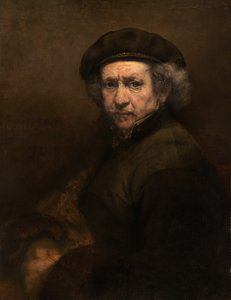
レンブラント・ファン・レイン
1606 - 1669 , オランダ
基本情報
- フルネーム: レンブラント・ファン・レイン
- 主な作品:
- 解剖学のレッスン
- 夜警
- ベルシャザールの宴
- 出生地: ライデン(オランダ)
- 国籍: オランダ
- 影響を与えた芸術家: ['後世の画家多数']
- 影響を受けた芸術家:
- ティツィアーノ
- カラヴァッジョ
- ピーテル・ラストマン
- 没年月日: 1669年10月4日
- 生年月日: 1606年7月15日
- 芸術運動: バロック絵画
関連記事

レンブラント傑作25選:光と影の巨匠、魂を揺さぶる名画の世界 | ArtsDot
レンブラントの傑作25選。光と影の魔術師が描いた魂を揺さぶる名画の世界へ。美術史に残る自画像、夜警、宗教画…ArtsDotで高品質なアートプリントやインテリアアートをお楽しみください。コレクションはこちら→

黄金世紀の巨匠たち:バロック絵画が彩る10選|ArtsDot
オランダ黄金時代の10大傑作を紐解く!レンブラント、フェルメール…バロック絵画の魅力と時代背景を深く探求。ArtsDotで、至高のアートコレクションと空間演出のヒントを見つけよう。高品質なアートプリントで、お部屋を華やかに。

Dutch Baroque Masters: 10 Paintings That Shaped an Era | ArtsDot
Journey through the Golden Age with our guide to the Top 10 Dutch Baroque masterpieces! Explore iconic paintings by Rembrandt, Vermeer & Frans Hals. Find museum-quality art reproductions and elevate your home decor at ArtsDot.com.
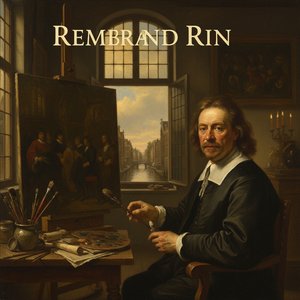
Rembrandt van Rijn: A Life Illuminated – Innovation, Emotion, and the Dutch Golden Age
Explore the life & art of Rembrandt van Rijn, a Dutch Golden Age master. Discover his innovative techniques, iconic paintings like 'The Night Watch', and enduring legacy. Expert insights for collectors & enthusiasts.

Illuminating Innovation: Exploring the Dutch Golden Age of Painting
Explore the Dutch Golden Age of painting with ArtsDot. Discover Rembrandt, Vermeer & other Masters. Learn about key characteristics, iconic artworks, and lasting influence. Expert insights for collectors & enthusiasts.
![トルプ医師の解剖学講座 [1632]](/media/artworks/images-thumb/e5/fc/e5fcb33447eac6b24ab049b22effa1a3.jpg)