

 プレビュー
プレビュー
 シェアする
シェアする シェアする
シェアする
 詳細を見る
詳細を見る

 ダウンロード
 似ている作品
 X線調査
X線調査 スライドショー
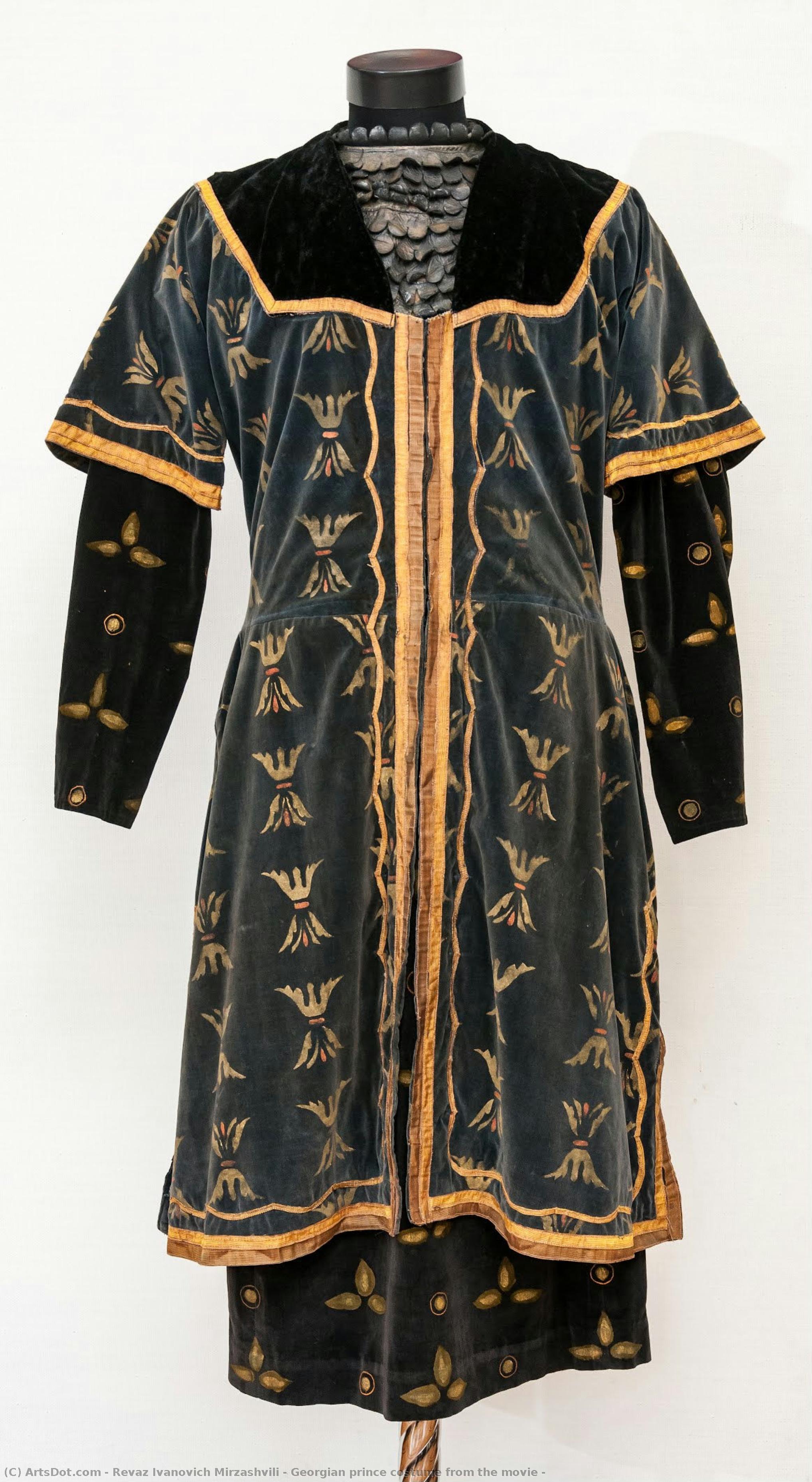
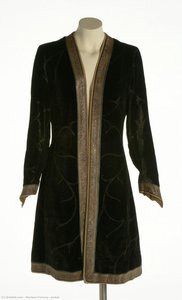
Georgian prince costume from the movie


 詳細を見る
詳細を見る
ジークレー/アートプリント
迅速な制作と多彩な仕上げオプションを備えた、ミュージアムクオリティのジークレーまたはキャンバスプリント。 ( 手描きの絵画を購入 画像を購入)




































作品のオリジナル比率に合わせた、当店の規定サイズからお選びください。

特定のフレームやスペースに合わせて、ご自身でサイズを指定することも可能です。選択されたサイズが元の画像の比率と一致しない場合、作品をトリミングするか、鏡面反射または単色での塗りつぶしによって画像を拡張いたします。制作を開始する前に、ご確認用のデジタルモックアップをお送りいたします。
画面上のプレビューには、実際のトリミングや拡張は反映されませんのでご注意ください。最終的な構図を正確に確認できるのは、モックアップのみとなります。
カスタムサイズも承っておりますが、元の比率を維持するためには、あらかじめ用意されたリストからサイズを選択することをお勧めいたします。


 ガラスオプションは、110cm未満のサイズでのみご利用いただけます。

Georgian prince costume from the movie
ジークレー/アートプリント
複製画のサイズ
-


合計金額
$ 62
関連作品





アーティストの略歴
Henri de Toulouse-Lautrec: A Life Painted in Shadow and Light
Henri de Toulouse-Lautrec (1864–1901) remains one of the most captivating figures in late nineteenth-century Parisian art. More than just a painter, he was an artist inextricably linked to his own life—a brooding aristocrat grappling with physical deformity, alcoholism, and a profound fascination with the marginalized corners of society. His work, initially dismissed as bohemian eccentricity, now stands as a cornerstone of modernism, influencing generations of artists with its raw emotion, unconventional subject matter, and groundbreaking use of printmaking. Born into privilege but burdened by a genetic condition that stunted his growth and caused chronic pain, Lautrec’s life was a complex tapestry woven from artistic ambition, personal struggle, and the vibrant, often scandalous, nightlife of Montmartre.
Lautrec's early years were shaped by a delicate balance between aristocratic upbringing and physical limitations. Born into a family with a history of consanguinity—his parents were first cousins—he inherited a genetic condition that resulted in severely shortened legs, rendering him perpetually stooped and giving him an arresting, almost dwarf-like appearance. Despite this physical challenge, he was encouraged to pursue his artistic interests by his father, René Princeteau, a respected artist who taught him the fundamentals of drawing and painting. This early training laid the foundation for Lautrec’s distinctive style, characterized by loose brushwork, bold colors, and an expressive use of line. He attended the Académie Julian in Paris, studying under Léon Bonnat and Fernand Cormon, absorbing traditional academic techniques while simultaneously developing his own unique vision.
- Early Influences: Lautrec’s artistic development was profoundly influenced by Impressionism and Post-Impressionism. He admired the work of artists like Degas and Monet, particularly their ability to capture fleeting moments and convey a sense of atmosphere.
- The Montmartre Scene: In 1886, Lautrec moved to Montmartre, the bohemian heart of Paris, where he immersed himself in the vibrant world of cabaret, dance halls, and artists’ studios. This environment provided him with an endless source of inspiration for his paintings and posters.
- A Unique Perspective: Lautrec's art is distinguished by its unflinching portrayal of Parisian life—the dancers, prostitutes, musicians, and drinkers who populated the city's nightlife. He depicted these subjects with a mixture of empathy and detachment, capturing their beauty, vulnerability, and often-desperate circumstances.
The World of Posters and Printmaking
While Lautrec is best known for his paintings, he made significant contributions to the world of printmaking. He pioneered the use of lithography—a technique that allowed him to produce multiple prints from a single stone—and developed a distinctive style characterized by bold colors, dynamic compositions, and a sense of movement. His posters, commissioned by cabarets like Moulin Rouge and La Paix, were particularly innovative, transforming ordinary advertisements into works of art. These posters weren’t simply promotional material; they were vibrant celebrations of the performers and the atmosphere of the venues.
- Moulin Rouge Posters: Lautrec's posters for the Moulin Rouge are among his most iconic creations. He captured the energy and excitement of the cabaret with a series of striking images featuring the legendary dancer Jane Avril.
- Lithographic Technique: Lautrec’s mastery of lithography allowed him to experiment with color, texture, and composition in ways that were not possible with traditional painting techniques.
- A New Form of Advertising: Lautrec's posters revolutionized advertising by elevating it to the level of art. They demonstrated the potential for printmaking to be used as a powerful medium for visual communication.
Portraits of Parisian Life
Beyond his posters, Lautrec produced a remarkable body of portraits that offer intimate glimpses into the lives of Parisians from all walks of life. He painted dancers, prostitutes, musicians, and ordinary citizens—capturing their personalities, emotions, and social status with remarkable sensitivity. His portraits are often characterized by a sense of immediacy and spontaneity, as if he were capturing his subjects in the act of living.
- The Dancers: Lautrec’s paintings of dancers—particularly Jane Avril and Gus Manon—are among his most celebrated works. He depicted these women with a mixture of admiration and melancholy, revealing their beauty, vulnerability, and the precariousness of their lives.
- Prostitutes and Streetwalkers: Lautrec's portrayal of prostitutes and streetwalkers was controversial at the time, but it also offered a sympathetic perspective on these marginalized members of society. He depicted them with dignity and respect, challenging conventional attitudes towards sexuality and poverty.
- A Social Observer: Lautrec’s portraits are not merely representations of his subjects; they are reflections of his own social observations and artistic sensibilities.
Legacy and Influence
Henri de Toulouse-Lautrec died in 1901 at the young age of thirty-six, a victim of alcoholism and syphilis—conditions exacerbated by his physical deformity. Despite his tragically short life, his work had a profound impact on the development of modern art. His innovative use of printmaking, his unconventional subject matter, and his raw emotional honesty paved the way for future generations of artists, including Pablo Picasso, Henri Matisse, and Andy Warhol. Lautrec’s legacy continues to inspire artists today, reminding us of the power of art to challenge conventions, explore human experience, and capture the essence of a particular time and place. His work remains a testament to the enduring appeal of his unique vision—a world painted in shadow and light, beauty and sorrow, and ultimately, unforgettable humanity.
revaz ivanovich mirzashvili
1901 - 1988 , Georgia
基本情報
- Artistic Movement Or Style: Post-Impressionism
- Artists Or Movements Influenced By This Artist:
- Post-Impressionism
- Art Nouveau
- Artists Who Influenced This Artist:
- Edgar Degas
- Vincent van Gogh
- Date Of Birth: December 29, 1864
- Date Of Death: October 27, 1901
- Full Name: Henri de Toulouse-Lautrec
- Nationality: French
- Notable Artworks:
- Moulin Rouge
- At the Moulin Rouge
- La Gamins de Paris
- Jane Avril
- Place Of Birth: Montpellier, France

