

 プレビュー
プレビュー
 シェアする
シェアする シェアする
シェアする
 詳細を見る
詳細を見る

 ダウンロード
 似ている作品
 X線調査
X線調査 スライドショー
 統計情報
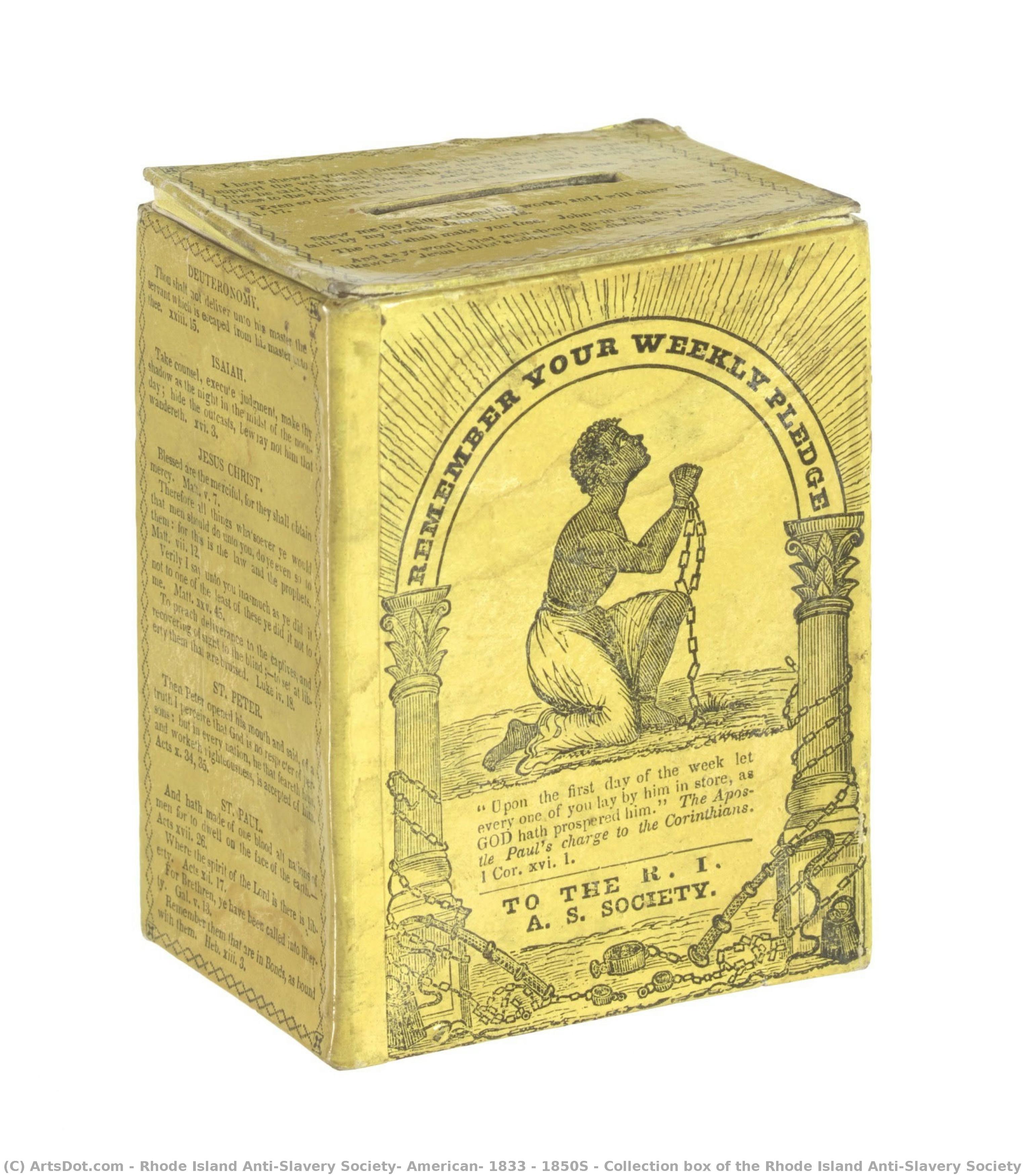
統計情報Collection box of the Rhode Island Anti-Slavery Society owned by Garrison family


 詳細を見る
詳細を見る
ジークレー/アートプリント
迅速な制作と多彩な仕上げオプションを備えた、ミュージアムクオリティのジークレーまたはキャンバスプリント。 ( 手描きの絵画を購入 デジタル画像販売へ切り替え)




































作品のオリジナル比率に合わせた、当店の規定サイズからお選びください。

特定のフレームやスペースに合わせて、ご自身でサイズを指定することも可能です。選択されたサイズが元の画像の比率と一致しない場合、作品をトリミングするか、鏡面反射または単色での塗りつぶしによって画像を拡張いたします。制作を開始する前に、ご確認用のデジタルモックアップをお送りいたします。
画面上のプレビューには、実際のトリミングや拡張は反映されませんのでご注意ください。最終的な構図を正確に確認できるのは、モックアップのみとなります。
カスタムサイズも承っておりますが、元の比率を維持するためには、あらかじめ用意されたリストからサイズを選択することをお勧めいたします。


 ガラスオプションは、110cm未満のサイズでのみご利用いただけます。

Collection box of the Rhode Island Anti-Slavery Society owned by Garrison family
ジークレー/アートプリント
複製画のサイズ
-


合計金額
$ 62
関連作品

アーティストの略歴
Rhode Island Anti-Slavery Society: A Canvas for Abolitionist Ideals
The Rhode Island Anti-Slavery Society stands as a poignant testament to the fervent spirit of reform that gripped America during its formative years—specifically between 1833 and the mid-1850s. More than just an organization, it represented a collective commitment to challenging the entrenched institution of slavery and advocating for the fundamental rights of African Americans, achievements which are reflected in their artistic endeavors. Examining these works offers invaluable insight into the moral landscape of the era and illuminates the creative responses to pressing social concerns. Founded in Providence, Rhode Island, in 1833, the Society quickly gained momentum thanks to the tireless efforts of prominent abolitionists like William Lloyd Garrison and Frederick Douglass. Its mission was unambiguous: to dismantle slavery through legal reform, moral persuasion, and active resistance.
Recognizing that visual communication could powerfully convey their beliefs, members embarked on a project that transcended mere fundraising—they commissioned artistic creations designed to galvanize public opinion and solidify the Society’s commitment to its cause. Perhaps the most enduring symbol of the Rhode Island Anti-Slavery Society's artistic output is their ingenious cardboard coin collection box. Produced in two pieces—a top with a slot for donations and a base—this unassuming object served as more than just a receptacle for funds; it functioned as a visual declaration of intent. The centerpiece was a tableau depicting an enslaved figure kneeling before implements of bondage, skillfully rendered by the artist Robert Julian Onderdonk. This image powerfully conveyed the dehumanizing realities of slavery and underscored the Society’s determination to confront injustice head-on.
The Symbiosis of Art and Activism
The artistry produced under the auspices of the Society was never purely decorative; it was deeply embedded in the struggle for human dignity. The visual language used by the Society sought to bridge the gap between the abstract concept of injustice and the visceral reality of suffering. By utilizing accessible mediums like cardboard and print, they ensured that their message could permeate various levels of society, reaching beyond elite galleries into the hands of everyday citizens. This period of creative output is characterized by a profound sense of moral urgency, where every brushstroke and printed line served as an instrument of protest.
The historical significance of these works lies in their ability to act as both a mirror to the era's cruelty and a window into its hope. The Society’s artistic legacy includes:
- Visual Advocacy: Using imagery to humanize those affected by slavery and provoke empathy in the viewer.
- Material Innovation: Utilizing everyday objects, such as collection boxes, to turn fundraising tools into powerful propaganda for freedom.
- Collaborative Spirit: Bringing together prominent artists and political activists to create a unified front against oppression.
As we look back upon the contributions of the Rhode Island Anti-Slavery Society, we see more than just historical artifacts; we encounter a vibrant, breathing movement that used the power of the image to demand a more just world. Their work remains a vital chapter in American history, reminding us that art has always been a potent force in the pursuit of social transformation.
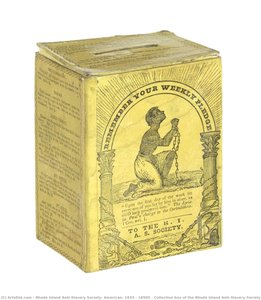
rhode island anti-slavery society, american, 1833 - 1850s
1833 - 1850 , United States of America
基本情報
- Artistic Movement Or Style: Abstract Expressionism, Academicism, Cubism
- Artists Or Movements Influenced By This Artist: ['European Academies']
- Artists Who Influenced This Artist: ['Robert Julian Onderdonk']
- Full Name: Rhode Island Anti-Slavery Society
- Nationality: American
- Notable Artworks: ['Morning in the Live Oaks']
- Place Of Birth: United States of America
関連記事
Academic Realism's Finest: 10 Masterpieces for Art Lovers & Home Decor
Explore 10 defining Academic Realism masterpieces by Bouguereau, Gérôme & Cabanel. Discover the stories behind these iconic paintings and bring timeless art into your home with museum-quality reproductions from ArtsDot.com. Explore the full collection online!

Romantic Realism's Finest: 10 Masterpieces for Your Home | ArtsDot
Explore 10 defining masterpieces of Romantic Realism! Discover Courbet, Millet & Daumier's powerful paintings—capturing emotion and social realities. Find museum-quality reproductions for your home at ArtsDot.com.

Echoes of Society: Exploring Social Realism's Enduring Legacy in Art
Explore the powerful world of Social Realism art! Discover key artists, masterpieces & its profound social commentary. Expert insights into this influential movement's history and enduring legacy.
The Evocative Embrace of Reality: Exploring Romantic Realism in 19th-Century Painting
Explore the captivating world of Romantic Realism! Discover key artists like Courbet & Millet, masterpieces, and the social context behind this influential art movement. Expert insights for collectors at ArtsDot.
The Poetic Truth of Observation: Exploring 19th-Century Realism in Painting
Explore the captivating world of 19th-century Realism! Discover key artists like Courbet & Millet, masterpieces, and the powerful social commentary behind this influential art movement. Expert insights at ArtsDot.