

 プレビュー
プレビュー
 プリントを購入
 シェアする
シェアする シェアする
シェアする
 詳細を見る
詳細を見る

 ダウンロード
 似ている作品
 X線調査
X線調査 スライドショー
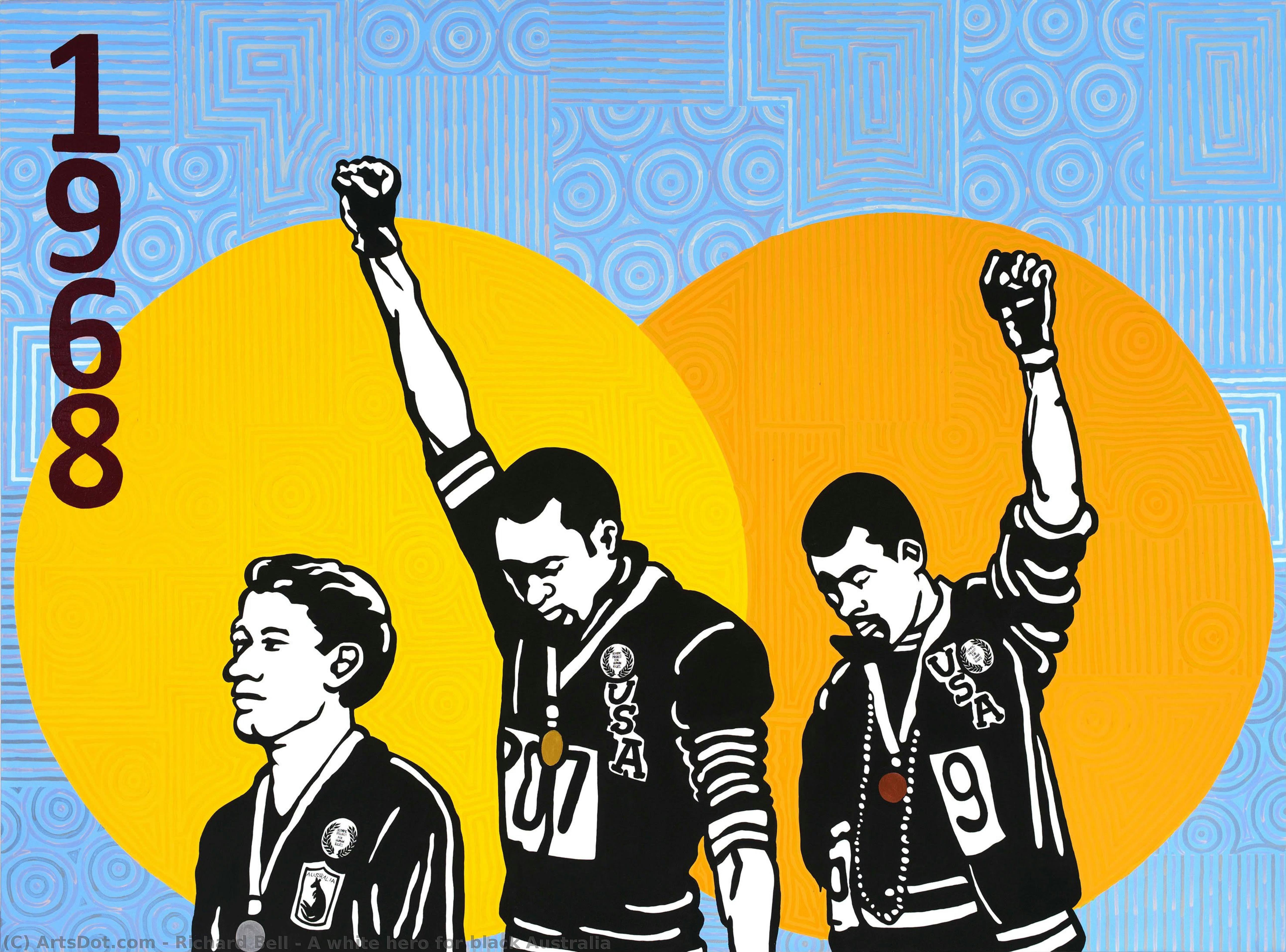
A white hero for black Australia
 Painting
- Pop Art
 2011
2011- Contemporary
 176.0 x 250.0 cm
 Ian Potter Museum of Art
 詳細を見る
詳細を見る
オンラインプレビューをはるかに凌ぐ、高解像度で鮮明なデジタル画像をご購入いただけます。
各ファイルは、社内の専門家が高度なツールと熟練した手作業によるレタッチを用いて、細心の注意を払って準備されています。すべての画像において、卓越した鮮明度、正確な色彩再現性、そして繊細なディテールを保証いたします。
最終ファイルは、プロフェッショナルな編集・印刷環境ですぐにご利用いただけるよう最適化された状態で、72時間以内にメールにてお届けいたします。これは、一流のデザインスタジオ、出版社、ギャラリーから信頼されているものと同等の品質です。
デジタル画像のご注文に付随する特典
高品質なデジタル画像配信を、確かな品質で。
ArtsDot.com を選ぶことは、単に画像を手に入れることではありません。それは、プロの手によって精密に仕上げられ、満足保証が付いた高品質なデジタルアートワークを受け取ることを意味します。ご注文いただいた際に自動的に付随する内容は、以下の通りです:

メールですぐにお届け
ご注文から72時間以内に、高解像度のデジタル画像ファイルがメールでお手元に届きます。すぐにそのままご利用いただけます。

AI技術で最適化されたデジタルファイル
お客様の作品は、高度なAIツールと専門家による手作業の編集を組み合わせてプロフェッショナルに最適化されており、細部のディテール、鮮明さ、そして正確な色再現性を最大限に引き出しています。

一生涯無料の再送サービス
ファイルを誤って削除したり、紛失してしまったりしましたか?ご安心ください。いつでも無料で再送いたします。

輸入手数料は一切かかりません
関税や手数料、配送料を気にすることなく、お気に入りのアートワークをすぐにお楽しみいただけます。デジタルダウンロードは常に免税です。

色彩再現の保証
プロ仕様のツールとカラーマネジメント技術を用いることで、デジタル画像が元の色を最大限に忠実に再現することを保証いたします。

100日間満足保証
ご購入いただいたデジタル画像にご満足いただけない場合は、100日以内であれば、修正または100%の返金(理由を問う必要はありません)をさせていただきます。

100% 返金保証
ご満足いただけない場合は、デジタルファイルを受け取ってから100日以内であれば、理由を問わず全額返金いたします。

まとめ買い割引
3枚購入で10%OFF - 5枚購入で15%OFF - 10枚以上購入で20%OFF。クリエイティブなプロジェクト、ギャラリー、エージェンシーに最適です。
関連作品
作家の略歴
A Life Forged in Activism: The Art of Richard Bell
Richard Bell, born in 1953 in the remote Queensland town of Charleville, is more than an artist; he’s a cultural provocateur, a political firebrand, and a vital voice within contemporary Australian art. His journey began not in art schools but amidst the stark realities faced by Indigenous Australians – realities of dispossession, systemic injustice, and misrepresented histories. Bell's identity as a member of the Kamilaroi, Kooma, Jiman, and Gurang Gurang communities is inextricably linked to his artistic practice, shaping both its content and its unwavering commitment to Aboriginal emancipation and self-determination. He didn’t seek art for art’s sake; he found it as a powerful tool to dismantle colonial narratives and ignite critical dialogue. Early experiences witnessing the disparities around him fueled a desire not just to represent Indigenous life but to actively challenge the structures that perpetuated inequality, setting the stage for a career defined by bold statements and uncompromising vision.Challenging Conventions: The Evolution of a Unique Aesthetic
Bell’s artistic development is marked by a deliberate rejection of conventional expectations surrounding Aboriginal art. Largely self-taught, he forged his own path, drawing inspiration from activism, political theory, and the everyday experiences of Indigenous communities. His work isn't easily categorized; it resists neat labels, blending painting, installation, video, and text into a multifaceted critique of Western artistic traditions and their relationship to Aboriginal culture. The series “Bell’s Theorem” exemplifies this approach – employing satire and irony to expose the commodification of Aboriginal art within the global market. Perhaps his most famous declaration, "Aboriginal Art – It's a White Thing," is not simply a provocative statement but a call for a fundamental re-evaluation of power dynamics and ownership within the art world. He masterfully appropriates Western styles—geometric abstraction, pop aesthetics—and subverts them with Indigenous symbolism and political messaging, creating works that are visually arresting yet deeply unsettling. This deliberate collision of worlds forces viewers to confront their own preconceptions and question the very foundations of artistic value.Major Achievements and Landmark Works
Bell’s impact extends far beyond individual artworks; he's a catalyst for change within the Australian art landscape. His receipt of the Telstra National Aboriginal Art Award in 2003 was a watershed moment, solidifying his position as a leading figure in contemporary art. However, it wasn’t simply recognition that defined his success but the works themselves. “The Sign Says It”, based on a historical photograph of Gurindji protestors marching for land rights, is a powerful example of his ability to transform personal narratives into universal statements about justice and resistance. The vibrant colors he employs elevate the image from monochrome documentation to a striking symbol of defiance. “Embassy,” perhaps his most iconic work, first created in 2013, is a restaging of the original Aboriginal Embassy established in Canberra in 1972—a pivotal moment in the Indigenous Land Rights Movement. This ongoing installation serves as a space for dialogue, protest, and the reclaiming of sovereignty, embodying Bell’s commitment to collective action and self-determination. His inclusion in major international exhibitions like the Moscow Biennale and the Jakarta Biennale further amplified his message, inviting global audiences to engage with the complexities of Australian history and Indigenous identity.A Legacy of Liberation: Historical Significance and Ongoing Influence
Richard Bell's historical significance lies not only in his artistic achievements but also in his unwavering commitment to using art as a vehicle for social change. He is a propagandist, as he self-identifies, believing that art should be actively engaged in challenging power structures and advocating for justice. His work has forced Australia to confront its colonial past and grapple with the ongoing consequences of dispossession and racism. He’s not merely documenting Indigenous experiences; he's actively shaping the narrative, reclaiming agency, and demanding recognition. Bell’s influence extends beyond the art world, inspiring a new generation of Indigenous artists and activists to challenge conventions and advocate for self-determination. He has mentored countless emerging artists, fostering a sense of collective empowerment and shared vision. His work continues to provoke dialogue, unsettle assumptions, and remind us that art can be a powerful force for liberation—a testament to the enduring legacy of an artist who dared to question everything.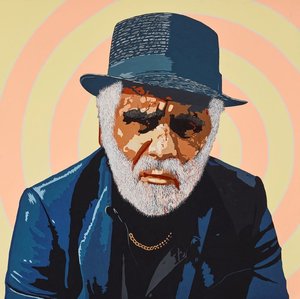
Richard Bell
1953 - , Australia
プロフィール概要
- Artistic Movement Or Style: Liberation Art
- Date Of Birth: December 13, 1953
- Full Name: Richard Bell
- Nationality: Australian
- Notable Artworks:
- Scientia e metaphysica
- A white hero for black Australia
- Place Of Birth: Charleville, Australia