

 プレビュー
プレビュー
 シェアする
シェアする シェアする
シェアする
 詳細を見る
詳細を見る

 ダウンロード
 似ている作品
 X線調査
X線調査 スライドショー
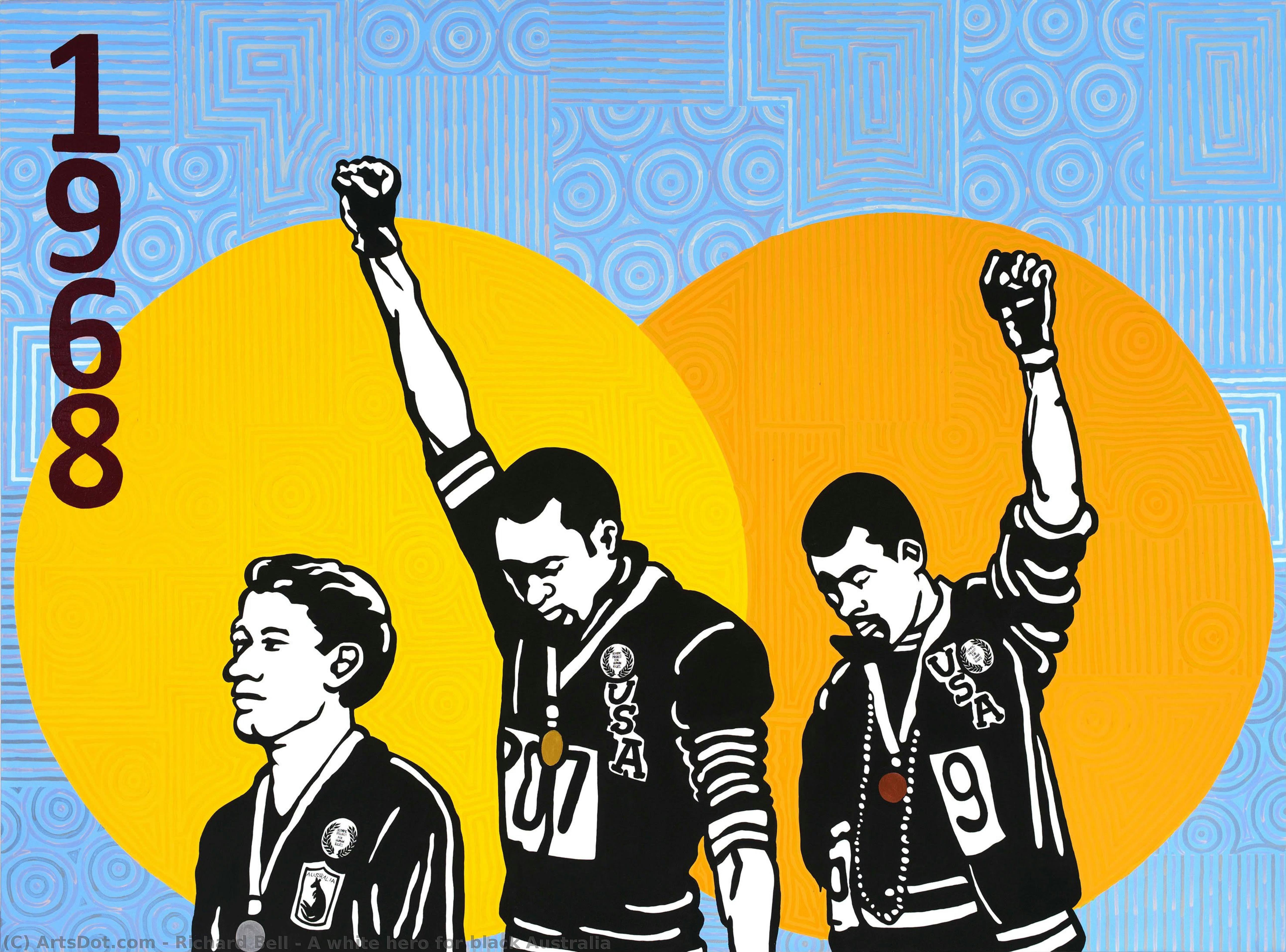
A white hero for black Australia
 Painting
- Pop Art
 2011
2011- Contemporary
 176.0 x 250.0 cm
 Ian Potter Museum of Art
 詳細を見る
詳細を見る
ジークレー/アートプリント
迅速な制作と多彩な仕上げオプションを備えた、ミュージアムクオリティのジークレーまたはキャンバスプリント。 ( 手描きの絵画を購入 画像を購入)




P118B $10

P118H $10

P118W $10

P438Z $10

P508JH $12

P508YH $12

P805H $10

P805Z $10

P919BZ $10

P919G $10

P919XJ $10

P959ZH $10

P968JZ $12

W106C $8

W218G $10

W218JH $8

W218Y $10

W307PJ $10

W316G $10

W316PJ $8

W316Y $10

W398PJ $8

W4111J $10

W500HY $15

W500JH $15

W692G $12

W849H $8

W940BG $15

W953PJ $8




作品のオリジナル比率に合わせた、当店の規定サイズからお選びください。

特定のフレームやスペースに合わせて、ご自身でサイズを指定することも可能です。選択されたサイズが元の画像の比率と一致しない場合、作品をトリミングするか、鏡面反射または単色での塗りつぶしによって画像を拡張いたします。制作を開始する前に、ご確認用のデジタルモックアップをお送りいたします。
画面上のプレビューには、実際のトリミングや拡張は反映されませんのでご注意ください。最終的な構図を正確に確認できるのは、モックアップのみとなります。
カスタムサイズも承っておりますが、元の比率を維持するためには、あらかじめ用意されたリストからサイズを選択することをお勧めいたします。


 ガラスオプションは、110cm未満のサイズでのみご利用いただけます。

A white hero for black Australia
ジークレー/アートプリント
複製画のサイズ
-


合計金額
$ 62
関連作品
アーティストの略歴
A Life Forged in Activism: The Art of Richard Bell
Richard Bell, born in 1953 in the remote Queensland town of Charleville, is more than an artist; he’s a cultural provocateur, a political firebrand, and a vital voice within contemporary Australian art. His journey began not in art schools but amidst the stark realities faced by Indigenous Australians – realities of dispossession, systemic injustice, and misrepresented histories. Bell's identity as a member of the Kamilaroi, Kooma, Jiman, and Gurang Gurang communities is inextricably linked to his artistic practice, shaping both its content and its unwavering commitment to Aboriginal emancipation and self-determination. He didn’t seek art for art’s sake; he found it as a powerful tool to dismantle colonial narratives and ignite critical dialogue. Early experiences witnessing the disparities around him fueled a desire not just to represent Indigenous life but to actively challenge the structures that perpetuated inequality, setting the stage for a career defined by bold statements and uncompromising vision.Challenging Conventions: The Evolution of a Unique Aesthetic
Bell’s artistic development is marked by a deliberate rejection of conventional expectations surrounding Aboriginal art. Largely self-taught, he forged his own path, drawing inspiration from activism, political theory, and the everyday experiences of Indigenous communities. His work isn't easily categorized; it resists neat labels, blending painting, installation, video, and text into a multifaceted critique of Western artistic traditions and their relationship to Aboriginal culture. The series “Bell’s Theorem” exemplifies this approach – employing satire and irony to expose the commodification of Aboriginal art within the global market. Perhaps his most famous declaration, "Aboriginal Art – It's a White Thing," is not simply a provocative statement but a call for a fundamental re-evaluation of power dynamics and ownership within the art world. He masterfully appropriates Western styles—geometric abstraction, pop aesthetics—and subverts them with Indigenous symbolism and political messaging, creating works that are visually arresting yet deeply unsettling. This deliberate collision of worlds forces viewers to confront their own preconceptions and question the very foundations of artistic value.Major Achievements and Landmark Works
Bell’s impact extends far beyond individual artworks; he's a catalyst for change within the Australian art landscape. His receipt of the Telstra National Aboriginal Art Award in 2003 was a watershed moment, solidifying his position as a leading figure in contemporary art. However, it wasn’t simply recognition that defined his success but the works themselves. “The Sign Says It”, based on a historical photograph of Gurindji protestors marching for land rights, is a powerful example of his ability to transform personal narratives into universal statements about justice and resistance. The vibrant colors he employs elevate the image from monochrome documentation to a striking symbol of defiance. “Embassy,” perhaps his most iconic work, first created in 2013, is a restaging of the original Aboriginal Embassy established in Canberra in 1972—a pivotal moment in the Indigenous Land Rights Movement. This ongoing installation serves as a space for dialogue, protest, and the reclaiming of sovereignty, embodying Bell’s commitment to collective action and self-determination. His inclusion in major international exhibitions like the Moscow Biennale and the Jakarta Biennale further amplified his message, inviting global audiences to engage with the complexities of Australian history and Indigenous identity.A Legacy of Liberation: Historical Significance and Ongoing Influence
Richard Bell's historical significance lies not only in his artistic achievements but also in his unwavering commitment to using art as a vehicle for social change. He is a propagandist, as he self-identifies, believing that art should be actively engaged in challenging power structures and advocating for justice. His work has forced Australia to confront its colonial past and grapple with the ongoing consequences of dispossession and racism. He’s not merely documenting Indigenous experiences; he's actively shaping the narrative, reclaiming agency, and demanding recognition. Bell’s influence extends beyond the art world, inspiring a new generation of Indigenous artists and activists to challenge conventions and advocate for self-determination. He has mentored countless emerging artists, fostering a sense of collective empowerment and shared vision. His work continues to provoke dialogue, unsettle assumptions, and remind us that art can be a powerful force for liberation—a testament to the enduring legacy of an artist who dared to question everything.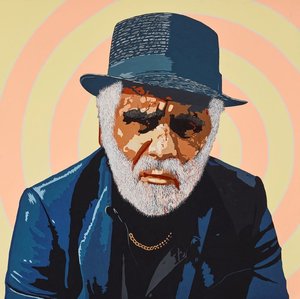
Richard Bell
1953 - , Australia
基本情報
- Artistic Movement Or Style: Liberation Art
- Date Of Birth: December 13, 1953
- Full Name: Richard Bell
- Nationality: Australian
- Notable Artworks:
- Scientia e metaphysica
- A white hero for black Australia
- Place Of Birth: Charleville, Australia
関連記事
Earthy Hues & Masterpieces: Top 10 Paintings with 'Mushroom' Tones |
Explore 10 iconic paintings with captivating 'mushroom' tones! Discover Van Gogh, Monet & Rembrandt’s masterpieces—earthy palettes, rich history & artistic techniques. Find museum-quality art reproductions and curated decor ideas at
Sandstone & Sunlight: 10 Masterpieces of Earth-Toned Art |
Journey through 10 iconic paintings bathed in 'sand' tones – from Van Gogh to Monet. Explore the stories, techniques & warm palettes of these timeless masterpieces. Find museum-quality art reproductions at and bring classic beauty home.
Earthy Hues & Masterpieces: Top 10 Paintings Dominated by Clay Tones |
Explore 10 iconic paintings dominated by rich clay tones – from Rembrandt's warmth to Van Gogh’s earthy landscapes. Discover art history, techniques & find museum-quality reproductions at . Explore the full collection online!
ポップアートを定義した至宝:時代を彩る10の傑作と、その深遠なる魅力
ポップアートを象徴する10の傑作。ウォーホル、リキテンスタイン…時代を彩る名画の世界を紐解き、その深遠なる魅力に触れる。ArtsDot.comで、ミュージアムクオリティのアートプリントと洗練されたインテリアアイデアを発見してください。
The Resonance of Earthly Tones: Exploring Nuance, History & Emotional Impact in Art
Explore the captivating world of earth tones in art! Discover historical context, emotional resonance & artistic techniques behind these timeless colors. Find inspiration for your home decor and museum-quality reproductions.