

 シェアする
シェアする シェアする
シェアする
 詳細を見る
詳細を見る

 ダウンロード
 似ている作品
 スライドショー
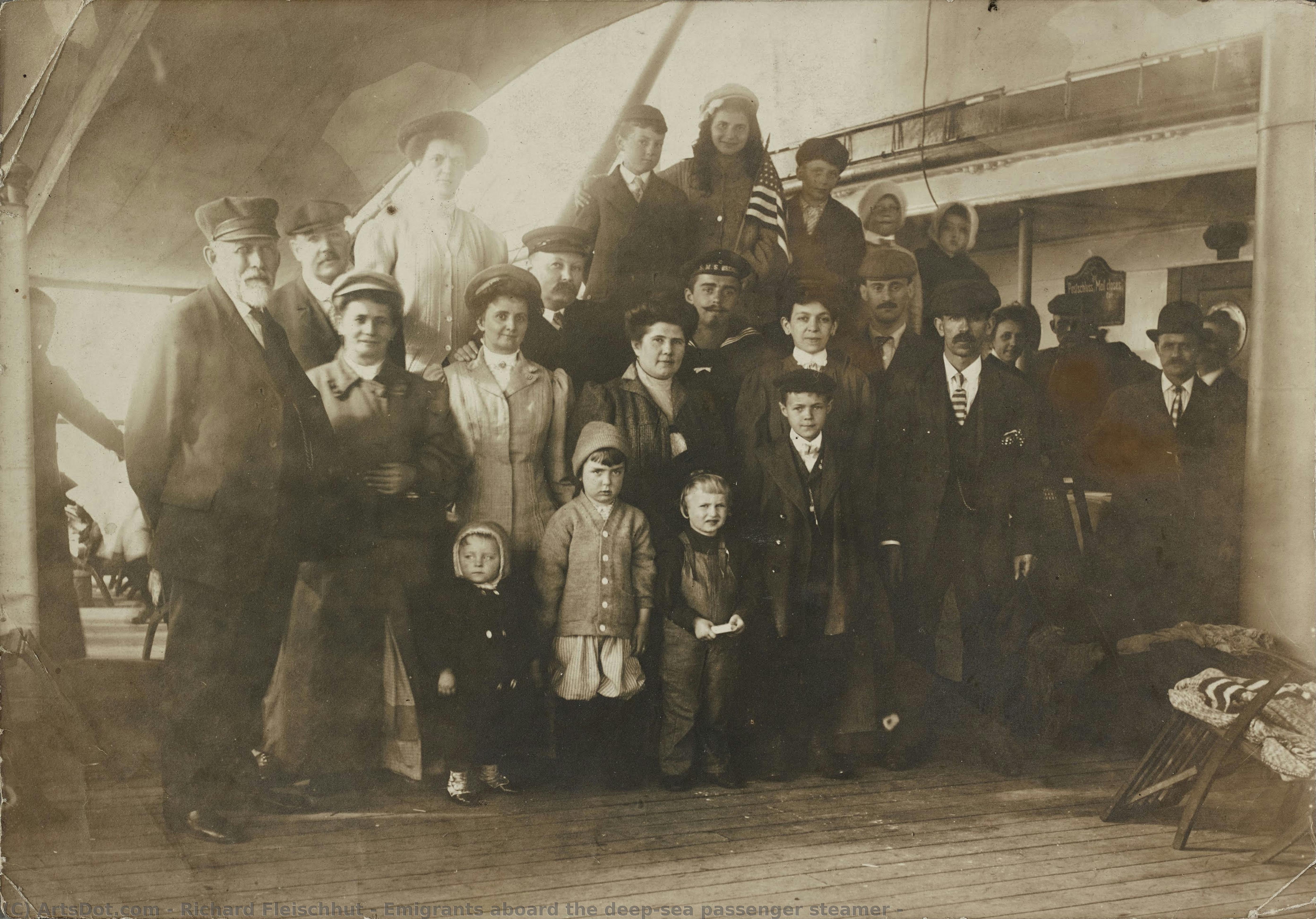
Emigrants aboard the deep-sea passenger steamer


 詳細を見る
詳細を見る
ジークレー/アートプリント
迅速な制作と多彩な仕上げオプションを備えた、ミュージアムクオリティのジークレーまたはキャンバスプリント。 ( 手描きの絵画を購入 画像を購入)




































作品のオリジナル比率に合わせた、当店の規定サイズからお選びください。

特定のフレームやスペースに合わせて、ご自身でサイズを指定することも可能です。選択されたサイズが元の画像の比率と一致しない場合、作品をトリミングするか、鏡面反射または単色での塗りつぶしによって画像を拡張いたします。制作を開始する前に、ご確認用のデジタルモックアップをお送りいたします。
画面上のプレビューには、実際のトリミングや拡張は反映されませんのでご注意ください。最終的な構図を正確に確認できるのは、モックアップのみとなります。
カスタムサイズも承っておりますが、元の比率を維持するためには、あらかじめ用意されたリストからサイズを選択することをお勧めいたします。


 ガラスオプションは、110cm未満のサイズでのみご利用いただけます。

Emigrants aboard the deep-sea passenger steamer
ジークレー/アートプリント
複製画のサイズ
-


合計金額
$ 62
作品詳細説明
A Window into a Vanished Era
In the hauntingly beautiful monochrome of Richard Fleischhut’s 1909 photograph, Emigrants aboard the deep-sea passenger steamer, we are transported to the threshold of a new world. This is not merely a photographic record; it is a profound cinematic freeze-frame of human hope and transition. The image captures a dense, lively gathering on the deck of a North German Lloyd ocean liner, where men, women, and children stand shoulder-to-shoulder. There is an undeniable sense of occasion in their attire—the crispness of ties and the formal arrangement of the group suggesting that this voyage is more than just travel; it is a monumental life event. Through Fleischhut’s lens, we witness the collective breath held by those caught between the lives they left behind in Europe and the uncertain promises of the Americas.
The composition of the piece possesses a rhythmic, almost architectural quality that hints at the burgeoning Bauhaus influence that would later define Fleischhut’s career. While the subjects are spread across the deck, there is a central gravity to the group that draws the eye inward, creating a sense of shared destiny. The interplay of light and shadow on the textured surfaces of the ship's deck and the varied fabrics of the passengers' clothing adds a layer of tactile depth to the silver gelatin print. This technique allows the viewer to feel the salt spray and the heavy, expectant atmosphere of the Atlantic crossing, making the photograph feel less like a distant memory and more like a living presence.
The Artistry of the Moment
Technically, this work stands as a masterclass in early 20th-century gelatin silver printing. Fleischhut possessed a rare ability to navigate the complexities of natural light on the open sea, capturing sharp details even within a crowded, moving environment. The tonal range—from the deepest blacks of the shadows beneath the ship's structures to the luminous whites of the sunlight hitting the passengers—creates a dramatic chiaroscuro effect. This mastery of contrast does more than provide clarity; it imbues the scene with an emotional weight, highlighting the individual faces within the crowd and allowing the viewer to search for stories in every gaze.
For the discerning collector or interior designer, this reproduction offers a sophisticated touch of historical gravity. The monochromatic palette makes it an incredibly versatile piece for modern curation, providing a soulful anchor in minimalist, industrial, or classic academic settings. It serves as a conversation starter that transcends mere decoration, inviting guests to contemplate themes of migration, resilience, and the grand human saga of movement. To hang this work is to invite the spirit of 1909 into a contemporary space, bridging the gap between the technological optimism of the early twentieth century and the refined aesthetics of today.
関連作品

アーティストの略歴
The Lens of an Era: The Life and Vision of Richard Fleischhut
Richard Fleischhut was far more than a mere chronicler of the high seas; he was a visual poet who captured the fleeting essence of an age defined by grandeur, motion, and the dawn of modernity. Born in 1881 in the Pomeranian town of Koszalin, Germany, his path to artistic immortality was unexpectedly paved with the sweetness of confectionery. Before the camera became his primary language, Fleischhut underwent an apprenticeship as a confectioner—a period of life that perhaps instilled in him the meticulous patience and eye for delicate detail that would later define his photographic mastery. While the uncertainty of photography as a profession initially gave him pause, his passion proved too potent to suppress, eventually leading him away from the kitchen and toward the deck of the Kronprinz Wilhelm. By 1905, Fleischhut had secured a position aboard this North German Lloyd flagship, an experience that would fundamentally alter the trajectory of his life. While he initially worked within the ship's galley, his true vocation flourished in the corridors and promenades of the great ocean liners. He began selling his photographic works to passengers, finding that his ability to capture the spirit of travel resonated deeply with those traversing the Atlantic. This period marked the beginning of a legendary thirty-year career where the ocean liner served as both his studio and his subject, allowing him to document a world of unparalleled luxury and cultural intersection.A Symphony of Light and Silver
The artistry of Fleischhut lies in his profound ability to transcend simple documentation, transforming snapshots into evocative works of art. His technical prowess was most evident in his mastery of the gelatin silver printing process, a medium that allowed him to manipulate light and shadow with surgical precision. Influenced by the burgeoning aesthetics of the Bauhaus movement, his compositions often reflected a modern sensibility—a focus on geometric clarity, striking contrasts, and an innovative approach to framing that mirrored the technological optimism of the early twentieth century. His subjects were as diverse as the passengers he encountered, ranging from the most powerful political figures to the brightest stars of the silver screen. To look upon a Fleischhut portrait is to witness the intimate humanity behind the icon. He captured:- The commanding presence of Franklin Delano Roosevelt,
- The intellectual depth of Sigmund Freud,
- The cinematic glamour of Hollywood legends like Marlene Dietrich and Cary Grant.
Legacy Amidst the Waves
Beyond the polished portraits of the elite, Fleischhut’s work holds immense historical significance as a visual archive of a vanished world. He possessed a rare gift for capturing the "spirit of the age," documenting everything from the lively, poignant scenes of emigrants seeking new lives to the harrowing drama of technological catastrophe. His documentation of the Hindenburg disaster in Lakehurst, New Jersey, stands as a testament to his ability to pivot from the celebratory to the tragic, capturing the precise moment when an era of airship grandeur met its sudden, fiery end. The career of Richard Fleischhut was brought to an abrupt and somber conclusion by the Second World War, yet his impact remains undiminished. He left behind a body of work that serves as a bridge between the Victorian era's romanticism and the modern era's stark realism. His photographs are not merely images; they are windows into the soul of the transatlantic age, preserving the light, the movement, and the profound human emotions of a time when the world was becoming inextricably linked by the very waves he so masterfully captured.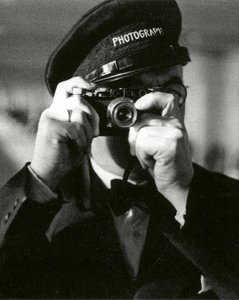
Richard Fleischhut
1881 - 1951 , Germany
基本情報
- Artistic Movement Or Style: Bauhaus
- Artists Or Movements Influenced By This Artist: ['Ludwig E. Ronig']
- Artists Who Influenced This Artist: ['August Sander']
- Date Of Birth: 1881
- Full Name: Richard Fleischhut
- Nationality: German
- Notable Artworks:
- Emigrants aboard the deep-sea passenger steamer
- La femme au tambourin
- Place Of Birth: Koszalin, Germany
関連記事

配送と返品
APS は、博物館級のケア、完全な追跡、そして30日間の返金保証を備えた、世界規模のアート輸送の専門サービスを提供します。関税サポートから Priority Production まで、透明性の高いサービス、安全な梱包、そしてコレクター、デザイナー、ギャラリー向けの信頼性の高い配送をお届けします。

Dark Masterpieces: 10 Iconic Paintings Dominated by Black Tones |
Explore 10 iconic paintings dominated by black tones, from Rembrandt’s chiaroscuro to Goya's dark expressions. Discover the stories behind these masterpieces & find museum-quality art reproductions for your home at .
Mars Black Masterpieces: 10 Iconic Paintings & Timeless Art Decor Ideas
Delve into the power of 'Mars Black' with 10 iconic paintings by masters like Rembrandt & Caravaggio. Explore dramatic chiaroscuro, gothic art, and timeless beauty. Find museum-quality reproductions & elevate your home decor on .

ArtsDotで世界中へ無料配送!高級アートを安全・確実にお届けするエリートコレクター向けサービス
ArtsDotはエリートコレクター向けに世界中へ無料配送で高級アートを安全・確実にお届けします。100%手描き油絵再現と専門家による品質管理、30日返金保証で信頼と価値を提供します。
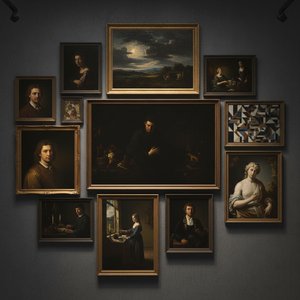
Lamp Black & Masterpieces: 10 Paintings That Define Shadow & Light |
Delve into the captivating world of 'Lamp Black' tones with 10 iconic paintings by masters like Rembrandt & Caravaggio. Explore Baroque chiaroscuro, dramatic lighting & shadow in art history. Find museum-quality reproductions at

