

 プレビュー
プレビュー
 プリントを購入
 シェアする
シェアする シェアする
シェアする
 詳細を見る
詳細を見る

 ダウンロード
 似ている作品
 X線調査
X線調査 スライドショー
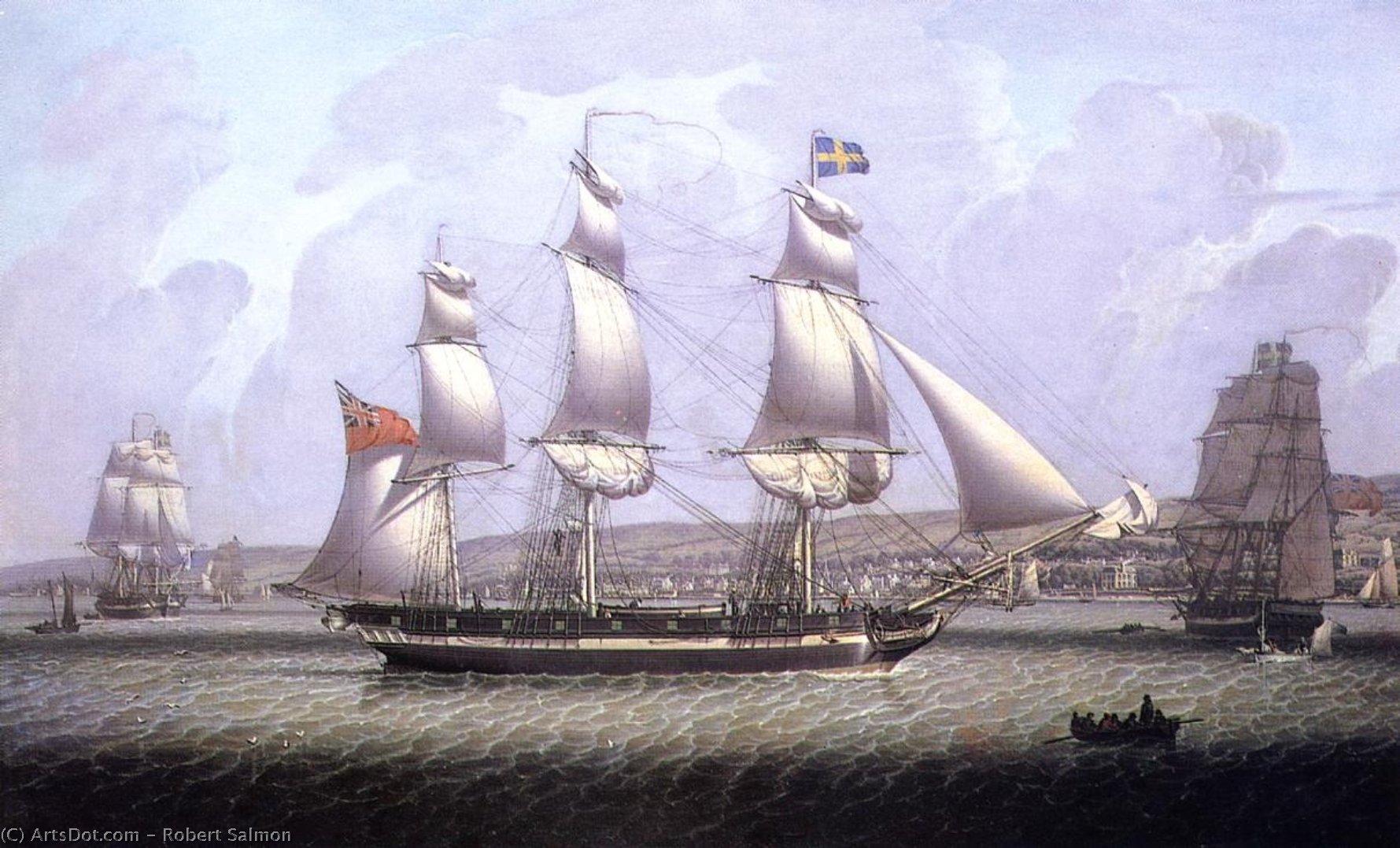
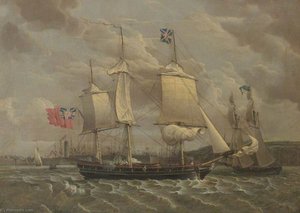
A Frigate of the Baltic Fleet off Greenock


 詳細を見る
詳細を見る




































作品のオリジナル比率に合わせた、当店の規定サイズからお選びください。

特定のフレームやスペースに合わせて、ご希望のサイズをご入力いただけます。選択されたサイズが元の画像の比率と異なる場合、アートワークをトリミングするか、手描きで要素を追加して絵画を拡張いたします。デジタルモックアップ を制作し、制作開始前にご確認(承認)をいただきます。
画面上のプレビューは、実際のトリミングや拡張を正確に反映しているものではありません。最終的な構図は、モックアップによってのみ正確にご確認いただけます。
カスタムサイズもご利用いただけますが、元の比率を維持するためには、あらかじめ用意されたリストからサイズを選択することをお勧めいたします。
ご注文後、ArtsDot.com チームより詳細な指示をお送りするとともに、仕上がりイメージ(モックアップ)をご提供いたします。


 ガラスオプションは、110cm未満のサイズでのみご利用いただけます。

A Frigate of the Baltic Fleet off Greenock
複製技法
複製画のサイズ
-


合計金額
$ 263
A Dynamic Scene of Maritime Power: Robert Salmon's "A Frigate of the Baltic Fleet off Greenock"
This impressive oil on canvas by Robert W. Salmon depicts a vibrant scene of naval power and maritime activity, showcasing a frigate from the Baltic Fleet sailing near Greenock, Scotland in 1818. The painting captures a moment brimming with energy and purpose, portraying a bustling ship surrounded by smaller vessels against a backdrop of the open ocean. Salmon’s masterful rendering of sails billowing in the wind, the detailed depiction of rigging, and the lively figures populating the deck all contribute to a sense of realism and immediacy rarely seen in maritime art of this period. The sheer scale of the work allows for an immersive experience, drawing the viewer into the heart of the action.The Artist & His Style: Luminism and Maritime Expertise
Robert W. Salmon (1775-1845) was a pivotal figure in 19th-century British art, often credited as the "Father of American Luminism." While he spent much of his career in America, this work exemplifies his earlier training and stylistic roots. Salmon’s style is characterized by its meticulous attention to detail, particularly concerning light and atmosphere. He eschewed dramatic contrasts for a more subtle approach, prioritizing atmospheric perspective and a tranquil quality – hallmarks of the Luminist movement. Salmon's deep understanding of shipbuilding and naval practices, gleaned from his own family's involvement in maritime trade, lends an authenticity to his depictions that sets him apart. He studied Dutch marine painters and Italian vedute artists, incorporating their techniques into his unique style.Historical Context & Significance
Painted in 1818, the artwork reflects a period of significant naval activity for Great Britain. The Baltic Fleet played a crucial role in trade and diplomacy during this era, and depictions of its vessels were popular amongst collectors and patrons interested in showcasing British maritime power. Greenock, a major port city in Scotland, served as an important hub for shipbuilding and transatlantic voyages, making it a fitting location for this scene. The painting offers a glimpse into the daily life aboard a naval vessel during this time, highlighting the importance of seamanship and the challenges faced by sailors navigating the open ocean. It's also worth noting that 1818 was post-Napoleonic Wars, signifying a period of relative peace and prosperity for Britain, reflected in the confidence and grandeur displayed in the artwork.Emotional Impact & Artistic Technique
Beyond its historical significance, "A Frigate of the Baltic Fleet off Greenock" evokes a powerful sense of adventure, camaraderie, and the sheer scale of the ocean. The numerous figures on deck, engaged in their duties, convey a feeling of collective purpose and shared experience. Salmon’s skillful use of light creates a luminous atmosphere, enhancing the painting's overall impact. The subtle gradations of color in the sky and water contribute to a sense of depth and realism. The artist’s technique involved layering thin glazes of oil paint to achieve these effects, demonstrating his mastery of the medium. This piece isn't merely a depiction of ships; it is an exploration of human endeavor against the backdrop of nature's vastness, offering viewers a moment of reflection on themes of exploration and resilience.関連作品
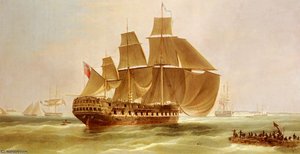
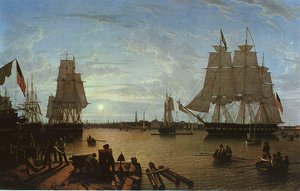
アーティストの略歴
初期の生活と芸術的訓練
- 起源: サルモンは、宝石商フランシス・サロモンの息子としてロバート・サロモンという名前で生まれました。ホワイトヘイブンの賑やかな港町は、彼の芸術的発達に初期の影響を与えました。
- 初期の影響: 彼の訓練については詳細な記録はありませんが、17世紀のオランダ海洋画家、イタリアのヴェドゥータ画家、クロード・ロレンを研究していたと考えられています。
- 初期作品: 彼の最も初期の既知の作品である「ホワイトヘイブン港を出航する武装商船2隻」(1800年)と「ドーバー沖の‘エストリッジ’」は、彼が初期から海洋シーンを捉える能力を示しています。
- ロイヤル・アカデミーデビュー: サルモンは1802年にロイヤル・アカデミーで初めて作品を発表し、彼のキャリアにおける重要な一歩となりました。
キャリアの発展とスタイル
- リバプールへの移転(1806年): サルモンはリバプールに定住し、名前をサルモンに変更しました。この時期には、ロンドンの海事博物館に収蔵されている数多くの海洋画が制作されました。
- 船の肖像画: 彼の船の肖像画は、帆船やその構造に対する深い知識を示しており、しばしば同じ船を単一のキャンバス上で複数の角度から描いています。
- 人気と収集家: サルモンの作品は、サミュエル・キャボット、ロバート・ベネット・フォーブス、ジョン・ニューマーチ・カッシングなどの著名なボストン市民の間で人気を博し、アメリカでの彼の認知度が高まっていることを示しています。
- リュミニスムの先駆者: 彼はアメリカのリュミニスム運動の主要人物と見なされており、ウィリアム・ブラッドフォードやフィッツ・ヘンリー・レーンなどの芸術家に影響を与えました。光と大気を重視することで、穏やかで静かなシーンを作り出しました。
主な作品と芸術的意義
- 主要な絵画: サルモンの最も有名な作品には、「ブリッグ‘アリエル’」、「帆船‘トレローニー’」、そして「チェシャーから見たリバプールの眺め」などがあります。これらの絵画は、彼が帆船の美しさと複雑さを捉える能力を実証しています。
- ボストンハーバーシリーズ: 彼はボストンハーバーを描いた膨大な数の作品を制作し、海洋生活と歴史的なボストンを紹介しました。「キャッスル・アイランドから見たボストンハーバー(船シャーロット)」は注目すべき例です。
- アメリカ美術への影響: サルモンのスタイルは、その後の世代のアメリカの風景画家たちに大きな影響を与え、リュミニスムが重要な芸術運動として発展することに貢献しました。
遺産と評価
- 美術館所蔵: サルモンの作品は、米国海軍アカデミー、ボストン美術館、グリニッジの国立海洋博物館などの名門機関に収蔵されています。
- 永続的な影響: 彼の絵画は今日でも芸術家たちを刺激し続けており、彼の才能と芸術性を証明しています。
- アメリカ・リュミニスムの父: サルモンの遺産は、アメリカ・リュミニズムの先駆者として確立されており、美術界に消えない足跡を残しました。
ロバート・サロモンとボストン
- ボストンとの繋がり: 1800年代初頭、ロバート・サロモンはアメリカのボストンで大きな成功を収めました。彼はこの都市の裕福な商人や船主たちから依頼を受け、彼らの船を描くようになりました。
- 海洋絵画の需要: ボストンは当時、貿易の中心地であり、船は経済活動において重要な役割を果たしていました。そのため、船の肖像画に対する需要が高まっており、サロモンの作品は非常に人気がありました。
- ボストンハーバーシリーズの特徴: サロモンの「ボストンハーバー」シリーズは、その正確な描写と光の表現で知られています。彼は、港の活気ある様子や船の細部を忠実に描き出しました。
- アメリカ・リュミニズムへの貢献: ボストンでの活動を通じて、サロモンはアメリカ・リュミニズム運動の発展に大きく貢献しました。彼の作品は、光と大気を重視し、穏やかで静かな雰囲気を表現するリュミニズムの特徴を体現しています。
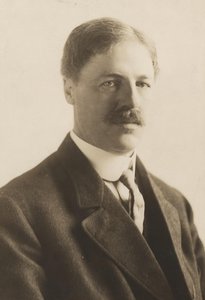
ロバート・W・サルモン
1775 - 1845 , イギリス
基本情報
- Artistic Movement Or Style: アメリカ・ルミナリズム
- Artists Or Movements Influenced By This Artist:
- ウィリアム・ブラッドフォード
- フィッツ・ヘンリー・レーン
- Artists Who Influenced This Artist:
- オランダ海洋画家
- イタリア風俗画家
- クロード・ロレン
- Date Of Birth: 1775年
- Date Of Death: 1845年
- Full Name: ロバート・W・サルモン
- Nationality: イギリス人
- Notable Artworks:
- セイリングシップ 'トレラウニー'
- ボストンハーバーの風景
- Place Of Birth (City And Country): ホワイトヘイブン, イギリス
関連記事
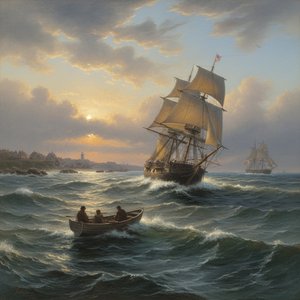
Robert W. Salmon: Navigating the Currents of Maritime Painting & American Realism
Explore the captivating maritime paintings of Robert W. Salmon, a pioneer of American Luminism. Discover his Boston Harbor scenes, legacy, and collecting guide at ArtsDot.

Hubert Robert: Picturing Ruins, Preserving Memory – A Study of Romantic Antiquarianism & Artistic Innovation
Explore the captivating world of Hubert Robert, master of Romantic landscape painting & 'capriccio' ruins. Discover his historical context, artistic innovations, and collecting insights with ArtsDot.
Bring the Ocean Home: Captivating Maritime Paintings to Transform Your Space with Timeless Elegance
Transform your home with breathtaking maritime oil paintings. From serene seascapes to dramatic nautical scenes, discover hand-painted reproductions that bring the ocean's soul to your space. Expertly crafted for collectors seeking timeless elegance and coastal tranquility.
クロード・モネ傑作25選:光と色彩の印象派を彩る名画の世界 | ArtsDot
クロード・モネの傑作25選。印象派を代表する光の画家、モネの世界を旅しませんか?睡蓮や風景画など、名画の背景にある物語と芸術技法をご紹介。ArtsDotで高品質な複製画とインテリアアートを見つけましょう。全コレクションはこちら。

David Roberts: A Scottish Pioneer of Topographical Art & Orientalist Vision
Explore the captivating world of David Roberts, a pioneering Scottish painter renowned for his detailed Orientalist scenes & stunning Egyptian landscapes. Discover his legacy and find museum-quality reproductions at ArtsDot.

