

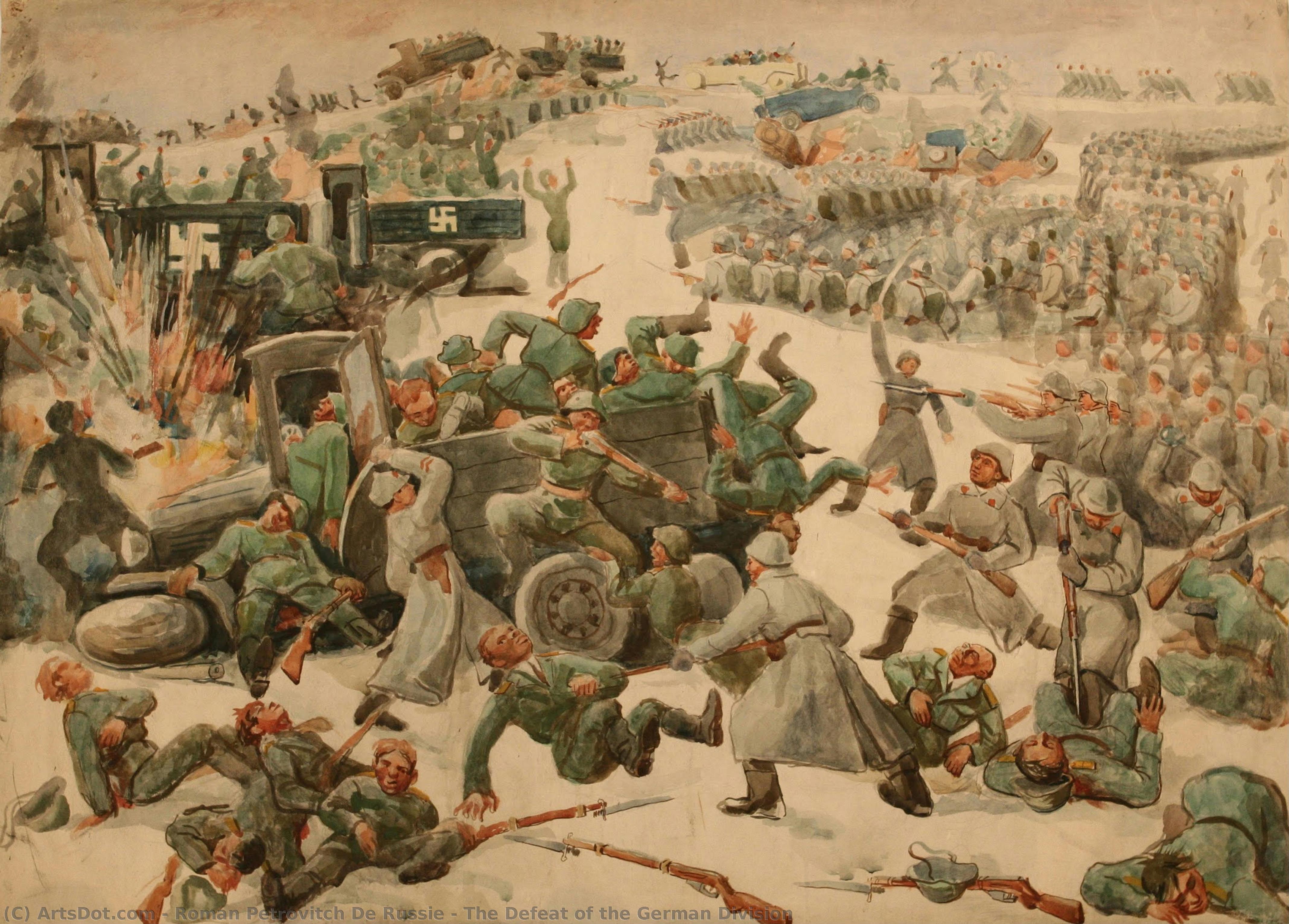
 プレビュー
プレビュー
 シェアする
シェアする シェアする
シェアする
 詳細を見る
詳細を見る

 ダウンロード
 似ている作品
 X線調査
X線調査 スライドショー
 統計情報
統計情報The Defeat of the German Division
 詳細を見る
詳細を見る
ジークレー/アートプリント
迅速な制作と多彩な仕上げオプションを備えた、ミュージアムクオリティのジークレーまたはキャンバスプリント。 ( 手描きの絵画を購入 デジタル画像販売へ切り替え)




































作品のオリジナル比率に合わせた、当店の規定サイズからお選びください。

特定のフレームやスペースに合わせて、ご自身でサイズを指定することも可能です。選択されたサイズが元の画像の比率と一致しない場合、作品をトリミングするか、鏡面反射または単色での塗りつぶしによって画像を拡張いたします。制作を開始する前に、ご確認用のデジタルモックアップをお送りいたします。
画面上のプレビューには、実際のトリミングや拡張は反映されませんのでご注意ください。最終的な構図を正確に確認できるのは、モックアップのみとなります。
カスタムサイズも承っておりますが、元の比率を維持するためには、あらかじめ用意されたリストからサイズを選択することをお勧めいたします。


 ガラスオプションは、110cm未満のサイズでのみご利用いただけます。

The Defeat of the German Division
ジークレー/アートプリント
複製画のサイズ
-


合計金額
$ 62
関連作品



アーティストの略歴
John Everett Millais: A Pre-Raphaelite Pioneer of Light and Nature
Born in Southampton, England, on June 8th, 1829, John Everett Millais was a pivotal figure in the vibrant artistic landscape of Victorian Britain. His life, intertwined with intellectual currents and personal drama, culminated in a body of work that remains both strikingly beautiful and profoundly influential. From his early days as a prodigious child prodigy to his later explorations of light and color, Millais’s journey reflects the evolving spirit of the Pre-Raphaelite Brotherhood and his own unique artistic vision.
Millais's upbringing was marked by privilege and intellectual stimulation. His family, part of the affluent Jersey gentry, provided him with a solid education, including early instruction in drawing and painting. This foundation, coupled with the influence of his mother, Maria del Carmen del Casal y Lastra, who instilled in him a love for art and literature, set the stage for his artistic development. His association with the Pre-Raphaelite Brotherhood, founded in 1848, proved to be a defining moment. This group, led by Dante Gabriel Rossetti and William Holman Hunt, sought to revive the ideals of early Renaissance art—particularly those of Raphael—rejecting the academic conventions that had dominated the Royal Academy. Millais’s commitment to this movement manifested in his meticulous attention to detail, his fascination with nature, and his use of vibrant color.
- Early Works & Pre-Raphaelite Style: Millais's early paintings, such as *Pizarro Seizing the Inca of Peru* (1849), showcased a remarkable technical skill and a dramatic narrative style characteristic of the Pre-Raphaelites. These works often depicted scenes from history or literature with intense realism and symbolic meaning.
- Ophelia (1851-52): Arguably his most famous work, *Ophelia* remains an enduring symbol of Pre-Raphaelite art. Painted in a lush riverside setting, the image captures Shakespeare’s tragic heroine in a moment of serene beauty and quiet despair. The painting's meticulous detail—from the delicate folds of Ophelia’s dress to the vibrant wildflowers surrounding her—demonstrates Millais’s mastery of observation and his commitment to capturing the essence of nature.
- Christ in the House of His Parents (1850-51): This painting, initially met with critical disapproval for its unconventional depiction of a domestic scene, highlighted Millais's willingness to challenge artistic conventions. The work’s focus on everyday life and its exploration of religious themes foreshadowed later developments in art history.
The Influence of Ruskin and the Shift Towards Realism
Millais’s personal life became inextricably linked with that of John Ruskin, the influential critic and social reformer. His marriage to Effie Chalmers, Ruskin's former wife, brought him into close contact with the artist-thinker, who profoundly shaped his artistic development. Ruskin’s emphasis on truth, beauty, and moral responsibility deeply influenced Millais’s approach to painting. However, this relationship also became a source of considerable personal turmoil, ultimately leading to the annulment of their marriage.
Following the dissolution of his marriage, Millais experienced a significant shift in his artistic style. He moved away from the overtly symbolic and narrative works of his Pre-Raphaelite period and began to focus on capturing the fleeting effects of light and color in nature. This transition is evident in paintings such as *Autumn Leaves* (1856), which showcases a remarkable sensitivity to atmospheric conditions and a masterful use of brushwork. He also turned increasingly towards portraiture, producing celebrated portraits of prominent figures like Gladstone and Tennyson, demonstrating his growing technical skill and artistic maturity.
A Master of Light and Color
Millais’s later works are characterized by an extraordinary ability to render the subtleties of light and color. He meticulously observed the changing conditions of daylight and sought to capture their effects with unparalleled accuracy. His paintings of flowers, particularly *The Proclamation* (1879), exemplify this skill, revealing a deep understanding of botanical forms and a remarkable sensitivity to texture and tone.
His work moved beyond mere representation, aiming instead to evoke the emotional resonance of natural beauty. He was influenced by the Impressionists, though he never fully embraced their radical approach. Instead, Millais developed his own distinctive style—one that combined Pre-Raphaelite ideals with a heightened awareness of light and color.
Legacy and Historical Significance
John Everett Millais died in London on August 13th, 1896, leaving behind a legacy as one of the most important artists of the Victorian era. His paintings continue to be admired for their beauty, technical skill, and emotional depth. He played a crucial role in shaping the course of Pre-Raphaelite art, influencing generations of artists who followed. His commitment to capturing the essence of nature, his exploration of light and color, and his willingness to challenge artistic conventions cemented his place as a pioneer of modern painting.
Millais’s work remains a testament to the power of observation, imagination, and artistic vision—qualities that continue to resonate with audiences today. His paintings serve as reminders of the beauty and wonder of the natural world and the enduring legacy of the Pre-Raphaelite Brotherhood.
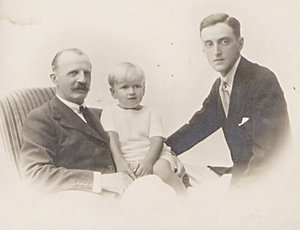
roman petrovitch de russie
1896 - 1978 , Russia
基本情報
- Artistic Movement Or Style: Pre-Raphaelite
- Artists Or Movements Influenced By This Artist:
- William Holman Hunt
- Dante Gabriel Rossetti
- Artists Who Influenced This Artist: ['Sir John Everett Millais']
- Date Of Birth: 8 June 1829
- Date Of Death: 13 August 1896
- Full Name: John Everett Millais
- Nationality: English
- Notable Artworks:
- Ophelia
- Christ in the House of His Parents
- Place Of Birth: Southampton, England