

 プレビュー
プレビュー
 シェアする
シェアする シェアする
シェアする
 詳細を見る
詳細を見る

 ダウンロード
 似ている作品
 X線調査
X線調査 スライドショー
 Stats
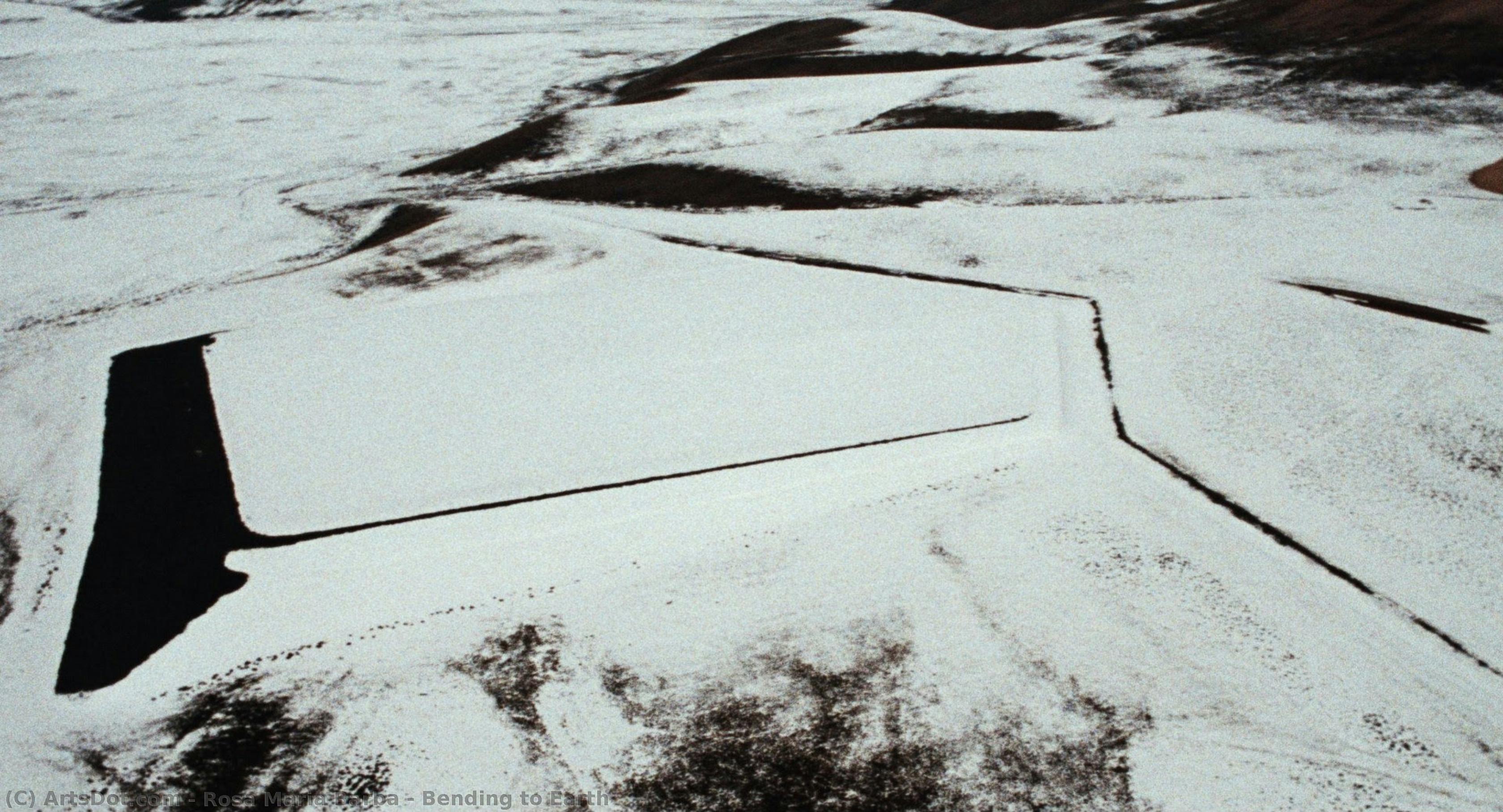
StatsBending to Earth


 詳細を見る
詳細を見る
手描き油彩複製画
当社のアーティストが、お客様のご希望のサイズと額縁に合わせて、キャンバスに手描きで制作する油彩画です。 ( Switch to Print Switch to Digital Image)




































作品のオリジナル比率に合わせた、当店の規定サイズからお選びください。

特定のフレームやスペースに合わせて、ご希望のサイズをご入力いただけます。選択されたサイズが元の画像の比率と異なる場合、アートワークをトリミングするか、手描きで要素を追加して絵画を拡張いたします。デジタルモックアップ を制作し、制作開始前にご確認(承認)をいただきます。
画面上のプレビューは、実際のトリミングや拡張を正確に反映しているものではありません。最終的な構図は、モックアップによってのみ正確にご確認いただけます。
カスタムサイズもご利用いただけますが、元の比率を維持するためには、あらかじめ用意されたリストからサイズを選択することをお勧めいたします。
ご注文後、ArtsDot.com チームより詳細な指示をお送りするとともに、仕上がりイメージ(モックアップ)をご提供いたします。


 ガラスオプションは、110cm未満のサイズでのみご利用いただけます。

Bending to Earth
複製技法
複製画のサイズ
-


合計金額
$ 263
関連作品



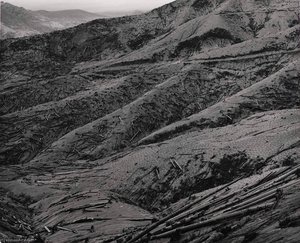

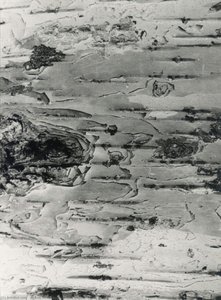

アーティストの略歴
The Cinematic Topography of Rosa Maria Barba
Born in the sun-drenched, historically layered landscape of Agrigento, Sicily, in 1972, Rosa Maria Barba has emerged as a profound voice in contemporary visual art. Her practice is not merely an observation of the world but a deep, sculptural interrogation of how we perceive reality through the lenses of film, memory, and geological time. Moving between her Italian roots and her professional life in Berlin, Barba has cultivated a unique aesthetic language that dissolves the boundaries between the moving image and physical space. Her work invites us into a realm where the flicker of a projector is as much a part of the landscape as the stone or earth upon which it is cast, creating an immersive experience that challenges the very nature of spectatorship.
The foundations of Barba’s vision are deeply rooted in the dramatic topography of her Sicilian upbringing. The volcanic legacies and ancient geological formations of her homeland serve as a silent protagonist in much of her work, instilling in her an early fascination with how physical environments shape human recollection. This connection to the earth is mirrored in her technical approach; she does not treat cinema as a window to look through, but as a material to be manipulated. By utilizing projection mapping onto textured, organic surfaces such as stone or soil, Barba transforms the ephemeral light of film into something tactile and sculptural. In doing so, she bridges the gap between the digital age's fleeting images and the enduring permanence of the natural world.
The Apparatus of Memory and Perception
At the heart of Barba’s artistic inquiry lies a fascination with the apparatus—the machines, devices, and technologies that mediate our experience of truth. She views the cinema projector not as a neutral tool, but as a central character in her narratives. Her installations often highlight the mechanical "conversation" between devices, revealing the hidden structures that organize our subjectivities and emotions. Through intentional misadjustments, paradoxes, and displacements, she destabilizes grand historical narratives, proposing instead a more fragmented, nuanced perception of reality. This method forces the viewer to confront the ways in which technology shapes our understanding of what is real and what is remembered.
Her work frequently explores several key conceptual pillars:
- Materiality of Film: A profound engagement with celluloid and the physical properties of filmic devices.
- Spatial Resonance: The transformation of gallery spaces into immersive, sculptural environments where light and shadow interact with physical matter.
- Temporal Flux: An exploration of how time is captured, manipulated, and experienced through both geological and cinematic lenses.
- The Architecture of Narrative: Revealing the composition of stories by exposing the tools used to tell them.
Legacy and Contemporary Significance
Barba’s contributions to contemporary art have earned her significant recognition within the international museum circuit, with works featured in prestigious institutions such as the Museo Nacional Centro de Arte Reina Sofía and Pirelli HangarBicocca. Her ability to synthesize the mechanical with the organic has positioned her as a pioneer of "cinematic sculpture," a term that captures her unique ability to give weight and volume to light. By treating the medium of film as a sculptural object, she has expanded the definition of installation art, pushing it toward a more sensory and psychological exploration.
In an era defined by an absolute dependence on digital gadgets and rapid technological consumption, Barba’s work serves as a vital moment of pause. She reminds us that our connection to the landscape and our personal histories is mediated by complex layers of technology, yet it remains deeply tied to the primal textures of the earth. Her enduring significance lies in this ability to find beauty in the friction between the machine and the memory, creating a space where the viewer can rediscover the profound emotional resonance of the world around them.

rosa maria barba
1972 - , Italy
基本情報
- Artistic Movement Or Style: Avant-garde film
- Date Of Birth: 1972
- Full Name: Rosa Maria Barba
- Nationality: Italian
- Notable Artworks: ['Bending to Earth']
- Place Of Birth: Agrigento, Italy
関連記事

ジョン・コンスタブルの傑作25選:英国風景画の巨匠が描く自然と光の詩 | ArtsDot
ジョン・コンスタブルの傑作25選。英国風景画の巨匠が描く自然と光の詩の世界へ。ロマン主義を代表する絵画、デダム・ヴェールやヘイ・ウェインなど、ArtsDotで高品質なアートプリントをお楽しみください。インテリアに深みと感動を。コレクションはこちら。

ロマン派ランドスケープ:時代を彩る巨匠の10選|アートとインテリアの世界
ロマン派絵画の時代を彩る10選。巨匠たちの風景が織りなす感動の世界へ。ターナー、ルーベンスなど、名作の裏話と高精細複製でアートをお部屋に。ArtsDot.comで至福のアート体験を。

Evocations of Place: A Historical Journey Through Landscape Art
Explore the rich history of landscape art with ArtsDot. Discover renowned artists, movements like Impressionism & Romanticism, and expert guidance for collecting timeless pieces. Find your perfect serene escape today!

Monochrome Visions: Exploring the Aesthetic & Historical Significance of Black & White Photography
Explore the rich history & artistic power of black and white photography. From early techniques to iconic masters like Ansel Adams, discover why monochrome continues to captivate art lovers today. Expert insights for collectors.
Beyond the Lens: Photography's Enduring Influence on Modern & Contemporary Art
Explore photography's pivotal role in shaping modern & contemporary art. Discover key movements, influential artists like Stieglitz, and expert collecting advice from ArtsDot.