

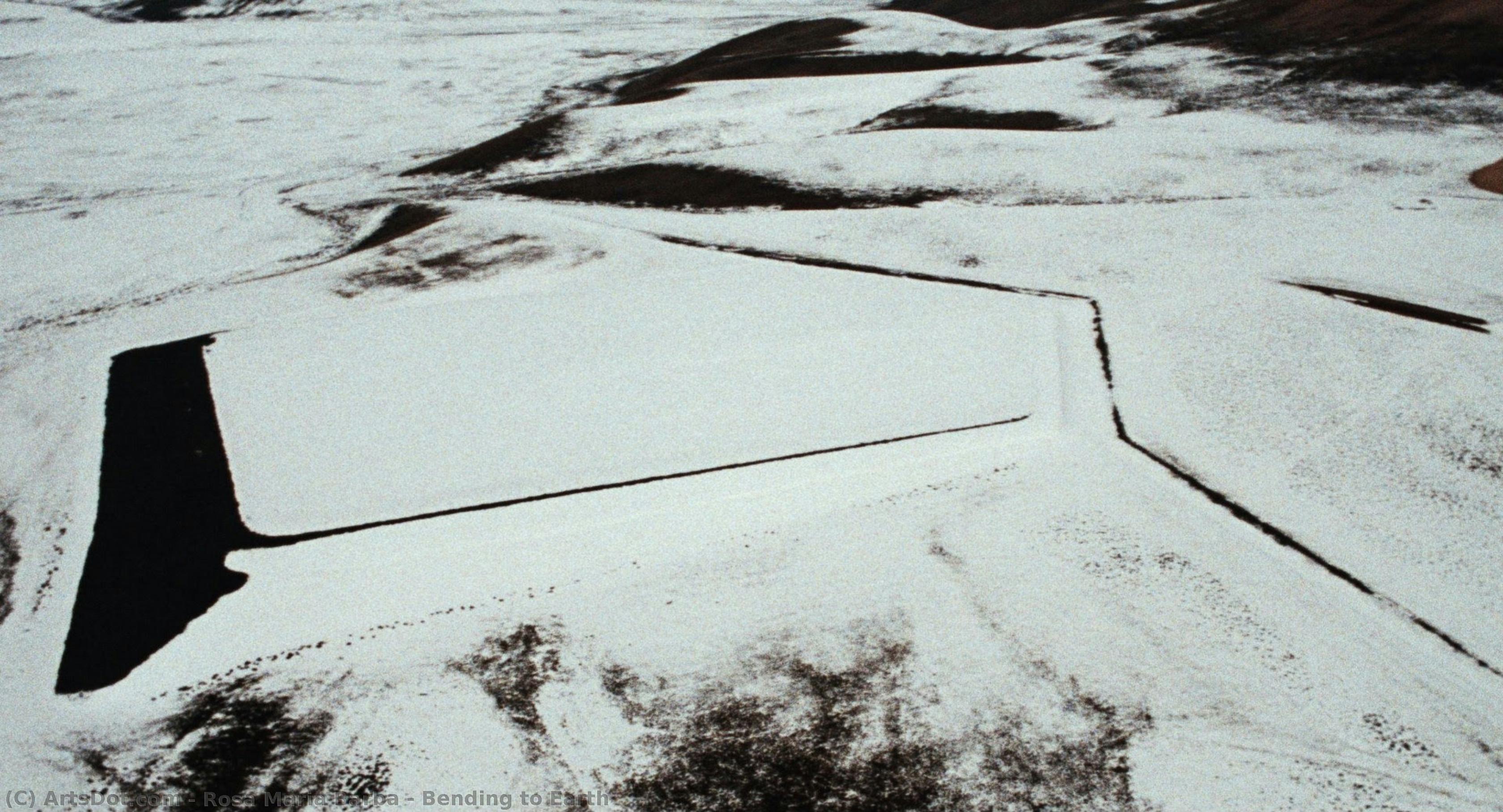
 プレビュー
プレビュー
 シェアする
シェアする シェアする
シェアする
 詳細を見る
詳細を見る

 ダウンロード
 似ている作品
 X線調査
X線調査 スライドショー
 Stats
StatsBending to Earth


 詳細を見る
詳細を見る
オンラインプレビューをはるかに凌ぐ、高解像度で鮮明なデジタル画像をご購入いただけます。
各ファイルは、社内の専門家が高度なツールと熟練した手作業によるレタッチを用いて、細心の注意を払って準備されています。すべての画像において、卓越した鮮明度、正確な色彩再現性、そして繊細なディテールを保証いたします。
最終ファイルは、プロフェッショナルな編集・印刷環境ですぐにご利用いただけるよう最適化された状態で、72時間以内にメールにてお届けいたします。これは、一流のデザインスタジオ、出版社、ギャラリーから信頼されているものと同等の品質です。
デジタルアート
個人での鑑賞、印刷、クリエイティブなプロジェクト用に、高解像度ファイルをダウンロードできます。 ( Switch to Print 手描きの絵画を購入)
デジタル画像のご注文に付随する特典
高品質なデジタル画像配信を、確かな品質で。
ArtsDot.com を選ぶことは、単に画像を手に入れることではありません。それは、プロの手によって精密に仕上げられ、満足保証が付いた高品質なデジタルアートワークを受け取ることを意味します。ご注文いただいた際に自動的に付随する内容は、以下の通りです:

メールですぐにお届け
ご注文から72時間以内に、高解像度のデジタル画像ファイルがメールでお手元に届きます。すぐにそのままご利用いただけます。

AI技術で最適化されたデジタルファイル
お客様の作品は、高度なAIツールと専門家による手作業の編集を組み合わせてプロフェッショナルに最適化されており、細部のディテール、鮮明さ、そして正確な色再現性を最大限に引き出しています。

一生涯無料の再送サービス
ファイルを誤って削除したり、紛失してしまったりしましたか?ご安心ください。いつでも無料で再送いたします。

輸入手数料は一切かかりません
関税や手数料、配送料を気にすることなく、お気に入りのアートワークをすぐにお楽しみいただけます。デジタルダウンロードは常に免税です。

色彩再現の保証
プロ仕様のツールとカラーマネジメント技術を用いることで、デジタル画像が元の色を最大限に忠実に再現することを保証いたします。

100日間満足保証
ご購入いただいたデジタル画像にご満足いただけない場合は、100日以内であれば、理由を問わず修正または100%の返金対応をさせていただきます。

100% 返金保証
ご満足いただけない場合は、デジタルファイルを受け取ってから100日以内であれば、理由を問わず全額返金いたします。

まとめ買い割引
3枚購入で10%OFF - 5枚購入で15%OFF - 10枚以上購入で20%OFF。クリエイティブなプロジェクト、ギャラリー、エージェンシーに最適です。
関連作品





作家の略歴
The Cinematic Topography of Rosa Maria Barba
Born in the sun-drenched, historically layered landscape of Agrigento, Sicily, in 1972, Rosa Maria Barba has emerged as a profound voice in contemporary visual art. Her practice is not merely an observation of the world but a deep, sculptural interrogation of how we perceive reality through the lenses of film, memory, and geological time. Moving between her Italian roots and her professional life in Berlin, Barba has cultivated a unique aesthetic language that dissolves the boundaries between the moving image and physical space. Her work invites us into a realm where the flicker of a projector is as much a part of the landscape as the stone or earth upon which it is cast, creating an immersive experience that challenges the very nature of spectatorship.
The foundations of Barba’s vision are deeply rooted in the dramatic topography of her Sicilian upbringing. The volcanic legacies and ancient geological formations of her homeland serve as a silent protagonist in much of her work, instilling in her an early fascination with how physical environments shape human recollection. This connection to the earth is mirrored in her technical approach; she does not treat cinema as a window to look through, but as a material to be manipulated. By utilizing projection mapping onto textured, organic surfaces such as stone or soil, Barba transforms the ephemeral light of film into something tactile and sculptural. In doing so, she bridges the gap between the digital age's fleeting images and the enduring permanence of the natural world.
The Apparatus of Memory and Perception
At the heart of Barba’s artistic inquiry lies a fascination with the apparatus—the machines, devices, and technologies that mediate our experience of truth. She views the cinema projector not as a neutral tool, but as a central character in her narratives. Her installations often highlight the mechanical "conversation" between devices, revealing the hidden structures that organize our subjectivities and emotions. Through intentional misadjustments, paradoxes, and displacements, she destabilizes grand historical narratives, proposing instead a more fragmented, nuanced perception of reality. This method forces the viewer to confront the ways in which technology shapes our understanding of what is real and what is remembered.
Her work frequently explores several key conceptual pillars:
- Materiality of Film: A profound engagement with celluloid and the physical properties of filmic devices.
- Spatial Resonance: The transformation of gallery spaces into immersive, sculptural environments where light and shadow interact with physical matter.
- Temporal Flux: An exploration of how time is captured, manipulated, and experienced through both geological and cinematic lenses.
- The Architecture of Narrative: Revealing the composition of stories by exposing the tools used to tell them.
Legacy and Contemporary Significance
Barba’s contributions to contemporary art have earned her significant recognition within the international museum circuit, with works featured in prestigious institutions such as the Museo Nacional Centro de Arte Reina Sofía and Pirelli HangarBicocca. Her ability to synthesize the mechanical with the organic has positioned her as a pioneer of "cinematic sculpture," a term that captures her unique ability to give weight and volume to light. By treating the medium of film as a sculptural object, she has expanded the definition of installation art, pushing it toward a more sensory and psychological exploration.
In an era defined by an absolute dependence on digital gadgets and rapid technological consumption, Barba’s work serves as a vital moment of pause. She reminds us that our connection to the landscape and our personal histories is mediated by complex layers of technology, yet it remains deeply tied to the primal textures of the earth. Her enduring significance lies in this ability to find beauty in the friction between the machine and the memory, creating a space where the viewer can rediscover the profound emotional resonance of the world around them.

rosa maria barba
1972 - , Italy
プロフィール概要
- Artistic Movement Or Style: Avant-garde film
- Date Of Birth: 1972
- Full Name: Rosa Maria Barba
- Nationality: Italian
- Notable Artworks: ['Bending to Earth']
- Place Of Birth: Agrigento, Italy