 プレビュー
プレビュー
 プリントを購入
 シェアする
シェアする シェアする
シェアする
 詳細を見る
詳細を見る

 ダウンロード
 似ている作品
 X線調査
X線調査 スライドショー
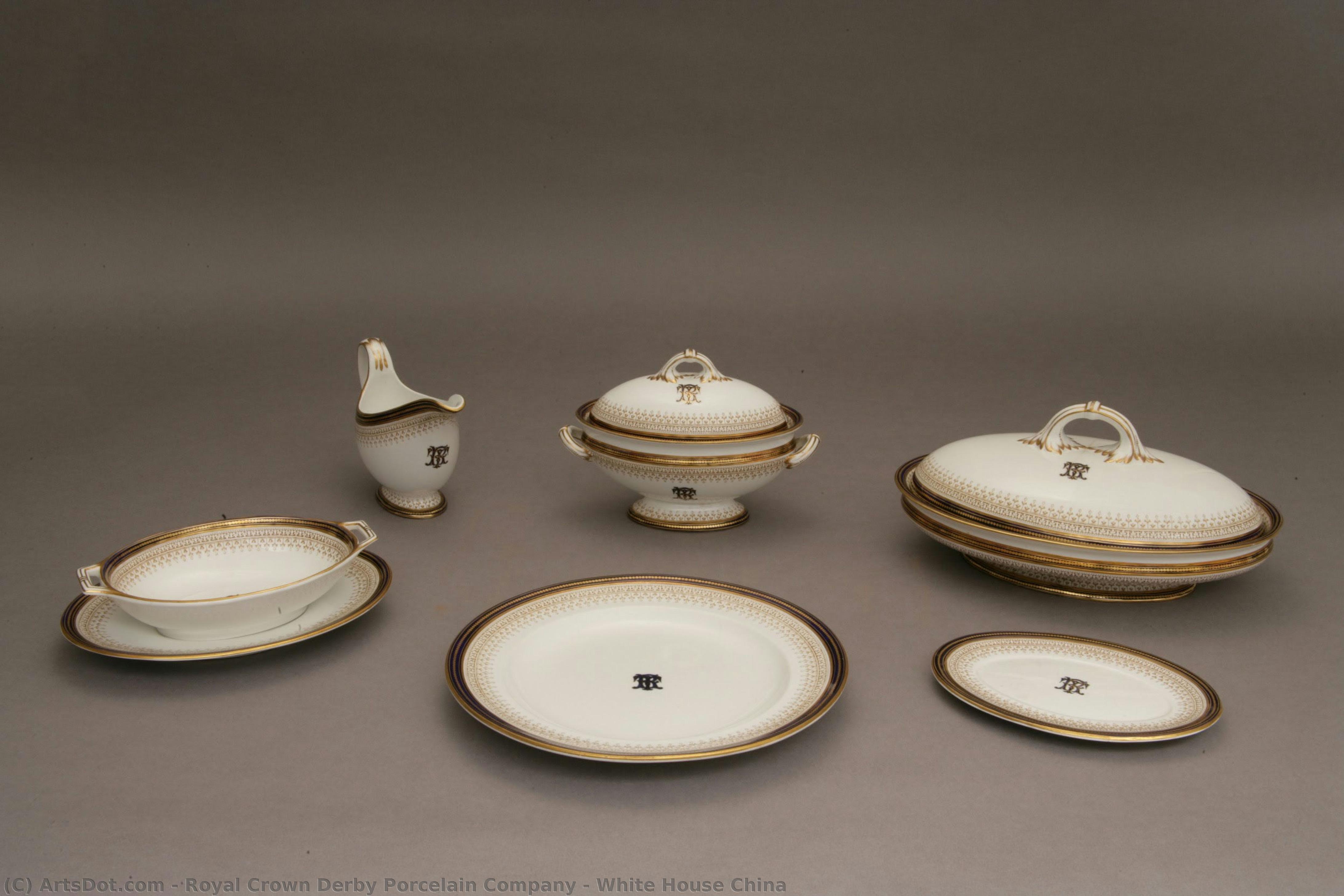
White House China


 詳細を見る
詳細を見る




































標準サイズ
オーダーメイド
CM
INCH
作品のオリジナル比率に合わせた、当店の規定サイズからお選びください。
Loading sizes...

幅
高さ
特定のフレームやスペースに合わせて、ご希望のサイズをご入力いただけます。選択されたサイズが元の画像の比率と異なる場合、アートワークをトリミングするか、手描きで要素を追加して絵画を拡張いたします。デジタルモックアップ を制作し、制作開始前にご確認(承認)をいただきます。
画面上のプレビューは、実際のトリミングや拡張を正確に反映しているものではありません。最終的な構図は、モックアップによってのみ正確にご確認いただけます。
カスタムサイズもご利用いただけますが、元の比率を維持するためには、あらかじめ用意されたリストからサイズを選択することをお勧めいたします。
カスタマイズの例:顔をお客様の写真に置き換える、ペットを追加する(例:猫を犬に変更)、背景に隠れたメッセージを入れる、背景の風景や要素を変更するなど。
ご注文後、ArtsDot.com チームより詳細な指示をお送りするとともに、仕上がりイメージ(モックアップ)をご提供いたします。
ご注文後、ArtsDot.com チームより詳細な指示をお送りするとともに、仕上がりイメージ(モックアップ)をご提供いたします。


 ガラスオプションは、110cm未満のサイズでのみご利用いただけます。

White House China
複製技法
複製画のサイズ
-


合計金額
$ 263
Produced by Royal Crown Derby between 1877-1890, these dishes belong to a larger set of formal china made for Theodore Roosevelt with his initials
関連作品









アーティストの略歴
The Enduring Legacy of Royal Crown Derby Porcelain
The story of Royal Crown Derby is not that of a single artist, but rather the captivating chronicle of an English manufactory – a beacon of artistry and innovation in porcelain production spanning centuries. Originating in Derby, England, around 1750, its roots lie with Duesbury & Parke, a small workshop initially decorating imported porcelain from East Asia. This early phase was characterized by skillful imitation, but quickly evolved into something uniquely British, driven by the ambition to create porcelain of equal quality and beauty as its Chinese counterparts. The initial success stemmed from their mastery of transfer printing, allowing for intricate designs to be applied with remarkable precision – a technique that proved immensely popular amongst an emerging middle class eager for affordable luxury. Early Innovations and the Rise to Prominence The true turning point arrived with William Duesbury’s acquisition of the factory in 1756-57. A chemist and astute businessman, Duesbury wasn't merely a manager; he was an innovator who relentlessly pursued improvements in porcelain body composition and glaze technology. He sought to move beyond imitation and establish Derby as a creator of original designs. This led to the development of soft-paste porcelain renowned for its delicate translucence and exceptional whiteness. The factory’s reputation soared, attracting talented painters like John Brewer and Peter Fulwood, who brought their skills in enamel painting and gilding to bear on increasingly sophisticated forms. By 1770, Derby had earned royal patronage – a pivotal moment that cemented its status and bestowed the coveted “Crown” designation, forever linking it with the British monarchy. The early pieces from this period often featured charming pastoral scenes, botanical motifs, and depictions of fashionable life, reflecting the Rococo tastes of the aristocracy.The Reign of Chelsea-Derby and Beyond
Duesbury’s ambition didn't stop there. In 1773, he acquired the struggling Chelsea Porcelain Manufactory in London, creating a powerful combined enterprise known as Chelsea-Derby. This merger brought with it access to new markets, skilled artisans, and importantly, the coveted Chelsea molds – renowned for their graceful forms and delicate sculpting. The fusion of Derby’s technical prowess with Chelsea's aesthetic sensibilities resulted in some of the most exquisite porcelain produced during the late 18th century. However, maintaining two factories proved challenging, and after Duesbury’s death in 1786, the Chelsea works were eventually sold. The focus returned to Derby, where the factory continued to flourish under successive owners, adapting its style to reflect changing tastes – from Neoclassicism to Romanticism and Victorian exuberance.- Significant Patterns: Throughout the 19th century, Royal Crown Derby developed a series of iconic patterns that remain in production today. These include Old Imari, known for its vibrant Japanese-inspired designs; King’s Pattern, with its richly gilded borders and floral sprays; and Posies, a delicate pattern featuring an abundance of hand-painted flowers.
- The Bloor Period: The early 19th century saw the rise of Robert Bloor, whose innovative glaze recipes and mastery of Imari decoration revitalized the factory’s fortunes. His work is particularly celebrated for its depth of color and intricate detailing.