 プレビュー
プレビュー
 シェアする
シェアする シェアする
シェアする
 詳細を見る
詳細を見る

 ダウンロード
 似ている作品
 X線調査
X線調査 スライドショー
 Stats
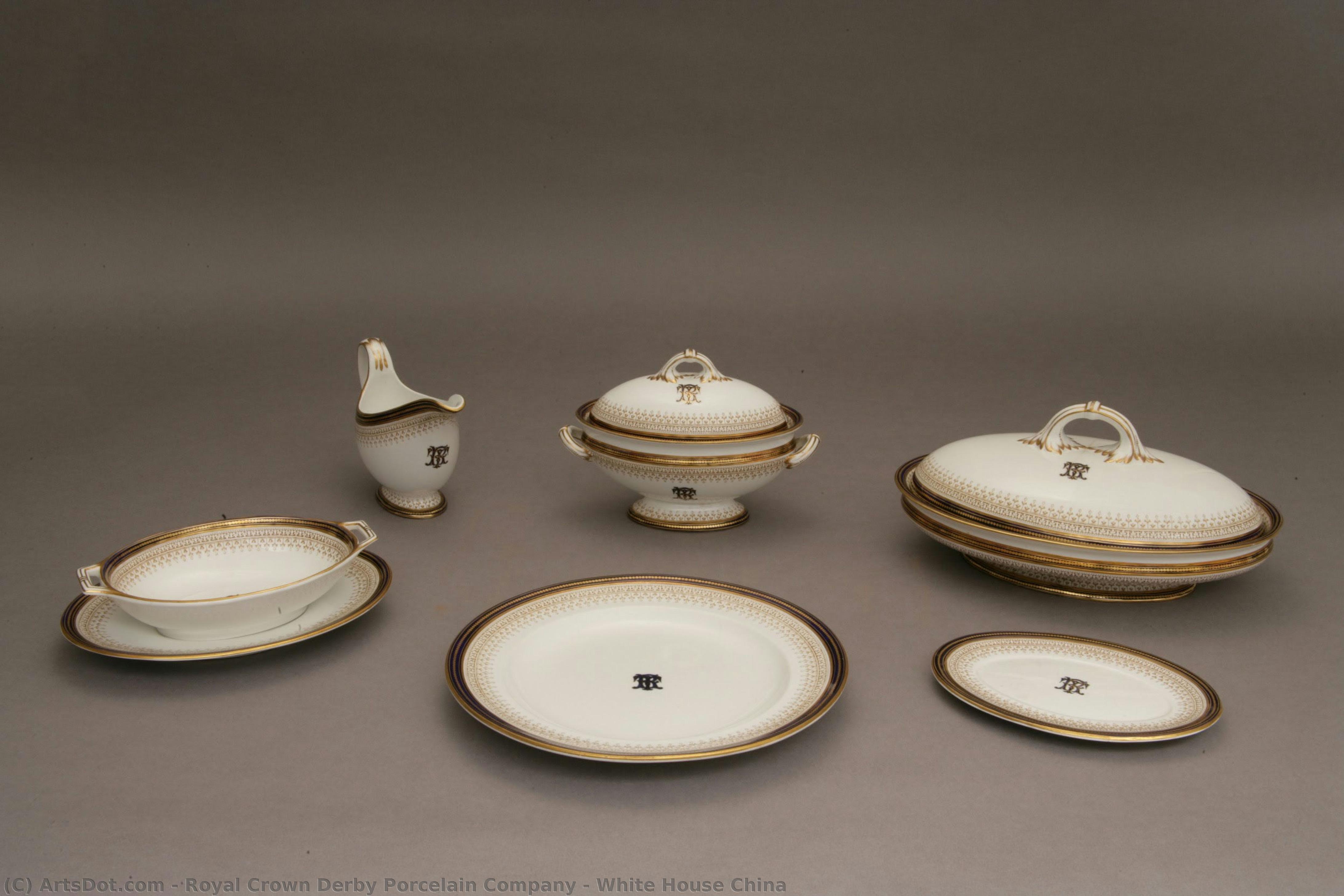
StatsWhite House China


 詳細を見る
詳細を見る
オンラインプレビューをはるかに凌ぐ、高解像度で鮮明なデジタル画像をご購入いただけます。
各ファイルは、社内の専門家が高度なツールと熟練した手作業によるレタッチを用いて、細心の注意を払って準備されています。すべての画像において、卓越した鮮明度、正確な色彩再現性、そして繊細なディテールを保証いたします。
最終ファイルは、プロフェッショナルな編集・印刷環境ですぐにご利用いただけるよう最適化された状態で、72時間以内にメールにてお届けいたします。これは、一流のデザインスタジオ、出版社、ギャラリーから信頼されているものと同等の品質です。
デジタルアート
個人での鑑賞、印刷、クリエイティブなプロジェクト用に、高解像度ファイルをダウンロードできます。 ( Switch to Print 手描きの絵画を購入)
デジタル画像のご注文に付随する特典
高品質なデジタル画像配信を、確かな品質で。
ArtsDot.com を選ぶことは、単に画像を手に入れることではありません。それは、プロの手によって精密に仕上げられ、満足保証が付いた高品質なデジタルアートワークを受け取ることを意味します。ご注文いただいた際に自動的に付随する内容は、以下の通りです:

メールですぐにお届け
ご注文から72時間以内に、高解像度のデジタル画像ファイルがメールでお手元に届きます。すぐにそのままご利用いただけます。

AI技術で最適化されたデジタルファイル
お客様の作品は、高度なAIツールと専門家による手作業の編集を組み合わせてプロフェッショナルに最適化されており、細部のディテール、鮮明さ、そして正確な色再現性を最大限に引き出しています。

一生涯無料の再送サービス
ファイルを誤って削除したり、紛失してしまったりしましたか?ご安心ください。いつでも無料で再送いたします。

輸入手数料は一切かかりません
関税や手数料、配送料を気にすることなく、お気に入りのアートワークをすぐにお楽しみいただけます。デジタルダウンロードは常に免税です。

色彩再現の保証
プロ仕様のツールとカラーマネジメント技術を用いることで、デジタル画像が元の色を最大限に忠実に再現することを保証いたします。

100日間満足保証
ご購入いただいたデジタル画像にご満足いただけない場合は、100日以内であれば、理由を問わず修正または100%の返金対応をさせていただきます。

100% 返金保証
ご満足いただけない場合は、デジタルファイルを受け取ってから100日以内であれば、理由を問わず全額返金いたします。

まとめ買い割引
3枚購入で10%OFF - 5枚購入で15%OFF - 10枚以上購入で20%OFF。クリエイティブなプロジェクト、ギャラリー、エージェンシーに最適です。
関連作品








作家の略歴
The Enduring Legacy of Royal Crown Derby Porcelain
The story of Royal Crown Derby is not that of a single artist, but rather the captivating chronicle of an English manufactory – a beacon of artistry and innovation in porcelain production spanning centuries. Originating in Derby, England, around 1750, its roots lie with Duesbury & Parke, a small workshop initially decorating imported porcelain from East Asia. This early phase was characterized by skillful imitation, but quickly evolved into something uniquely British, driven by the ambition to create porcelain of equal quality and beauty as its Chinese counterparts. The initial success stemmed from their mastery of transfer printing, allowing for intricate designs to be applied with remarkable precision – a technique that proved immensely popular amongst an emerging middle class eager for affordable luxury. Early Innovations and the Rise to Prominence The true turning point arrived with William Duesbury’s acquisition of the factory in 1756-57. A chemist and astute businessman, Duesbury wasn't merely a manager; he was an innovator who relentlessly pursued improvements in porcelain body composition and glaze technology. He sought to move beyond imitation and establish Derby as a creator of original designs. This led to the development of soft-paste porcelain renowned for its delicate translucence and exceptional whiteness. The factory’s reputation soared, attracting talented painters like John Brewer and Peter Fulwood, who brought their skills in enamel painting and gilding to bear on increasingly sophisticated forms. By 1770, Derby had earned royal patronage – a pivotal moment that cemented its status and bestowed the coveted “Crown” designation, forever linking it with the British monarchy. The early pieces from this period often featured charming pastoral scenes, botanical motifs, and depictions of fashionable life, reflecting the Rococo tastes of the aristocracy.The Reign of Chelsea-Derby and Beyond
Duesbury’s ambition didn't stop there. In 1773, he acquired the struggling Chelsea Porcelain Manufactory in London, creating a powerful combined enterprise known as Chelsea-Derby. This merger brought with it access to new markets, skilled artisans, and importantly, the coveted Chelsea molds – renowned for their graceful forms and delicate sculpting. The fusion of Derby’s technical prowess with Chelsea's aesthetic sensibilities resulted in some of the most exquisite porcelain produced during the late 18th century. However, maintaining two factories proved challenging, and after Duesbury’s death in 1786, the Chelsea works were eventually sold. The focus returned to Derby, where the factory continued to flourish under successive owners, adapting its style to reflect changing tastes – from Neoclassicism to Romanticism and Victorian exuberance.- Significant Patterns: Throughout the 19th century, Royal Crown Derby developed a series of iconic patterns that remain in production today. These include Old Imari, known for its vibrant Japanese-inspired designs; King’s Pattern, with its richly gilded borders and floral sprays; and Posies, a delicate pattern featuring an abundance of hand-painted flowers.
- The Bloor Period: The early 19th century saw the rise of Robert Bloor, whose innovative glaze recipes and mastery of Imari decoration revitalized the factory’s fortunes. His work is particularly celebrated for its depth of color and intricate detailing.