

 プレビュー
プレビュー
 シェアする
シェアする シェアする
シェアする
 詳細を見る
詳細を見る

 ダウンロード
 似ている作品
 X線調査
X線調査 スライドショー
 Stats
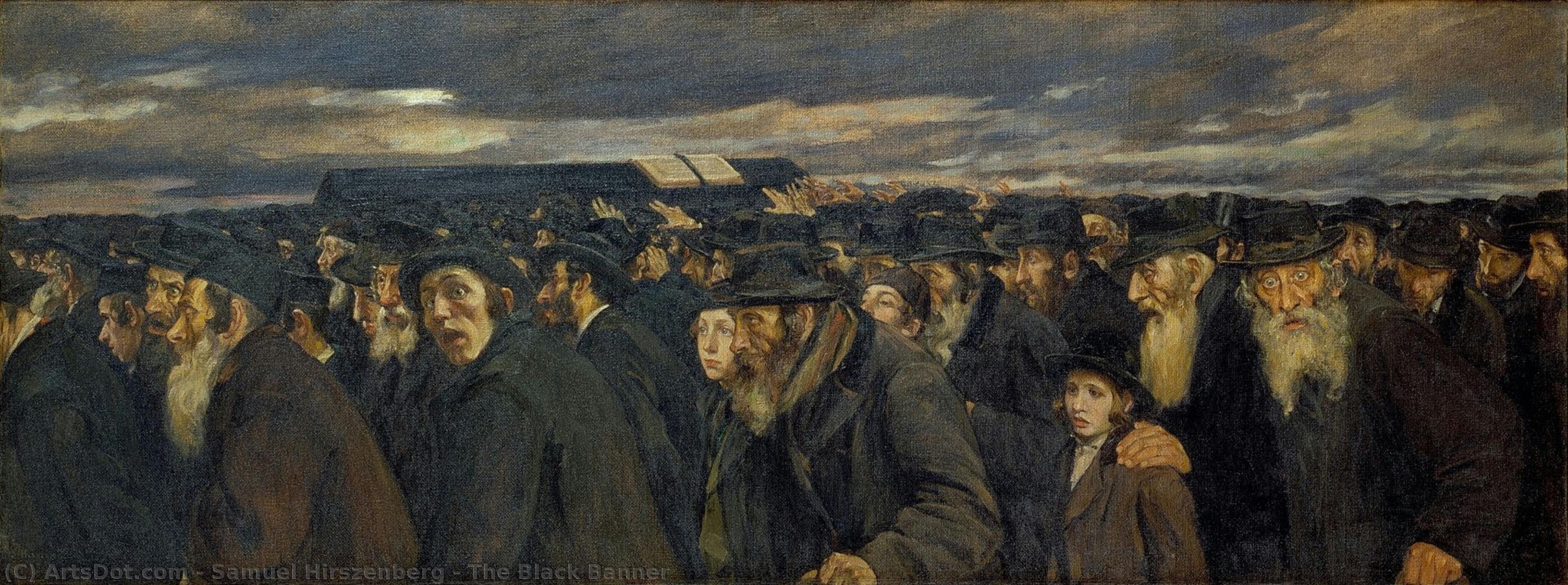
StatsThe Black Banner
 Oil On Canvas
- WallArt
- Realism
 1905
1905- Modern
 76.0 x 205.0 cm
 The Jewish Museum
 詳細を見る
詳細を見る
手描き油彩複製画
当社のアーティストが、お客様のご希望のサイズと額縁に合わせて、キャンバスに手描きで制作する油彩画です。 ( Switch to Print Switch to Digital Image)




P118B $10

P118H $10

P118W $10

P438Z $10

P508JH $12

P508YH $12

P805H $10

P805Z $10

P919BZ $10

P919G $10

P919XJ $10

P959ZH $10

P968JZ $12

W106C $8

W218G $10

W218JH $8

W218Y $10

W307PJ $10

W316G $10

W316PJ $8

W316Y $10

W398PJ $8

W4111J $10

W500HY $15

W500JH $15

W692G $12

W849H $8

W940BG $15

W953PJ $8




作品のオリジナル比率に合わせた、当店の規定サイズからお選びください。

特定のフレームやスペースに合わせて、ご希望のサイズをご入力いただけます。選択されたサイズが元の画像の比率と異なる場合、アートワークをトリミングするか、手描きで要素を追加して絵画を拡張いたします。デジタルモックアップ を制作し、制作開始前にご確認(承認)をいただきます。
画面上のプレビューは、実際のトリミングや拡張を正確に反映しているものではありません。最終的な構図は、モックアップによってのみ正確にご確認いただけます。
カスタムサイズもご利用いただけますが、元の比率を維持するためには、あらかじめ用意されたリストからサイズを選択することをお勧めいたします。
ご注文後、ArtsDot.com チームより詳細な指示をお送りするとともに、仕上がりイメージ(モックアップ)をご提供いたします。


 ガラスオプションは、110cm未満のサイズでのみご利用いただけます。

The Black Banner
複製技法
複製画のサイズ
-


合計金額
$ 263
A Vision of Sorrow and Solidarity
In the hauntingly powerful oil on canvas, The Black Banner, Samuel Hirszenberg captures a moment of profound collective grief that transcends time. Painted in 1905, this monumental work serves as a visceral window into the turbulent landscape of Russian-dominated Poland at the dawn of the twentieth century. The composition presents a dense, somber crowd of figures, all unified by a sea of black clothing and mourning attire. As the eye wanders through the throng, it encounters a tapestry of human emotion; some faces are etched with silent despair, while others gaze outward with a haunting intensity. The sheer scale of the piece, measuring 76 x 205 cm, allows the viewer to feel submerged within the assembly, as if standing amidst the very mourners depicted on the canvas.
The technical mastery of Hirszenberg is evident in his ability to manipulate light and shadow to evoke a sense of heavy, atmospheric tension. The artist utilizes a realistic style, likely influenced by his rigorous training at the academies of Kraków and Munich, to render the textures of fabric, the grimness of the outdoor setting, and the subtle nuances of facial expressions. There is a deliberate, rhythmic quality to the placement of the figures, creating a sense of movement that leads the viewer toward the most poignant elements of the work. The sky above, visible through the gaps in the crowd, offers a stark, cold contrast to the dark, earthbound weight of the people below, emphasizing the isolation and the heavy burden of their shared reality.
The Weight of History and Symbolism
Beyond its formal beauty, The Black Banner is a deeply political and social document. Hirszenberg was a pioneer in using his brush to expose the harrowing plight of Jewish communities during the era of pogroms. The painting functions as more than just a portrait of a crowd; it is a symbolic representation of resilience in the face of devastation. The "black banner" suggested by the title and the somber palette serves as a metaphor for the mourning period of an entire people. One can almost sense the palpable tension in the air, where the terror of the individual—perhaps even reflected in the artist's own gaze—merges with the collective strength of the community.
For the discerning collector or interior designer, this artwork offers a profound emotional anchor for any space. It is a piece that demands contemplation, making it an ideal centerpiece for galleries, libraries, or sophisticated living environments where art is intended to provoke thought and conversation. A high-quality reproduction of this masterpiece allows one to bring this historical gravity into a contemporary setting, providing a sophisticated touch of academic depth and dramatic flair. To possess such a work is to hold a piece of history that speaks of the enduring human spirit, making it an invaluable addition to a curated collection of fine art.
関連作品


アーティストの略歴
Samuel Hirszenberg: Life and Legacy
Early Life and Education
- Samuel (Shmuel) Hirszenberg was born on February 22, 1865, in Łódź, Poland, the eldest son of a weaving mill worker.
- Despite his father’s disapproval, he pursued his passion for art with financial assistance from a local doctor.
- He began his artistic training at the Academy of Fine Arts in Kraków at age 15, deeply influenced by the realistic style of Jan Matejko.
- From 1885 to 1889, he continued his studies at the Royal Academy of Arts in Munich.
Early Career and Recognition
- His early work, “Jeschibah” (1887), garnered significant attention.
- An exhibition at the Kunstverein Munich (1889) led to a silver medal at an art exhibition in Paris.
- He further honed his skills at the Académie Colarossi in Paris, completing his artistic education.
Return to Poland and Artistic Development
- In 1891, Hirszenberg returned to Poland and settled in Łódź in 1893.
- His early paintings – “Talmudic Studies,” “Sabbath Afternoon,” “Uriel Acosta,” and “The Jewish Cemetery” – initially aligned with the Jewish genre painting tradition of artists like Leopold Horowitz, Isidor Kaufmann, and Maurycy Gottlieb.
- However, his work gradually shifted towards Symbolism, exploring themes of Jewish history and exile.
Major Works and Themes
- His most renowned paintings from this period include “The Wandering Jew” (1899), “Exile” (1904), and “Czarny Sztandar / Black Flag” (1905).
- He spent over four years creating “The Eternal Jew,” exhibited at the Paris Salon in 1900, but was disappointed by its reception.
- His work often depicted themes of suffering, displacement, and Jewish identity.
Later Life and Legacy
- Disheartened by the lack of recognition, Hirszenberg took a year-long trip to Italy in 1901 for health reasons.
- In 1904, he moved to Kraków and immigrated to Palestine in 1907.
- He became a lecturer at the newly founded Bezalel School in Jerusalem, headed by Boris Schatz.
- Sadly, Hirszenberg died in Jerusalem on September 15, 1908, after a brief but intense creative period.
Historical Significance
- Samuel Hirszenberg is recognized as an important figure in Polish-Jewish art, bridging Realism and Symbolism.
- His evocative depictions of Jewish life, history, and exile continue to resonate with audiences today.
- He contributed significantly to the development of early Israeli art through his work at the Bezalel School.
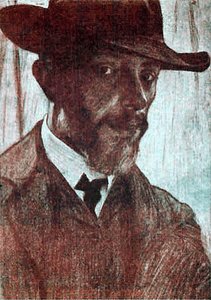
Samuel Hirszenberg
1865 - 1908 , Poland
基本情報
- Birth Date: February 22, 1865
- Birth Place: Łódź, Poland
- Death Date: September 15, 1908
- Influenced By: Jan Matejko
- Movement:
- Realism
- Symbolism
- Name: Samuel Hirszenberg
- Nationality: Polish-Jewish
- Notable Works:
- Jeschibah
- The Wandering Jew
- Exile
- Black Flag
- The Sabbath Rest
関連記事

Dark Masterpieces: 10 Iconic Paintings Dominated by Black Tones |
Explore 10 iconic paintings dominated by black tones, from Rembrandt’s chiaroscuro to Goya's dark expressions. Discover the stories behind these masterpieces & find museum-quality art reproductions for your home at .
Somber Masterpieces: 10 Artworks That Stir the Soul |
Delve into 10 somber masterpieces by Rembrandt, Munch & Van Gogh. Explore emotional art history, dark palettes & powerful expression. Find museum-quality reproductions & curated wall decor ideas at . Discover all masterpieces online.
Mars Black Masterpieces: 10 Iconic Paintings & Timeless Art Decor Ideas
Delve into the power of 'Mars Black' with 10 iconic paintings by masters like Rembrandt & Caravaggio. Explore dramatic chiaroscuro, gothic art, and timeless beauty. Find museum-quality reproductions & elevate your home decor on .
Ivory Black Masters: 10 Paintings That Define Dramatic Art |
Delve into the power of 'Ivory Black' with 10 iconic paintings by masters like Rembrandt & Caravaggio. Explore dramatic chiaroscuro, gothic moods & timeless art history. Find museum-quality reproductions and elevate your home decor at
Lamp Black & Masterpieces: 10 Paintings That Define Shadow & Light |
Delve into the captivating world of 'Lamp Black' tones with 10 iconic paintings by masters like Rembrandt & Caravaggio. Explore Baroque chiaroscuro, dramatic lighting & shadow in art history. Find museum-quality reproductions at