

 プレビュー
プレビュー
 シェアする
シェアする シェアする
シェアする
 詳細を見る
詳細を見る

 ダウンロード
 似ている作品
 X線調査
X線調査 スライドショー
 Stats
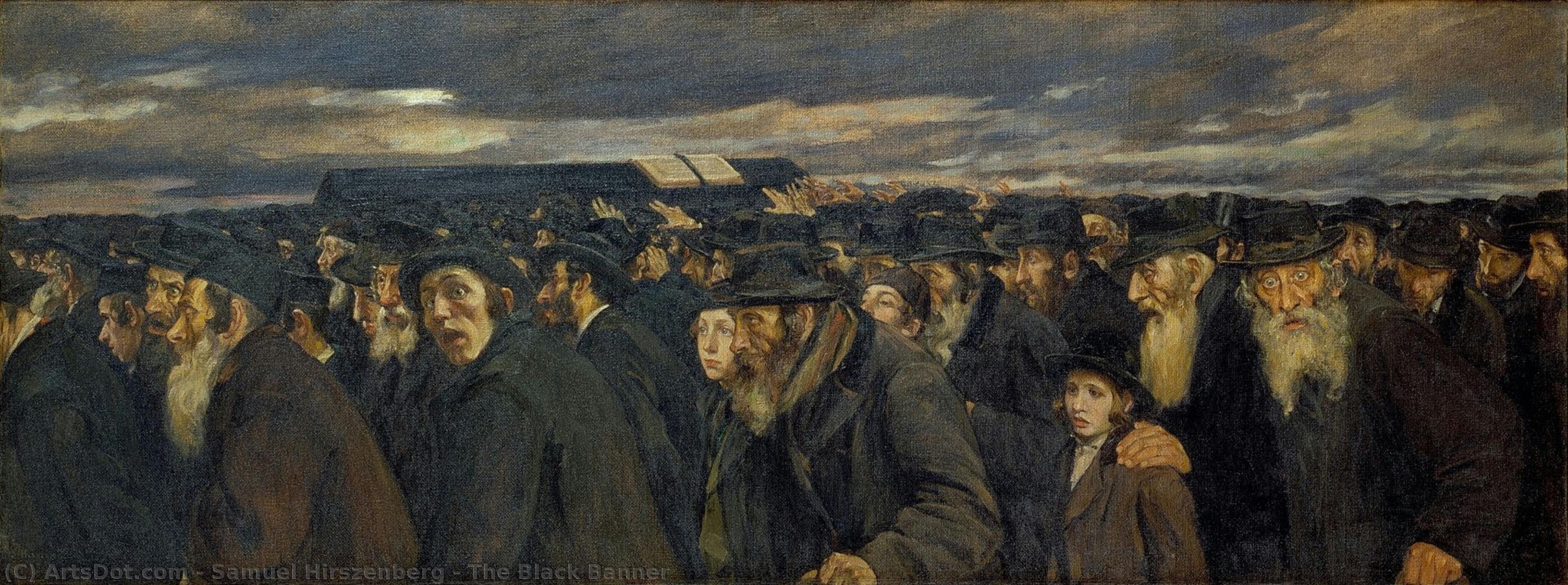
StatsThe Black Banner
 Oil On Canvas
- WallArt
- Realism
 1905
1905- Modern
 76.0 x 205.0 cm
 The Jewish Museum
 詳細を見る
詳細を見る
オンラインプレビューをはるかに凌ぐ、高解像度で鮮明なデジタル画像をご購入いただけます。
各ファイルは、社内の専門家が高度なツールと熟練した手作業によるレタッチを用いて、細心の注意を払って準備されています。すべての画像において、卓越した鮮明度、正確な色彩再現性、そして繊細なディテールを保証いたします。
最終ファイルは、プロフェッショナルな編集・印刷環境ですぐにご利用いただけるよう最適化された状態で、72時間以内にメールにてお届けいたします。これは、一流のデザインスタジオ、出版社、ギャラリーから信頼されているものと同等の品質です。
デジタルアート
個人での鑑賞、印刷、クリエイティブなプロジェクト用に、高解像度ファイルをダウンロードできます。 ( Switch to Print 手描きの絵画を購入)
デジタル画像のご注文に付随する特典
高品質なデジタル画像配信を、確かな品質で。
ArtsDot.com を選ぶことは、単に画像を手に入れることではありません。それは、プロの手によって精密に仕上げられ、満足保証が付いた高品質なデジタルアートワークを受け取ることを意味します。ご注文いただいた際に自動的に付随する内容は、以下の通りです:

メールですぐにお届け
ご注文から72時間以内に、高解像度のデジタル画像ファイルがメールでお手元に届きます。すぐにそのままご利用いただけます。

AI技術で最適化されたデジタルファイル
お客様の作品は、高度なAIツールと専門家による手作業の編集を組み合わせてプロフェッショナルに最適化されており、細部のディテール、鮮明さ、そして正確な色再現性を最大限に引き出しています。

一生涯無料の再送サービス
ファイルを誤って削除したり、紛失してしまったりしましたか?ご安心ください。いつでも無料で再送いたします。

輸入手数料は一切かかりません
関税や手数料、配送料を気にすることなく、お気に入りのアートワークをすぐにお楽しみいただけます。デジタルダウンロードは常に免税です。

色彩再現の保証
プロ仕様のツールとカラーマネジメント技術を用いることで、デジタル画像が元の色を最大限に忠実に再現することを保証いたします。

100日間満足保証
ご購入いただいたデジタル画像にご満足いただけない場合は、100日以内であれば、理由を問わず修正または100%の返金対応をさせていただきます。

100% 返金保証
ご満足いただけない場合は、デジタルファイルを受け取ってから100日以内であれば、理由を問わず全額返金いたします。

まとめ買い割引
3枚購入で10%OFF - 5枚購入で15%OFF - 10枚以上購入で20%OFF。クリエイティブなプロジェクト、ギャラリー、エージェンシーに最適です。
A Vision of Sorrow and Solidarity
In the hauntingly powerful oil on canvas, The Black Banner, Samuel Hirszenberg captures a moment of profound collective grief that transcends time. Painted in 1905, this monumental work serves as a visceral window into the turbulent landscape of Russian-dominated Poland at the dawn of the twentieth century. The composition presents a dense, somber crowd of figures, all unified by a sea of black clothing and mourning attire. As the eye wanders through the throng, it encounters a tapestry of human emotion; some faces are etched with silent despair, while others gaze outward with a haunting intensity. The sheer scale of the piece, measuring 76 x 205 cm, allows the viewer to feel submerged within the assembly, as if standing amidst the very mourners depicted on the canvas.
The technical mastery of Hirszenberg is evident in his ability to manipulate light and shadow to evoke a sense of heavy, atmospheric tension. The artist utilizes a realistic style, likely influenced by his rigorous training at the academies of Kraków and Munich, to render the textures of fabric, the grimness of the outdoor setting, and the subtle nuances of facial expressions. There is a deliberate, rhythmic quality to the placement of the figures, creating a sense of movement that leads the viewer toward the most poignant elements of the work. The sky above, visible through the gaps in the crowd, offers a stark, cold contrast to the dark, earthbound weight of the people below, emphasizing the isolation and the heavy burden of their shared reality.
The Weight of History and Symbolism
Beyond its formal beauty, The Black Banner is a deeply political and social document. Hirszenberg was a pioneer in using his brush to expose the harrowing plight of Jewish communities during the era of pogroms. The painting functions as more than just a portrait of a crowd; it is a symbolic representation of resilience in the face of devastation. The "black banner" suggested by the title and the somber palette serves as a metaphor for the mourning period of an entire people. One can almost sense the palpable tension in the air, where the terror of the individual—perhaps even reflected in the artist's own gaze—merges with the collective strength of the community.
For the discerning collector or interior designer, this artwork offers a profound emotional anchor for any space. It is a piece that demands contemplation, making it an ideal centerpiece for galleries, libraries, or sophisticated living environments where art is intended to provoke thought and conversation. A high-quality reproduction of this masterpiece allows one to bring this historical gravity into a contemporary setting, providing a sophisticated touch of academic depth and dramatic flair. To possess such a work is to hold a piece of history that speaks of the enduring human spirit, making it an invaluable addition to a curated collection of fine art.
関連作品


作家の略歴
Samuel Hirszenberg: Life and Legacy
Early Life and Education
- Samuel (Shmuel) Hirszenberg was born on February 22, 1865, in Łódź, Poland, the eldest son of a weaving mill worker.
- Despite his father’s disapproval, he pursued his passion for art with financial assistance from a local doctor.
- He began his artistic training at the Academy of Fine Arts in Kraków at age 15, deeply influenced by the realistic style of Jan Matejko.
- From 1885 to 1889, he continued his studies at the Royal Academy of Arts in Munich.
Early Career and Recognition
- His early work, “Jeschibah” (1887), garnered significant attention.
- An exhibition at the Kunstverein Munich (1889) led to a silver medal at an art exhibition in Paris.
- He further honed his skills at the Académie Colarossi in Paris, completing his artistic education.
Return to Poland and Artistic Development
- In 1891, Hirszenberg returned to Poland and settled in Łódź in 1893.
- His early paintings – “Talmudic Studies,” “Sabbath Afternoon,” “Uriel Acosta,” and “The Jewish Cemetery” – initially aligned with the Jewish genre painting tradition of artists like Leopold Horowitz, Isidor Kaufmann, and Maurycy Gottlieb.
- However, his work gradually shifted towards Symbolism, exploring themes of Jewish history and exile.
Major Works and Themes
- His most renowned paintings from this period include “The Wandering Jew” (1899), “Exile” (1904), and “Czarny Sztandar / Black Flag” (1905).
- He spent over four years creating “The Eternal Jew,” exhibited at the Paris Salon in 1900, but was disappointed by its reception.
- His work often depicted themes of suffering, displacement, and Jewish identity.
Later Life and Legacy
- Disheartened by the lack of recognition, Hirszenberg took a year-long trip to Italy in 1901 for health reasons.
- In 1904, he moved to Kraków and immigrated to Palestine in 1907.
- He became a lecturer at the newly founded Bezalel School in Jerusalem, headed by Boris Schatz.
- Sadly, Hirszenberg died in Jerusalem on September 15, 1908, after a brief but intense creative period.
Historical Significance
- Samuel Hirszenberg is recognized as an important figure in Polish-Jewish art, bridging Realism and Symbolism.
- His evocative depictions of Jewish life, history, and exile continue to resonate with audiences today.
- He contributed significantly to the development of early Israeli art through his work at the Bezalel School.
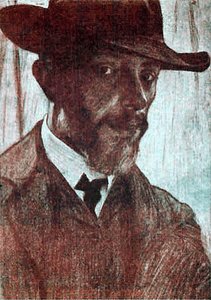
Samuel Hirszenberg
1865 - 1908 , Poland
プロフィール概要
- Birth Date: February 22, 1865
- Birth Place: Łódź, Poland
- Death Date: September 15, 1908
- Influenced By: Jan Matejko
- Movement:
- Realism
- Symbolism
- Name: Samuel Hirszenberg
- Nationality: Polish-Jewish
- Notable Works:
- Jeschibah
- The Wandering Jew
- Exile
- Black Flag
- The Sabbath Rest