

 プレビュー
プレビュー
 シェアする
シェアする シェアする
シェアする
 詳細を見る
詳細を見る

 ダウンロード
 似ている作品
 X線調査
X線調査 スライドショー
 統計情報
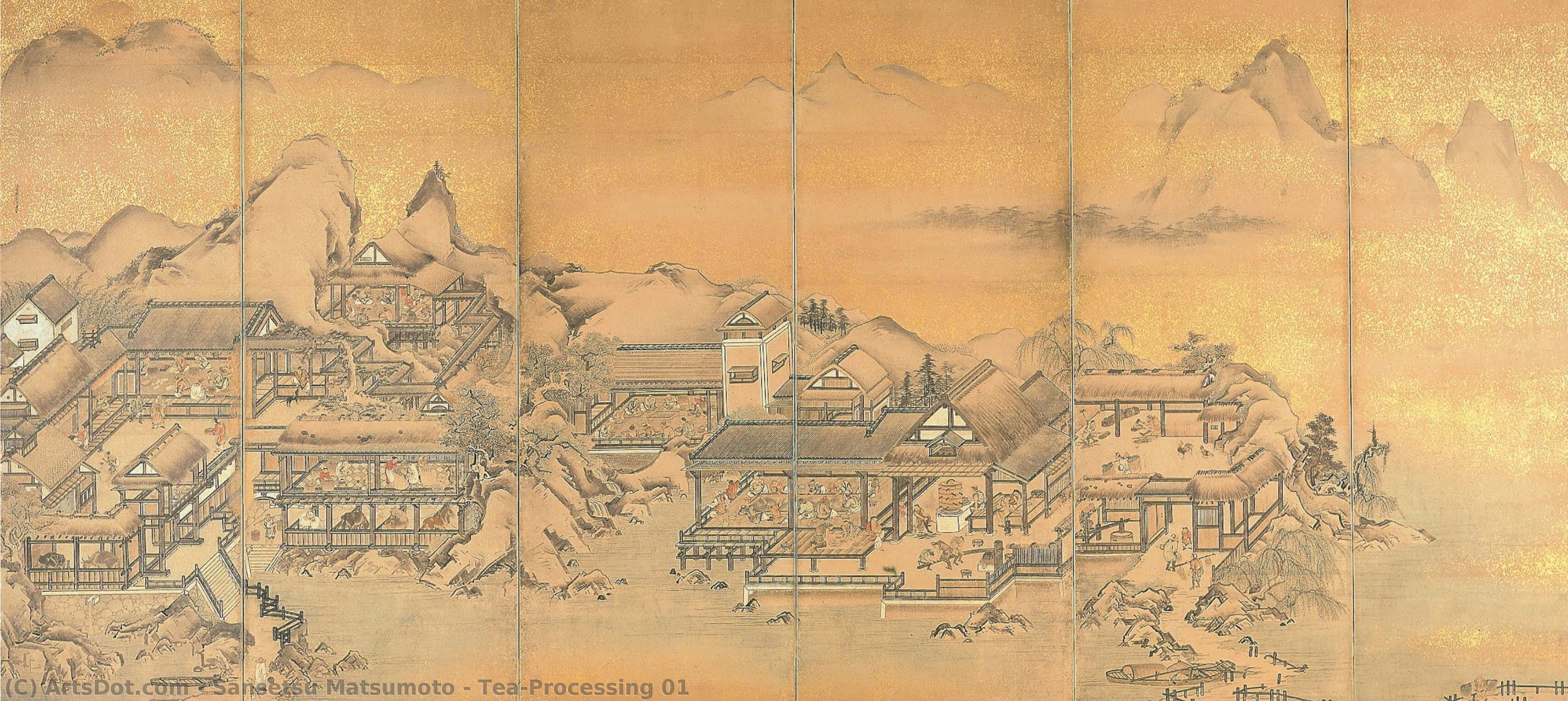
統計情報Tea-Processing 01
 161.0 x 360.0 cm
 詳細を見る
詳細を見る
手描き油彩複製画
当社のアーティストが、お客様のご希望のサイズと額縁に合わせて、キャンバスに手描きで制作する油彩画です。 ( プリント版に切り替え デジタル画像販売へ切り替え)




































作品のオリジナル比率に合わせた、当店の規定サイズからお選びください。

特定のフレームやスペースに合わせて、ご希望のサイズをご入力いただけます。選択されたサイズが元の画像の比率と異なる場合、アートワークをトリミングするか、手描きで要素を追加して絵画を拡張いたします。デジタルモックアップ を制作し、制作開始前にご確認(承認)をいただきます。
画面上のプレビューは、実際のトリミングや拡張を正確に反映しているものではありません。最終的な構図は、モックアップによってのみ正確にご確認いただけます。
カスタムサイズもご利用いただけますが、元の比率を維持するためには、あらかじめ用意されたリストからサイズを選択することをお勧めいたします。
ご注文後、ArtsDot.com チームより詳細な指示をお送りするとともに、仕上がりイメージ(モックアップ)をご提供いたします。


 ガラスオプションは、110cm未満のサイズでのみご利用いただけます。

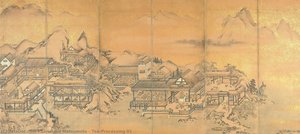
Tea-Processing 01
複製技法
複製画のサイズ
-


合計金額
$ 263
関連作品


アーティストの略歴
The Silent Resonance of Ink: The Life and Legacy of Sansetsu Matsumoto
In the quiet, contemplative atmosphere of early seventeenth-century Kyoto, a master was refining a visual language that would forever define the spirit of the Edo period. Sansetsu Matsumoto, an artist whose life spanned the transformative years from approximately 1589 to 1651, emerged as a pivotal figure in Japanese art history. While the biographical details of his early years remain partially veiled by the mists of time, his presence in the artistic landscape of Japan is unmistakable. He was a painter who did not merely observe the world but sought to capture its very essence through the disciplined medium of sumō (monochrome ink wash). His work serves as a profound bridge between the spiritual depth of Zen Buddhism and the structured social ideals of Confucianism, creating a visual dialogue between the human soul and the natural world.
The foundation of Matsumoto’s mastery was laid within the rich, sophisticated artistic milieu of Kyoto. It is believed that he honed his craft under the guidance of influential masters such as Kobori Fumio, a renowned landscape architect. This lineage of training was crucial, as it introduced Matsumoto to the aesthetic principles of wabi-sabi—the profound appreciation for imperfection, transience, and the subtle beauty found in simplicity. Through this lens, every brushstroke became an exercise in restraint. He learned to utilize the vast emptiness of the paper as a structural element, allowing the viewer's imagination to fill the spaces between the ink, much like the silence between notes in a musical composition.
A Courtly Vision: Service and Symbolism
As his reputation grew, Matsumoto’s talents were sought after by the powerful structures of feudal Japan. His tenure as a court painter for the Iyo Matsuyama han, a domain under the governance of Tokugawa Yoshimune, marked a significant chapter in his professional development. This period of service allowed him to produce a prolific body of work that functioned on multiple levels. On one hand, his landscapes served a decorative purpose, beautifying the halls of the nobility; on the other, they acted as subtle instruments of political expression. By depicting the grandeur and serenity of the domain's territories, his paintings reflected the Confucian ideal of benevolent governance, suggesting that a well-ordered landscape was a mirror to a well-governed state.
His technical achievements during this era are characterized by an extraordinary command over the monochrome palette. Matsumoto possessed a rare ability to evoke texture, light, and atmosphere using only varying shades of black ink. Whether depicting the muscular grace of horses or the delicate, rhythmic patterns of tea-processing, his work maintains a sense of organic vitality. His compositions often feature:
- Asymmetry: A deliberate departure from rigid balance to mimic the unpredictable beauty of nature.
- Atmospheric Perspective: The use of fading ink washes to create depth and a sense of infinite distance.
- Minimalist Detail: Focusing on essential forms to convey the character of a subject without unnecessary ornamentation.
Historical Significance and Enduring Influence
The historical significance of Sansetsu Matsumoto lies in his ability to synthesize the ruggedness of early ink traditions with the refined elegance required by the burgeoning Edo culture. He did not merely document landscapes; he created spiritual sanctuaries on paper. His mastery of the monochrome technique provided a template for subsequent generations of Japanese painters, influencing the way nature was perceived as both a physical reality and a metaphysical concept. Even today, his works stand as testament to a period of profound cultural flourishing, reminding us that true artistic power often resides in the most subtle of gestures.
Through his dedication to the sumō technique, Matsumoto ensured that the ephemeral beauty of the natural world—the shifting mist, the swaying leaf, the transient light—could be captured and preserved. His legacy remains a cornerstone of Japanese art, offering a timeless meditation on the harmony that exists when humanity learns to move in rhythm with the earth.
sansetsu matsumoto
1676 - , Japan
基本情報
- Artistic Movement Or Style: Edo Period
- Full Name: sansetsu matsumoto
- Nationality: Japanese
- Notable Artworks: ['Tea-Processing 01']
- Place Of Birth: Japan